

Russian Scientists Train Neural Network to Analyze Organoid Images
Scientists at the Research Centre for Medical Genetics named after Academician N.P. Bochkov have developed OrganoMetric, software that can scan images of organoids and measure their morphometric characteristics.
The new IT product was created by Anna Demchenko, Ph.D. in Biology and leading researcher at the Genome Editing Laboratory; Maksim Balyasin, researcher at the Mutagenesis Laboratory; and Svetlana Smirnikhina, M.D., Ph.D. and head of the Genome Editing Laboratory.
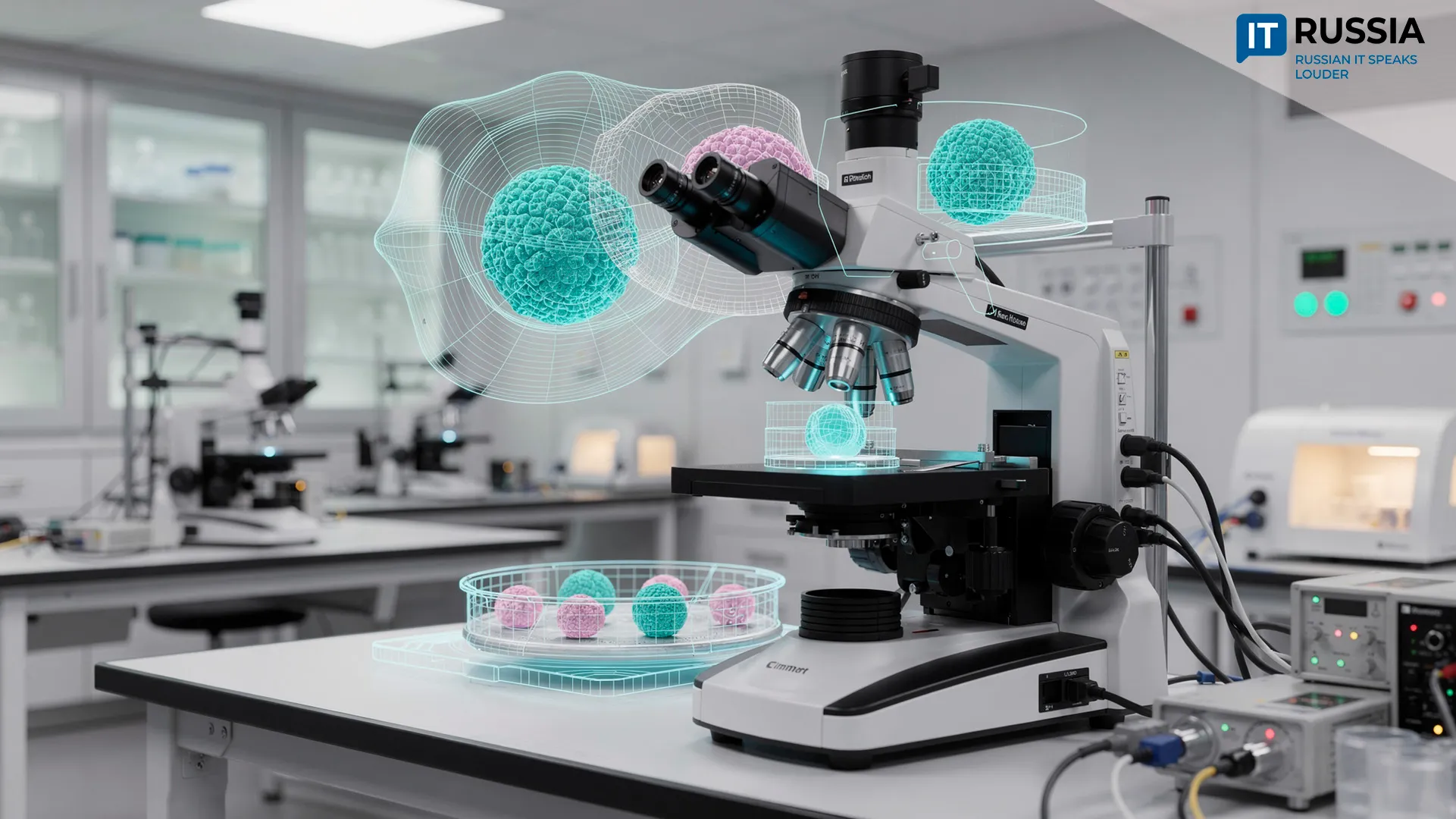
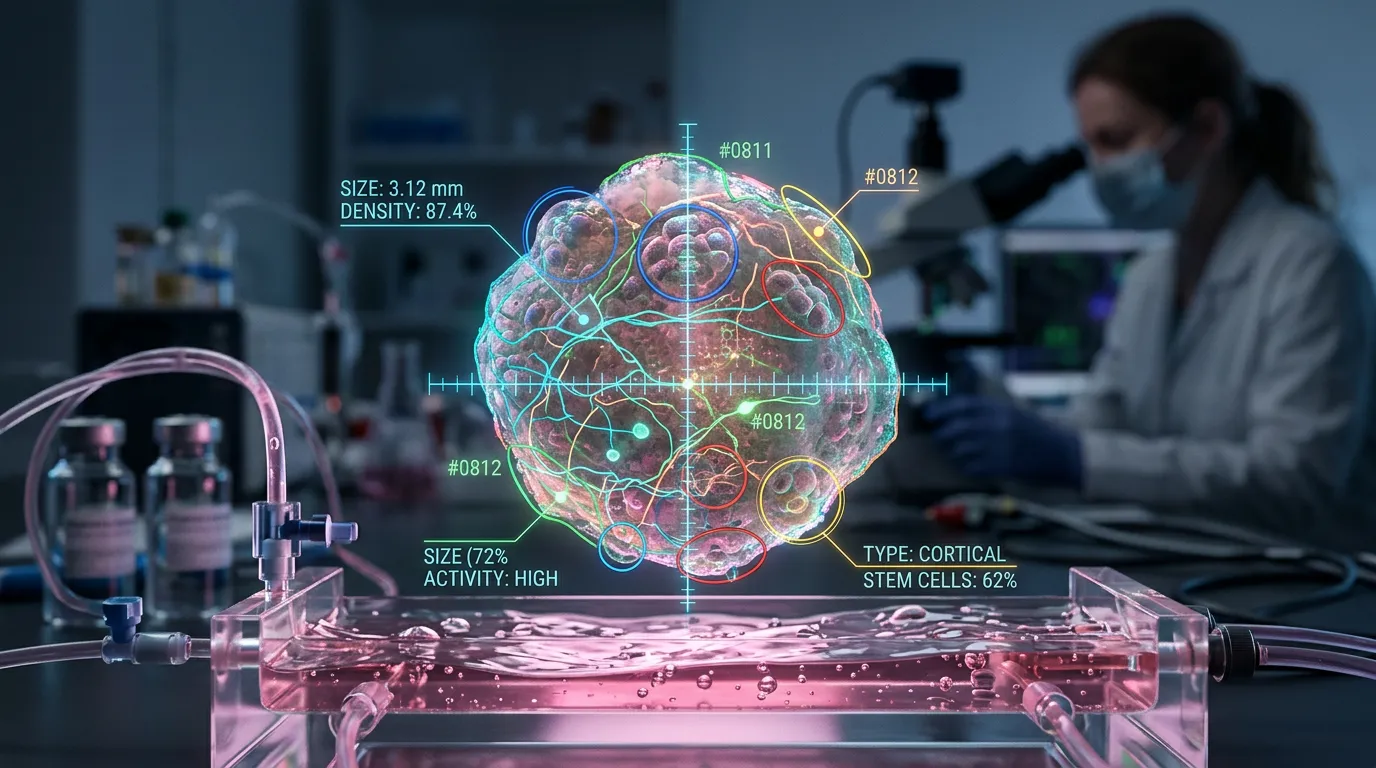
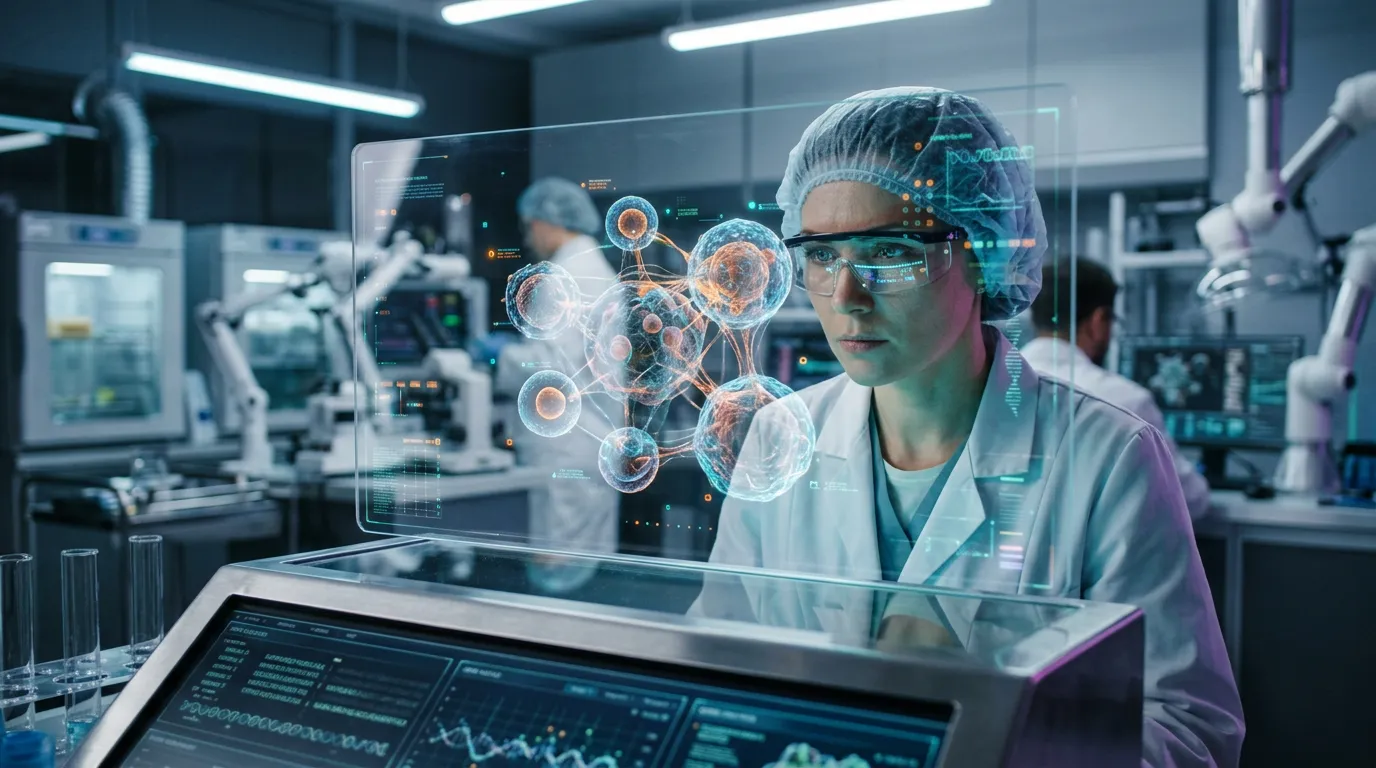
Using neural networks, OrganoMetric can automatically scan a series of bright-field images of organoids captured with time-lapse microscopy and determine morphometric characteristics such as area, diameter and shape.
Organoids are complex 3D structures made up of different cell types from a particular organ – in this case, skin cells from patients with cystic fibrosis. They can replace biopsy samples needed for scientific research, but analyzing them is not easy. Until recently, researchers examined the organoids manually. The process was highly complex and labor-intensive, taking many hours.
The Russian scientists’ invention is not a mass-market medical service but a digital research tool that automates one of the most labor-intensive stages in developing and evaluating therapies. For patients, the potential benefit is faster and more objective selection of medications, particularly for cystic fibrosis. For Russia as a whole, the technology marks another step toward developing its own personalized medicine capabilities.
What It Means for Science
For now, the developers are using OrganoMetric to study cells affected by cystic fibrosis, but the method could eventually be scaled to analyze different types of organoids.
That could have significant practical value for Russian medicine. With further development, the tool could be used in preclinical drug testing, to assess an individual patient’s response to therapy and to study inherited diseases.
Notably, the research was conducted as part of a government assignment from Russia’s Ministry of Science and Higher Education aimed at improving the efficiency of mutation correction in hereditary diseases using genome editing methods. The project brought together neural networks, computer vision and biomedical research, opening new possibilities for AI in health care. It is also part of a broader national policy: in 2026, the Russian government allocated 10 billion rubles (about $118 million) to regions for health care IT, including projects that use AI.
The technology’s export potential is more likely to emerge over the medium term. OrganoMetric could be used in international research projects and joint development efforts in personalized medicine. Russia is already expanding international cooperation on medical AI and digital technologies, including with the United Arab Emirates and other countries.
Step by Step
OrganoMetric emerged from several years of research. In 2023, the Research Centre for Medical Genetics developed protocols for producing human lung and bronchial organoids, establishing the biological foundation on which digital analysis tools could later be built. In January 2025, researchers at the center used lung organoids for the first time to evaluate the effectiveness of CFTR modulators for cystic fibrosis. In November and December 2025, they developed a semiautomated machine-learning algorithm for analyzing images of respiratory organoids. In effect, that algorithm became the direct technological predecessor of today’s OrganoMetric.
Research around the world is moving in the same direction. In 2026, Japanese researchers also identified the combination of AI, image analysis and organoid technologies as a promising avenue for drug development and personalized medicine. That suggests the Russian technology is advancing along a major international trajectory in biomedical IT.
What Comes Next
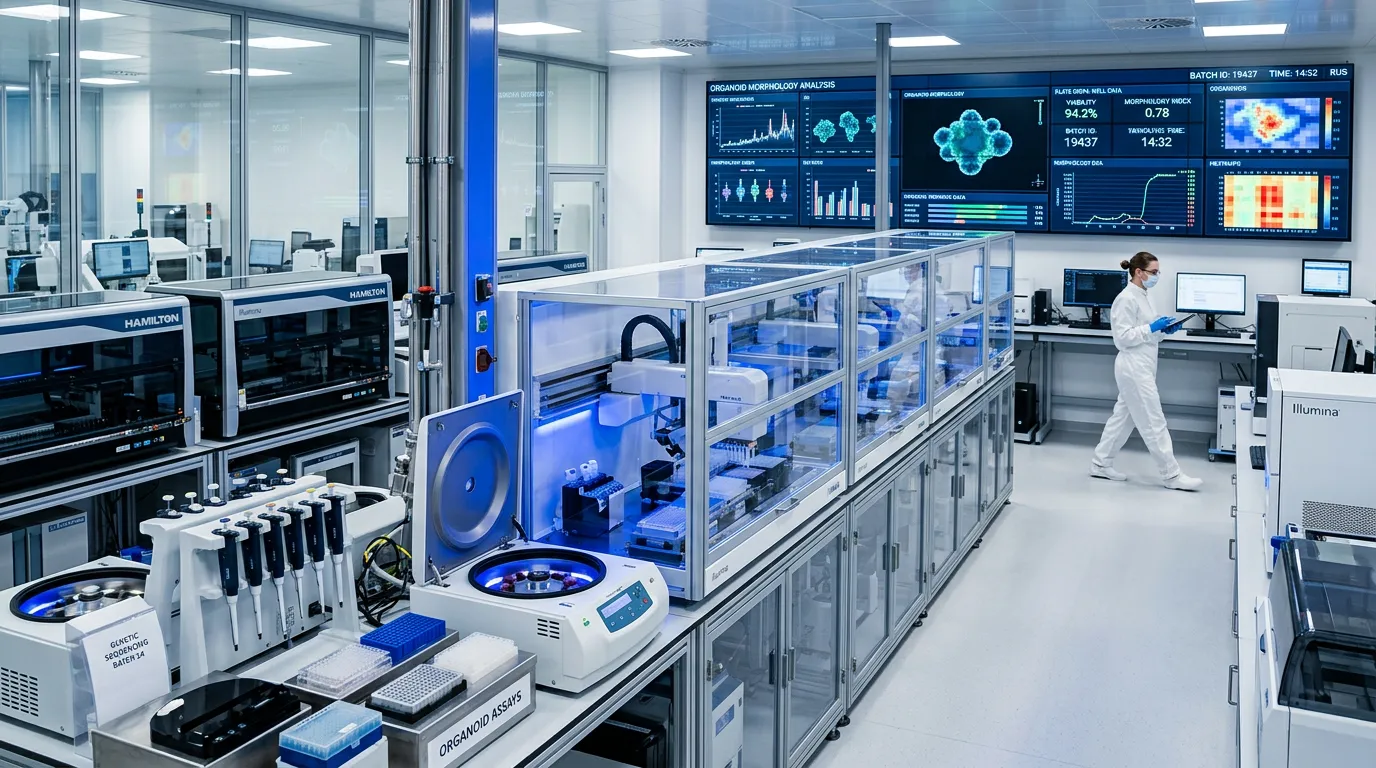
The development of OrganoMetric shows how Russian medical research is gradually moving from manual processing of experimental data toward automated analysis using neural networks and computer vision. A standardized algorithm reduces the influence of a researcher’s subjective assessment and makes it possible to compare results from different experiments using the same quantitative criteria.
One of the most promising directions for OrganoMetric is adapting it to work with organoids representing different tissues and diseases. A particularly important model could link a patient’s organoid with automated analysis and therapy selection, helping researchers determine more quickly how well a specific drug is likely to work for a particular person.
Developing and deploying systems like these could speed up the creation and evaluation of new treatments and gradually shorten the path from laboratory research to the use of its results in clinical practice, reinforcing Russia’s status as one of the leading countries in innovative medicine.