

Laos Tests Russian Tablets Running Astra Linux Mobile
Russian IT products are moving into international markets. In the longer term, the Laos deployment could encourage interest from other countries.

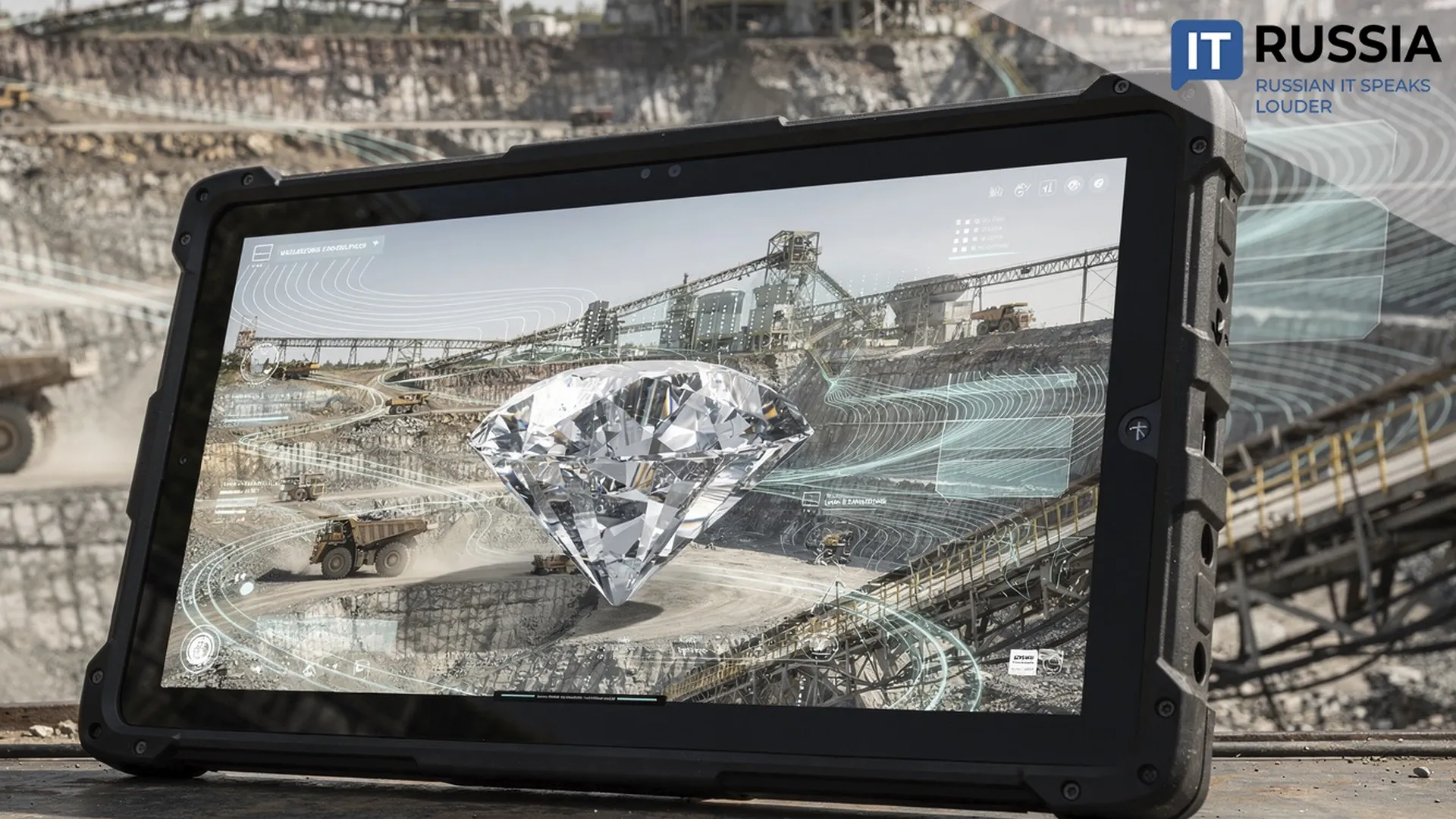
Russian computer hardware maker KVADRA, a YADRO brand, has delivered the first batch of KVADRA_T tablets with Astra Linux Mobile preinstalled to government agencies in Laos. The devices were provided to the country’s Ministry of Finance and the Prime Minister’s Office for pilot use. During the project, the Lao side will assess the Russian hardware-software combination in real government workflows and identify potential scenarios for broader use. In other words, the Russian hardware and software platform now has an opportunity to prove itself in one of the IT market’s most demanding environments – the infrastructure of a foreign government.
In effect, Russia is offering a foreign customer a ready-to-use mobile workstation built around compatible hardware and software. If the pilot succeeds, it could serve as a reference for promoting similar products in other Southeast Asian countries. That would expand the market available to Russian manufacturers and, in turn, create room for higher production volumes.

A Showcase for Other Countries
Laos is, in essence, serving as a venue for demonstrating Russian technology across the ASEAN (Association of Southeast Asian Nations) region. If the deployment proves successful, Lao government agencies could generate demand not just for KVADRA_T hardware, but also for the software it requires and ongoing infrastructure support. And if the project develops into a viable international B2G case, Russian IT professionals will have a stronger reference when offering their products to customers in other countries seeking alternative suppliers of software and client devices.
Still, that will not happen automatically. Entering any market requires localization, local technical support, compliance with national cybersecurity requirements and integration with existing government systems.

Russian Technology for Foreign Government Systems
Over the past several years, the Russian market has moved from developing mobile devices running domestic operating systems for customers at home to its first attempts to promote similar hardware-software products abroad. In 2024, Russian tablets running Astra Linux Mobile entered use at Russia’s Ministry of Economic Development. The range of Russian tablets supporting Astra Linux Mobile expanded in 2025, when Astra Group and ByteErg introduced the Oko Tab 5 Pro. At the time, the companies said devices running Astra Linux Mobile could be centrally administered through ALD Pro and that the platform was compatible with mobile versions of more than 300 software products.
That same year, Russian IT companies began exploring the Lao market. The interest was mutual: during a webinar organized by the RUSSOFT association, representatives from Laos expressed interest in Russian technology for digital government, infrastructure and security. Even then, pilot projects, localization, tenders and joint ventures were identified as possible paths for cooperation. Similar efforts are now underway in China, where computers running the Russian UOS operating system are also being supplied to educational institutions. Foreign government agencies and publicly funded organizations are emerging as a core customer base for Russian hardware-software ecosystems.

Can KVADRA Win the Asian Market?
Russian technologies originally developed to replace imports are now moving into export markets and being tested in other countries. Until recently, tablets running a domestic operating system were used only as part of Russia’s transition to locally developed technology at home. Now, a comparable hardware-software combination is being tested directly by foreign government agencies. Laos is a logical market for such a project: the country is accelerating the digitization of public administration, developing digital services and cybersecurity, and has publicly shown interest in working with Russian IT companies. So while large-scale procurement has not yet been discussed, continued cooperation appears highly likely.
For Russia’s IT industry, however, the most valuable outcome would be an international B2G reference for an integrated Russian technology stack. If KVADRA and Astra Group can demonstrate that the devices operate reliably within the real-world infrastructure of Lao government agencies, the next steps could include larger shipments, deployment of additional Russian software products and use of the Laos project as a reference for expansion into other Southeast Asian countries.