

Digital Seed Quality Control
Russian researchers have developed an automated system for checking the calibration and purity of seed material.
Checking the quality of seeds and the harvested crop is an important part of successful crop production. This work directly affects business performance.
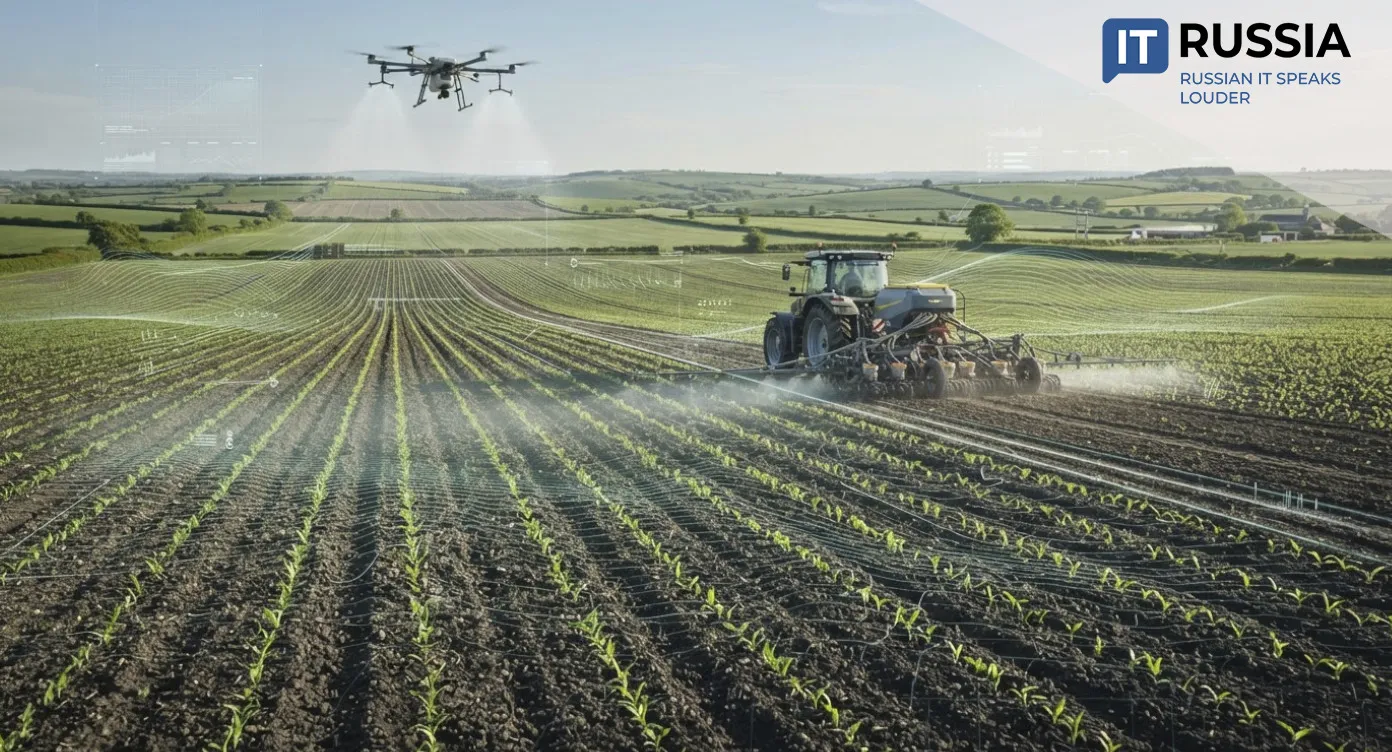
High-quality planting seed supports rapid germination, helping farmers achieve high yields per hectare. Clean seed material makes sure that seeds from other crops are not planted and that weeds do not emerge to complicate field management and reduce yields. Seeds can also be infected with pathogens or damaged by pests. If those problems are not detected in advance, infected seeds will produce diseased plants that can become a source of infection for the entire field. Finally, large amounts of debris in seed material make it difficult to calculate the correct seeding rate.
The harvested crop likewise needs quality checks. When sunflower seeds are processed into oil, for example, removing impurities directly affects both the quality and volume of the finished product. This labor-intensive work is best handled by automated quality-control systems.
Real-Time Quality Control
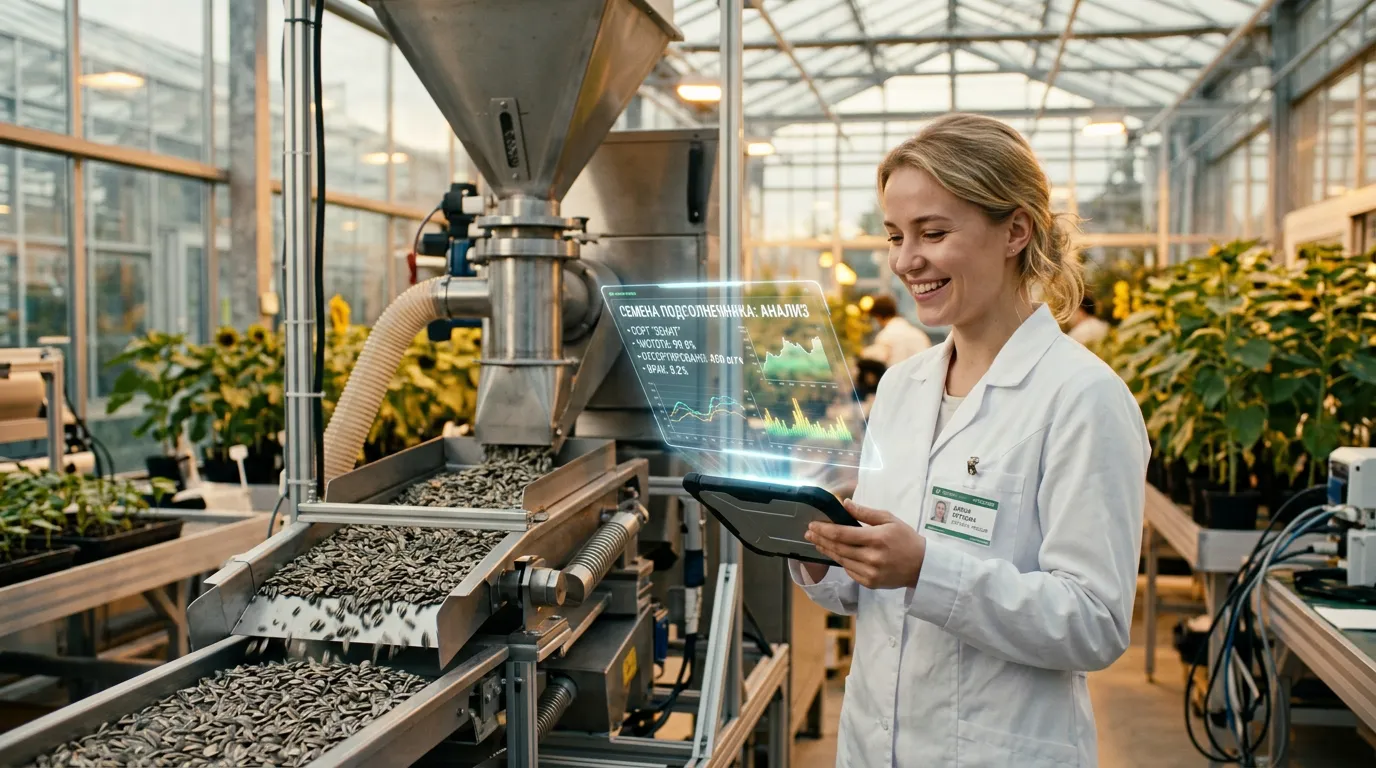
Researchers at MIREA – Russian Technological University have developed a digital module that can be installed on a standard computer and continuously monitor sunflower seed quality in real time.
Separation efficiency is typically checked manually. After the production line is stopped, a professional takes seed samples, visually examines them and weighs them. Equipment settings are then adjusted. The process takes time and can monitor only individual samples, meaning a decline in quality between inspections may go unnoticed.
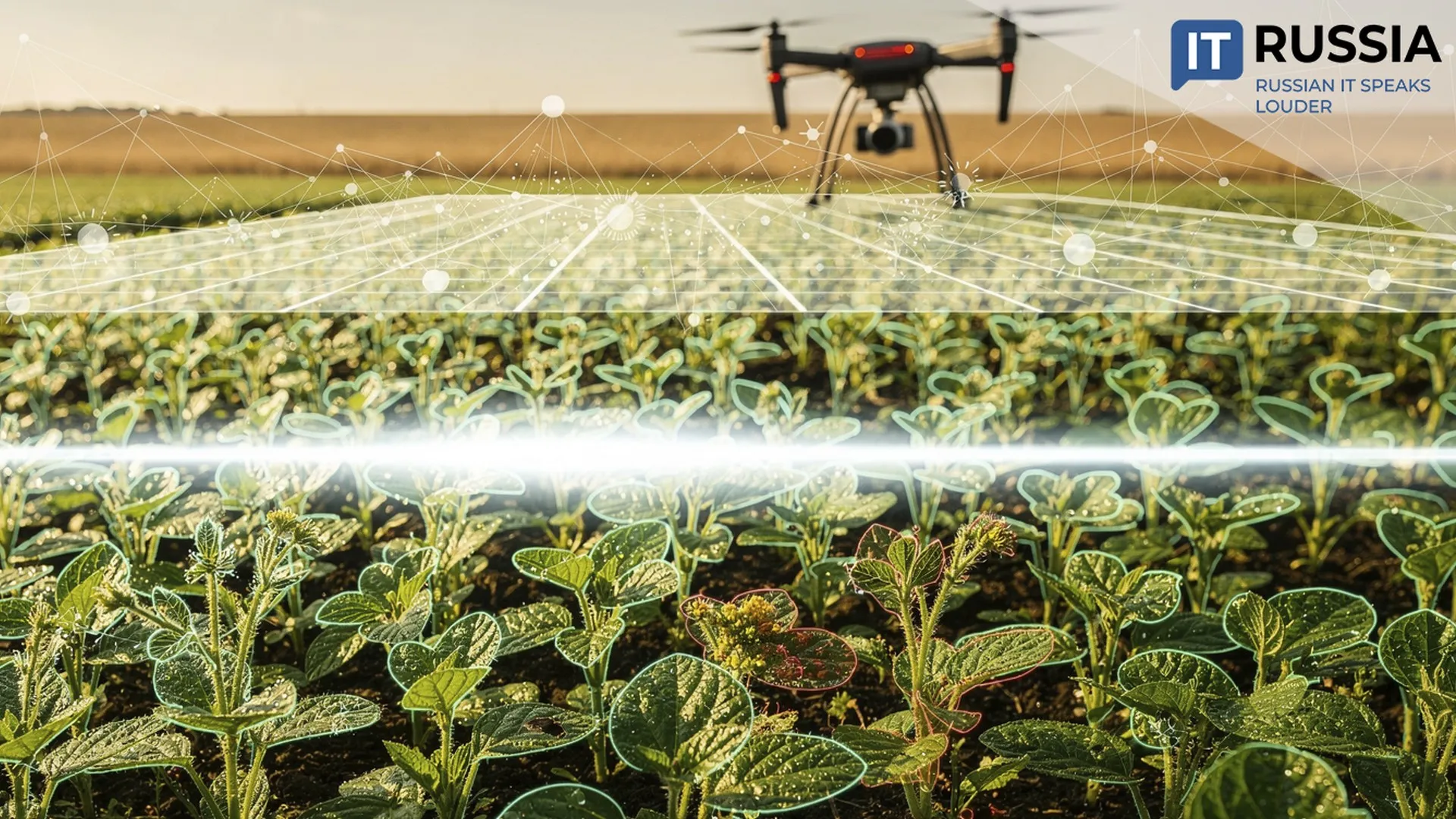
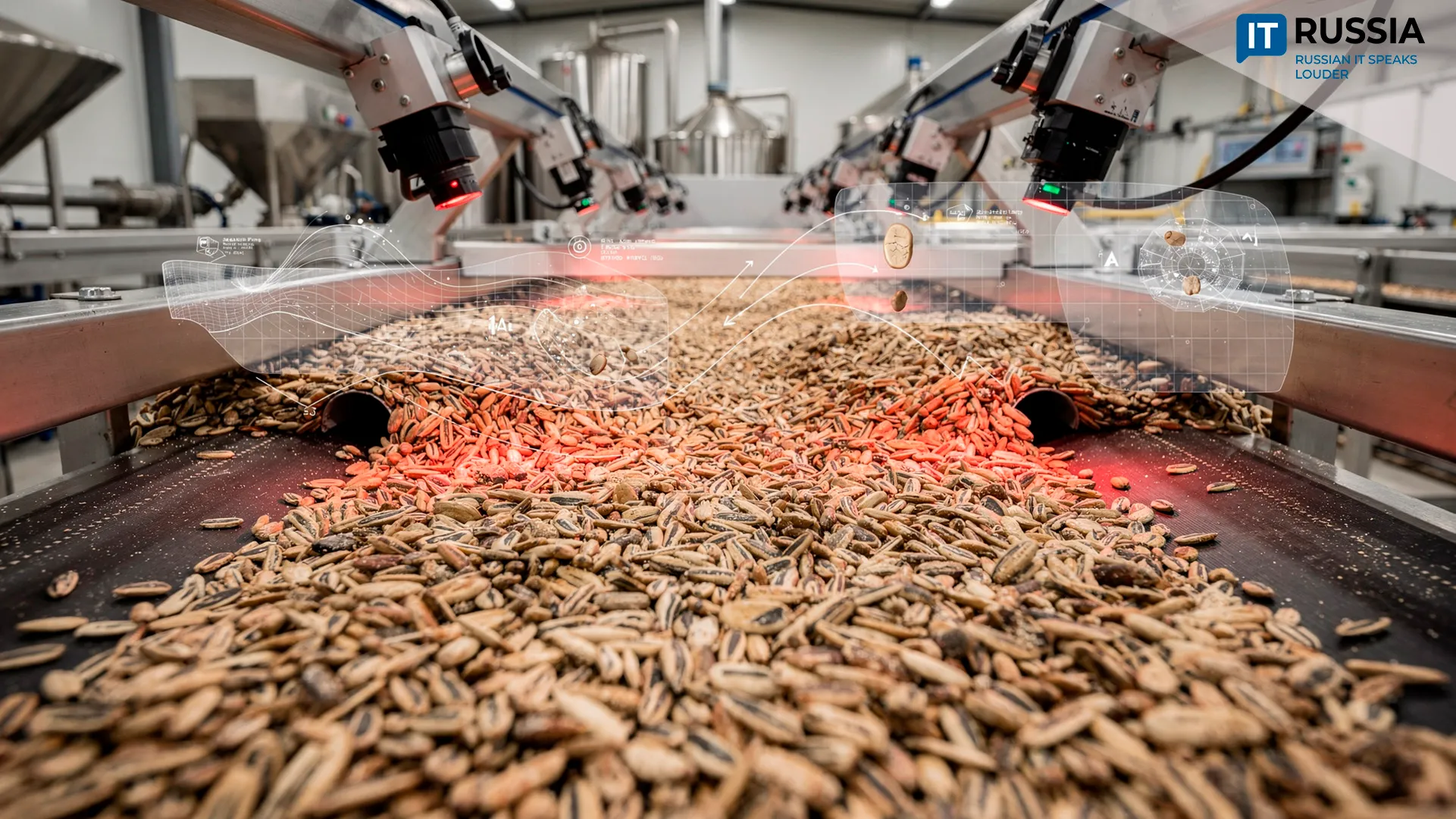
Now, cameras installed above the conveyor and separator transmit images of moving seeds to an industrial computer. Computer vision systems determine the percentage of impurities, and the resulting data are sent to the operator after analysis. If the impurity level exceeds the preset threshold, the system issues an adjustment signal without stopping production. The process responds automatically as the quality of incoming raw material changes.
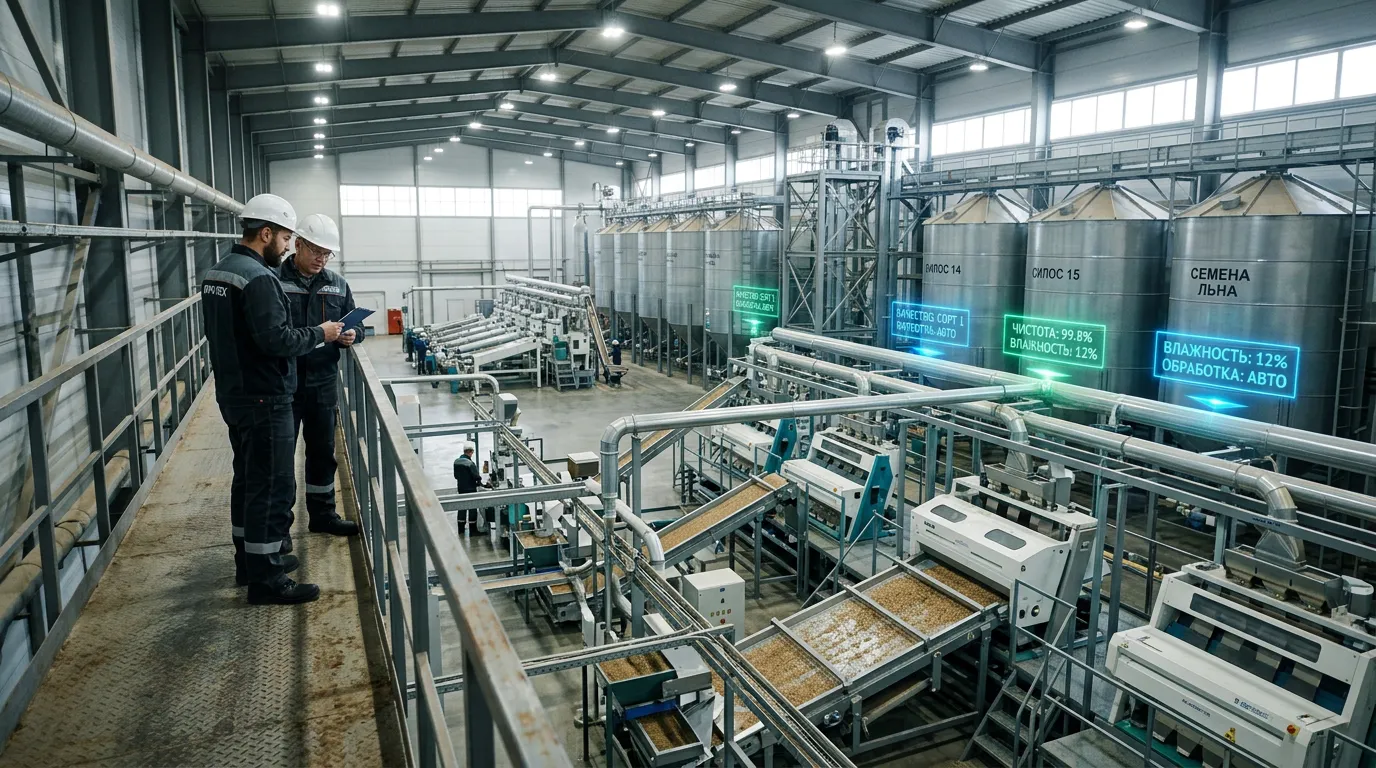
Seed Production and Processing
The new software module has already been registered in Russia’s Computer Programs Registry, simplifying its further use. The software is protected against unauthorized copying, and the developer can now deploy it either as a stand-alone system or integrate it into digital monitoring equipment on processing lines.
The technology was developed for two segments of the agricultural industry: seed producers, for whom the quality of planting material is critical, and oil-extraction plants, which tightly monitor the characteristics of raw materials before processing. The technology could be particularly promising for sunflower oil production facilities. Russia is the world’s largest producer and exporter of sunflower oil, accounting for about 32.7% of total global output in 2025. Faster seed-cleaning processes could reduce production costs and help Russia expand its market share.
MIREA’s developers plan to adapt the platform to other types of seeds and bulk products. It will compete with existing Russian digital technologies for automated seed quality inspection. For example, Altai-based SiSort, a member of the Rosspetsmash Association, has already launched production of an optical sorter that uses artificial intelligence to analyze the quality of grain and other bulk products. The Altai-made optical sorters offer multiple operating modes and can remove impurities and contaminants from almost any type of product, from coffee to nuts.
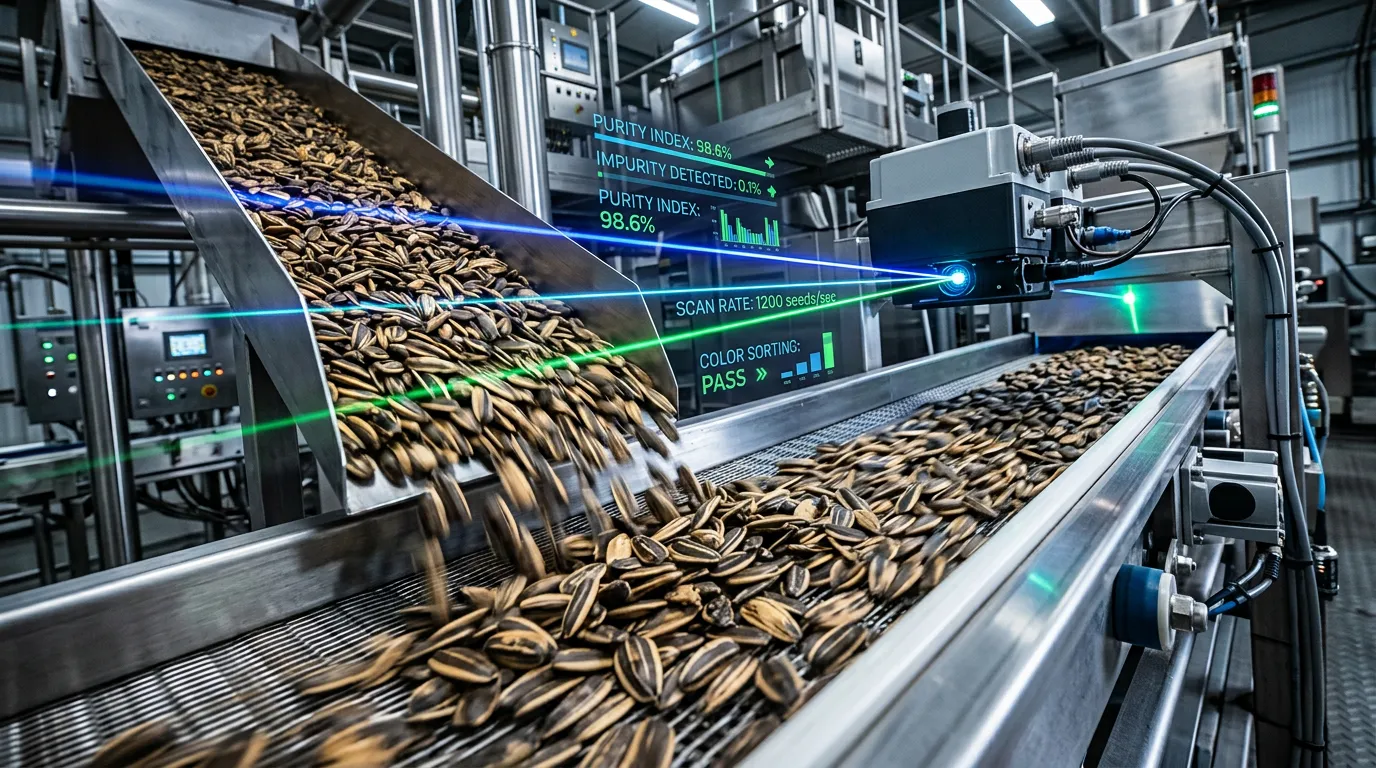
Exporting Digital Seed-Cleaning Technologies
Technologies for cleaning and sorting seeds and other bulk materials could become an important segment of Russia’s tech industry. Developing digital systems capable of fully managing product quality on production lines will require training AI systems to analyze enormous varieties of materials. Integrating these systems with industrial automation, so that separator operating parameters are continuously adjusted based on machine-vision results, could enable closed-loop automated production control.
Further advances could come through collaboration with research centers, helping improve AI models and expand analytical capabilities. The technology can make crop production more efficient, strengthen Russia’s technological sovereignty and increase its export potential. Asian countries, in particular, have shown interest in this type of equipment as they seek to develop their own agricultural technologies.