


Making Life Easier: Russia’s Health Ministry and Sber Launch “Lose Weight for Your Health” App
Russia’s Ministry of Health and Sber are expected to release the Khudeyem na zdorovye (Lose Weight for Your Health) digital resource in the near future for people who want to lose weight. The service will combine medical recommendations, a personalized approach and artificial intelligence.

Losing excess weight is not easy. The advice to exercise more and eat less does not work for everyone in practice. It is important not simply to cut portion sizes but to eat properly so the body gets enough protein, vitamins and fiber. Even sweets should not be eliminated completely, because the brain needs glucose to function.
The new Russian digital resource Khudeyem na zdorovye is built around the principle of a balanced diet tailored to the body’s needs. Its goal is to help people lose weight based on medical recommendations rather than scattered and not always useful advice found online.
Personal Dietitian in Your Pocket
Khudeyem na zdorovye is designed as a mobile assistant app. Users will be able to create personalized weight-loss programs and receive recommendations as they work through them.
Artificial intelligence is at the core of the technology. The GigaChat large language model is used to generate recommendations. It analyzes user data and provides personalized advice, while also supporting people on their way toward their goals, motivating them and helping them stay on track.
But AI serves solely as a digital assistant, not a doctor. Specialized medical organizations are responsible for the project’s medical foundation. This approach combines the technological capabilities of AI with medical expertise.
Several organizations are working on the project. Sechenov University and the National Medical Research Center for Therapy and Preventive Medicine of Russia’s Ministry of Health are responsible for the medical component. Sber is providing the technology platform. The ministry is supporting the development.
Russia’s Health Minister Mikhail Murashko emphasized that the service will use validated and safe information sources. This is particularly important for a digital healthcare product because its recommendations need to be based on verified data.
Personalized Approach
The resource is intended to give users more convenient access to information. Instead of searching different sources on their own for advice on nutrition, physical activity and weight loss, they will get it all in a single digital service.
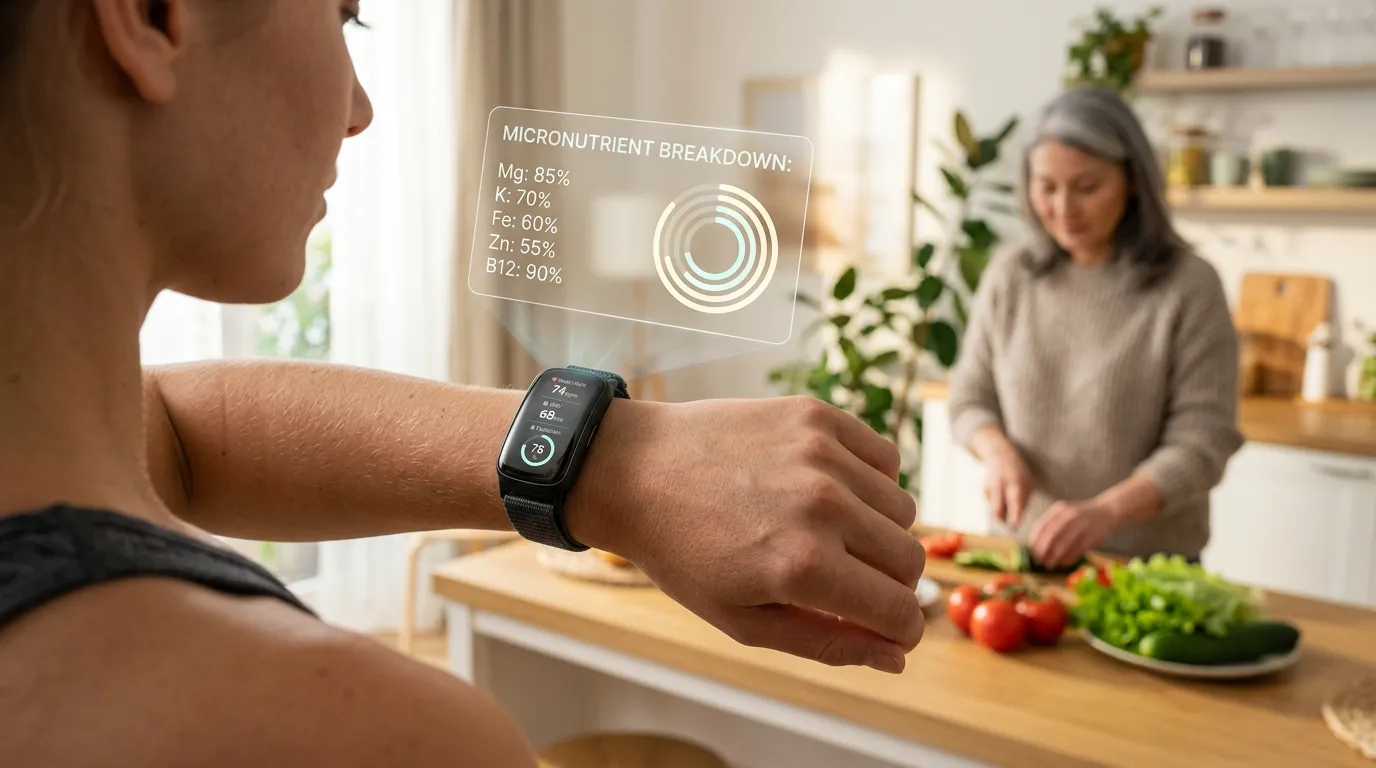
Personalization is also important. A one-size-fits-all diet does not always work because people have different lifestyles, habits and health conditions. The digital assistant takes into account users’ age, chronic conditions and lifestyle, then provides recommendations in an easy-to-understand format.

The Obesity Epidemic
Excess weight has long ceased to be solely a matter of appearance. Obesity is associated with an increased risk of diabetes, cardiovascular disease and other conditions.
According to the World Health Organization, about 43% of adults worldwide were overweight in 2022, while 16% were living with obesity. At the same time, the prevalence of obesity among adults has more than doubled in recent years. Among children and adolescents ages 5 to 19, it has increased about fourfold.
The problem is also evident in Russia. In March 2025, Russia’s Ministry of Health reported that about 24.6% of the country’s adult population had obesity. The figure was 27.4% among women and 20.6% among men.
That makes prevention a separate priority for the healthcare system. If digital technologies help people pay attention earlier to their diet, physical activity and weight, they can address not only the consequences but also the risk factors. This, in turn, could help protect people from hypertension and cardiovascular disease while making everyday life easier.

A Global Trend and Russia’s IT Sector
The number of people who are overweight is rising in many countries. The WHO links this trend to several factors, including changes in diet, the growing availability of high-calorie foods, declining physical activity and features of the urban environment.
There is therefore no universal recommendation for how to lose weight. People need not only information about the calorie content of foods but also a clear system of actions they can follow in everyday life. Digital tools can make this kind of support more accessible. An app can always be at hand, remind users of their goals, explain recommendations and track whether they are following them.