

Artificial Intelligence Selects Materials for BREST and VVER-SKD Reactors
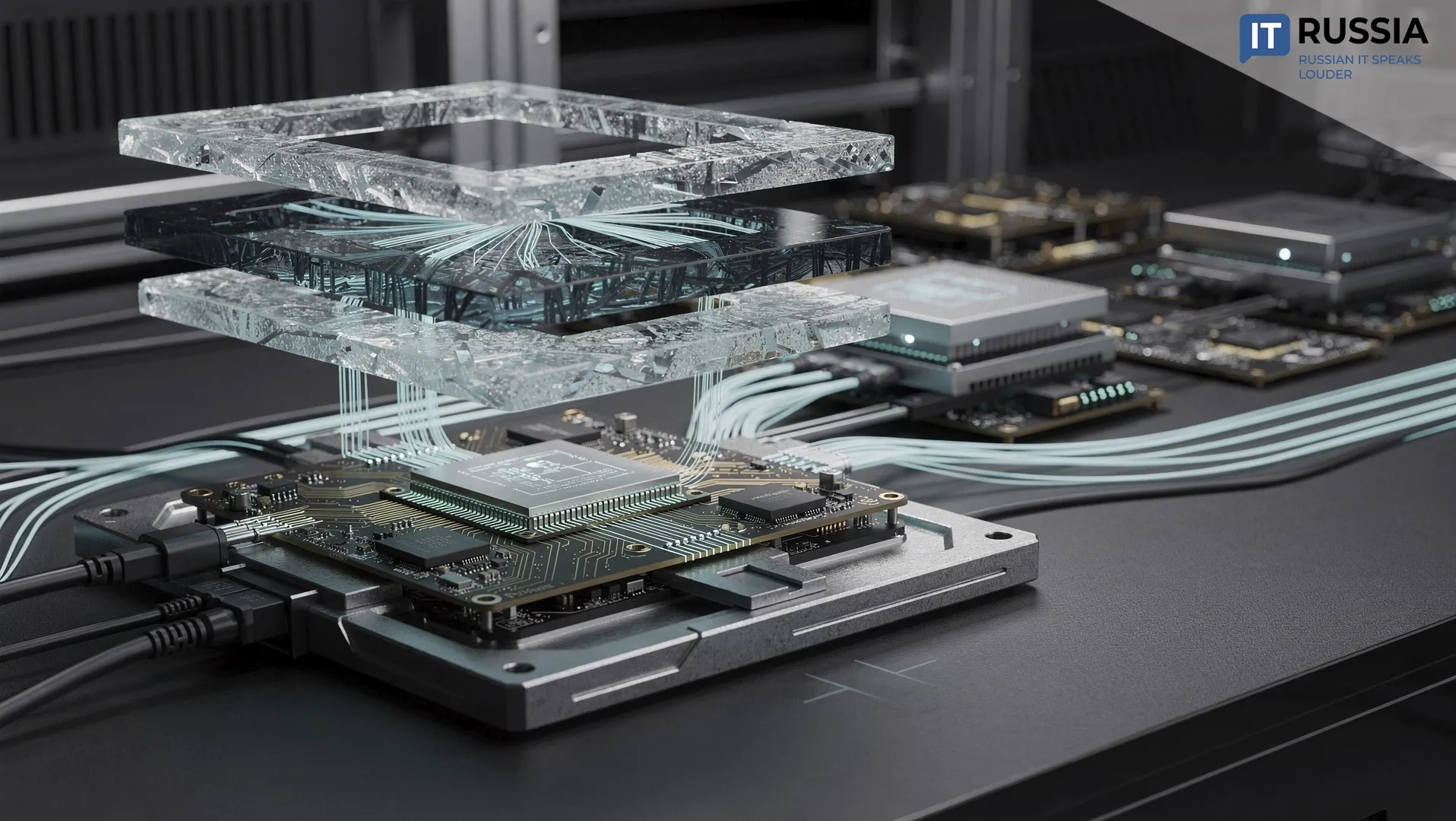
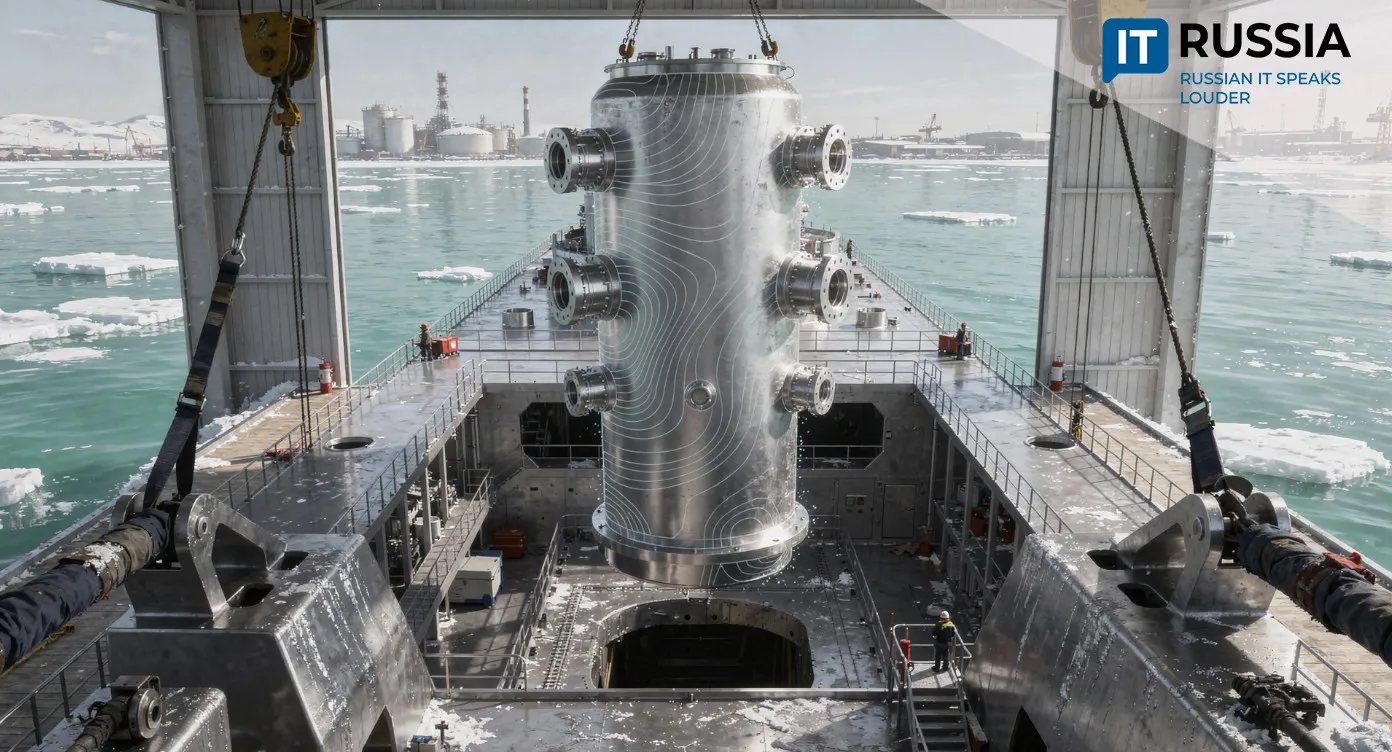
The neural network analyzed about 250,000 alloy combinations and selected optimal compositions for the prospective BREST and VVER-SKD reactors. Using AI enabled Rosatom specialists to solve in two weeks a task that otherwise would have required years of laboratory testing.
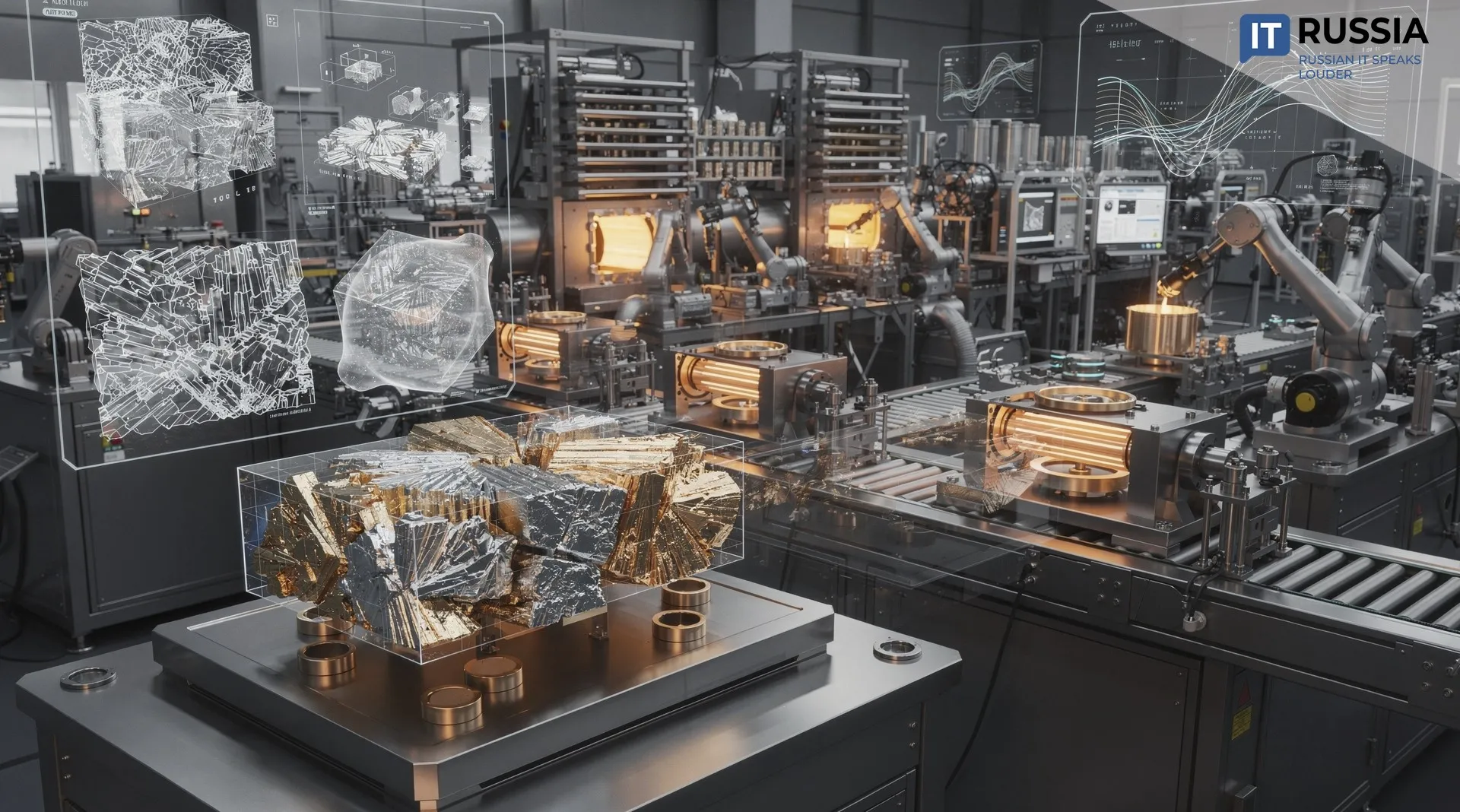
Developing new heat-resistant and radiation-resistant alloys requires engineers to balance numerous parameters, including mechanical strength, corrosion resistance, and material behavior under prolonged neutron irradiation. Even changing the proportion of a single element can fundamentally alter the physical properties of the resulting material.
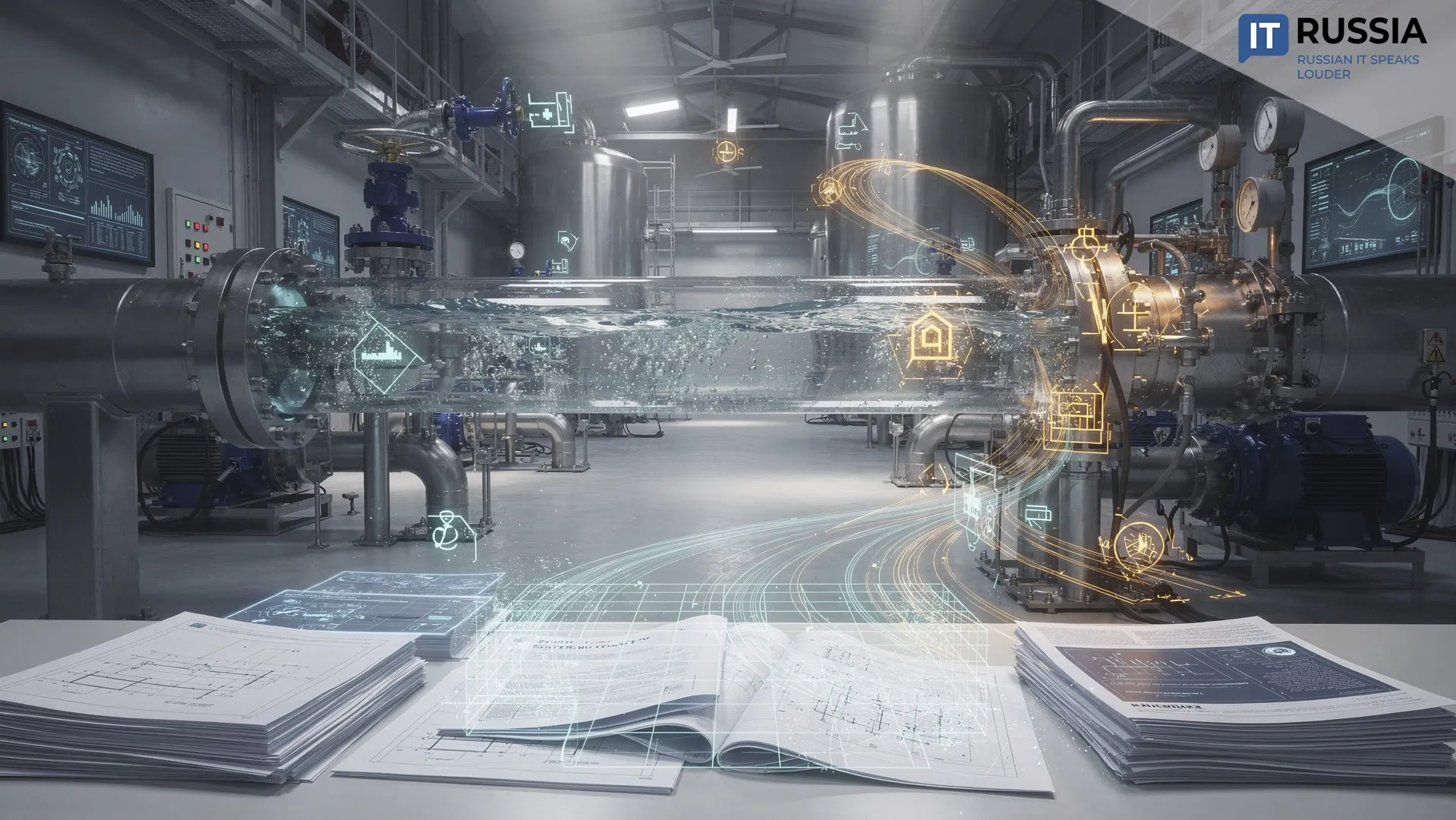
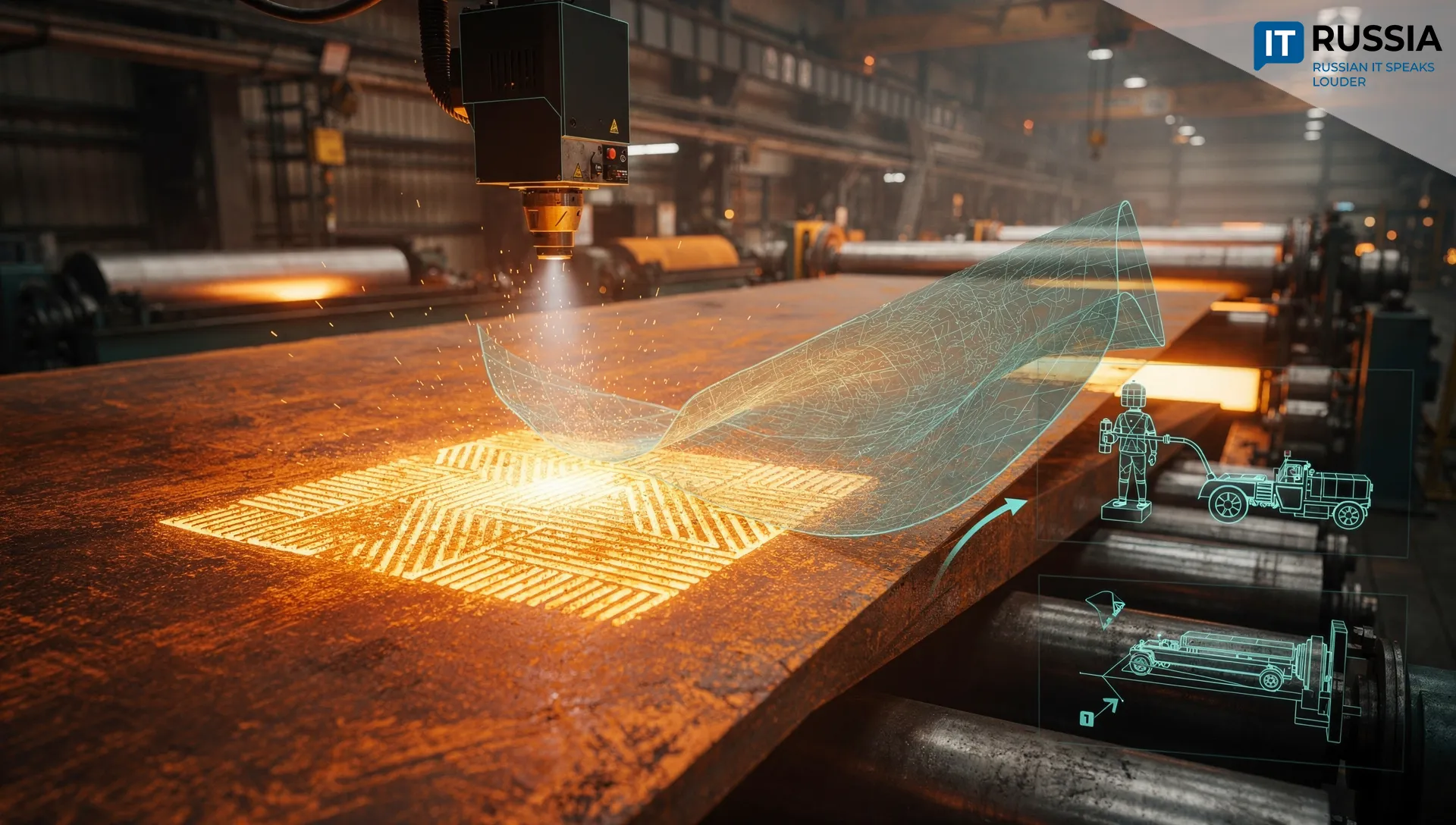
Previously, scientists would build a matrix of possible combinations and then synthesize samples sequentially in the laboratory. This brute-force approach required substantial time and costly reagents. Artificial intelligence is changing that paradigm: machine-learning algorithms can analyze large datasets from chemical experiments and predict the properties of alloys that have not yet been produced. The neural network does not provide a ready-made answer. Instead, it filters out combinations that are clearly unlikely to work and focuses researchers' attention on the most promising compositions.
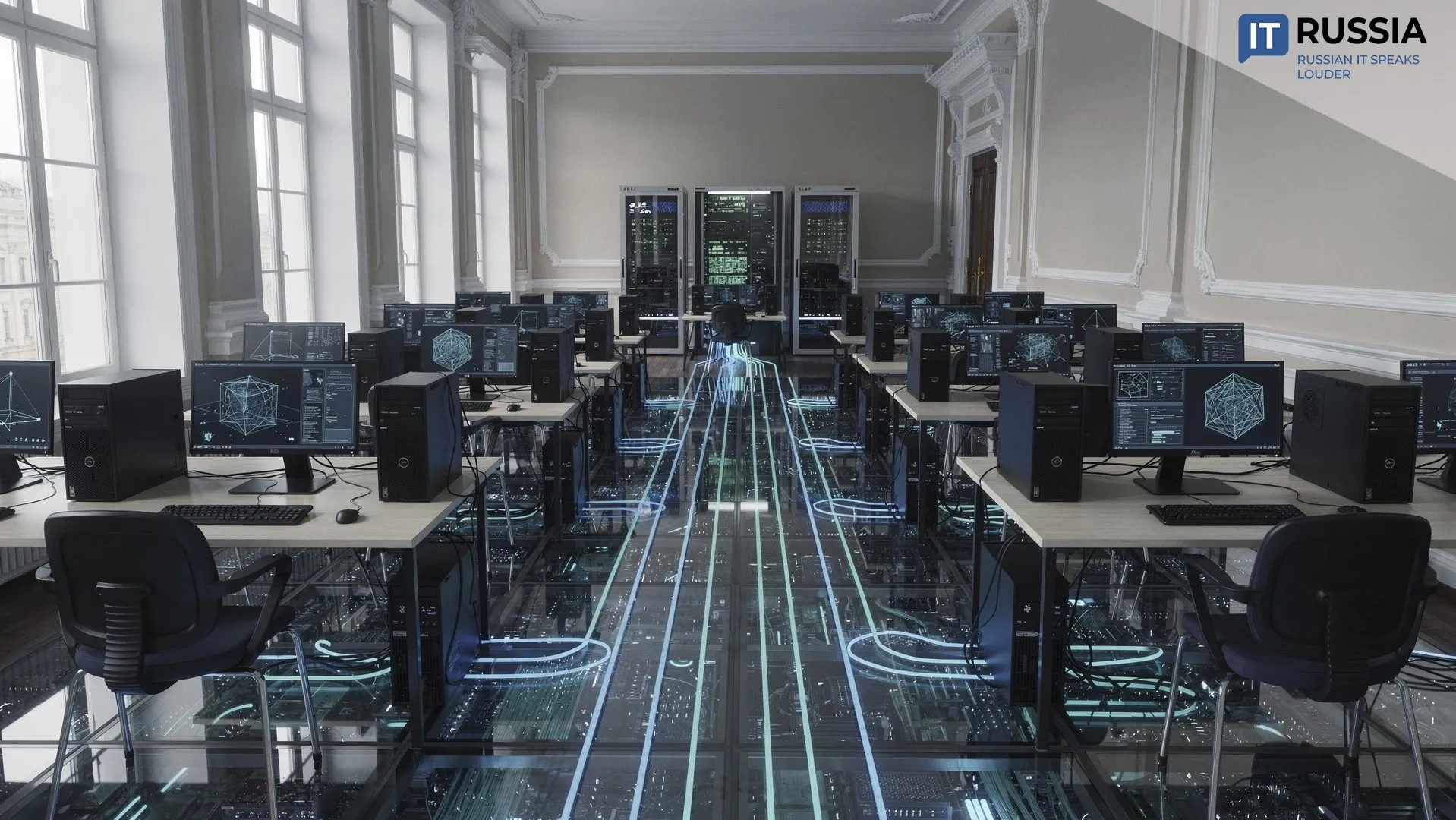
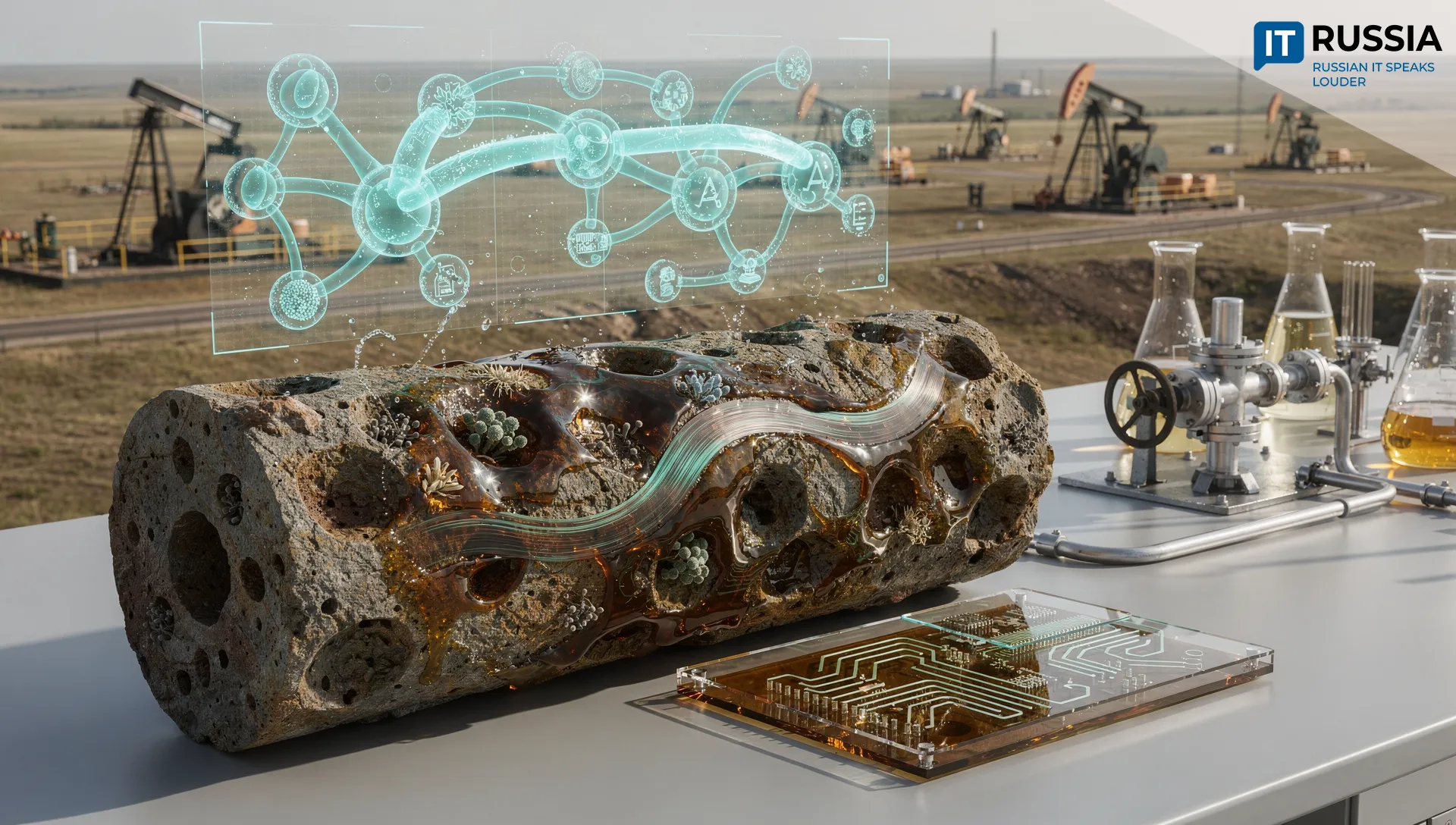
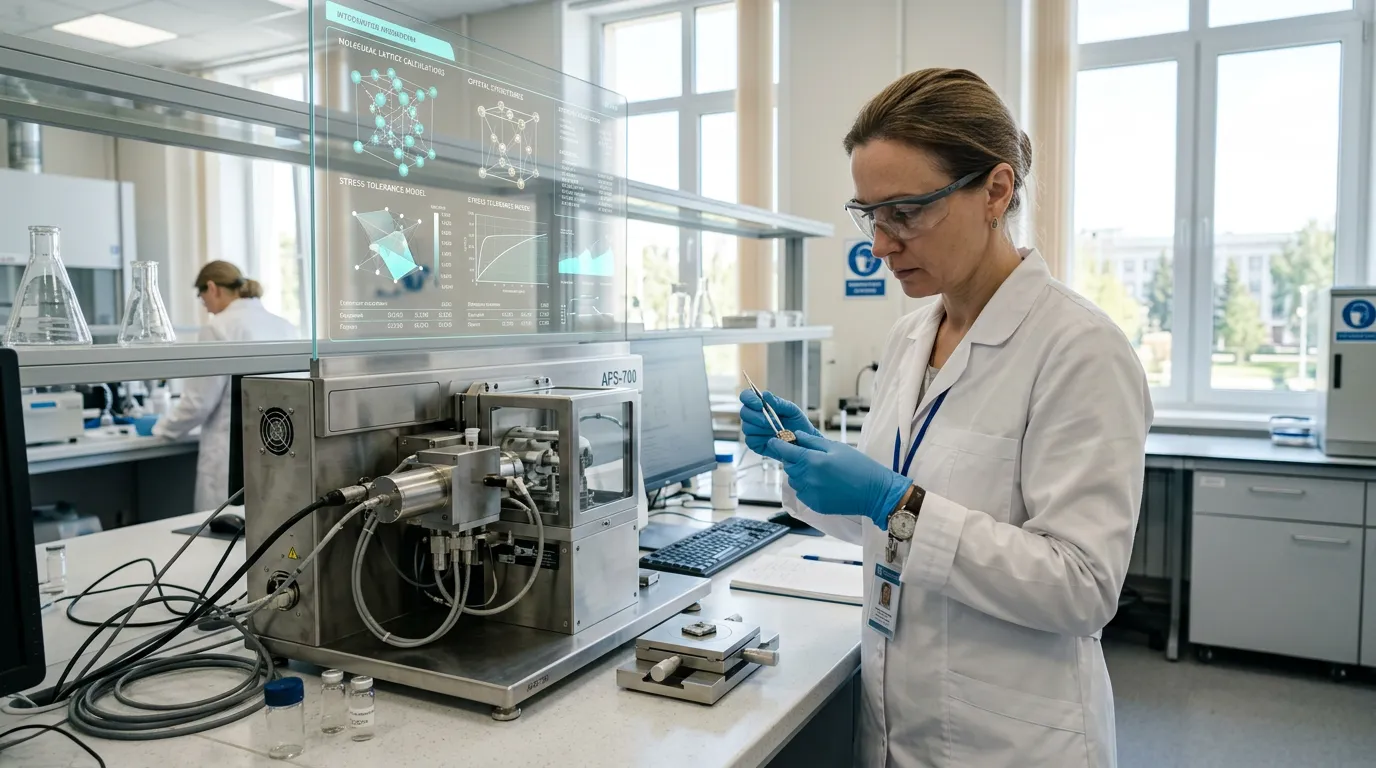
For the BREST and VVER-SKD reactors, the system analyzed about 250,000 alloying combinations, assessed the thermodynamic stability of phases, and predicted how the crystal lattice would behave at extreme temperatures. The algorithm ultimately produced a shortlist of compositions for final validation.
Shortening Development Timelines
Using this analysis before physical experiments gives nuclear reactor developers a major time advantage. Selecting an optimal composition through conventional methods would take several years of painstaking work. Artificial intelligence completed the same task in just two weeks.
Generation IV reactors require fundamentally new materials capable of operating in aggressive environments at temperatures above 500°C. Rapidly identifying suitable alloys allows nuclear scientists to design the reactor vessel while simultaneously producing experimental fuel batches.
Digital models also substantially reduce the cost of research and development. Companies can avoid spending money on rare metals needed to synthesize samples that are unlikely to prove viable. The resources saved can instead be directed toward in-depth testing of the compositions the neural network identifies as the most viable. This approach is establishing a fundamentally new model for materials science.
Alloys for the Energy Systems of the Future
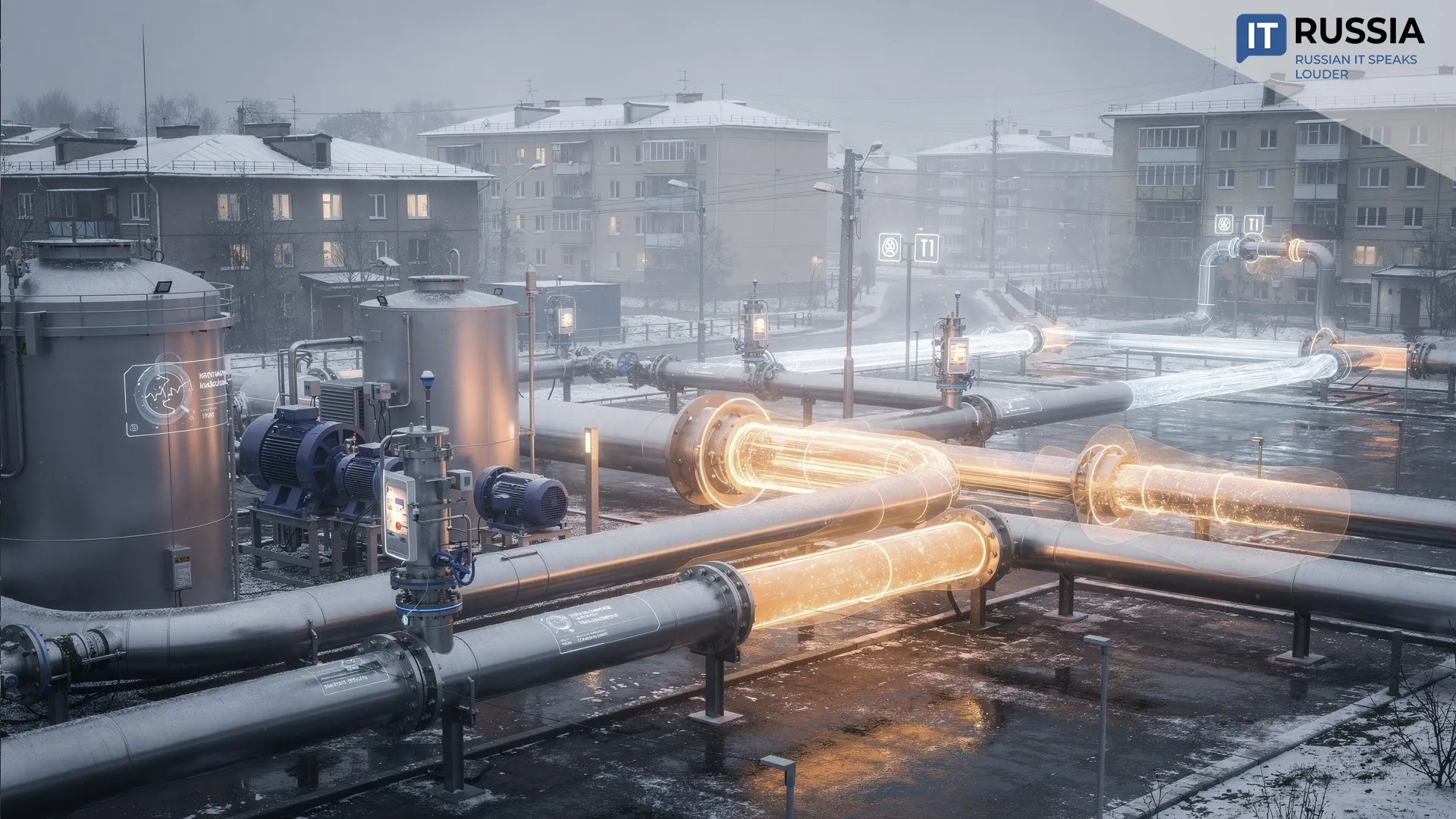
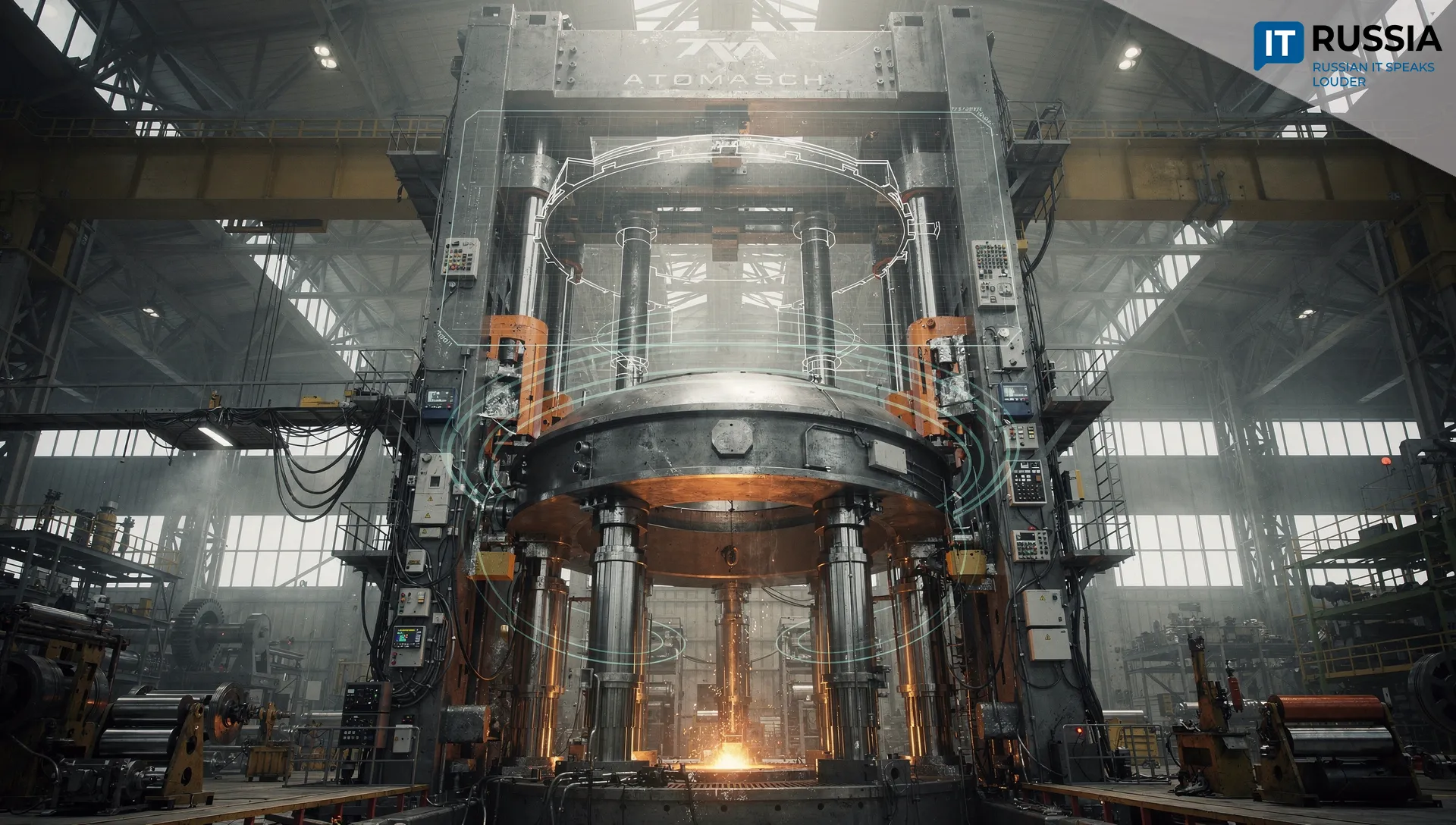
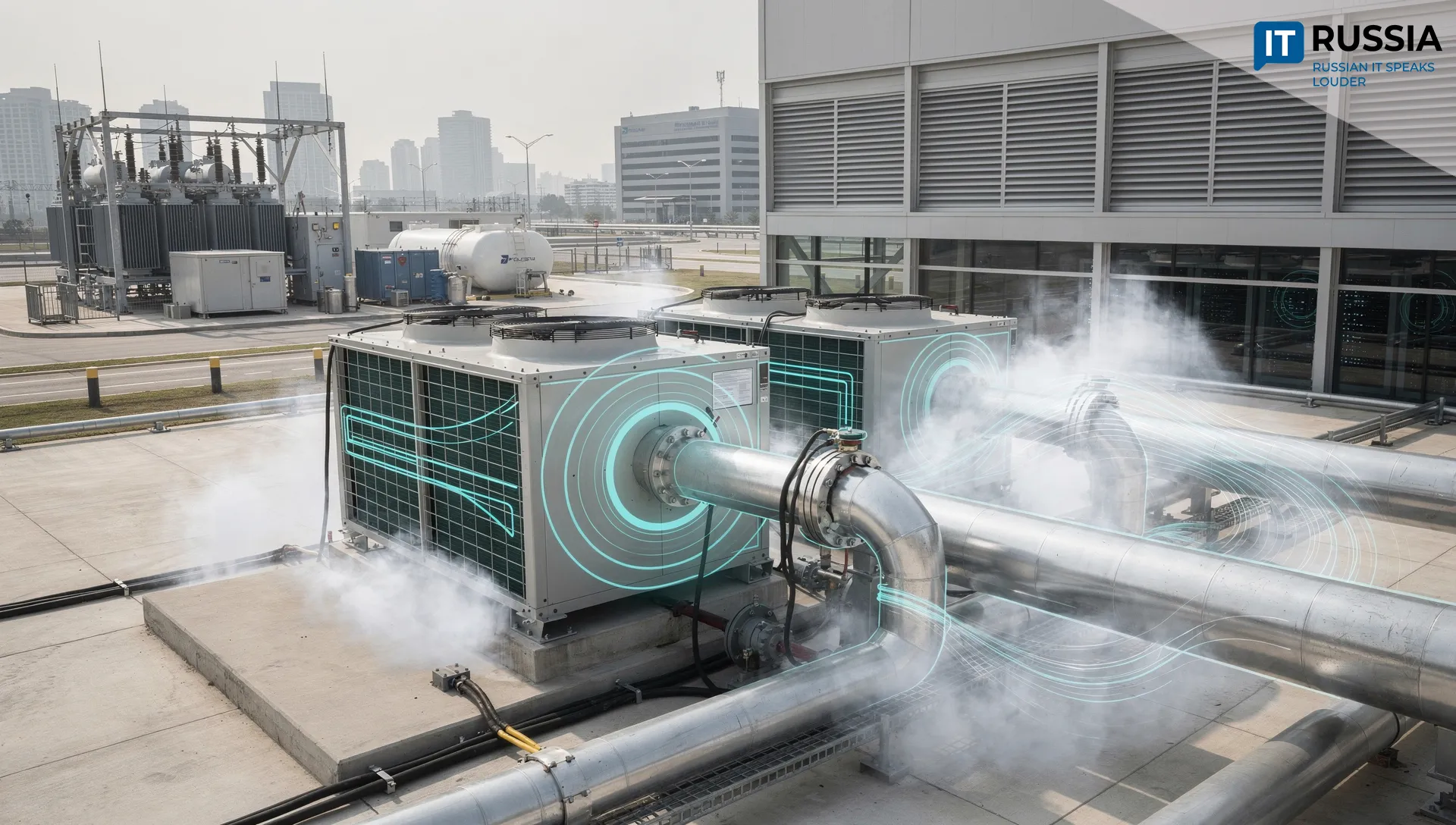
The materials now being developed with the help of neural networks are critical to strategic projects in the nuclear industry. The BREST-OD-300 reactor uses lead as its coolant and requires alloys that can withstand corrosion in molten heavy metals. VVER-SKD operates with water at supercritical conditions, where the combination of high pressure and temperature places extreme loads on fuel-element cladding.
Experience in selecting alloys for these reactor systems is opening the way for neural networks to be used in related fields. Algorithms are already being adapted to search for first-wall and divertor materials for prospective fusion reactors. Similar approaches are also needed to develop heat-resistant blades for next-generation aircraft engines and components for spacecraft.
Artificial intelligence is already taking over the routine screening of possible material combinations, allowing scientists to focus on interpreting results and designing engineering systems.
Automated Synthesis Complex
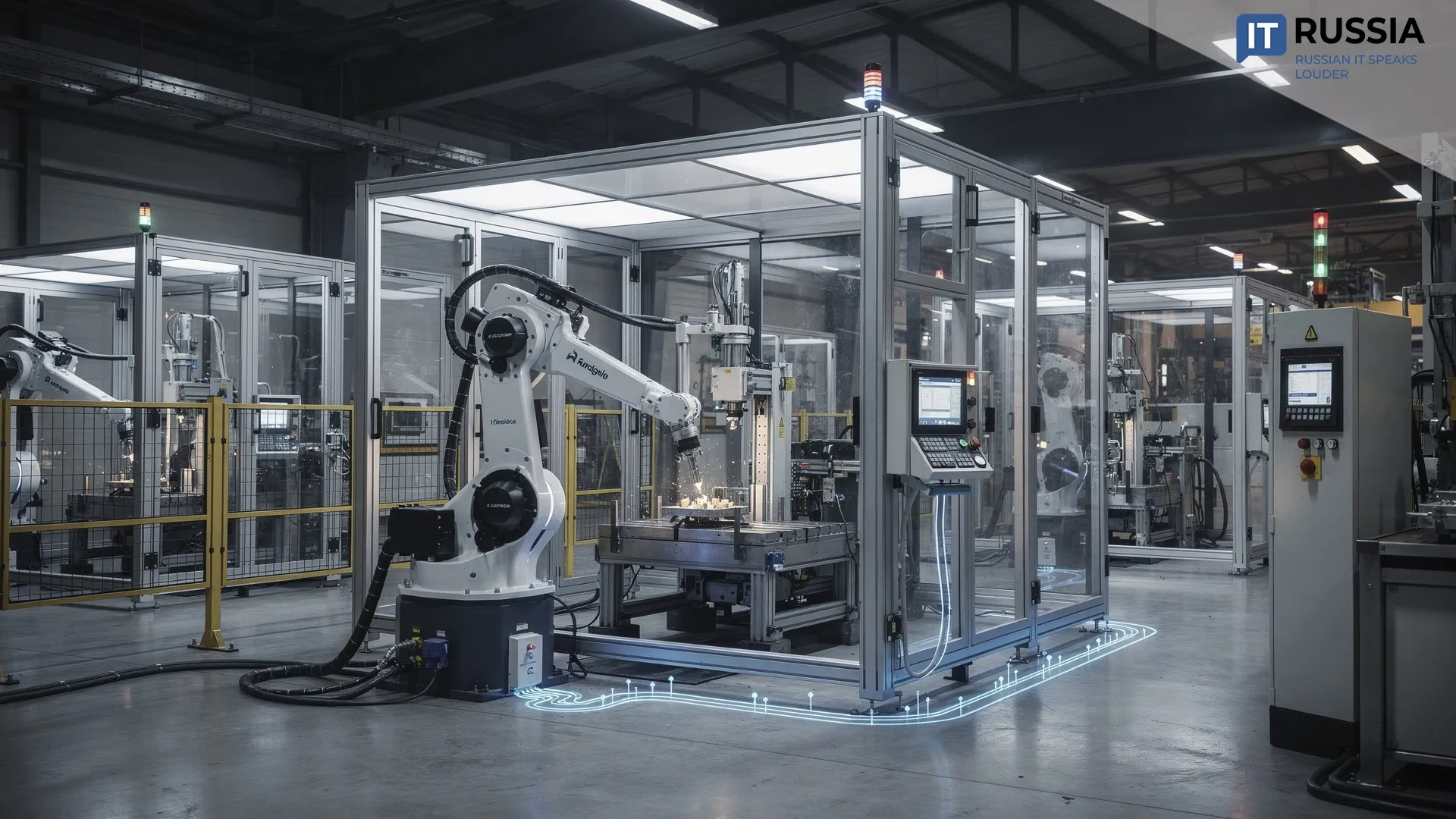
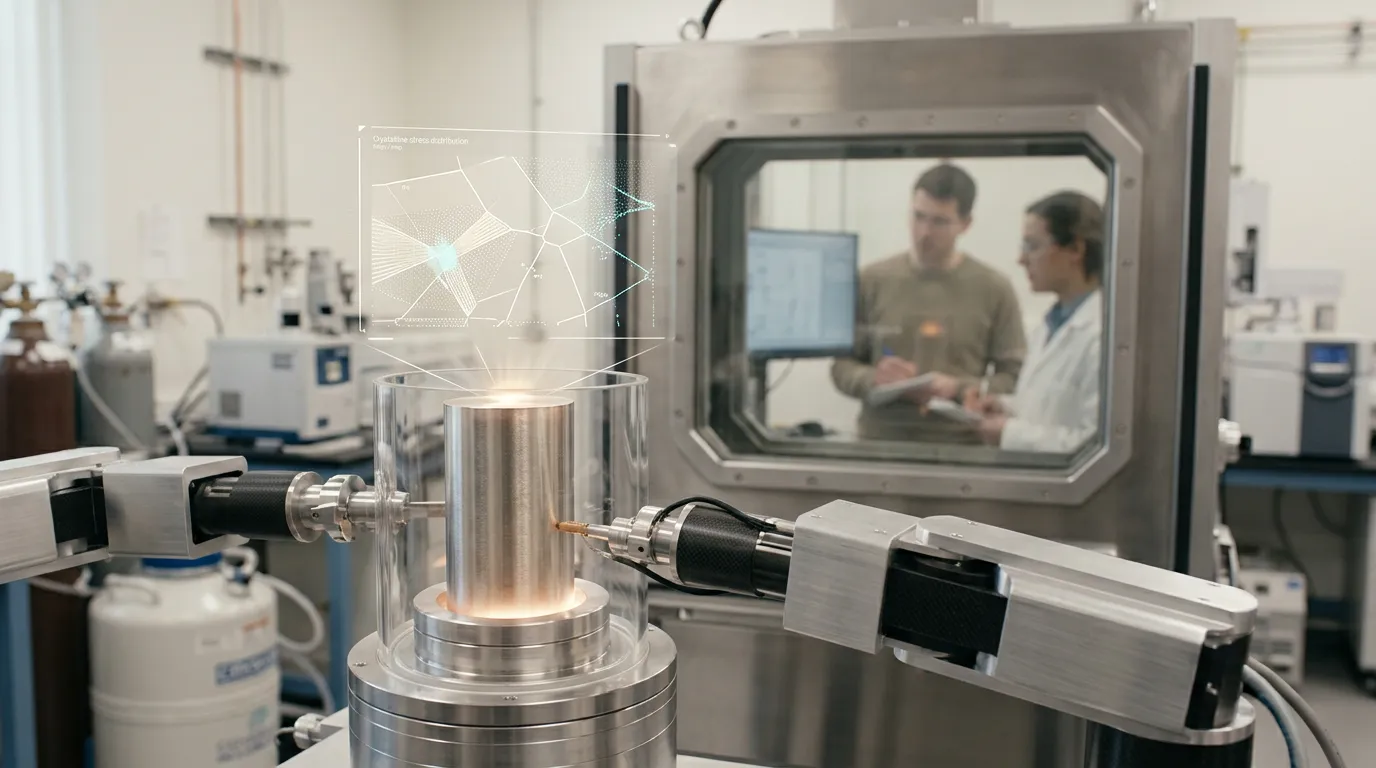
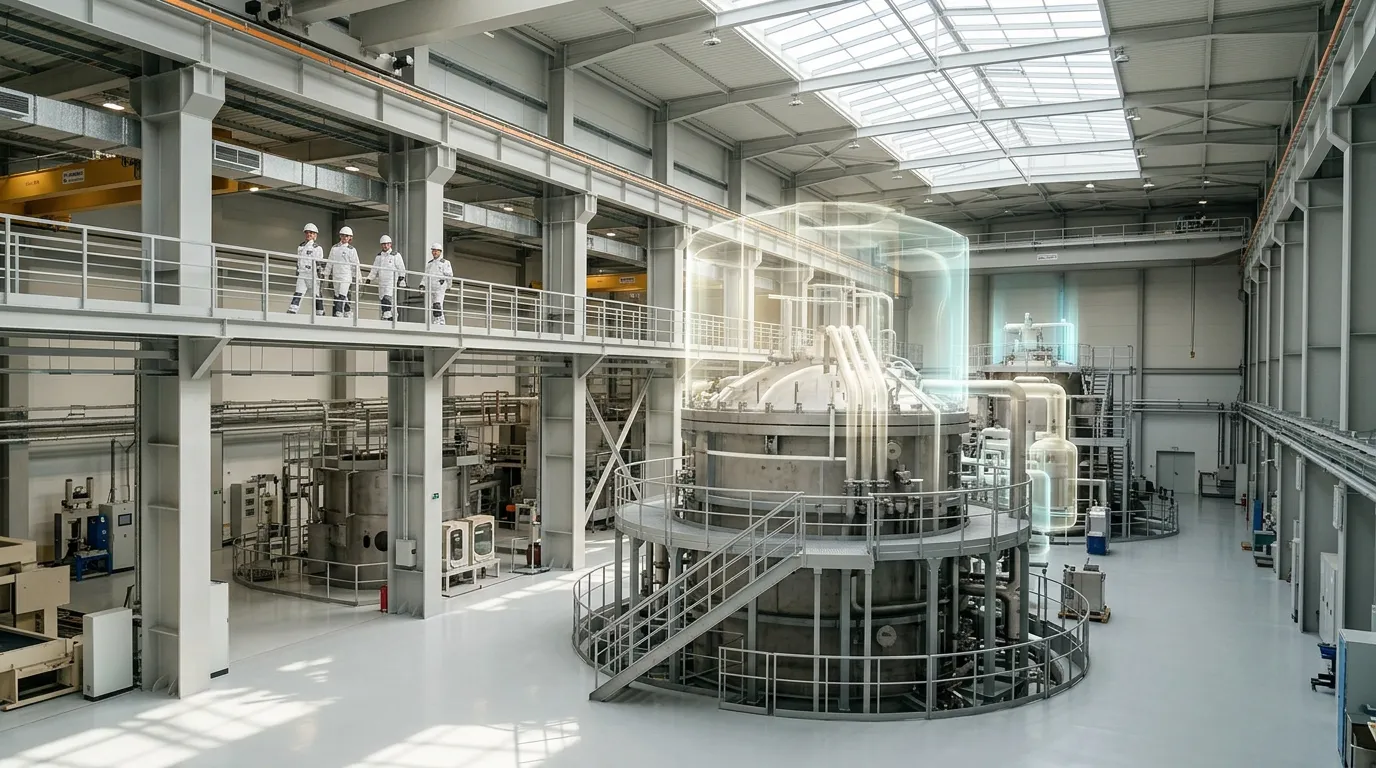
Rosatom is going beyond virtual alloy modeling and plans to close the digital loop. By the end of this year, the state nuclear corporation intends to launch a pilot automated complex for synthesizing new materials with the help of AI. Robotic laboratories will independently assemble the metal and conduct initial tests on the resulting samples.
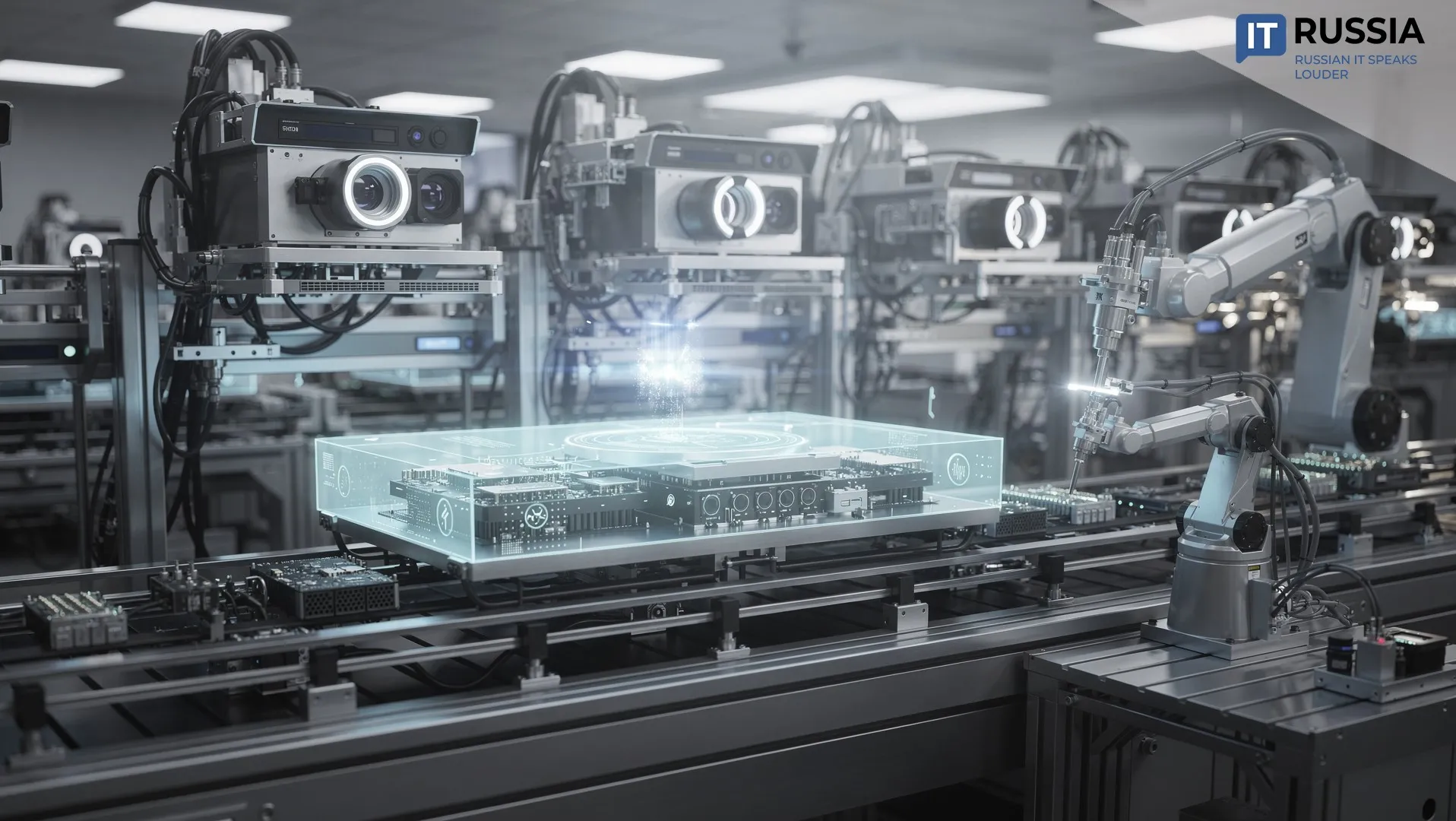
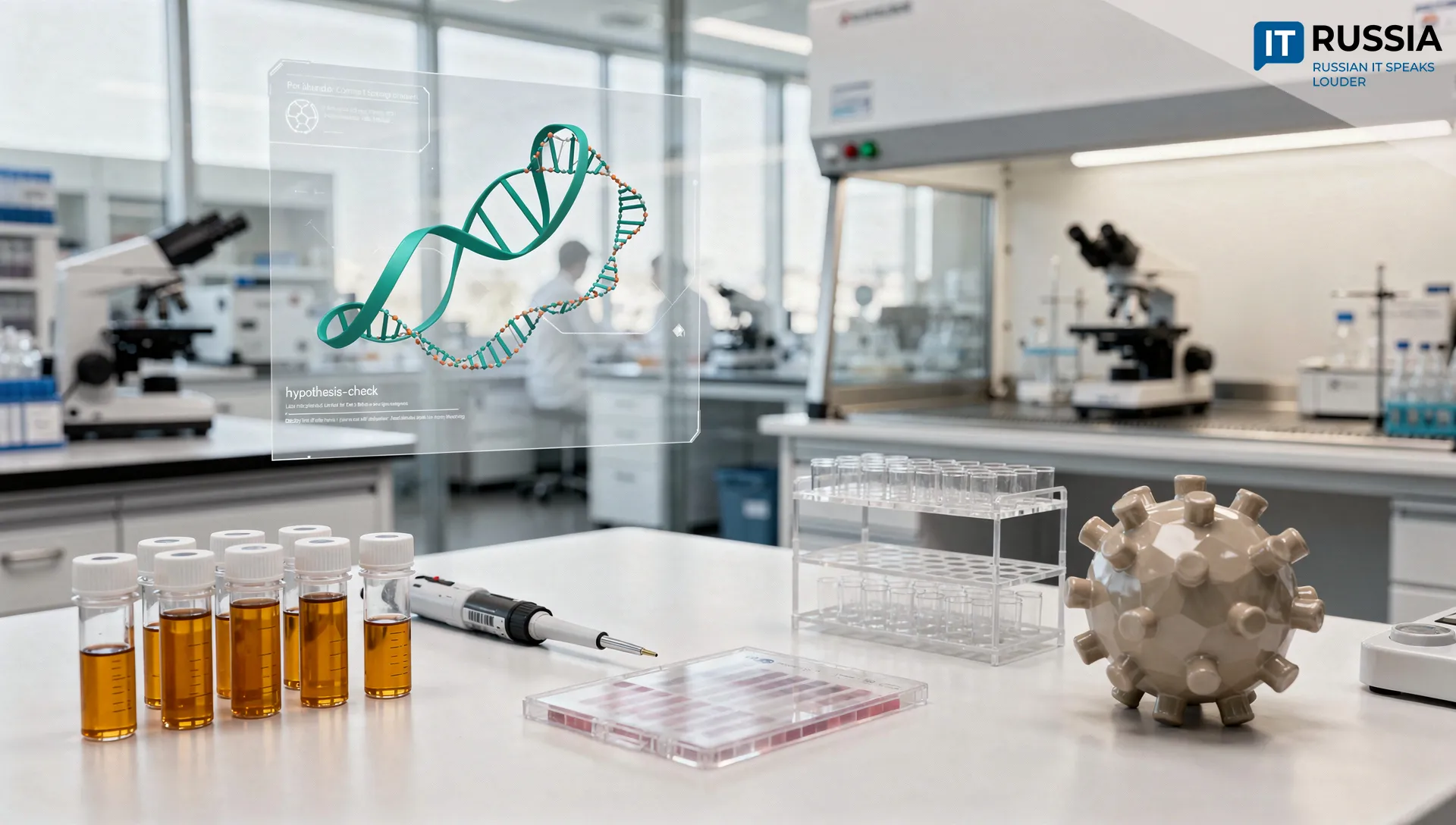
Integrating material-selection algorithms with physical production will create a fully autonomous environment. Artificial intelligence will formulate a hypothesis about an alloy's composition, while a robotic cell will immediately produce a sample and test it on a tensile-testing machine. The resulting data will automatically be fed back into the neural network to retrain the model and adjust subsequent attempts.
Such autonomous laboratories will be able to operate around the clock with almost no human involvement. This will substantially increase the throughput of research centers and make it possible to test thousands of samples per month. Creating a closed loop between generative models and physical synthesis will take Russian materials science to a fundamentally new technological level.