Digital Phenotyping to Accelerate Crop Breeding
Gazprombank, MFTI – the Moskovskiy Fiziko-Tekhnicheskiy Institut (Moscow Institute of Physics and Technology) – the Vserossiyskiy Nauchno-Issledovatelskiy Institut Selskokhozyaystvennoy Biotekhnologii (All-Russian Research Institute of Agricultural Biotechnology), and KlimBioTech will jointly develop technologies for digital plant phenotyping.
The announcement followed the IV Forum Budushchikh Tekhnologiy (Future Technologies Forum) held in Moscow, which focused on the application of biotechnology in Russia’s economy. A central event of the forum was a plenary speech by Russian President Vladimir Putin, who highlighted the importance of expanding biotechnology and the broader bioeconomy.
“This year we began implementing the national project on the bioeconomy. Its principal task is to ensure sovereignty in several critical areas of this sector and, where we already have scientific and technological potential, to reach leading positions,” the president said.
Lowering the Cost of a Biological Calorie
One of the forum’s key discussions focused on technologies capable of reducing the cost of producing a biological calorie – essentially improving the economic efficiency of agriculture. This metric is increasingly viewed as a key factor shaping Russia’s long-term competitiveness in global food production. Representatives of leading universities and research centers outlined several strategies for increasing agricultural productivity, including expanding genetic data resources, applying artificial intelligence and quantum computing to agricultural science, and advancing agricultural chemistry.
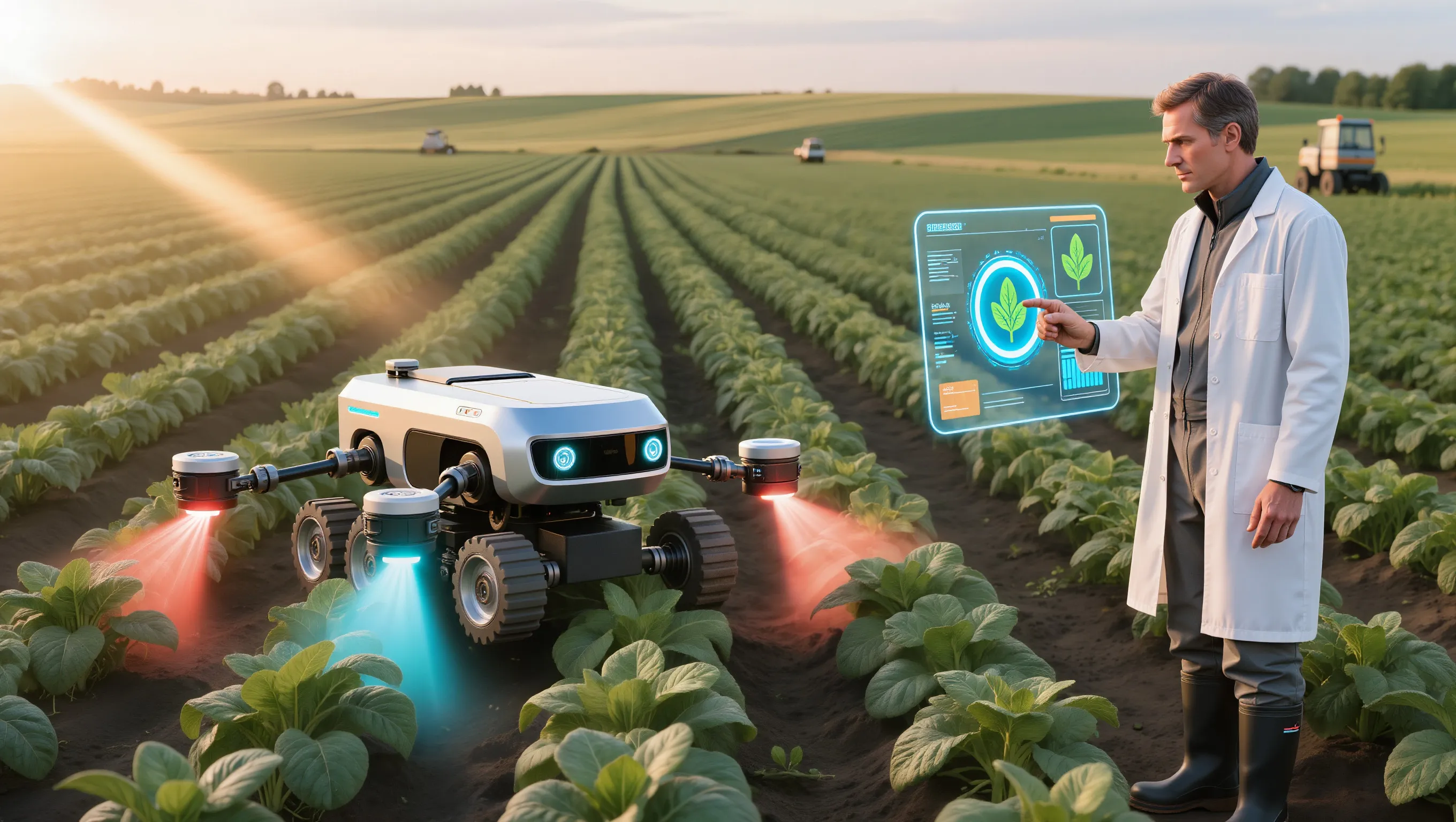
During the forum, Gazprombank Deputy Chairman Dmitry Zauers, MFTI rector Dmitry Livanov, VNIISB director Gennady Karlov, and KlimBioTech chief executive Darya Freimans signed a cooperation agreement in agricultural biotechnology. The partners plan to jointly develop scientific research programs and deploy high-throughput digital phenotyping technologies across Russia’s agro-industrial sector.


Digital Transformation of Crop Breeding
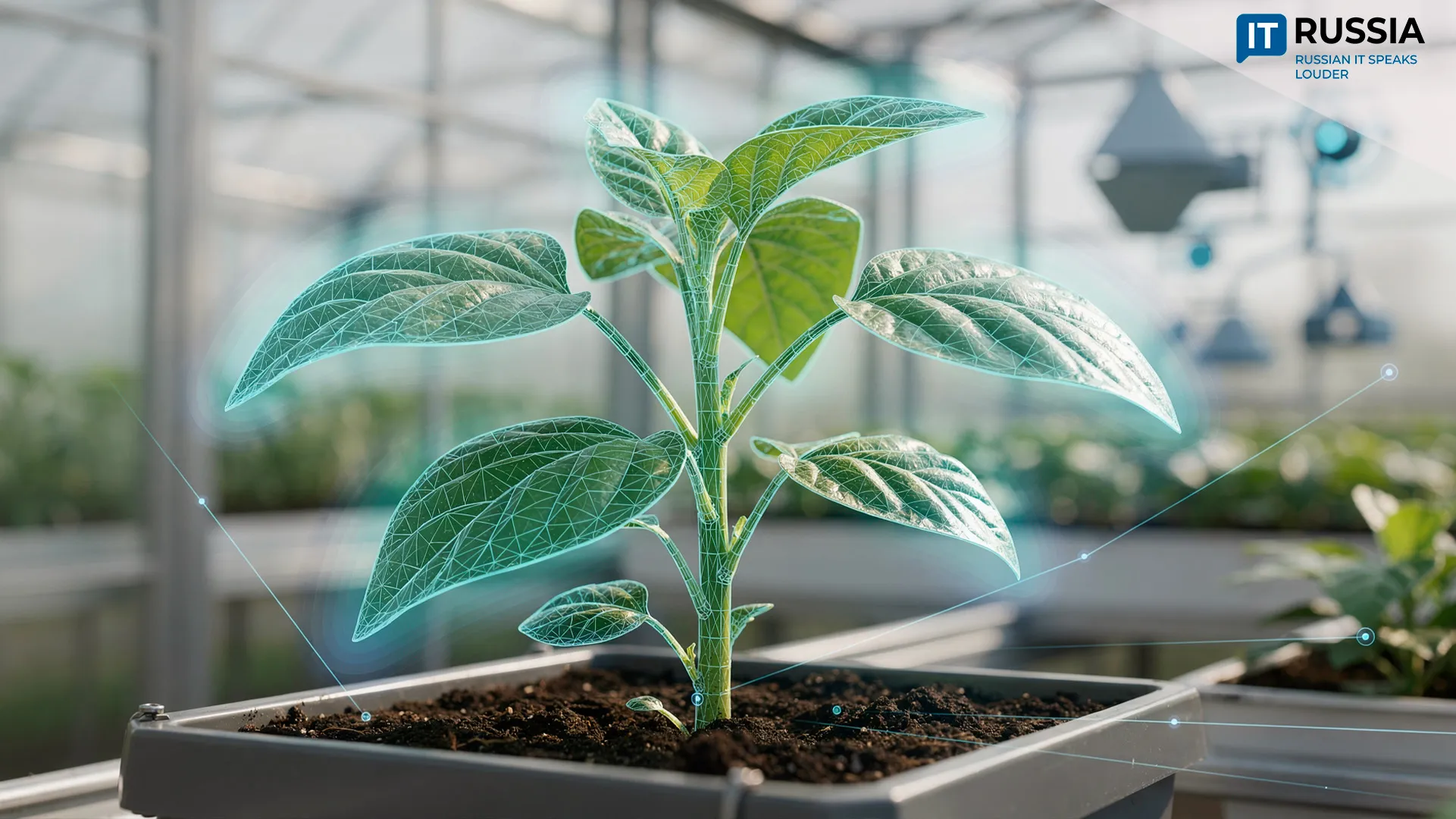
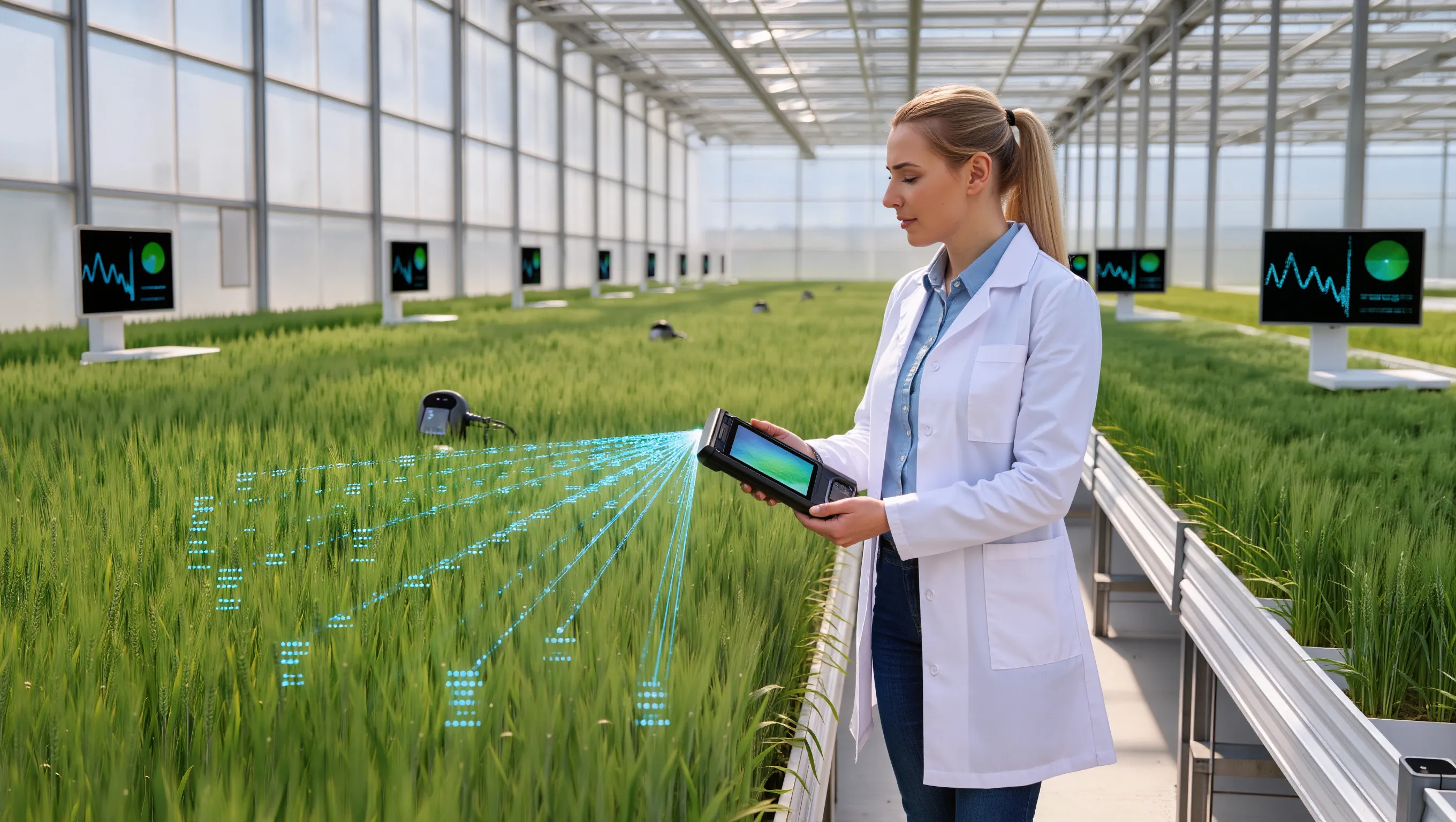
High-throughput digital phenotyping is becoming an important element of Russia’s emerging bioeconomy technology chain. Phenotyping refers to analysing the physical and biochemical characteristics of plants in order to understand how they grow and respond to environmental changes. The process allows scientists to measure both visible traits and deeper biological indicators that shape the growth and development of crop varieties and hybrids.
The technology has become an essential tool in modern breeding programs. It enables researchers to identify plants with desirable traits more accurately and to develop new breeding lines. Digital phenotyping also allows scientists to design crop varieties with predefined characteristics.
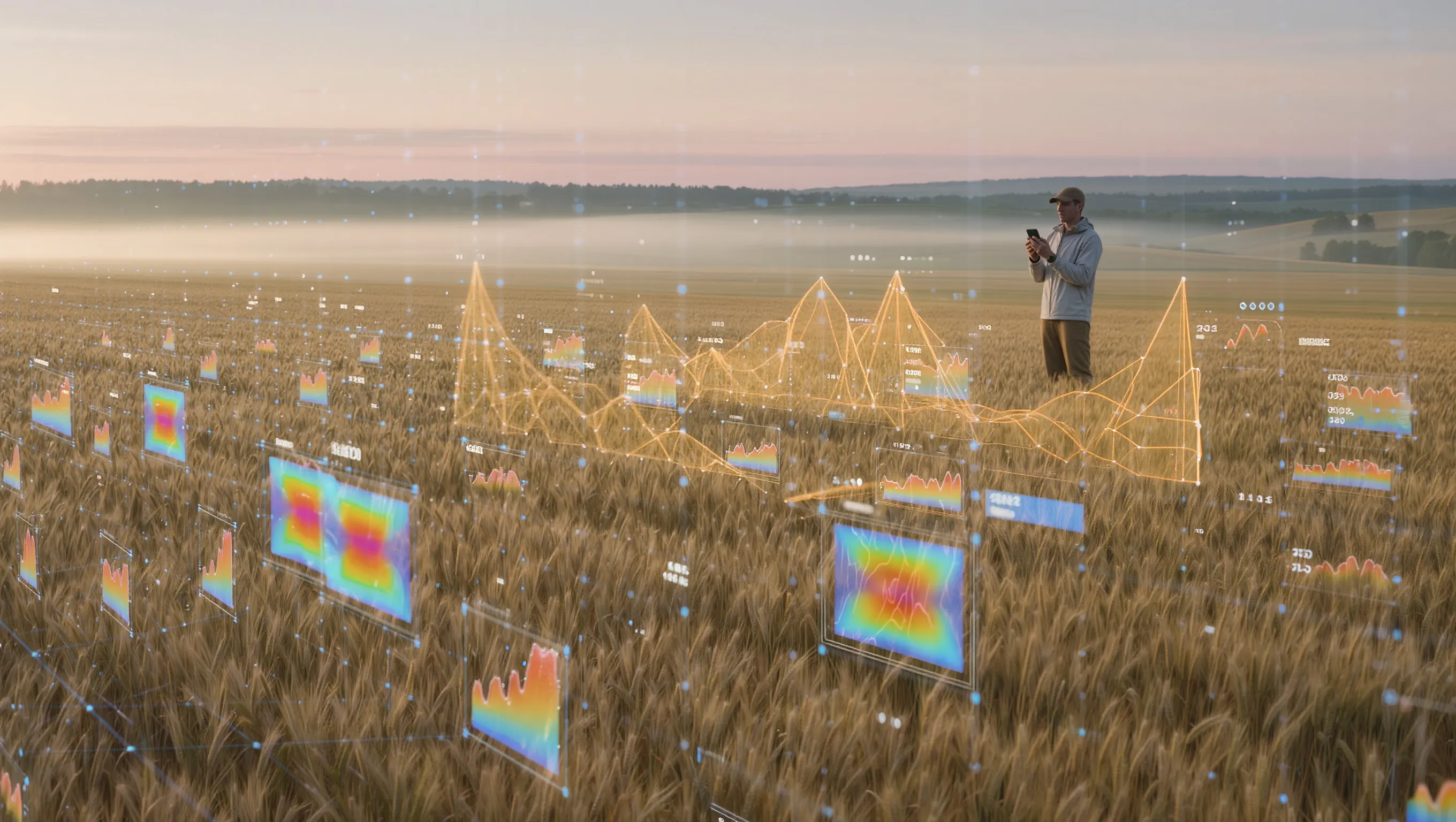
Technologies such as digital image analysis, hyperspectral imaging, 3D modelling and digital twins of plant samples, together with computer vision algorithms, enable researchers to build predictive models of crop growth and yield. The use of digital climate chambers and automated measurement systems significantly accelerates the development of new varieties.
Digital tools are therefore becoming a daily working instrument for breeders, complementing traditional selection techniques and improving the precision of evaluating breeding material.
Seven Harvests Per Year
These technologies are already being introduced into Russian crop breeding programs. Scientists from Shchyolkovo Agrokhim, working together with KlimBioTech, have developed a smart breeding complex capable of producing up to seven harvest cycles per year. The facility is designed to enable rapid breeding methods, faster testing of new plant lines and quicker implementation of new scientific developments.
Researchers at the Timiryazev Agricultural Academy have also announced the completion of the first stage of a digital predictive breeding platform. The system is expected to accelerate the development of new crop varieties and allow researchers to forecast their characteristics in advance.
The development of digital phenotyping technologies is expected to support new startups and scientific initiatives focused on creating improved plant lines. Russia will gain a technological foundation for national programs in digital breeding, while agritech companies will be able to assess the efficiency of breeding projects more accurately.
A key strategic goal is ensuring that Russia’s agricultural sector becomes self-sufficient and less dependent on imported seeds. Speaking at the national conference Sovremennye Napravleniya Razvitiya Agrarnogo Obrazovaniya i Nauki (Modern Directions for the Development of Agricultural Education and Science), held on 12–13 September 2025 at Stavropol State Agrarian University, Agriculture Minister Oksana Lut noted that by 2030 the country aims to reach 75% self-sufficiency in seeds for major crops.
Breeding technologies – including digital phenotyping – could also become an export product. As global demographic pressures grow, these tools may be particularly attractive for countries in Central Asia, the Middle East and Africa, where rapidly expanding populations require improved agricultural productivity. Digital breeding platforms can help accelerate the development of crop varieties adapted to local climate conditions.