Future Construction to Feature Spider Robots and Self-Healing Buildings, Experts Say
Experts say buildings of the future will repair themselves and adapt to climate conditions and emergencies.
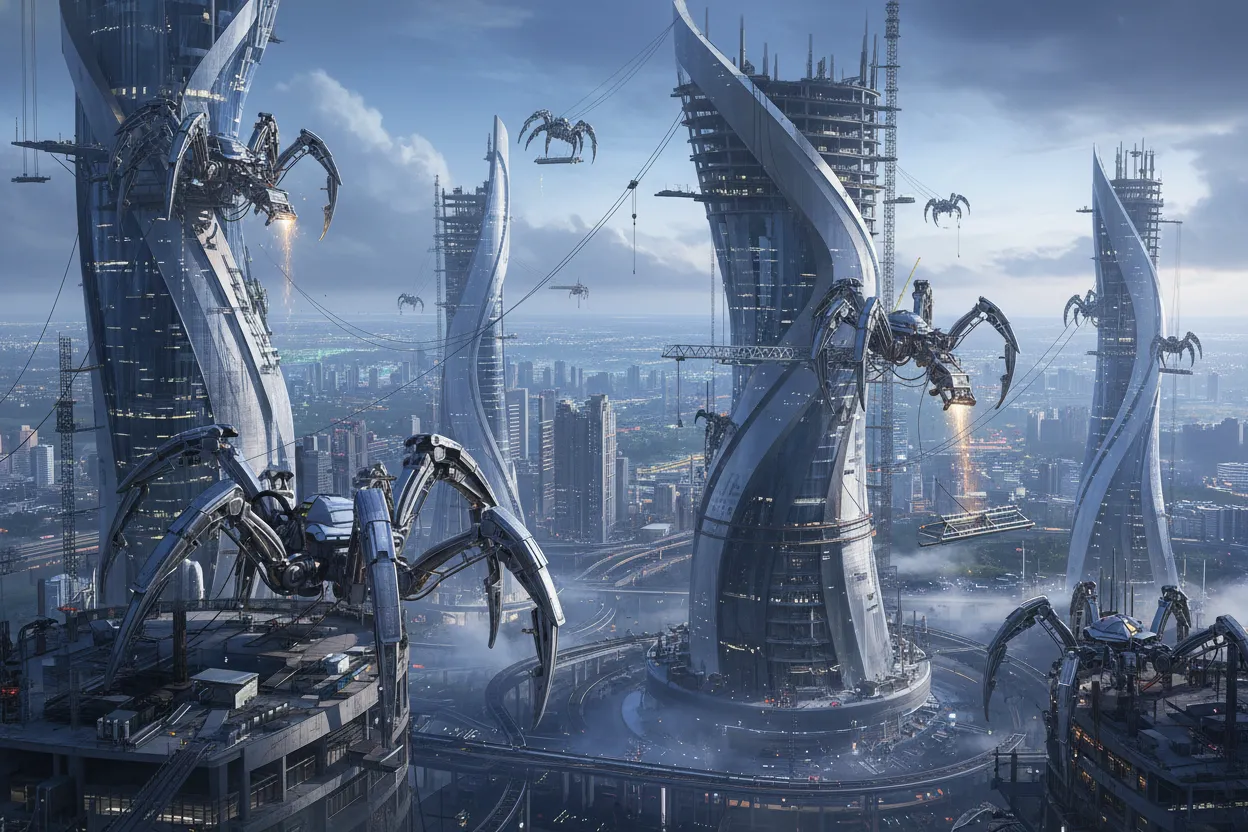
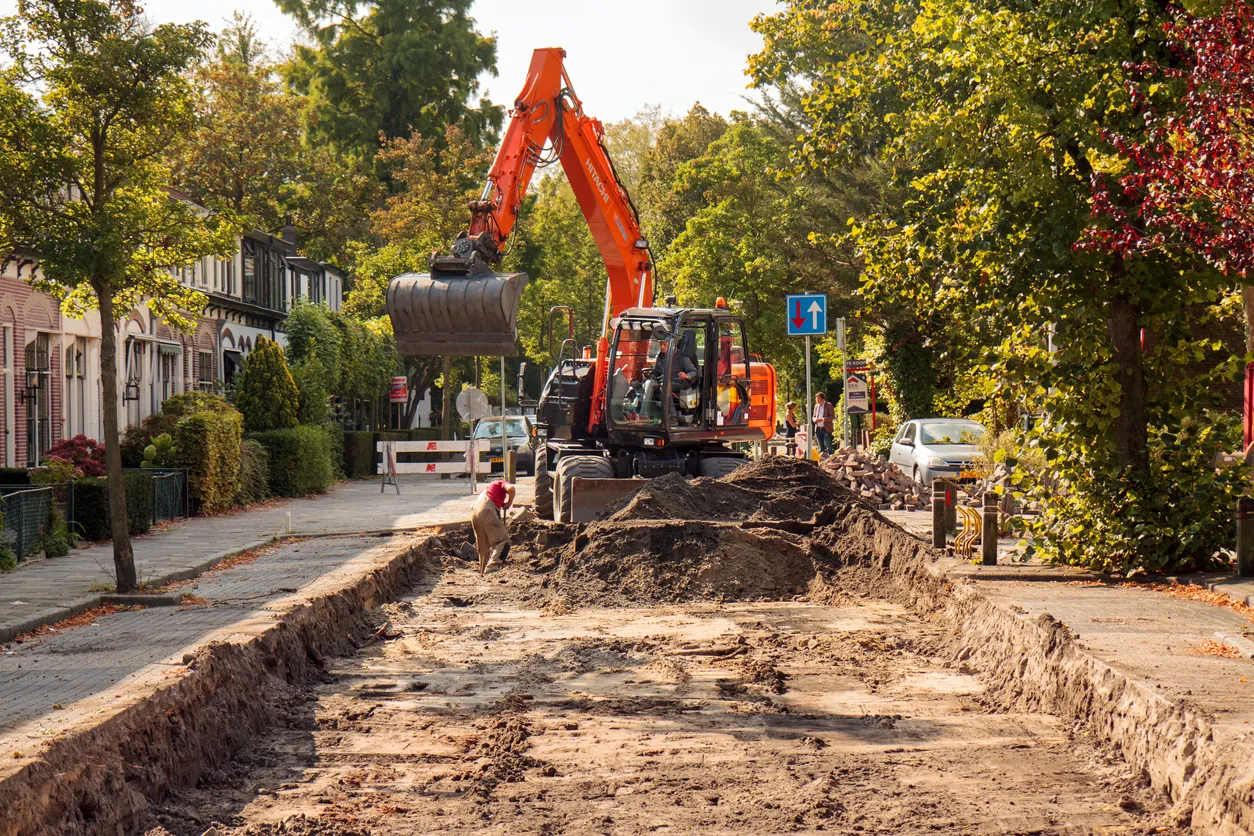
Within the next 30 to 50 years, construction could be carried out by drone robots, while buildings themselves will adapt to individual lifestyles using neural networks and 3D printing. Tower cranes and hard hats may become museum artifacts, and cement could evolve into a smart material—functioning like a sensory tissue with shape memory and self-diagnostic capabilities, experts told RIA Nedvizhimost.
Spider Drones Instead of Tower Cranes
Architects and construction specialists believe the next 50 years will fundamentally reshape how buildings are designed. Instead of working with blueprints, architects will write algorithms that define how structures grow.
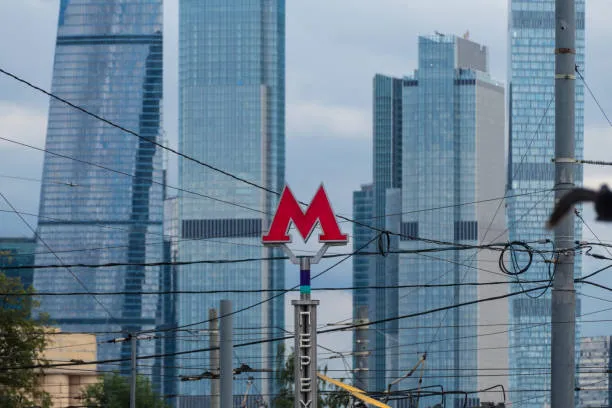
According to Ilya Levyant, a partner at ABD architects, megacities will continue to build upward, with buildings becoming increasingly multifunctional. A single tower could combine housing, offices, laboratories, and schools. Human input will focus on setting parameters—such as occupancy, budget, and environmental standards—while artificial intelligence determines optimal forms based on wind patterns and lighting, said Anton Solon, executive director of the National Association of Construction Materials Producers.
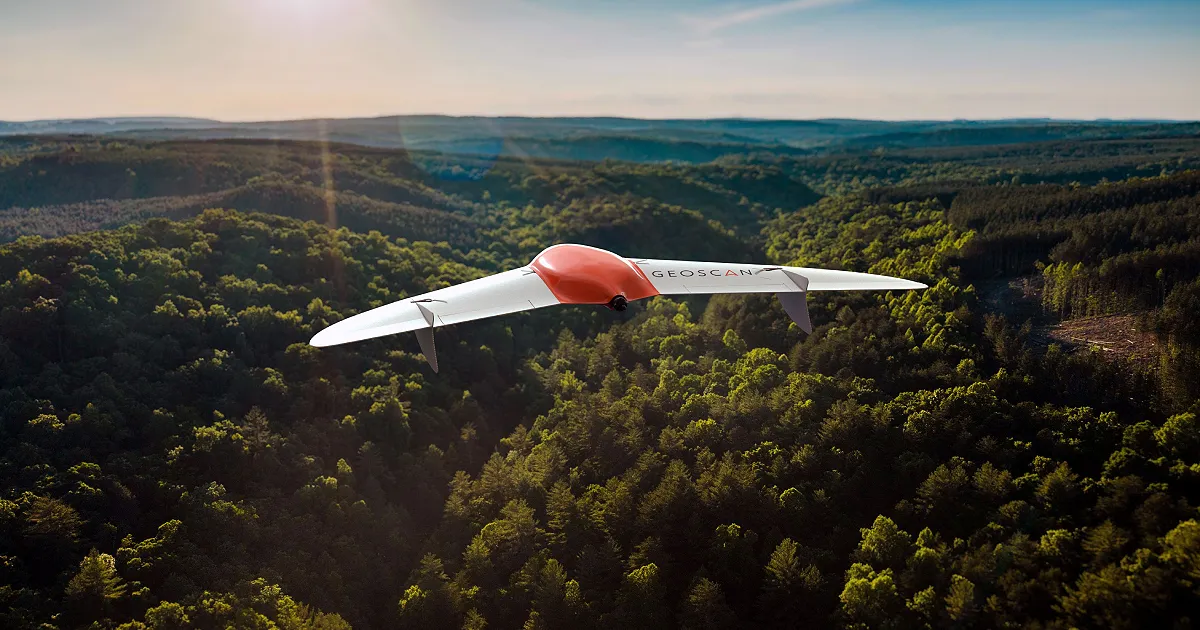
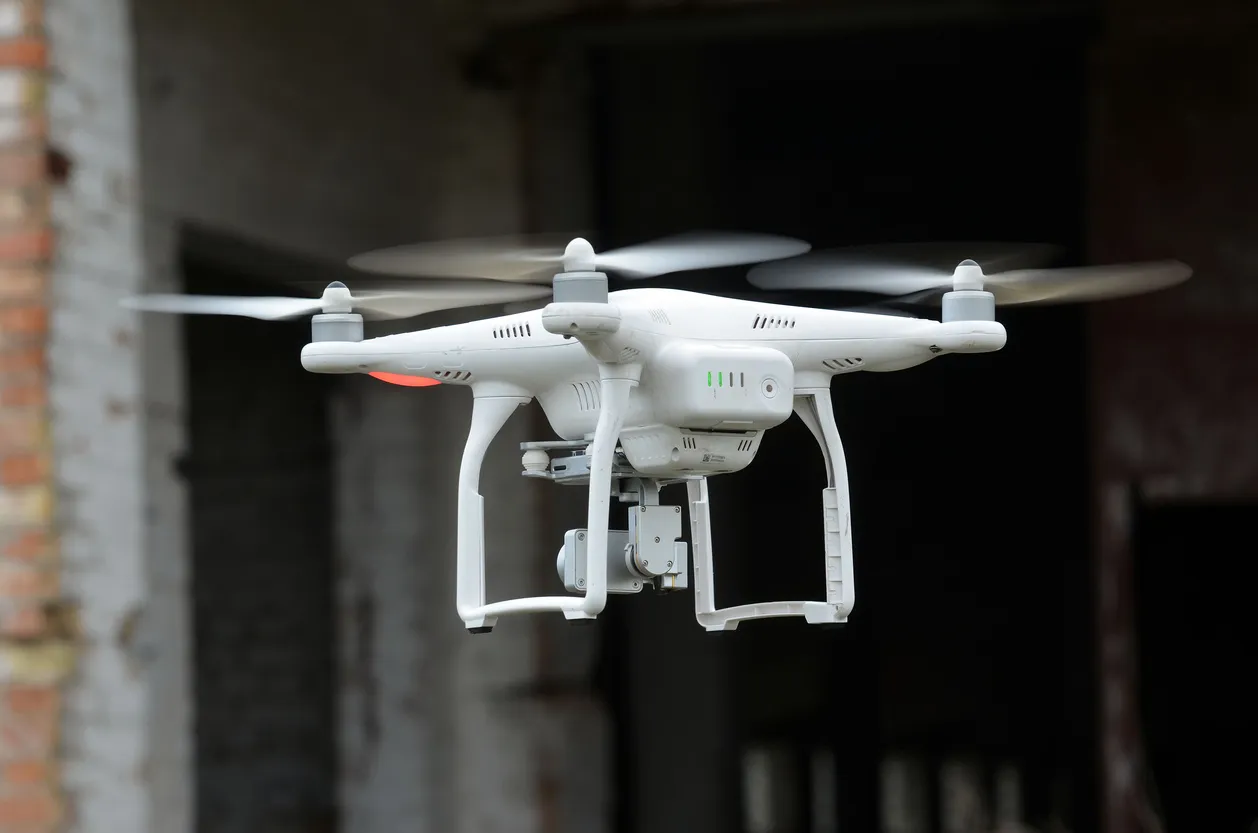
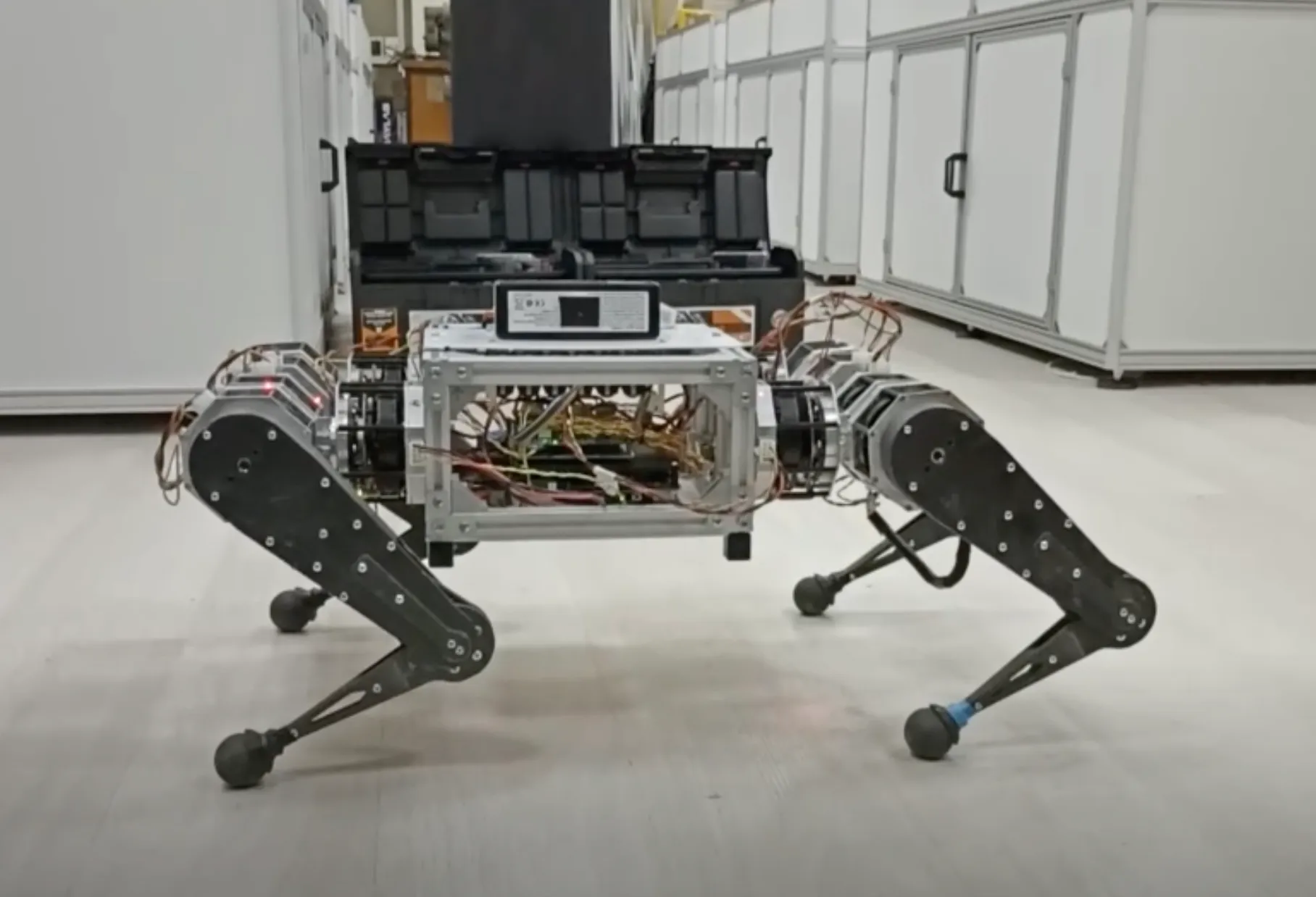
Construction technology will also become lighter and more precise. Heavy machinery will be replaced by small spider-like drones: some will weave carbon-fiber frameworks, while others will spray insulation layers. High-rise buildings could be constructed in just days, without human involvement in hazardous areas.
Experts also suggest that engineers may effectively overcome gravity. Specialized anti-gravity nodes within structures could enable kilometer-high buildings without massive columns. Interior spaces will become dynamic, with partitions transforming into robotic modules operating on magnetic levitation. Spaces could be opened during the day and reconfigured into bedrooms at night.
Olga Ospennikova, executive director of the Association for the Development of Additive Technologies (ARAT), believes 3D printing will eliminate right angles in architecture. Robotic systems will enable wave-like facades and apartments optimized for acoustics and ergonomics.
Cement Will Stay—but Get Smarter
Cement is expected to remain the core building material, as no better alternative has emerged. However, it will become more advanced—effectively turning into a sensor-rich material embedded with monitoring capabilities. Buildings will perform self-diagnostics, and when cracks appear, embedded capsules containing bacteria or polymers will activate to fill gaps.
In the longer term, experts predict a shift toward biotechnology. Instead of being demolished, outdated buildings could undergo controlled biodegradation.
Looking further ahead—about 150 years—structures may move beyond static forms. In extreme conditions such as hurricanes, buildings could adapt dynamically, becoming either highly rigid or highly flexible as needed.
The overarching trend is a shift from heavy construction to programmable environments. Humans and AI will increasingly design spaces that evolve, age, and renew alongside their occupants.
Earlier, we reported that Tsifrovoy upravlenets (Digital Manager) will oversee construction projects in Russia.