Ambulance Services in Russia Switch to Domestic Software
USSMP (Unified Emergency Medical System Management System) ensures reliability and compliance for critical infrastructure
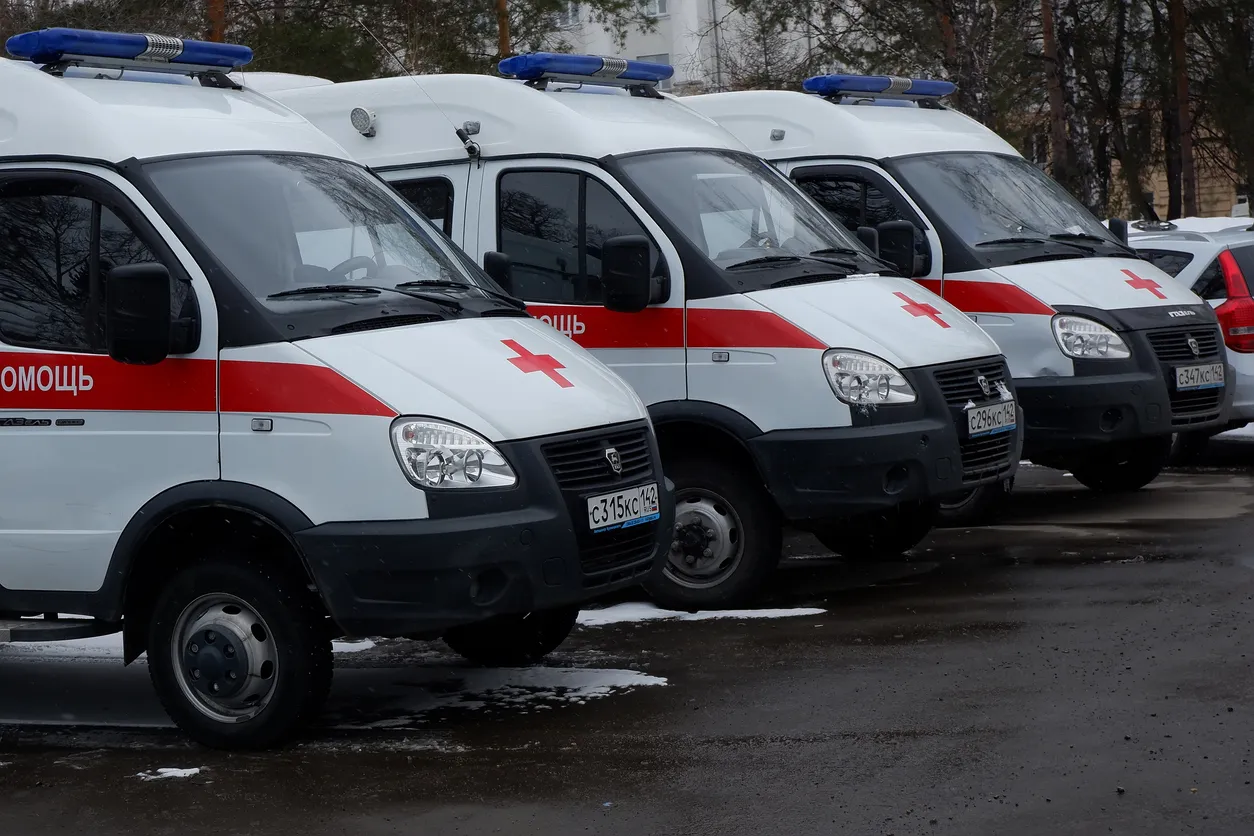
State ambulance services across Russia are transitioning to domestic software, according to IT company Kompleksnaya avtomatizatsiya biznesa (Comprehensive Business Automation). The company said it has completed the migration of internal processes and automated systems in medical organizations to Russian platforms. All equipment now complies with critical infrastructure requirements and is designed to ensure maximum reliability.
The ASU USSMP (Unified Emergency Medical System Management System) is already operating in 19 regions. It is built on the 1C platform using a three-tier architecture consisting of a client, an application server cluster, and a Postgres Pro database. According to developers, this setup delivers high fault tolerance, performance, and scalability, which are especially important for public-sector services.
Mobile App for Medical Teams
According to Stanislav Zhironkin, product director at Kompleksnaya avtomatizatsiya biznesa, the system can process more than 3,000 requests per day.
AI Integration Planned
The system has also been integrated with digital telephony to speed up emergency response. In the near future, ASU USSMP will be equipped with artificial intelligence features. Pilot testing of the module has already begun. It processes around 2,500 emergency calls daily, with each handled in no more than 35 seconds.