MIPT Scientists Teach Robots to Navigate in Low Visibility
Un-ViTAStereo system accurately measures distance to objects without costly sensors
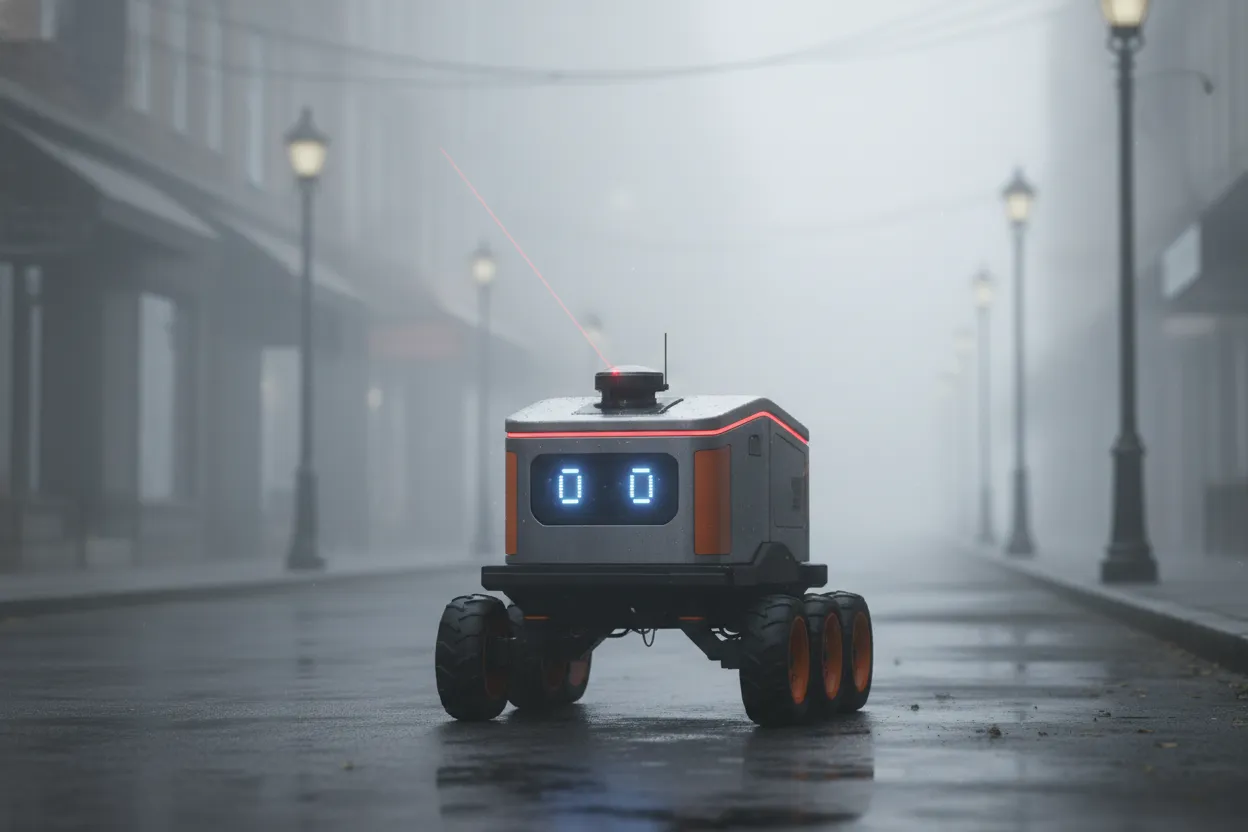
Researchers from the Moscow Institute of Physics and Technology, together with international colleagues, have introduced a new computer vision system called Un-ViTAStereo. The technology accurately estimates distances to objects without relying on expensive LiDAR sensors or manually labeled datasets, which are time-consuming to produce.
Fog, Foliage, and Flat Surfaces
The new neural network performs well in challenging scenarios where traditional systems struggle — such as fog, dense foliage, or uniform surfaces like smooth walls. The system can be applied in autonomous driving and navigation for autonomous robots.
The developers used a specialized “teacher” model — Depth Anything V2 — to guide the neural network. When analyzing camera images, it does not calculate absolute distances but reliably determines relative spatial relationships, taking into account lighting conditions and scene geometry. The training process uses only the data that aligns with the teacher model’s predictions, improving overall accuracy.
Human Vision Principle
Such systems are based on the principle of human vision. Two cameras act as eyes, while neural networks function as a kind of brain that reconstructs a 3D representation of space. Previously, this process often failed in complex environments. The traditional way to address this involved manual labeling — specifying exact distances to each object — which is not always feasible and can be costly.
According to the developers, the new technology overcomes these limitations. Robots equipped with the system will be able to navigate reliably under virtually any conditions.
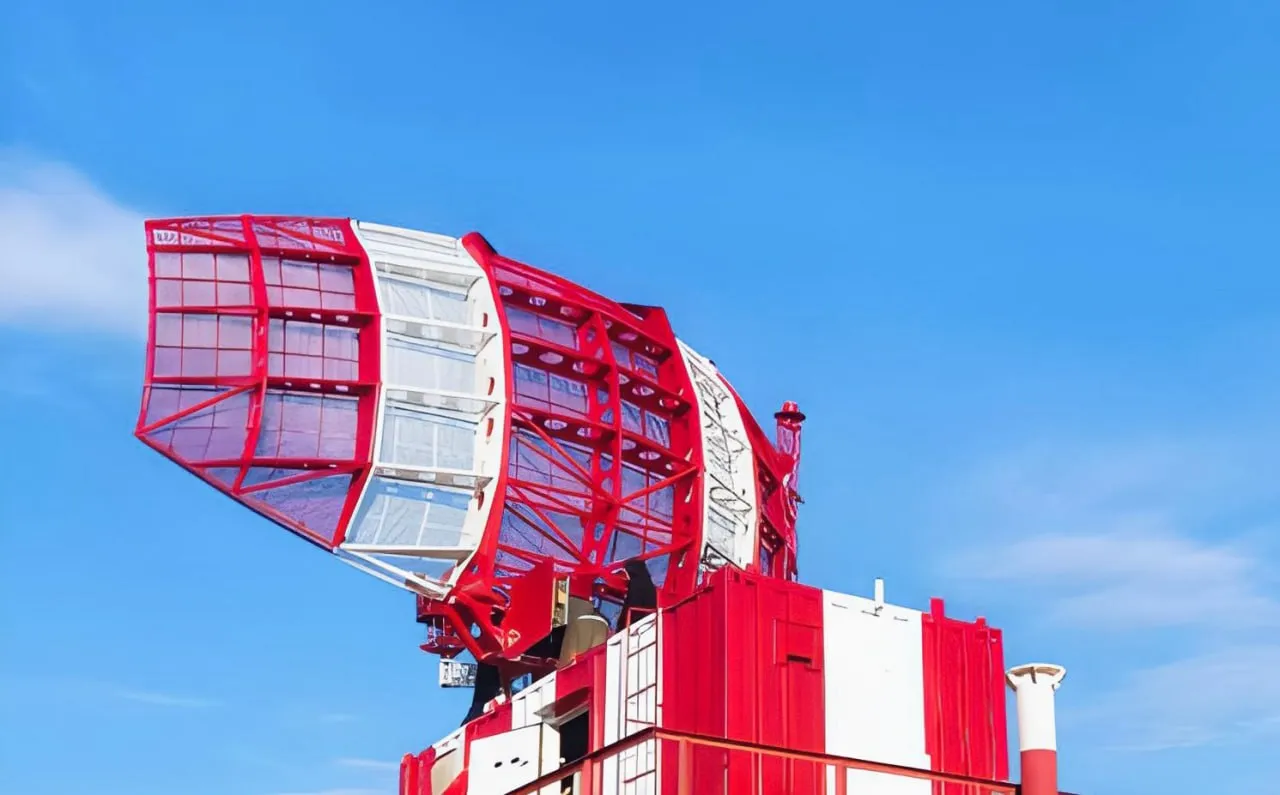
Earlier, a digital radar system deployed in the Kuril Islands demonstrated the ability to track aircraft even through dense fog.