Novosibirsk Scientists Develop Platform to Predict Equipment Failures
A new system is designed to assess reliability and forecast the remaining service life of technical systems

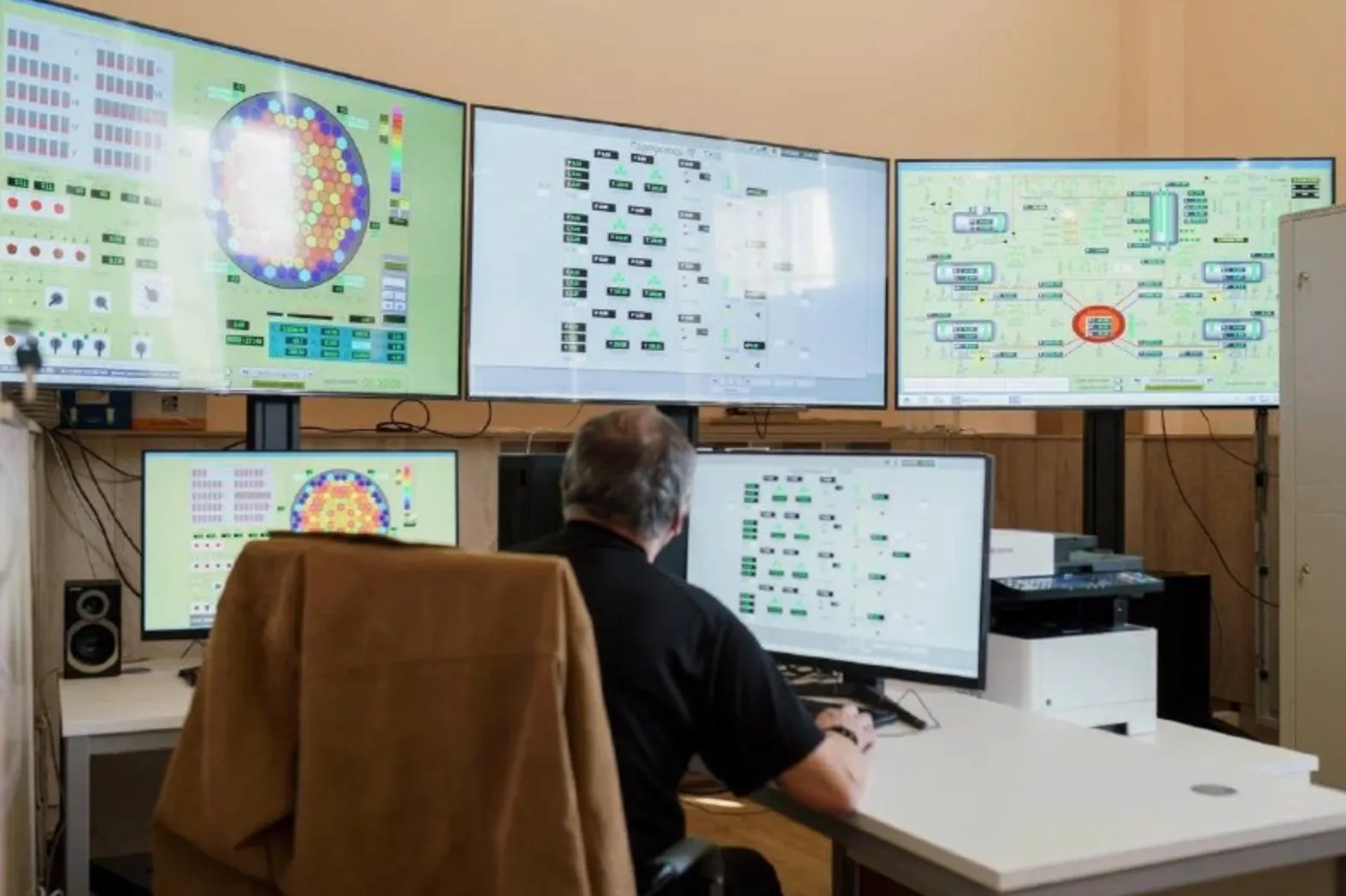
Researchers at Novosibirsk State Technical University (NETI) are developing a next-generation unified stochastic platform to assess reliability and predict the remaining service life of technical systems, including transport, energy, and industrial infrastructure. The project is backed by a grant from the Russian Science Foundation, the university’s press service told IT-Russia.
Unified Digital Framework
Modern transport and industrial systems have become more complex and energy-intensive, making traditional maintenance based on fixed schedules or reactive repairs increasingly inefficient. According to project lead Boris Malozemov, an associate professor at the university’s Department of Electrical Engineering Systems, equipment failures do not occur suddenly. Conditions leading to breakdowns typically accumulate over time, making accurate estimates of remaining service life and early failure prediction critical.
The new platform will combine diagnostics, forecasting, and decision support within a single digital framework. It is a modular environment that can be adapted to different classes of equipment. The system performs three core functions: it converts operational data and usage scenarios into formal models of degradation and risk, links these models to digital twins, and incorporates predictive modules, including self-learning neural network components. This allows the system to adapt as more data becomes available.
A “Weather Forecast” for Machines
The platform is expected to shift maintenance from scheduled to predictive, reduce unplanned downtime, and deliver other operational benefits. Its main impact, however, will be improved safety and a significant reduction in accidents through early detection of failure signals.
The project is scheduled to run for two years. This year, the team plans to build the platform’s core framework, including a library of baseline stochastic models for estimating remaining service life, digital twin prototypes, an initial IT version, and a structured database of operational scenarios. A fully functional version of the platform is expected in 2027.
Earlier, we reported that Russian researchers had trained a system to forecast demand for professionals.