In Russia a Smart Card Enables Early Detection of Heart Problems
The so-called CardioCard identifies the risk of heart failure with accuracy of up to 96.5%, bringing advanced cardiac screening into a portable, remote-friendly format.
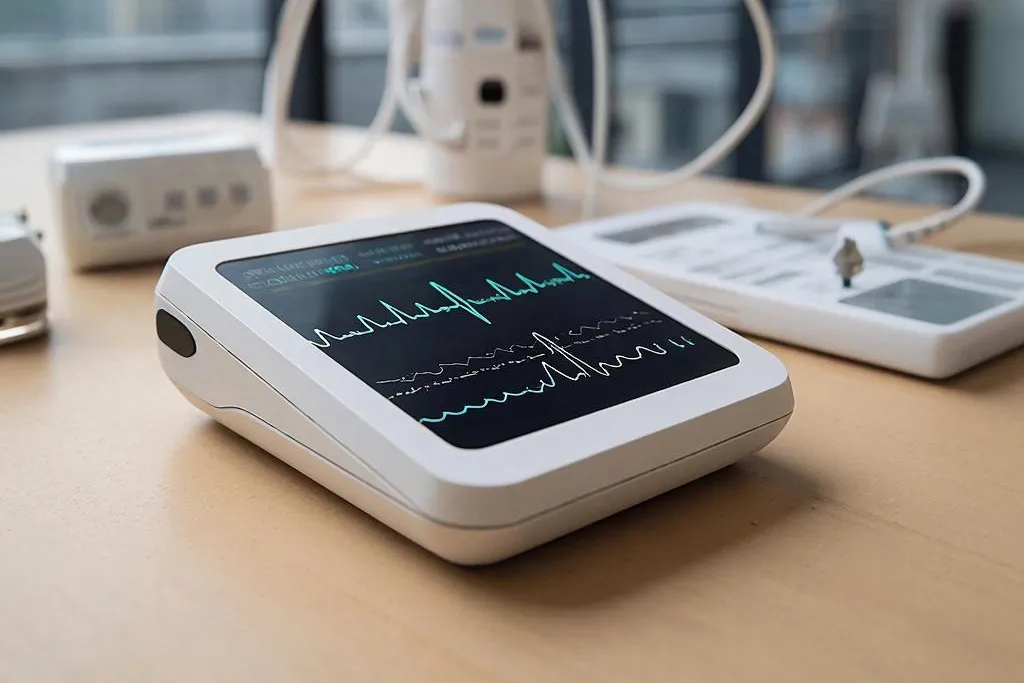
A unique system for large-scale and remote screening of heart failure has been officially registered in Russia. Developed at Sechenov University, the technology can detect hidden cardiac abnormalities at an early stage using a portable device roughly the size of a bank card.
Risk Assessment in a One-Minute Procedure
At the core of the system are artificial intelligence algorithms that analyze data from a simple single-lead electrocardiogram and a pulse wave, Gazeta.ru reports. The neural network calculates key indicators comparable to those obtained through cardiac ultrasound, a process that previously required complex equipment and the presence of a medical specialist.
A Light Touch Reveals the Heart’s Condition
What makes the system stand out is its accessibility and precision. For an examination, a patient only needs to place two fingers on the compact device – the CardioCard – for one minute. The algorithm detects both systolic dysfunction, related to impaired heart contraction, and diastolic dysfunction, which is critical for early diagnosis, with accuracy reaching 96.5%. The technology also identifies dangerous arrhythmias, including atrial fibrillation.
The importance of this development for Russia and globally is difficult to overstate. It shifts complex diagnostics to the outpatient level and into rural clinics, enabling mass population screening. This supports earlier disease detection, reduces the burden on hospitals, and helps prevent strokes. The system is also planned for use in monitoring cancer patients, allowing doctors to track potential cardiac complications from chemotherapy.
The adoption of such advanced technologies strengthens the position of Russian medicine on the global healthcare map, offering a practical and highly accurate solution to one of today’s most pressing challenges – the early diagnosis of cardiovascular disease.