

ITMO Launches Graduate Program to Train Professionals for Colliders and Neutrino Telescopes
ITMO University and the Joint Institute for Nuclear Research are launching a new master's track designed to prepare professionals for work at some of the world's largest scientific research facilities.
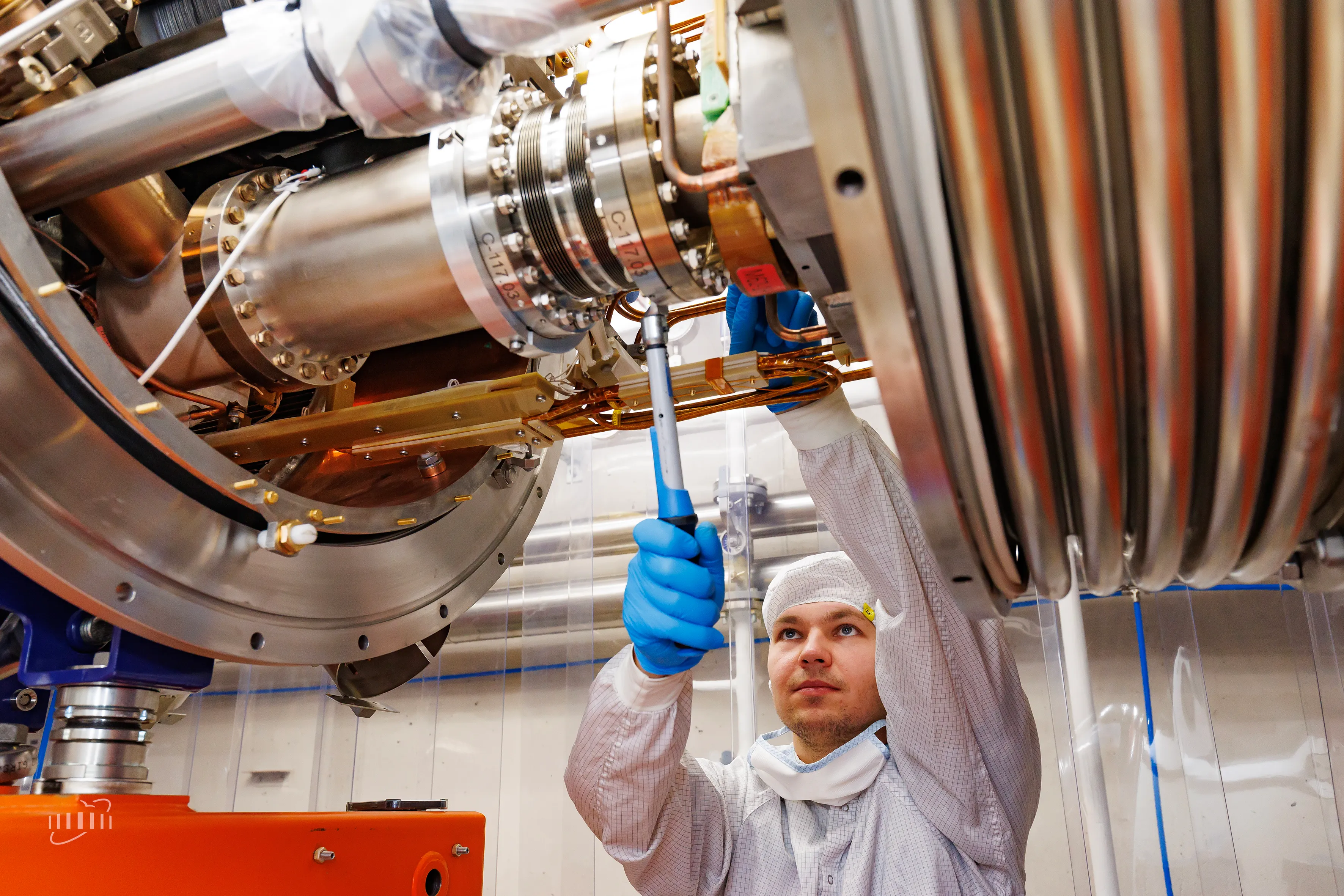
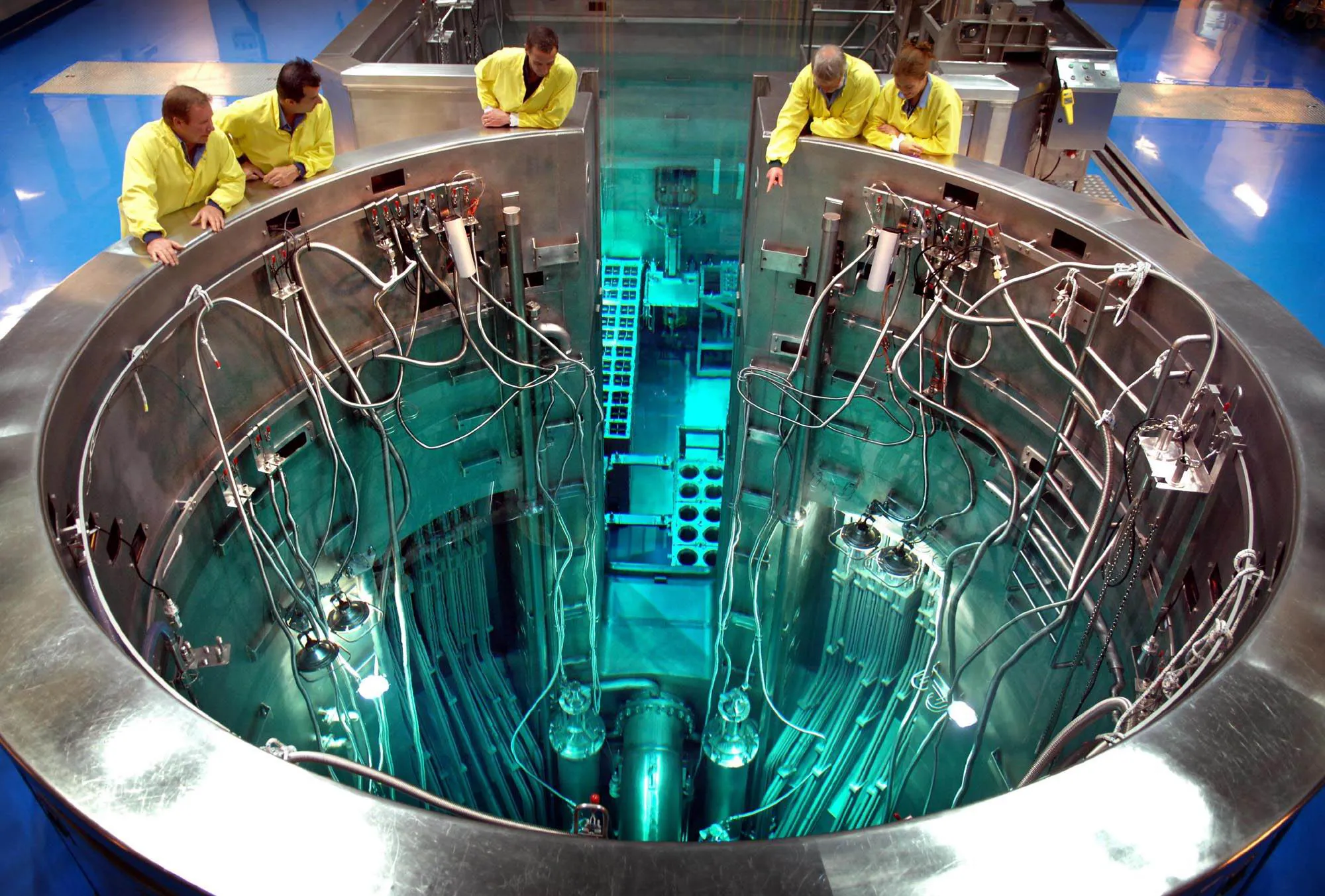
The Megasayens (Megascience) master's program will begin in the 2026–2027 academic year. It was created to train multidisciplinary specialists who will be ready to work at major scientific facilities in Russia and abroad immediately after graduation. According to the university, the curriculum is the first of its kind in the country and is intended to address a growing shortage of engineers and physicists needed for large international research collaborations.
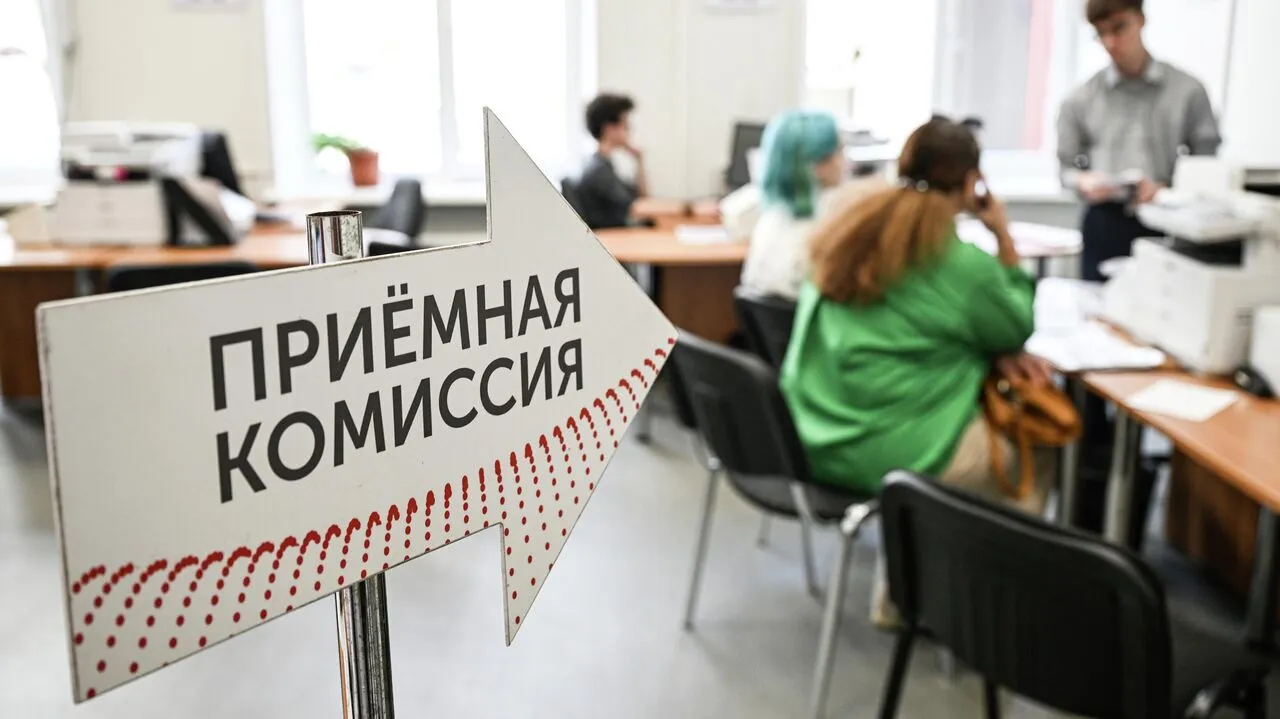
Undergraduate students in technical disciplines will be able to specialize in one of three areas: theoretical physics, experimental physics, or software development. Admission will require knowledge of quantum mechanics, classical electrodynamics, and programming. Courses will be taught in both Russian and English. Graduate students will learn advanced methods for analyzing large datasets using artificial intelligence. Practical training will take place at a new Center for Advanced Research now under development. Students will also complete internships at the Joint Institute for Nuclear Research (JINR) and participate in international scientific collaborations.