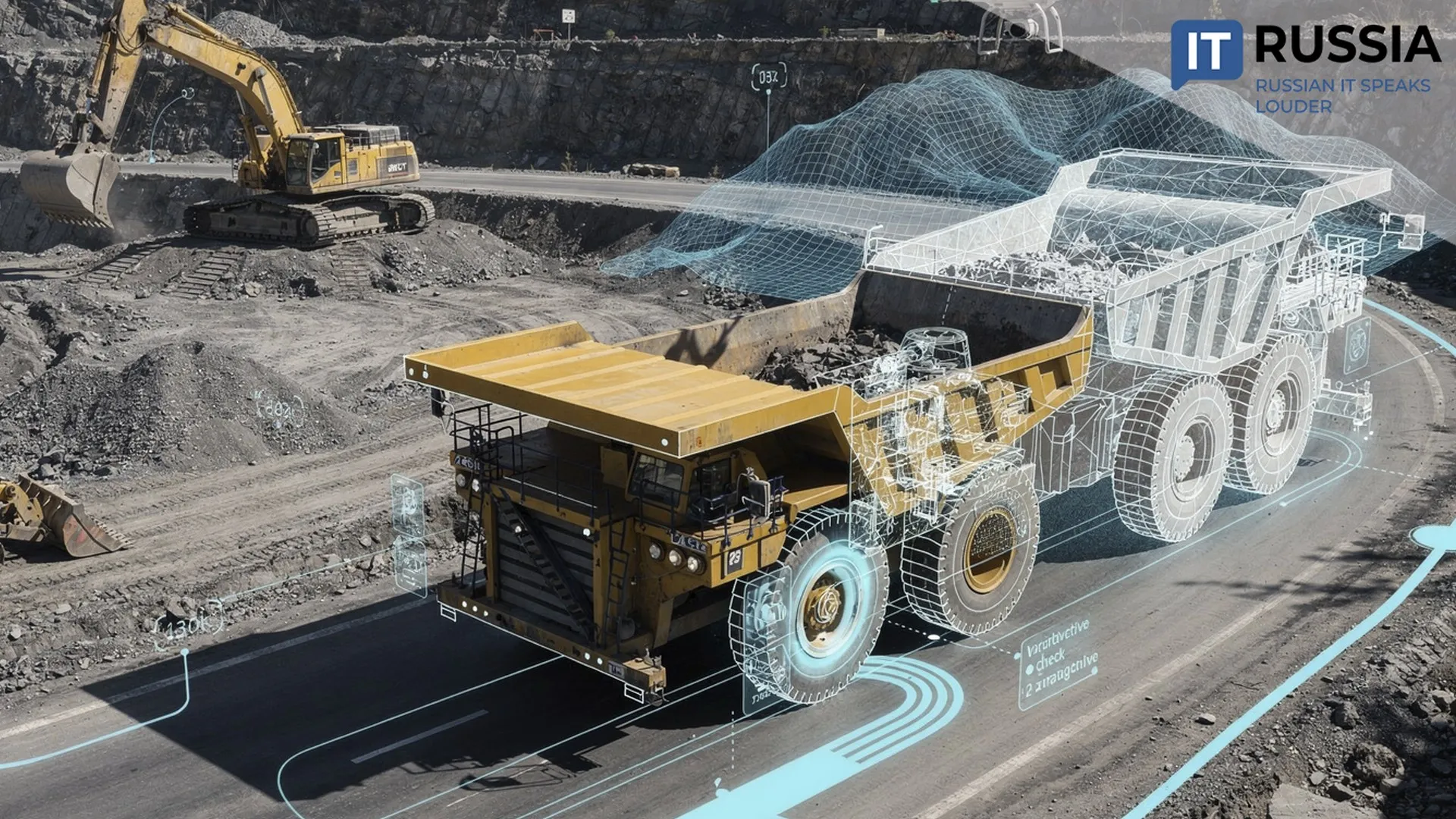
Nanosoft Develops a Solution for Permafrost Regions
Russian engineering software developer Nanosoft has released nanoCAD MMG, a specialized solution for automating geotechnical monitoring of structures built on perennially frozen ground.
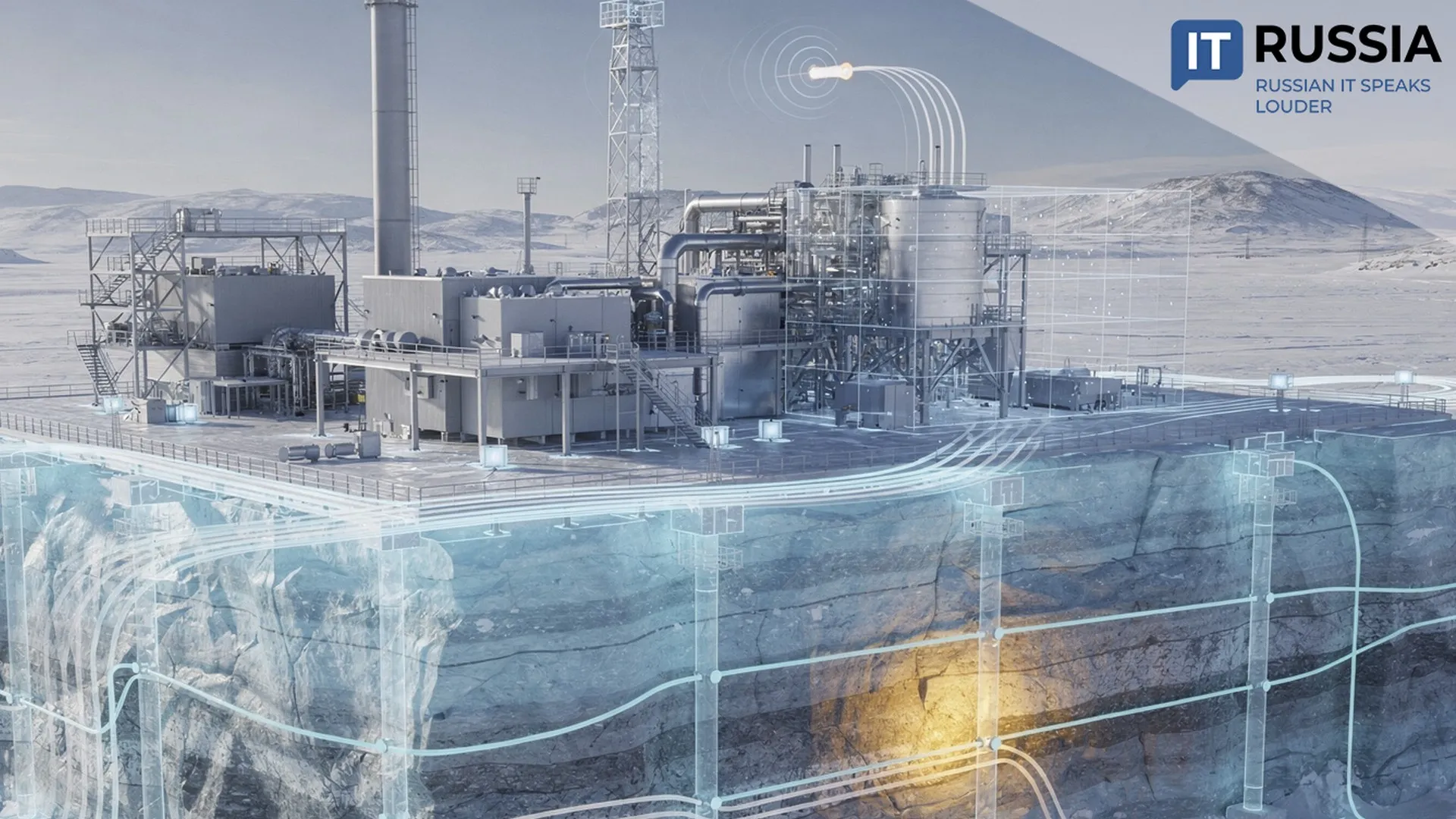
About 65% of Russia’s territory lies within the permafrost zone, which is also home to extensive industrial infrastructure, including mining operations and long-distance pipelines. That makes the new development particularly relevant.
Compared with conventional conditions, permafrost places greater demands on the strength, durability and wear resistance of buildings and structures. Without accounting for these conditions, industrial development of Russia’s North, where the country’s principal mineral reserves are concentrated, is simply impossible. Nanosoft’s solution addresses a range of engineering tasks that, until now, specialists have literally had to perform manually.
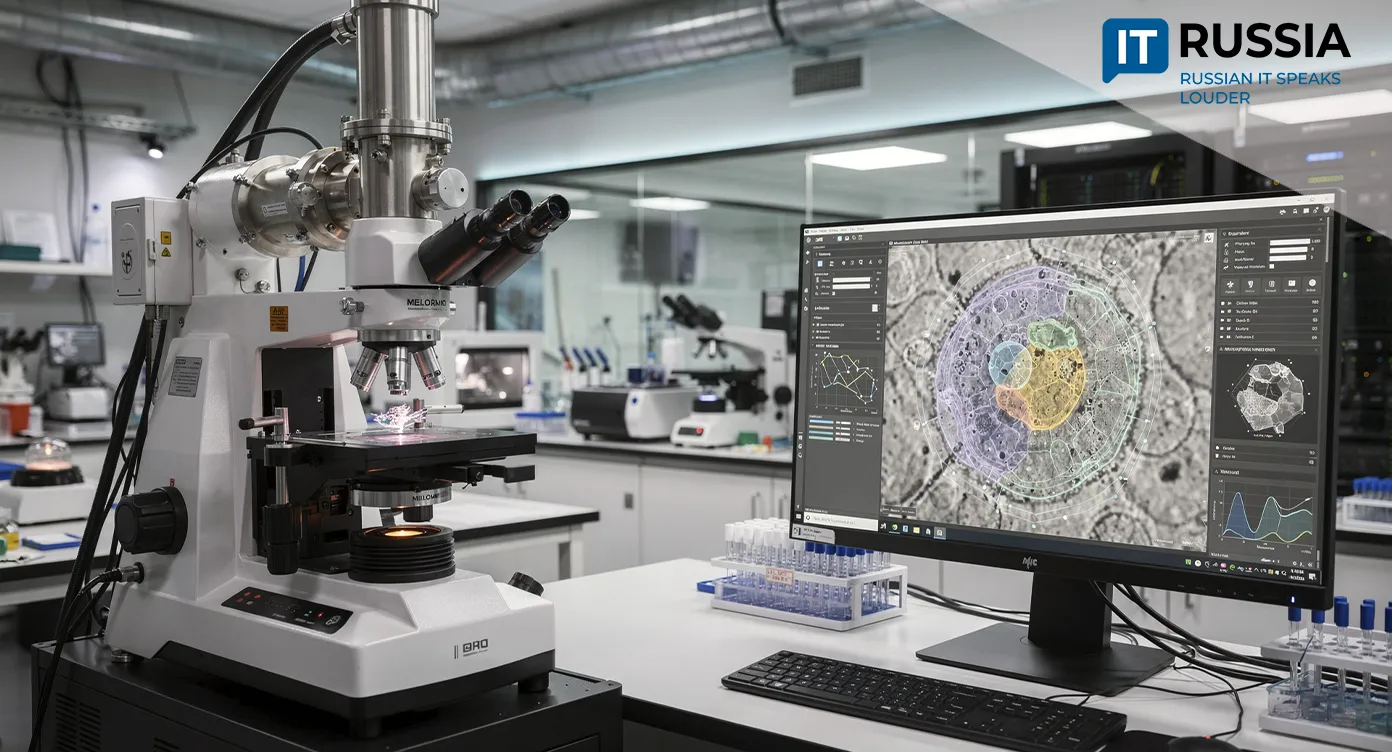
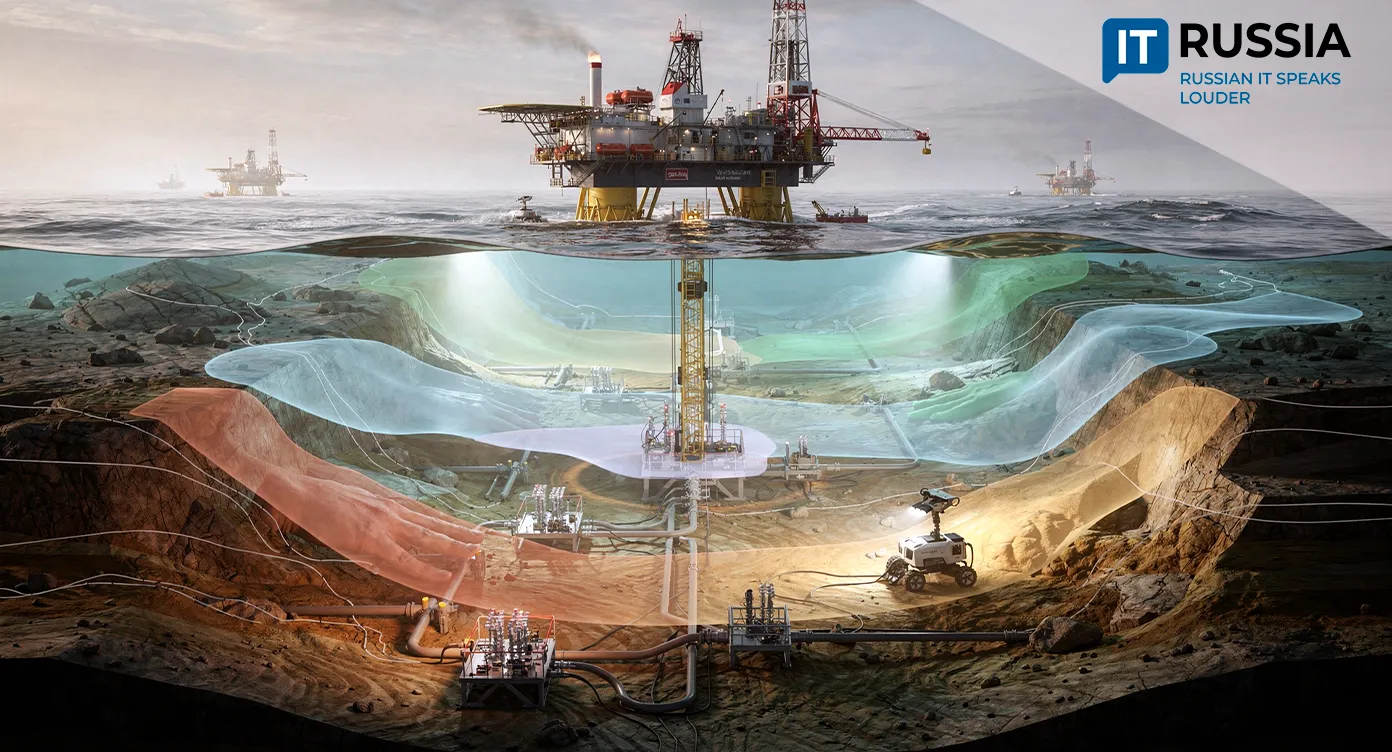
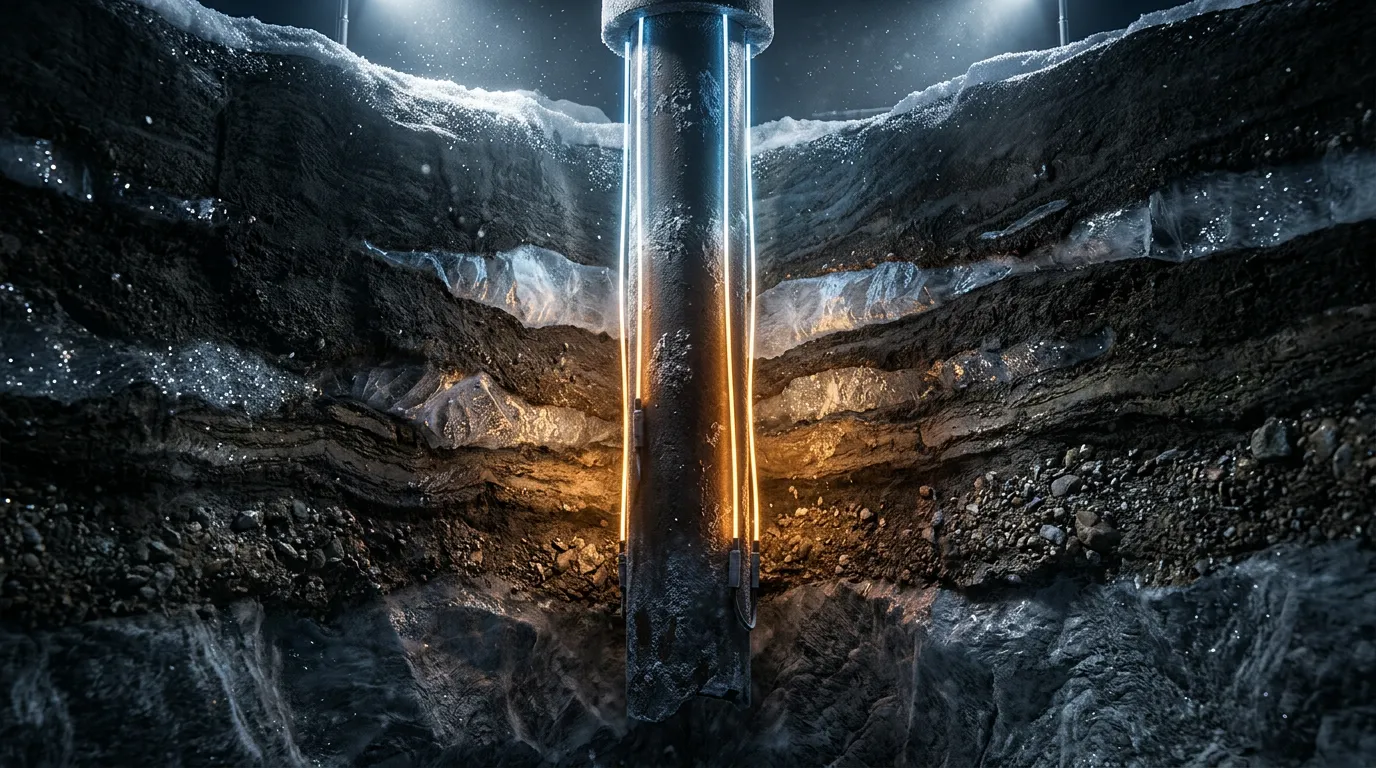
nanoCAD MMG brings data from different sources on thermal monitoring boreholes, survey benchmarks, deformation monitoring points and other observation objects into a single digital environment. The software can be used both for facilities under construction and to assess the condition of existing ones. It automatically validates measurement results, generates temperature-field and vertical-displacement maps, analyzes settlement and deformation, compares actual readings with design values, and assesses potential risks. The software is suitable not only for buildings, utility infrastructure and transportation corridors, but also for production wells.
Importantly, the solution is entirely Russian-developed and compatible with Russian operating systems. Its flexibility allows deployment to scale from a single workstation to an entire enterprise infrastructure. In that sense, it provides an import-substitution option for geotechnical monitoring.
From Engineers, for Engineers
The software was developed specifically for engineers, with industry requirements and common day-to-day tasks in mind. The product not only processes operational data but also stores and organizes it, creating digital records for monitored assets that contain their complete inspection history and changes in characteristics over time.
The tool provides a highly visual picture of geotechnical processes. Users can adjust variables as needed and track how the resulting picture changes over time, while the software can also generate predictive trends. Nanosoft’s product minimizes the likelihood of errors, significantly simplifies analysis and speeds up operational decision-making. It also substantially accelerates the preparation of reporting documentation, for which users can define the required templates.
The product is now being actively introduced to specialized customers in Vorkuta, Norilsk, Yakutsk and Magadan – regions where oil, gas, nickel, copper and diamonds are extracted. It is in these areas, where pipelines, transportation corridors and industrial sites are being actively developed, that the solution is undergoing pilot testing.
Across the Industry and the North
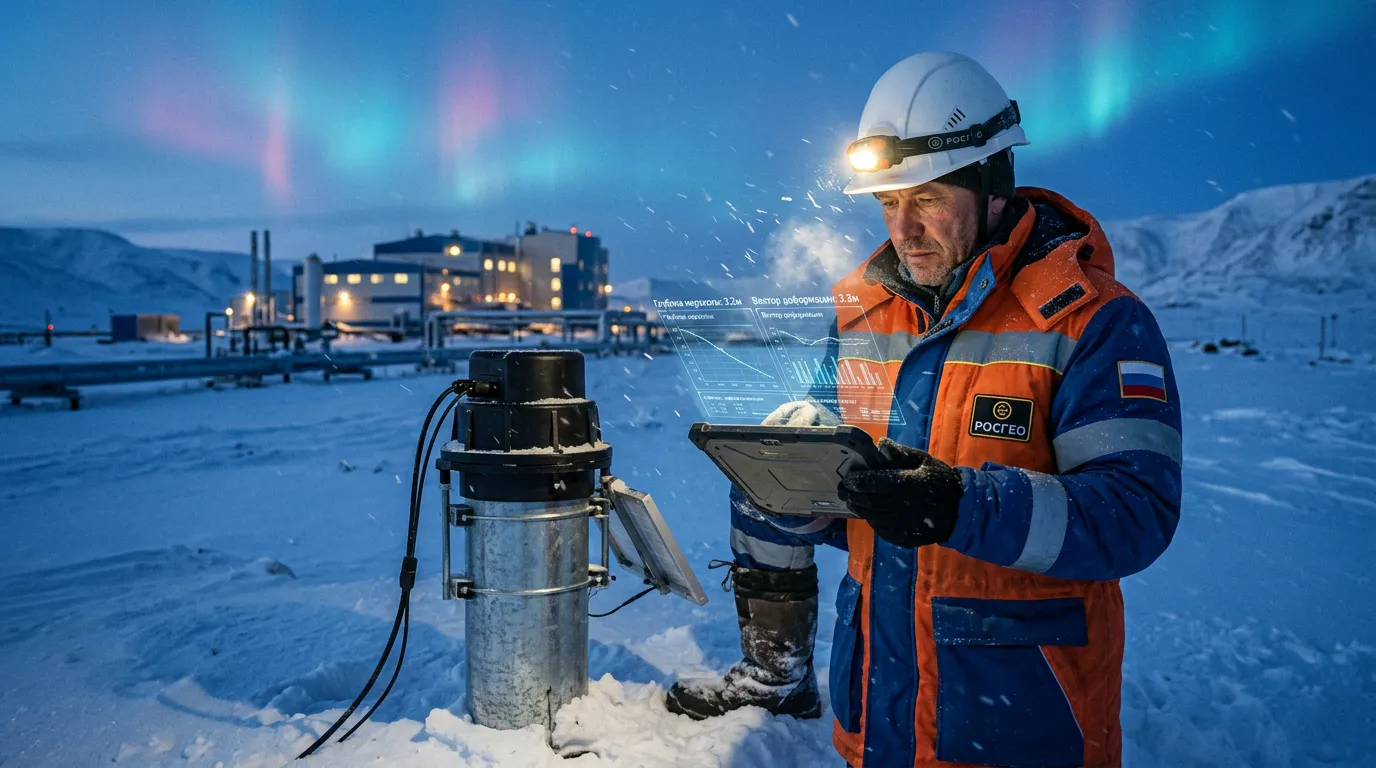
Nanosoft’s product addresses not only industry needs but also broader challenges. Its deployment will improve the safety of residential buildings, roads, industrial facilities and urban infrastructure by enabling early detection of dangerous ground changes and structural deformation.
The importance of background permafrost monitoring has been recognized at the government level – Russia began developing a national background permafrost monitoring system in 2023. Geotechnical monitoring of individual buildings and structures has already been used for several years in Norilsk, Yakutsk, Salekhard and Anadyr, as well as at fuel and energy facilities. As of March 2026, there were 80 such monitoring stations, with plans to increase the number to 140 by 2030.
The next stage in the development of such systems will logically involve deeper integration with automated sensors and IoT systems, corporate information systems and predictive analytics tools.
One of the industry pioneers in this field is Nornickel, which has been developing an automated geotechnical monitoring system in Norilsk since 2021. By the end of 2022, more than 1,200 ground-temperature and deformation sensors had been installed at 165 facilities, and the IT platform had entered full-scale operation. In 2024, Rostec introduced Etalon (Benchmark), a hardware system for monitoring the temperature of perennially frozen ground.
The development of nanoCAD MMG marks a notable step in building a Russian stack of digital solutions for infrastructure in permafrost regions, fully aligning with national priorities.