

Smart Traffic Lights Come to Nizhny Tagil
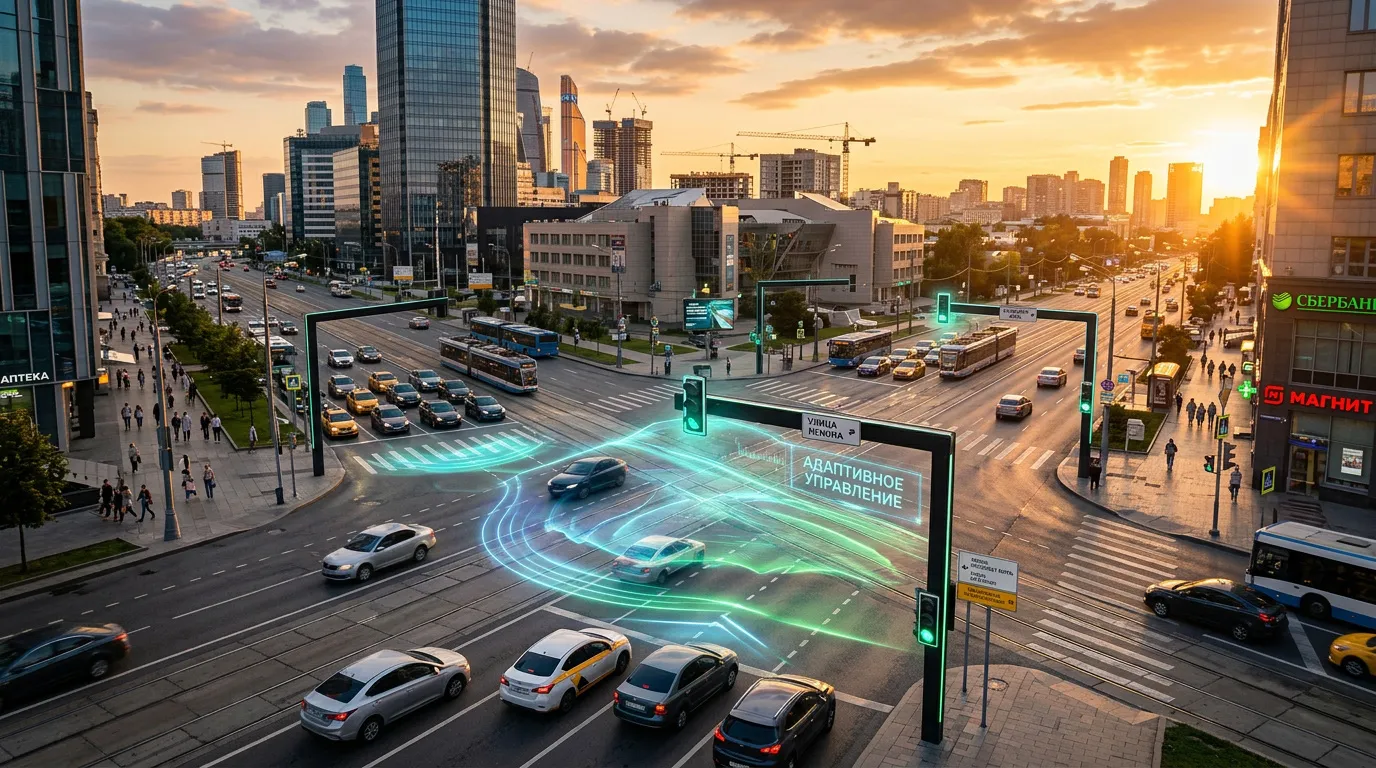
Nizhny Tagil is testing DS7-Lite smart traffic lights. Connected to the city's intelligent transportation system, the equipment adjusts signal timing based on actual road conditions rather than fixed schedules.
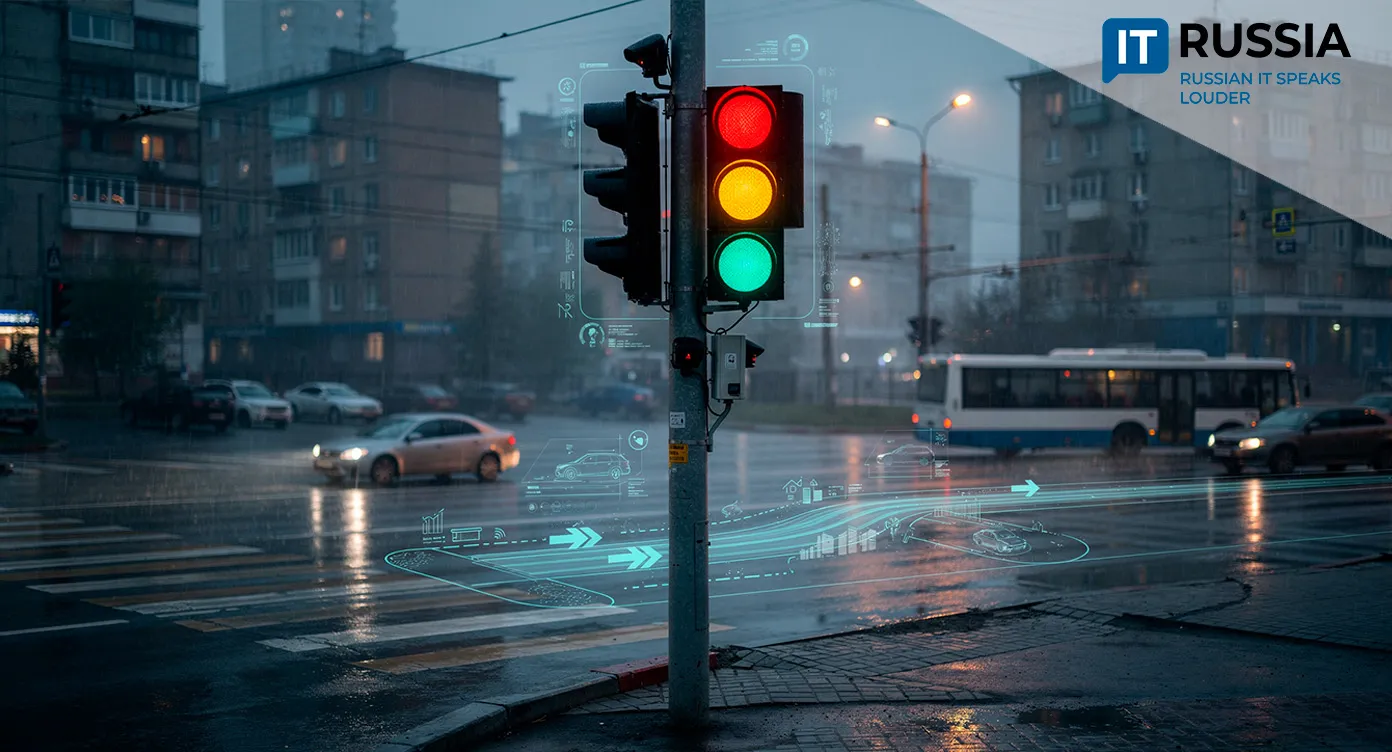
Rostekh announced the start of pilot operations for DS7-Lite smart traffic lights in Nizhny Tagil. The devices were developed by the E. S. Yalamov Ural Optical and Mechanical Plant, part of the Shvabe holding company. The first 12 traffic lights – eight for vehicles and four for pedestrians – have already been integrated into the city's unified traffic management system, while another eight are being installed. A total of 20 adaptive traffic lights have been delivered, and testing will continue through the end of 2026.
The key difference from conventional traffic lights is their connection to the intelligent transportation system, or ITS. The equipment interacts with traffic controllers, roadway sensors embedded in pavement, video cameras equipped with traffic analytics, radar systems, and the traffic management center. As a result, signal timing changes according to real traffic demand rather than a fixed timer.
The project is significant for Russia's technology sector because it demonstrates the development of domestic smart-city solutions that include not only software platforms but also field hardware. For residents, the benefits could include less time waiting at intersections, smoother traffic flow, and improved road safety.
From Nizhny Tagil to the Rest of the Country
The primary opportunity lies in scaling such solutions across Russia. The Ministry of Transport reported that ITS technologies were being deployed in 62 urban agglomerations in 2024, while total federal funding since 2020 has exceeded 22 billion rubles (about $280 million). Since 2025, ITS development has continued under the national Infrastructure for Life program.
For Nizhny Tagil, the project builds on earlier work. As far back as 2023, the city was developing its ITS under the Safe High-Quality Roads national program, purchasing cameras, traffic controllers, and traffic-signal equipment.
The impact of ITS deployments is already visible in other regions. In Ulan-Ude, for example, implementation of the system increased public transit speeds by 31%, while average traffic speeds during peak hours rose from 15.5 km/h to 22.8 km/h.
Export opportunities are limited but remain possible in friendly countries seeking affordable traffic-management solutions. In the near term, the priority is achieving technological self-sufficiency in Russia's ITS market, a goal supported by Mintsifry, the Ministry of Transport, and the Ministry of Industry and Trade.
The Road to Smart Streets
Russia's ITS rollout has progressed in stages. During 2021-2022, Nizhny Tagil upgraded traffic lights at 26 intersections and installed vehicle detectors, smart bus stops, and digital information displays. The effort continued in 2023 with deliveries of cameras, networking equipment, and hardware for the city's traffic management center.
In 2024, the Ministry of Transport reported ITS deployments across 62 urban agglomerations in 56 Russian regions. In Bryansk, officials expanded the network of smart traffic lights and planned to connect six additional intersections, increasing the total to 21.
By 2025-2026, regions had moved beyond equipment installation and toward evaluating operational results. Kirov connected 163 traffic-signal sites to its ITS, while Ulan-Ude integrated 92 traffic lights and 250 vehicle detectors. That progression suggests ITS is becoming a standard component of urban infrastructure rather than a collection of pilot projects.
The Future of ITS
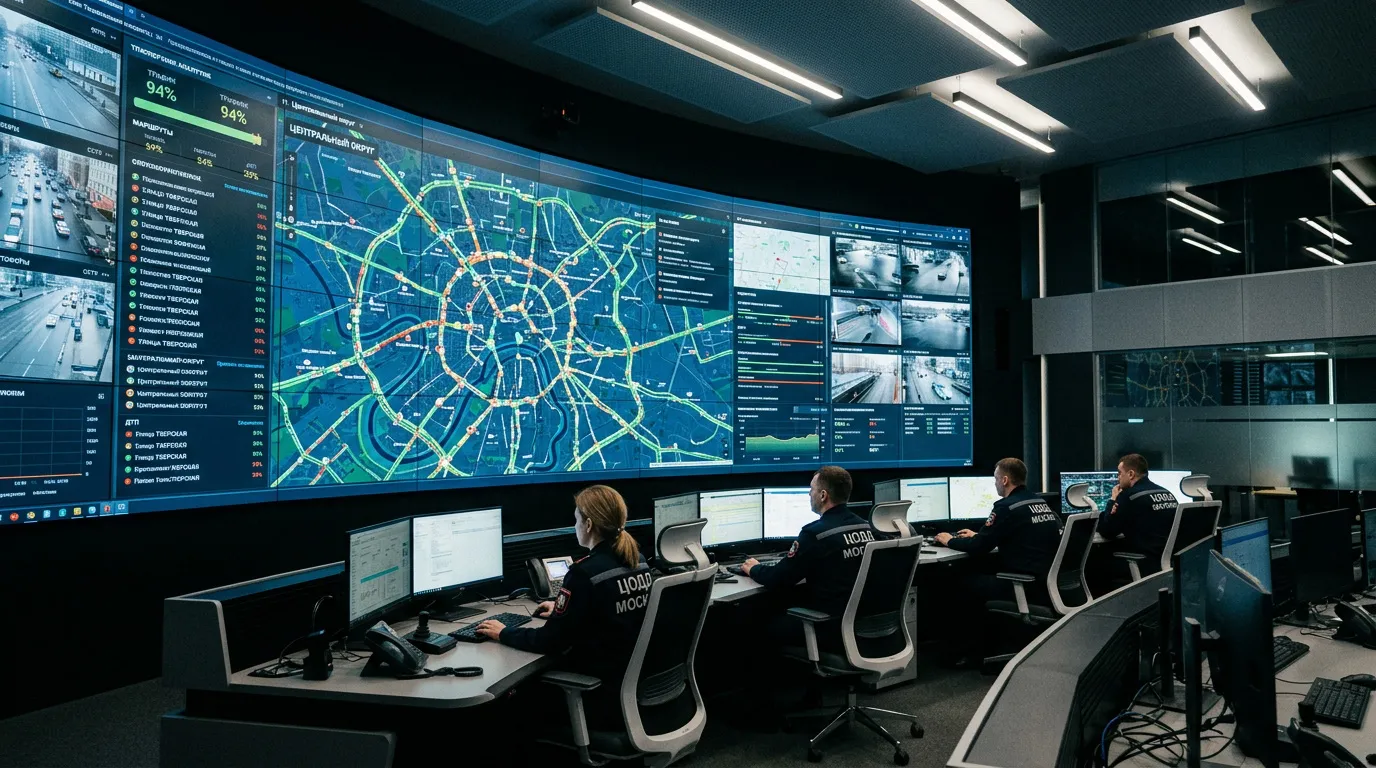
The installation of smart traffic lights in Nizhny Tagil is important not simply because new equipment has been deployed, but because the traffic lights have become part of a unified ITS. Decisions are now based on data from sensors, cameras, and the traffic management center. For Nizhny Tagil, this represents a logical continuation of its digital transportation strategy. If the DS7-Lite pilot proves successful, adaptive traffic control could expand to additional intersections, while Rostekh and Shvabe would gain a reference project for deployments in other regions.
Demand for these solutions is expected to remain strong within Russia. The federal government continues to fund ITS programs in major urban areas, and regional authorities require domestically developed traffic-management platforms. Over the next several years, more projects are expected to combine smart traffic lights with video analytics, weather stations, digital information boards, and vehicle-monitoring systems.
The main challenge is that performance depends not only on the traffic lights themselves but on the entire ITS architecture, including controller settings, sensor quality, communications reliability, and cybersecurity. If all of those elements work together effectively, the project could become an important step in the evolution of Russia's digital transportation infrastructure and a model for other cities across the country.