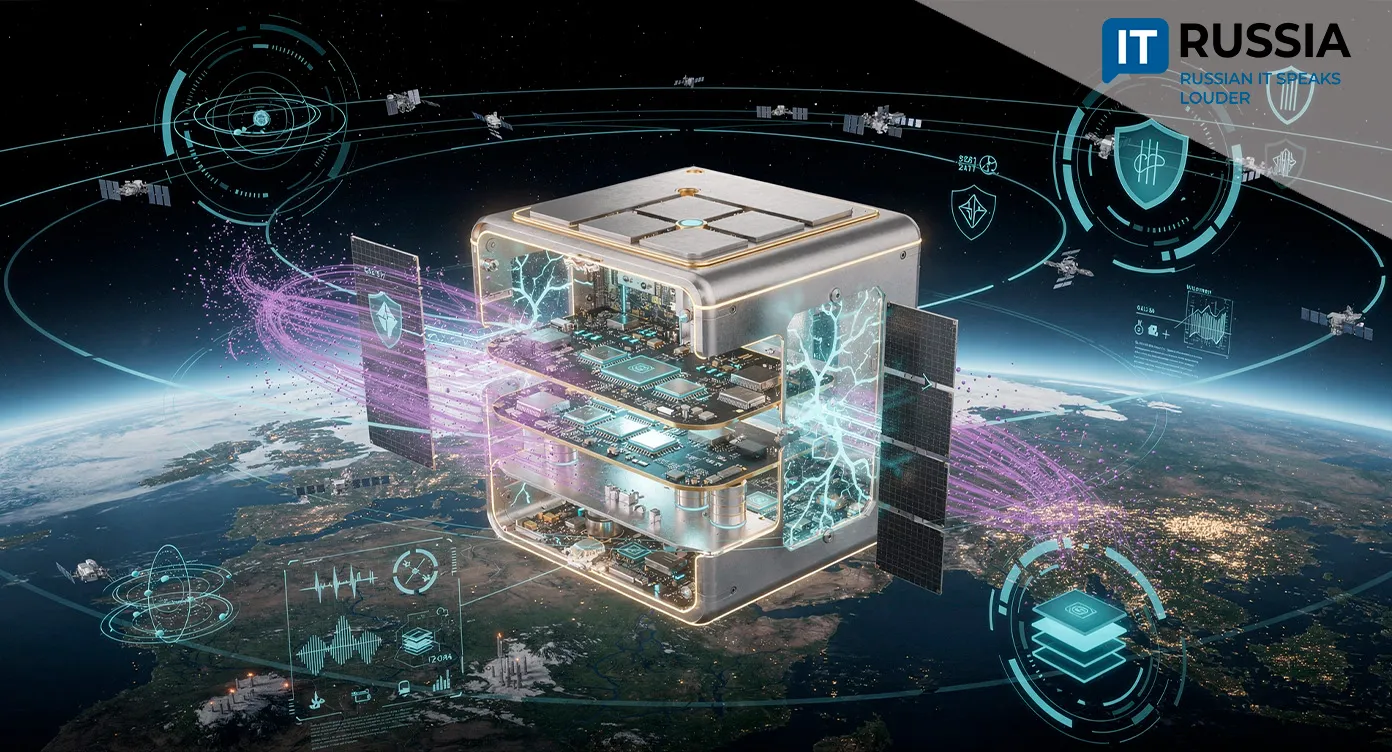
Arctic Testbed: How Pomorye Is Becoming Russia's Primary Proving Ground for New Technologies
Arkhangelsk Region is set to establish a scientific platform for testing technological solutions in instrumentation engineering and other industries. On the sidelines of the St. Petersburg International Economic Forum, the environmental movement Chistyy Sever - chistaya strana (Clean North - Clean Country) and the Arctic and Antarctic Research Institute signed a two-year cooperation agreement that is to lay the groundwork for testing and advancing innovative technologies under Arctic conditions.
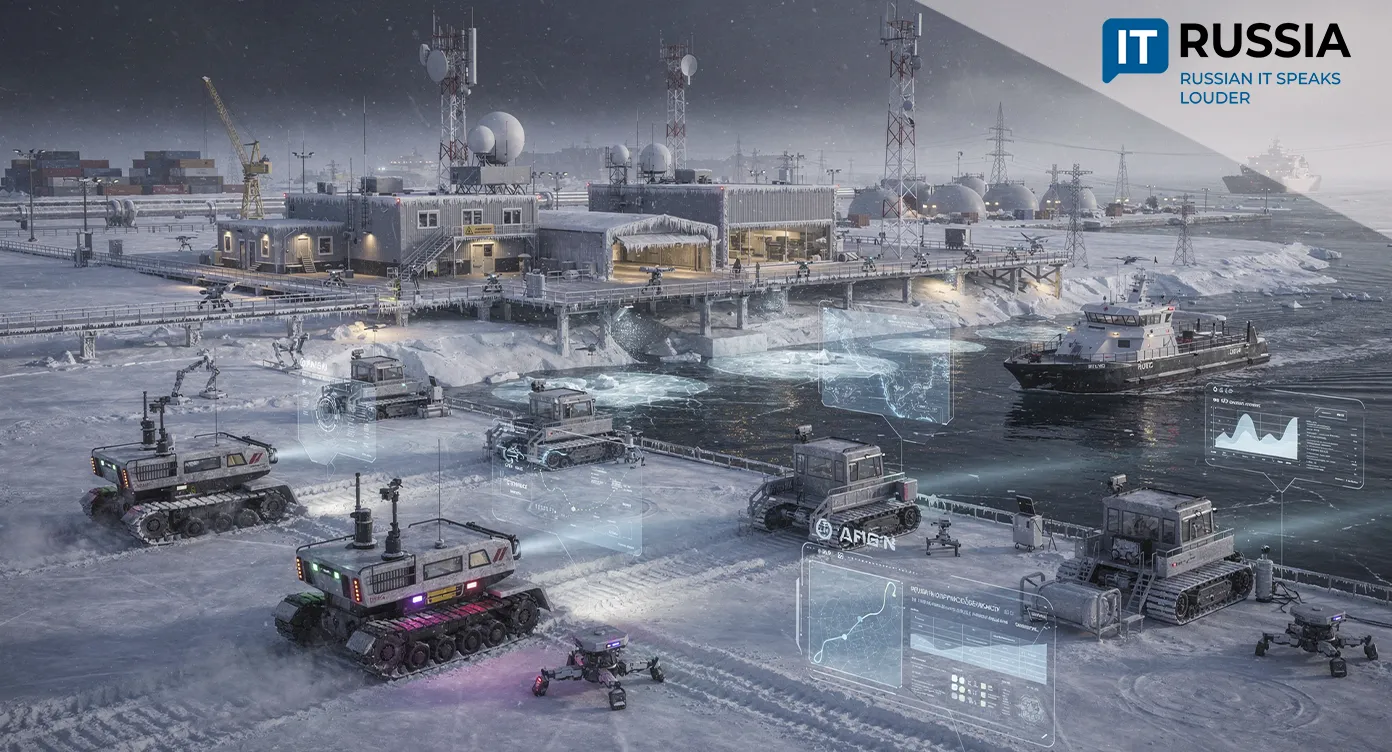
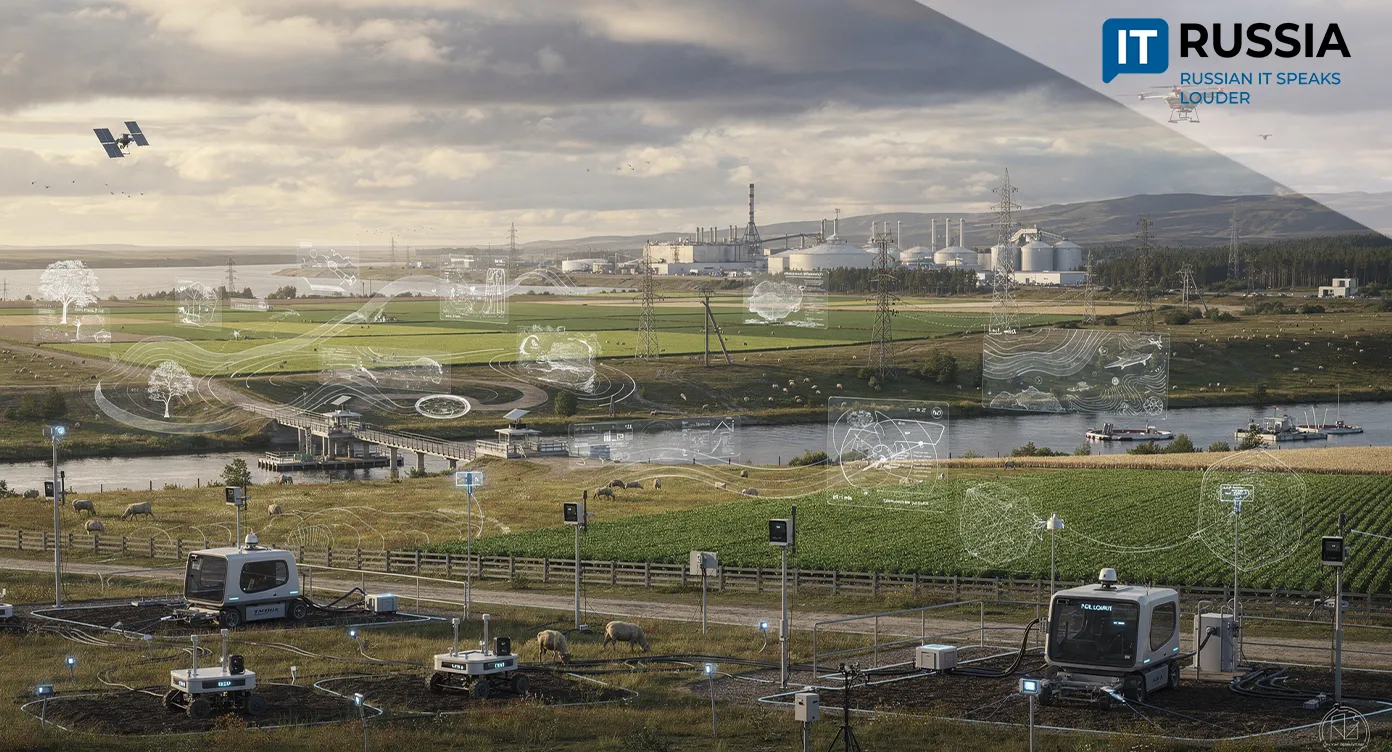
Arkhangelsk Region is beginning work on a unique scientific platform designed for large-scale technology testing in the Arctic. The initiative aims to bring together developers, engineers, equipment manufacturers, students, early-career professionals, and researchers. Its goal is highly practical: to turn Pomorye into a real-world proving ground where digital and engineering solutions are tested not in controlled laboratories, but amid extreme cold, storm-force winds, and remote infrastructure.
The initiative carries national significance and aligns closely with Russia's Arctic Zone Development Strategy through 2035, which identifies scientific and technological advancement as a priority area of national policy.
Digital Technologies Face Real-World Conditions
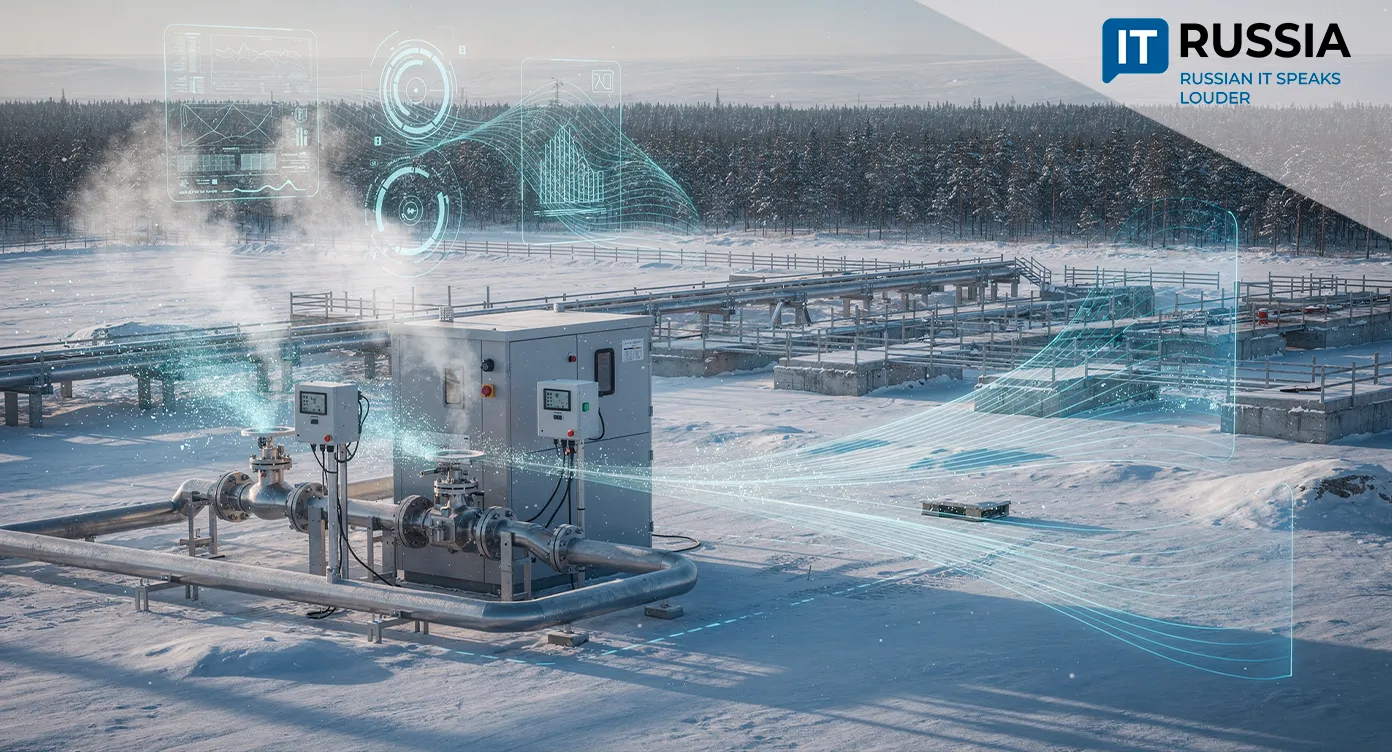
For Russia's technology sector, the project represents a shift from theoretical development to applied testing. Arctic operations place a premium on uncrewed and autonomous systems, artificial intelligence algorithms for vehicle autonomy, resilient satellite and radio communications in areas without cellular infrastructure, ice navigation technologies, and digital twins of port facilities. The platform will allow these technologies to be refined under real operating conditions. What is being tested here is not merely software functionality or hardware design, but overall resilience, energy efficiency, autonomy, and the ability to operate in temperatures below minus 40 degrees Celsius. In effect, the platform could become the missing link between research and development and large-scale industrial deployment.

From Orkan to Arkticheskaya zvezda
Over the past five years, the region has steadily built a substantial scientific and technological foundation. In 2026, Northern (Arctic) Federal University received the Orkan uncrewed vessel for testing maritime digital technologies, conducting hydrological measurements, and mapping underwater depths. At the same time, work is underway on a mobile AI-enabled underwater robotic system designed to inspect ship hulls, a development directly tied to improving the safety of navigation along the Northern Sea Route.
Equally notable is the region's track record in testing domestically developed aircraft under Arctic conditions, as well as the continued expansion of the Arkticheskaya zvezda (Arctic Star) research and education campus. The campus is expected to provide the future platform with both skilled personnel and modern laboratory infrastructure. Together, these efforts fit into the state development plan for the Northern Sea Route approved in 2022, creating a continuous chain linking research, education, and industrial implementation.
What Does This Mean for People, Business, and Government?
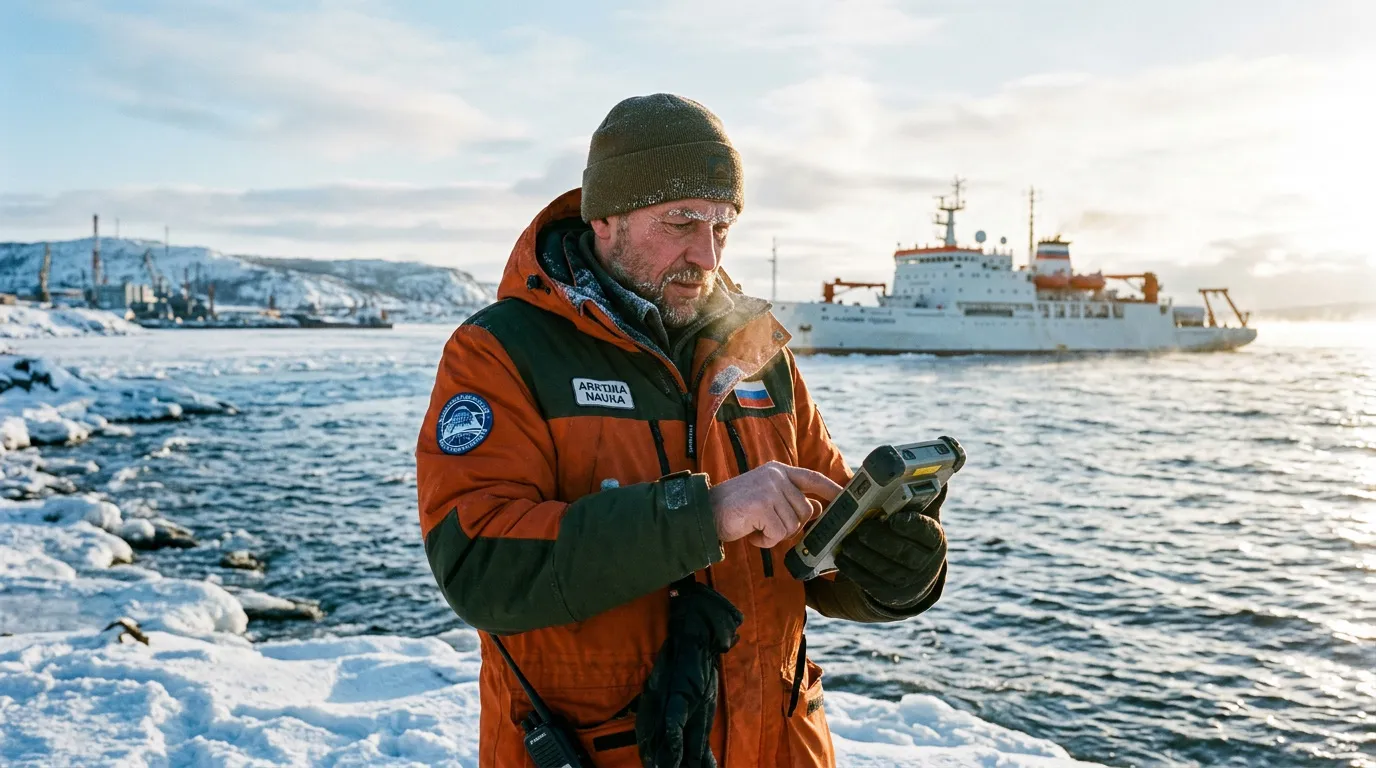
For residents of northern territories, the platform could deliver tangible benefits: more reliable delivery of essential goods, stable communications in remote communities, safer maritime transportation, and faster environmental monitoring of coastal waters. At the national level, the initiative is tied to strengthening technological sovereignty. Deploying Russian-built solutions for extreme climates could reduce dependence on imported equipment, accelerate modernization of Arctic logistics, and create more favorable conditions for investment projects. The platform is intended to serve as a practical instrument for implementing federal priorities, bringing academic research together with industrial production and addressing national challenges through innovation.

Domestic Market, Global Potential
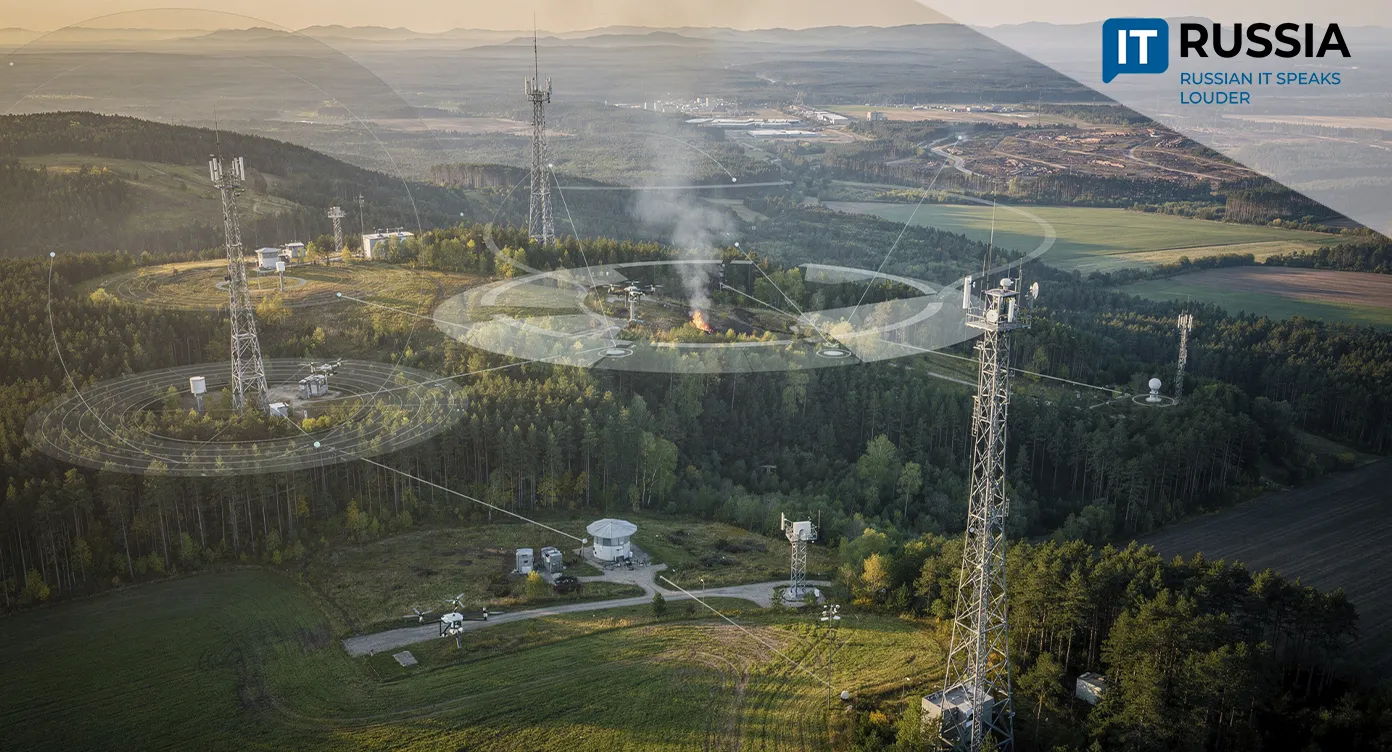
In the coming years, the platform is expected to focus on three priority areas: testing autonomous systems, digitalizing Northern Sea Route logistics, and comprehensive infrastructure monitoring.
The project also carries export potential. Entering international markets will require a growing portfolio of successful deployments and the launch of serial equipment production. Even so, technologies that have proven themselves under Arctic conditions could already find applications in countries with similarly harsh climates, including shipping, oil and gas operations, mining, and environmental monitoring.
Arkhangelsk Region is reinforcing its position as the North's practical technology proving ground, turning a harsh climate from an engineering obstacle into a distinctive competitive advantage. The new platform is more than a testing site - it is a foundation for technological independence and innovation-driven development across the Russian Arctic.