

Russian Scientists Tackle VR Cybersickness With a Multifocal Headset
Researchers in Novosibirsk have developed a virtual reality headset that addresses a long-standing flaw in immersive systems: the mismatch between how humans perceive depth and how most VR displays simulate it. The breakthrough could make astronaut training safer, more precise and more physiologically sustainable.
A Problem That Persisted for Decades
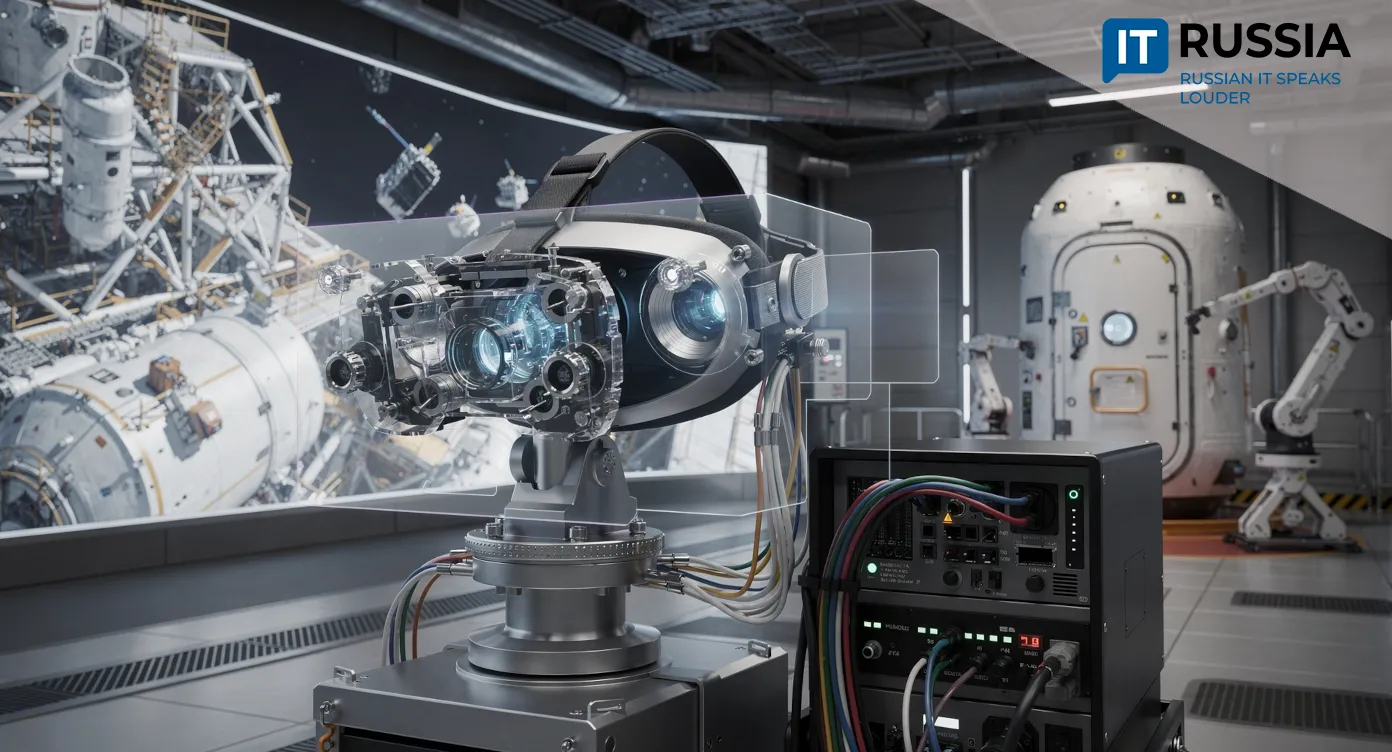
Scientists at Institut avtomatiki i elektrometrii SO RAN, or IAiE SO RAN, the Institute of Automation and Electrometry of the Siberian Branch of the Russian Academy of Sciences, in collaboration with the company Softlab-NSK and the Konstruktorsko-tekhnologichesky institut nauchnogo priborostroeniya, or Design and Technological Institute of Scientific Instrumentation, have developed a multifocal virtual reality headset. The device addresses one of the central limitations of conventional VR systems: the visual dissonance that prevents users from accurately judging distances in simulated environments. For cosmonauts preparing for extravehicular activity, that distortion is not an inconvenience but a safety risk.
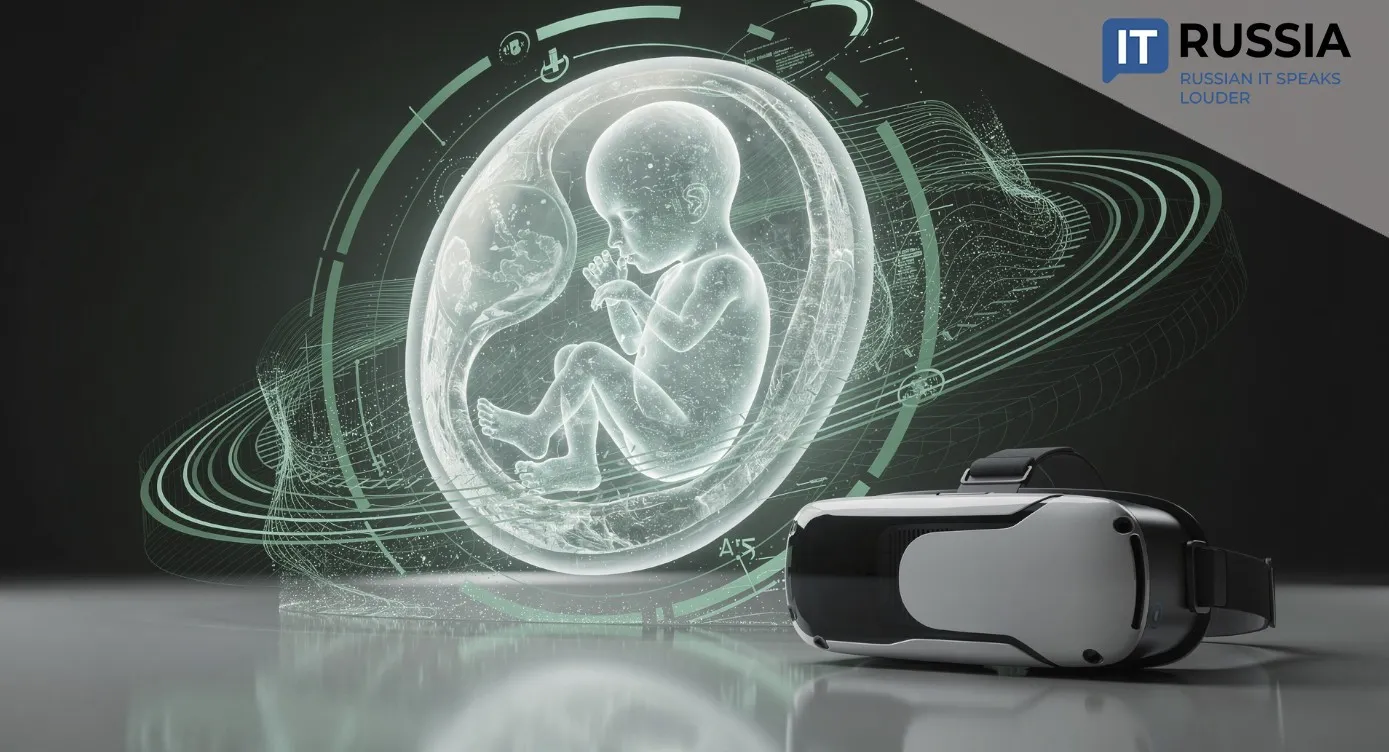
In standard VR headsets, the brain receives conflicting signals. Binocular vision creates a perception of three-dimensional space, yet the eye’s lens remains focused at a fixed distance – the physical display inside the helmet. This accommodation–vergence conflict causes fatigue, dizziness and distorted depth perception. For a gamer, this may result in discomfort. For a cosmonaut handling tools in open space, it can compromise mission safety.
How the “Smart” Headset Works
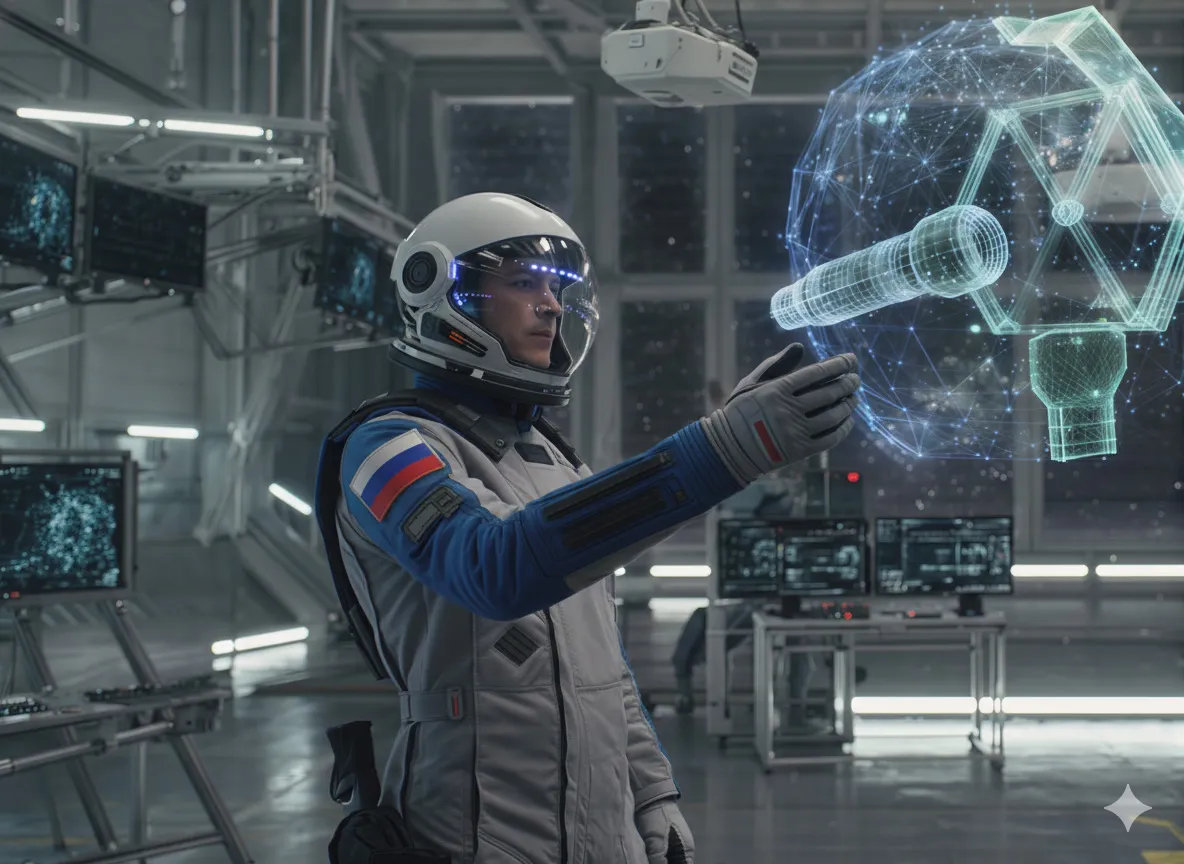
The multifocal system replicates the natural mechanics of the human eye. It dynamically adjusts focal distance depending on which virtual object the user is viewing. Objects positioned at different simulated depths are perceived in a way that more closely matches real-world visual experience. The result is reduced strain and more accurate spatial judgment. This allows trainees to spend extended periods in simulation without losing coordination or experiencing debilitating fatigue.


To the Moon and Back
The primary objective is astronaut preparation for technically demanding tasks: station repair, tool handling in a spacesuit and module docking procedures. Yet the implications extend further. In the coming years, the same technology could support remote operation of lunar robotic systems. An operator on Earth would perceive spatial relationships with greater accuracy while controlling manipulators thousands of kilometers away, improving performance in teleoperated missions.
Technological Sovereignty in Practice
The project also carries strategic weight. Russia is developing its own ecosystem of advanced simulation technologies, reducing reliance on foreign equipment in high-stakes training systems. While the headset is not yet intended for consumer markets, its emergence signals the formation of a domestic research school focused on specialized VR solutions for high-risk operational environments, from spaceflight to underwater.
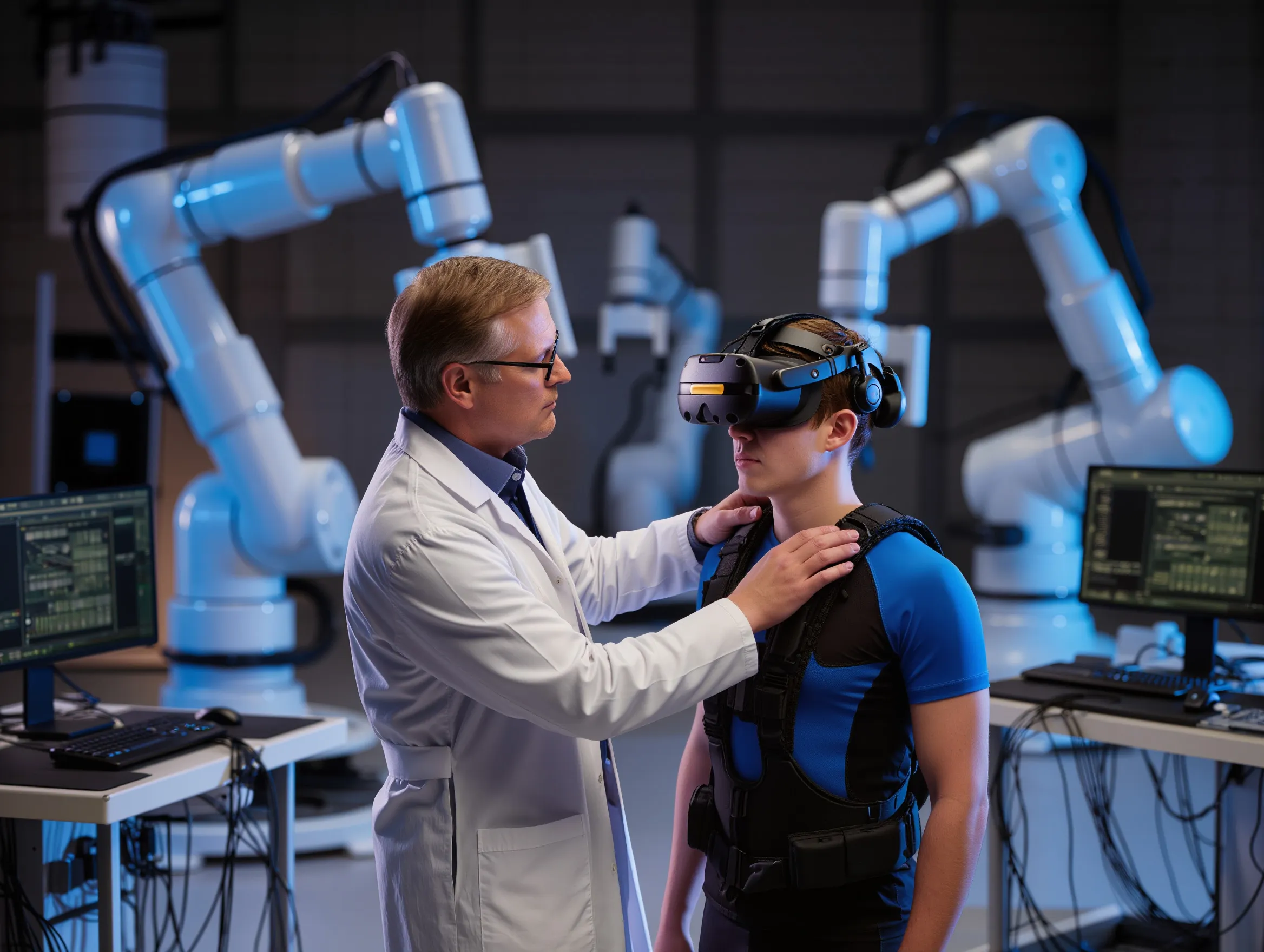
The innovation underscores a broader principle in technological progress. Transformative advances often emerge not from headline announcements but from solving subtle physiological and engineering constraints. When a cosmonaut conducts a virtual spacewalk without blurred depth perception, the improvement will trace back to researchers in Novosibirsk who engineered a display architecture capable of reconciling pixel-based imagery with the optics of human vision.