AI System Speeds Up Sunflower Seed Quality Assessment
Russian researchers have developed a computer vision system that accelerates sunflower seed analysis, helping plant breeders improve the efficiency of crop development programs.
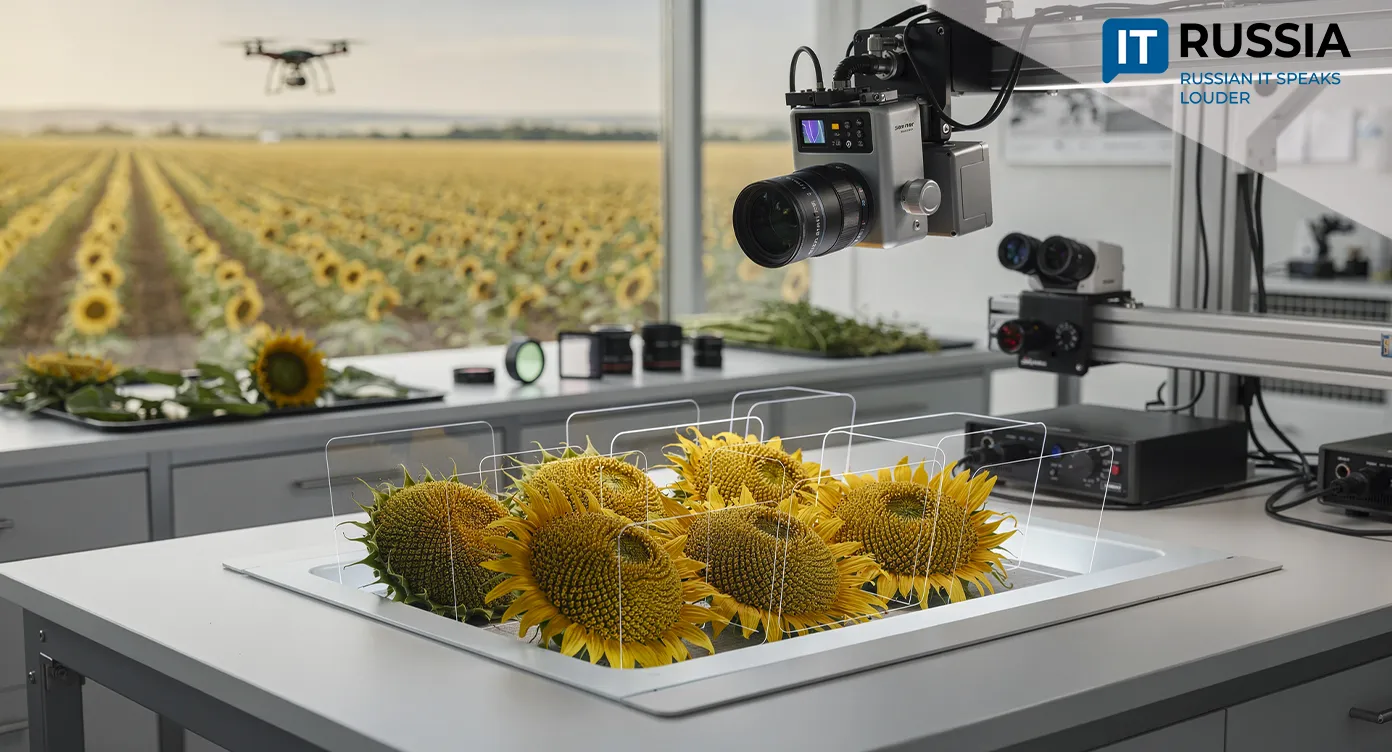
Sunflower is one of Russia's most important oilseed crops. Until recently, however, the country relied heavily on imported seed material. Just six years ago, domestically bred seeds accounted for only 22-25% of the market. That dependence represented a significant vulnerability for Russia's food security. In 2020, the transition toward domestically developed seed stock was formalized in Presidential Decree No. 20 of January 21, "On the Approval of the Food Security Doctrine of the Russian Federation." The national objective is for domestically developed seed material to account for 75% of the country's principal crops by 2030.
Russian plant breeders have made steady progress in implementing that strategy, and the situation has changed substantially. By 2025, sunflower seeds developed through Russian breeding programs accounted for more than 50% of the domestic market, with high-performance hybrids representing half of that share. Achieving the country's long-term targets now depends on accelerating breeding cycles, where digital technologies are expected to play an increasingly important role.
Counts Faster, Evaluates More Accurately
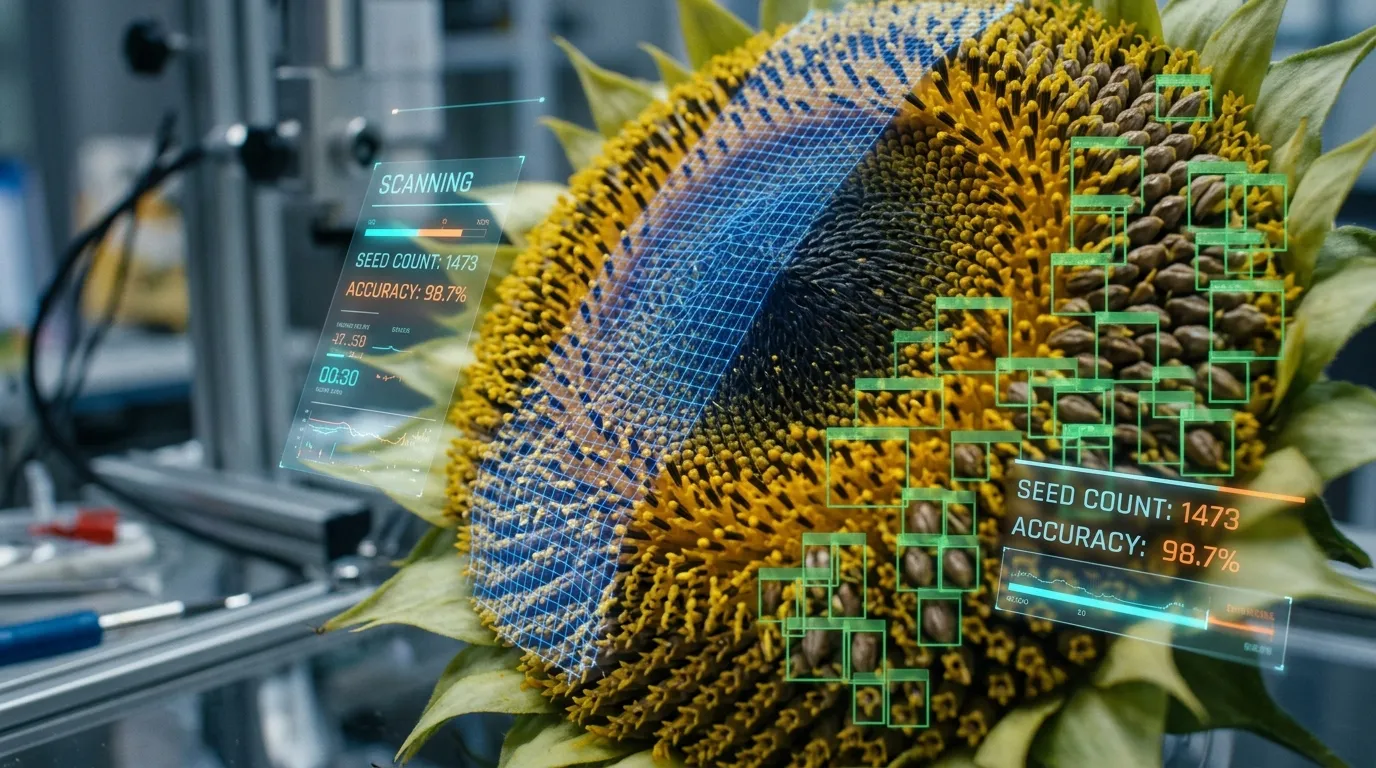
Researchers from the VNIISB (All-Russian Research Institute of Agricultural Biotechnology), part of the Kurchatov Genome Center, together with the Moscow Center for Advanced Technologies, have developed a computer vision system that accurately counts sunflower seeds and evaluates their quality directly on harvested sunflower heads.
Sunflower is one of the most challenging crops for plant breeders to analyze. Seeds are arranged in complex spiral patterns and frequently overlap one another. A single flower head may contain anywhere from several hundred to as many as one thousand seeds. Breeders must count them and distinguish fully developed seeds from empty or underdeveloped ones. Processing a single sunflower head manually typically requires about an hour of painstaking work.
The new digital system improves that process by an order of magnitude. A neural network now evaluates photographs of sunflower heads automatically, with the complete analysis of a single image – including upload and result generation – taking about 30 seconds.
Field-Scale Crop Analysis
The AI system was trained using a proprietary dataset containing more than 1,000 images of sunflower heads representing approximately 260,000 individual seeds. The resulting model achieved an overall accuracy of 88%, exceeding typical human performance. Even so, the developers emphasize that the AI is designed to support researchers rather than replace them.
"Manual counting is affected by fatigue and other human factors, and its speed is simply incomparable. This system is not a replacement for an expert but a powerful screening tool. It takes over routine, labor-intensive work, allowing scientists to focus on more complex tasks. The process is also completely non-destructive – no cutting or seed extraction is required," said Maksim Patrushev, Deputy Director for Biology and Genetics at the Kurchatov Institute National Research Center.
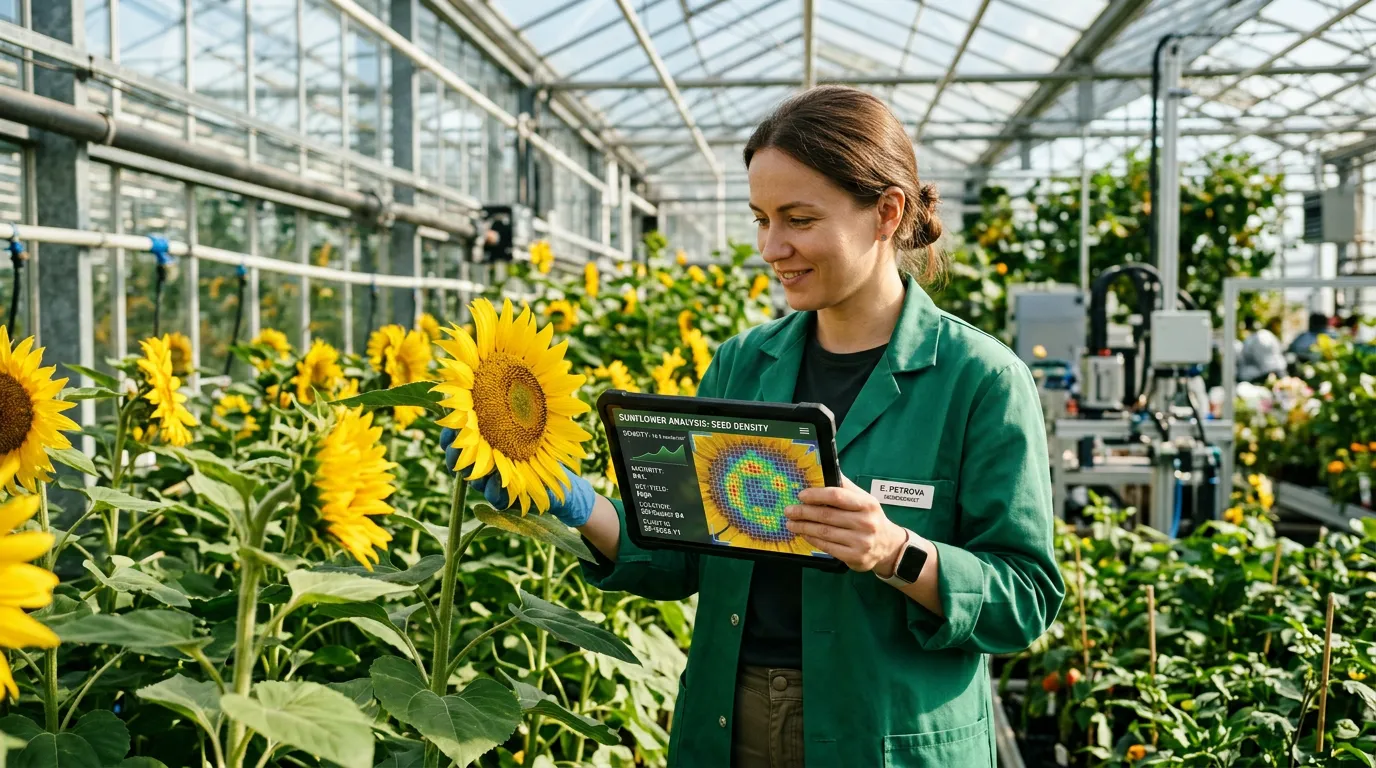
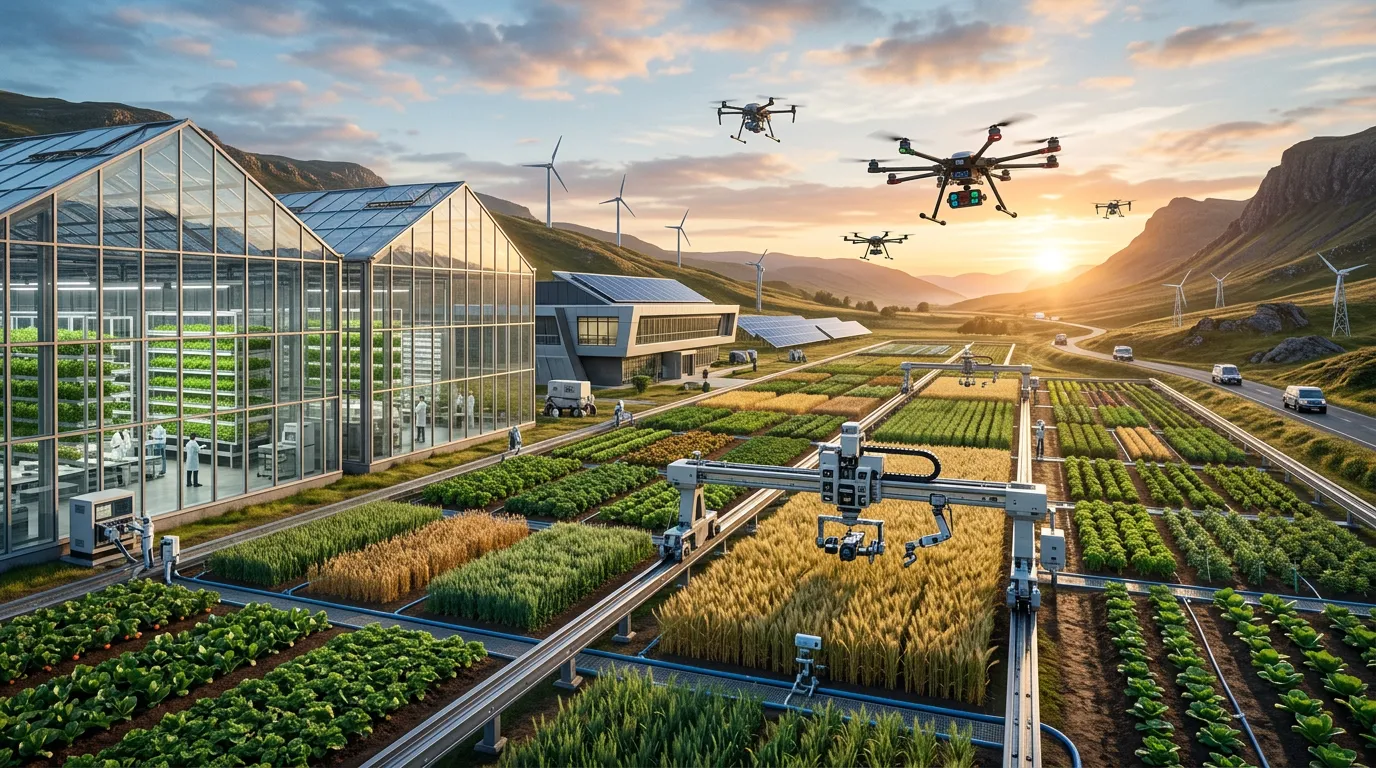
The developers plan to adapt the platform for drone-based operation, enabling sunflower crops to be analyzed directly in the field. They are also inviting crop producers to evaluate the system through a dedicated bot. In addition, the annotated dataset used to train the model has been made publicly available.
Digital Plant Breeding
Computer vision technologies have already become an established part of Russian agriculture. For example, the Steppe agricultural holding uses machine vision to count sunflower plants in the field. UAVs collect aerial imagery, while the digital platform evaluates crop quality and field conditions.
The new development raises the technology to a significantly higher level of analytical precision. It will enable breeders to identify promising plants much more quickly while processing substantially larger numbers of seed samples. As a result, the development of high-yielding and resilient Russian sunflower hybrids is expected to accelerate severalfold. Plant breeders believe that domestically developed sunflower seed material could account for more than 90% of the market within the next few years.
Once trained on additional datasets, the platform will also be able to analyze other crops, helping accelerate breeding programs and the development of improved crop varieties.
Looking ahead, computer vision systems like this are expected to become part of integrated digital platforms for accelerated plant breeding. Their analytical results will be combined with genetic data, further shortening the time required to develop new crop varieties and hybrids. Newly developed seed lines will receive digital passports that can be readily integrated into these breeding platforms.
As the technology is adapted for broader use, seed analysis systems and digital breeding platforms are expected to find applications in other countries seeking to accelerate the development of new crop varieties, creating a new export opportunity for Russian agricultural technology.