

TITAN-2 Digitises Quality Control for Nuclear Power Plant Equipment Deliveries
JSC TITAN-2 Concern has introduced a digital tool that systematises quality requirements for equipment supplied to nuclear power plants.
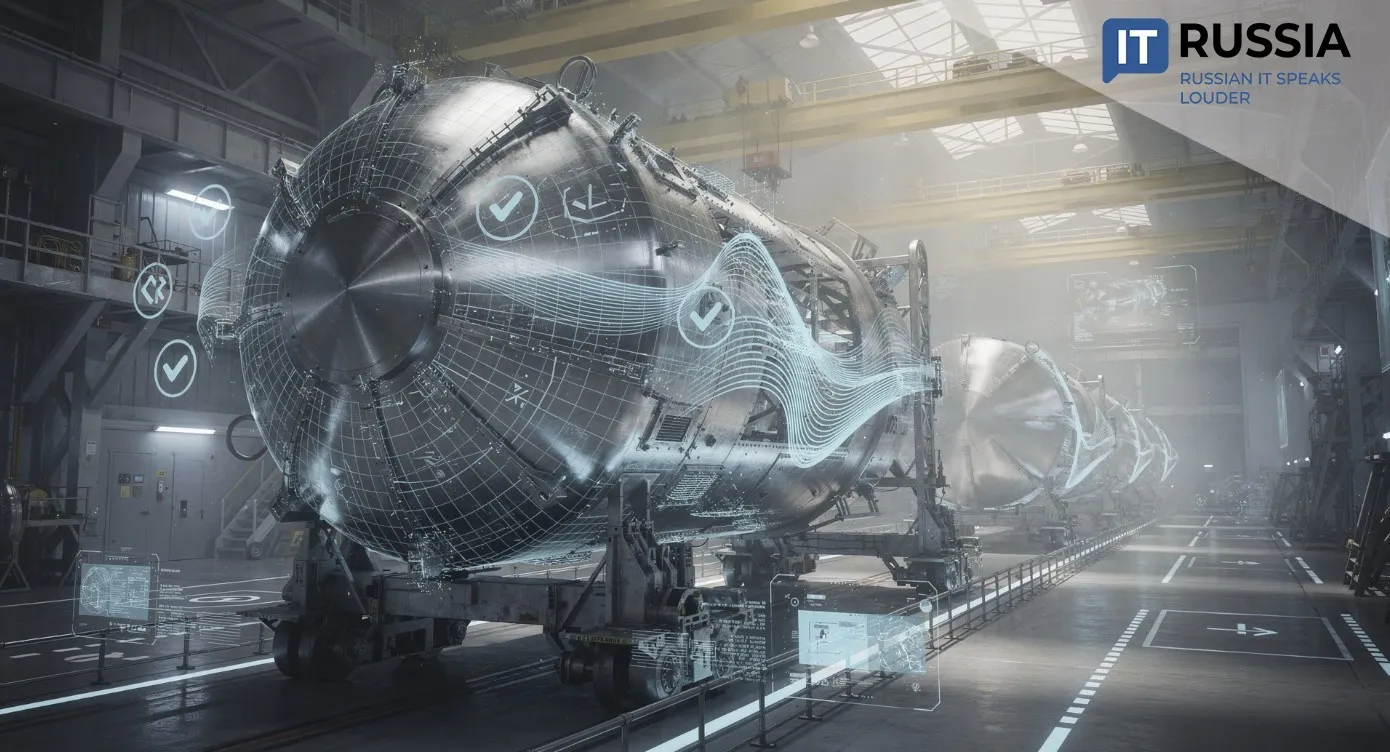
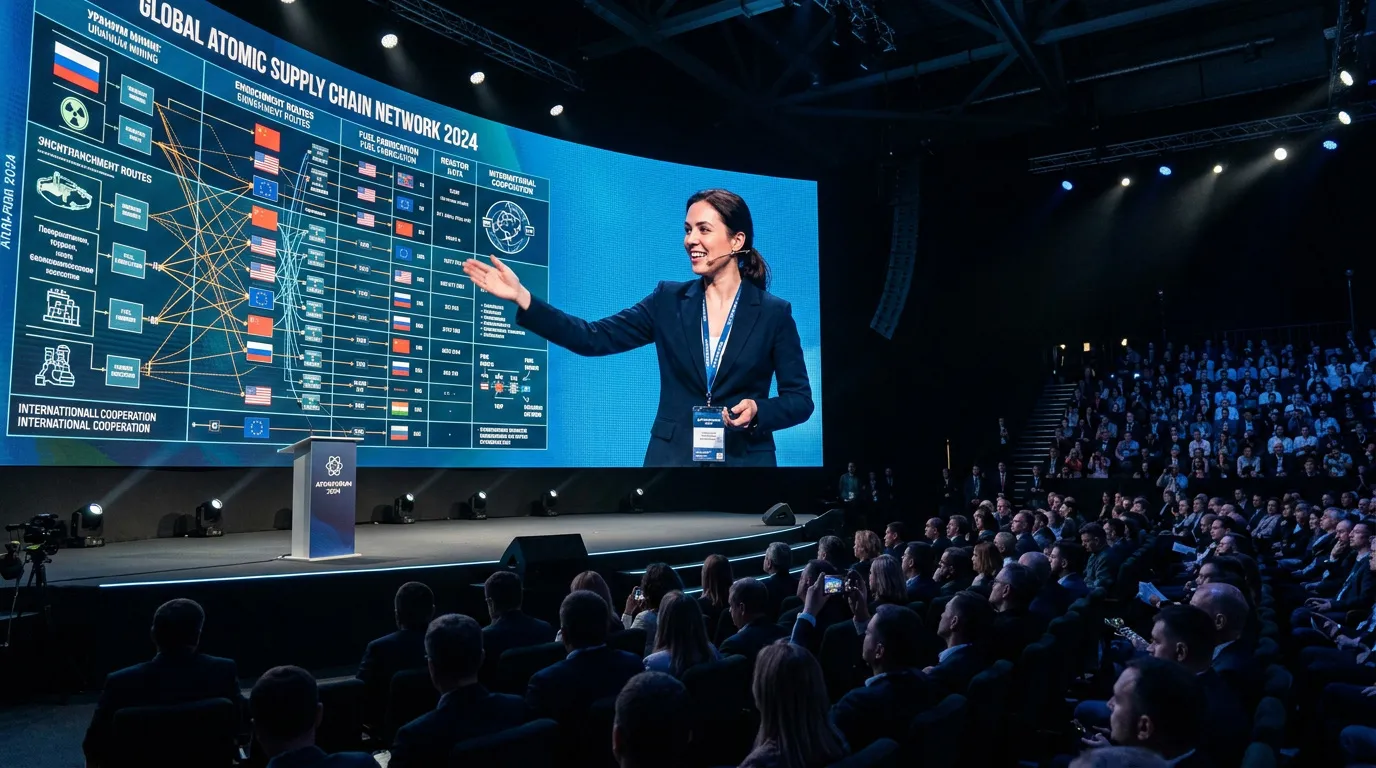
The development uses consolidated matrices to bring together hundreds of customer requirements and monitor compliance throughout every stage of the process, from manufacturing to acceptance at the construction site. The system is already being used on the Paks II nuclear power plant project in Hungary and received the Audience Choice Award at Rosatom's Kachestvo bez poter (Quality Without Losses) forum.
Logistics and Quality Control Challenges
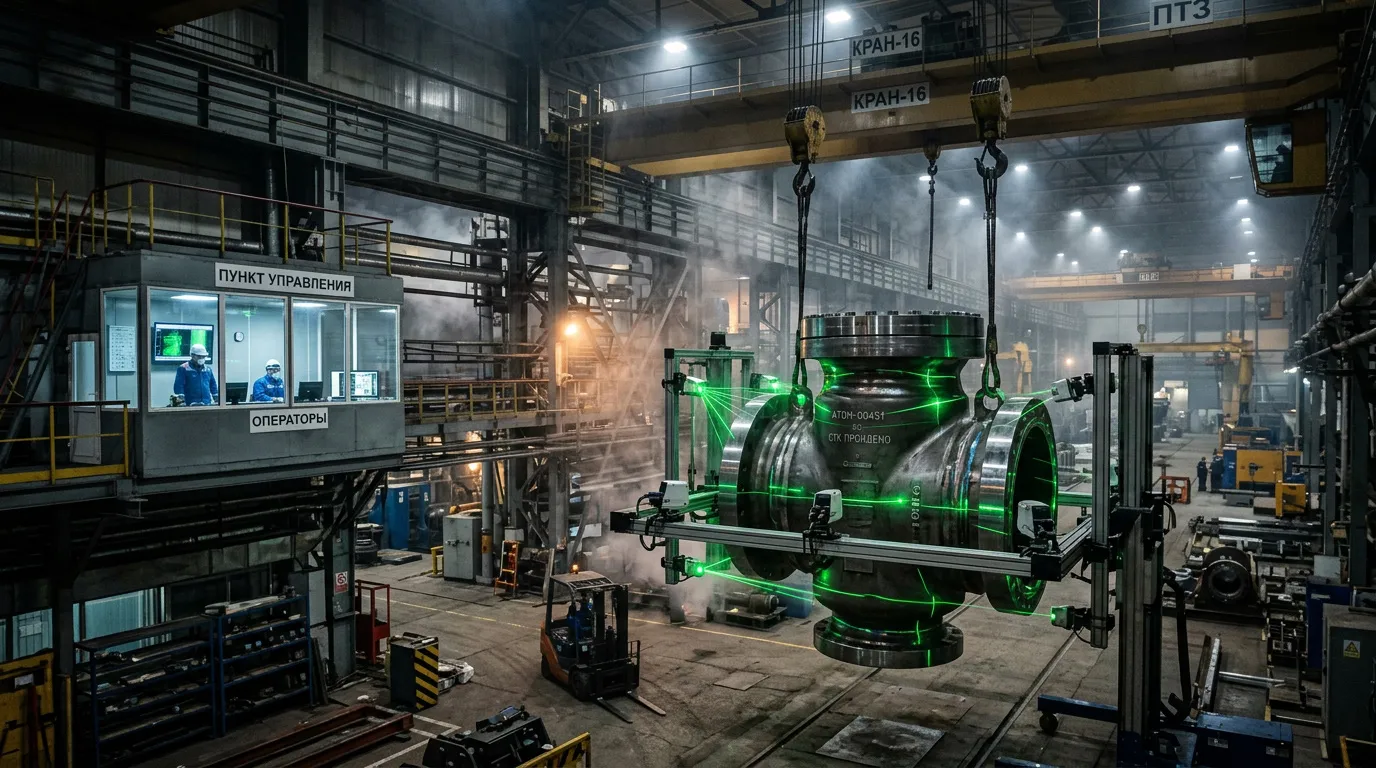
Building a nuclear power plant requires the delivery of thousands of pieces of sophisticated equipment. Every item, from pumps and shut-off valves to reactor vessel components, is accompanied by an extensive package of contractual requirements. Customers specify detailed conditions covering materials, welding methods, inspections, certification, packaging and supporting documentation.
A nuclear power plant is an exceptionally complex technological facility in which every component must be supported by certified quality documentation.
Safety Class 1 equipment is manufactured under the supervision of regulatory authorities from both participating countries. Any discrepancy between the actual product and the documented specifications can lead to lengthy investigations, the return of equipment to the manufacturer and delays to construction and installation schedules. Idle time at a nuclear construction site can cost millions of rubles per day, making early verification of documentation essential.
Traditionally, equipment requirements have been managed manually using spreadsheets and paper records. On large international projects involving dozens of suppliers from multiple countries, that approach increases the risk of errors. Documentation mistakes or the late submission of certificates can delay equipment acceptance at the construction site and create financial losses for all parties.
Matrices Replace Manual Control
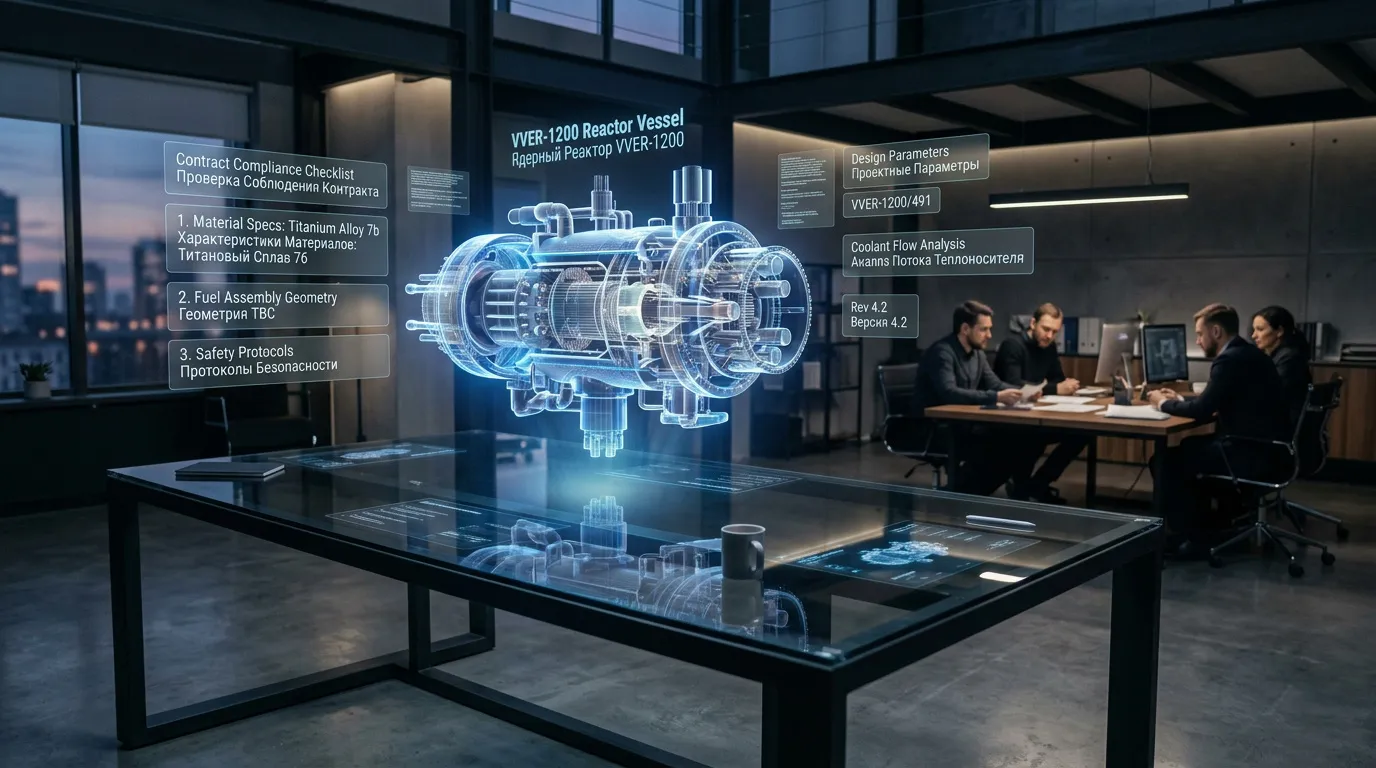
The tool developed by TITAN-2 engineers moves quality management into a digital environment. At the core of the solution are consolidated matrices that automatically extract requirements from contracts, technical specifications and applicable standards. The system structures the information and generates checklists for every stage of the equipment lifecycle.
Quality engineers and procurement managers work within a single system that displays the status of every requirement. The tool tracks inspections at manufacturing facilities, verifies the availability of mandatory regulatory documentation and confirms that actual equipment characteristics match the approved specifications.
Testing the System at Paks II
The first major project to adopt the new tool is the construction of the Paks II nuclear power plant in Hungary. TITAN-2 is serving as the general contractor for the construction of two new VVER-1200 reactor units. The project combines the stringent requirements of a European customer with the need to integrate Russian nuclear technologies into local and international regulatory frameworks.
The Hungarian project is being implemented through close cooperation with European regulatory authorities and local subcontractors. The digital requirements matrix serves as a single source of information for all project participants, eliminating differing interpretations of contractual requirements. The system interface also generates automated reports for the customer.
The digital tool enables the TITAN-2 team to coordinate work with hundreds of suppliers. It also alerts users in advance when documentation must be prepared.
Industry Recognition
The tool was presented at the Kachestvo bez poter forum, which Rosatom regularly holds to share best practices in quality management and production systems. The development received the Audience Choice Award, demonstrating its relevance across the nuclear industry.
Managing contractual quality requirements remains an industry-wide challenge. It affects every organisation within the construction division, both on domestic projects and at international sites. The successful application of the system provides a foundation for wider deployment across additional projects, including new reactor units at Kursk II and Leningrad II, as well as nuclear construction projects in Turkey, Egypt and India.