

Machine Vision Gives Agricultural Drones the Eyes of a Plant Pathologist
Researchers at Kazan State Agrarian University have developed a machine vision system for the early detection of diseases affecting agricultural crops.
Today, increasing food production depends not only on improving crop yields but also on combating plant diseases and pests. According to the Food and Agriculture Organization of the United Nations, roughly one-third of the world's harvest is lost each year to pests and diseases. That makes the development of effective automated methods for identifying crop diseases one of the world's most important agricultural challenges. Russian developers of digital technologies are introducing new solutions designed to protect plant health.
Digital Eyes for Agriculture
Scientists in Tatarstan have developed machine vision algorithms capable of predicting plant diseases. Researchers at Kazan State Agrarian University have created a machine vision system that detects crop diseases at an early stage, when symptoms are still almost invisible to the human eye.
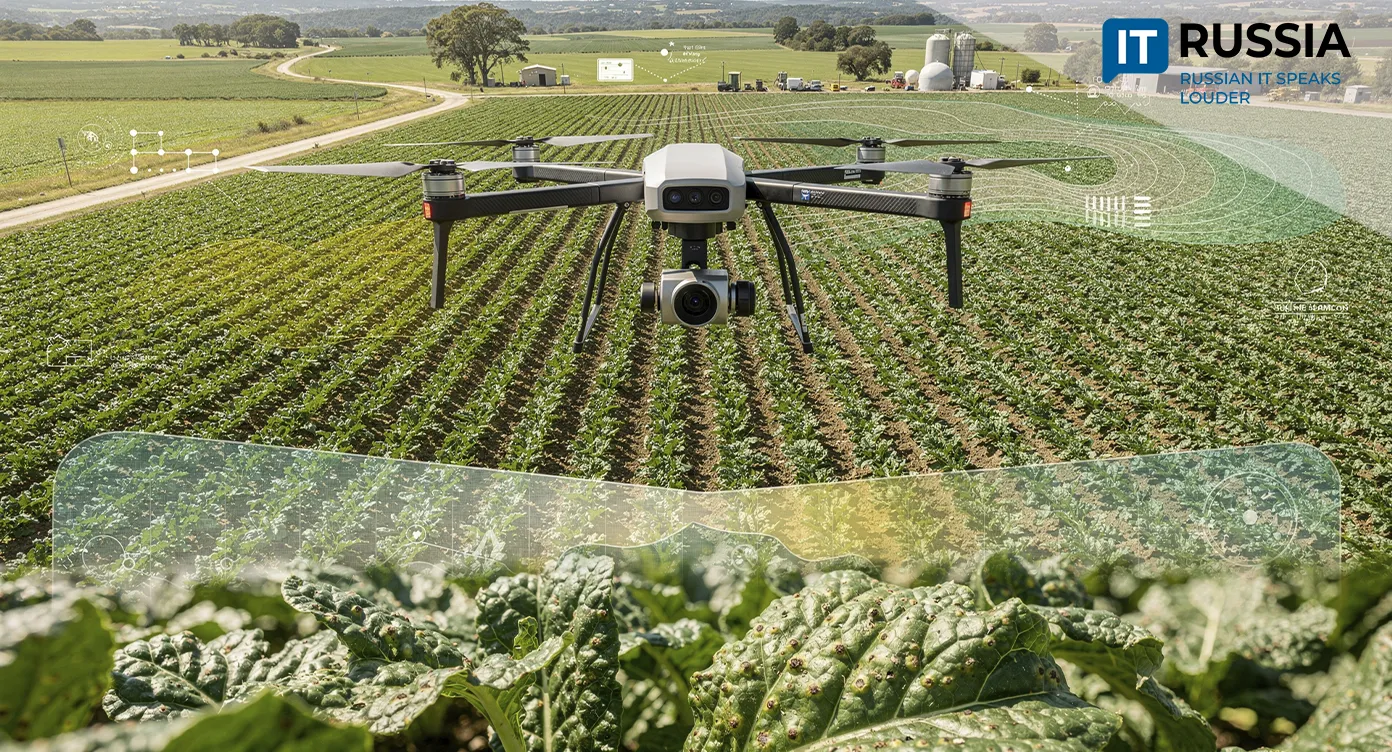
The technology's key advantage is that it operates from agricultural drones. This enables agronomists to overcome three fundamental challenges in crop production: late disease detection caused by the vast size of agricultural fields; selective field inspections that fail to provide a complete picture of crop conditions; and the slow process of gathering information and responding to disease outbreaks due to the lack of integrated information systems.
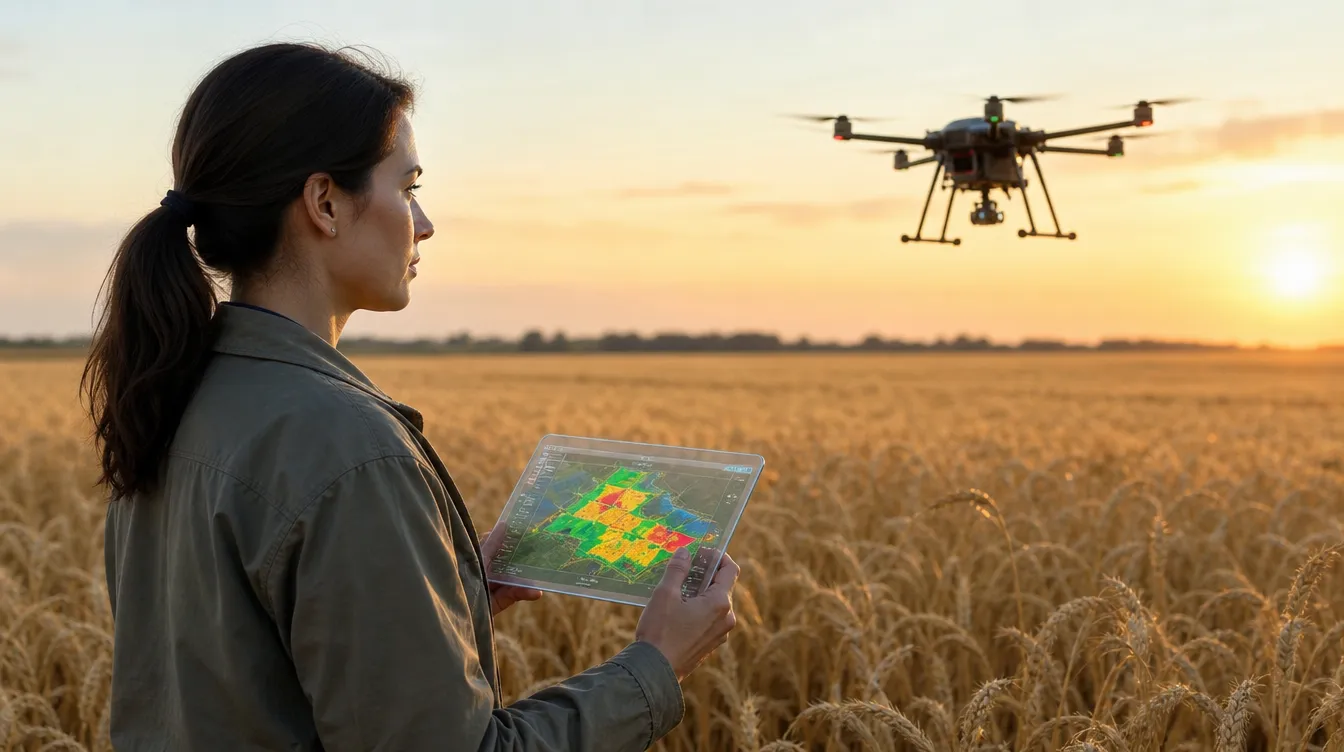
An unmanned aerial vehicle equipped with the machine vision system addresses all three challenges. Drones can rapidly scan vast agricultural areas while assessing the condition of thousands of plants, making it possible to identify disease hotspots quickly.
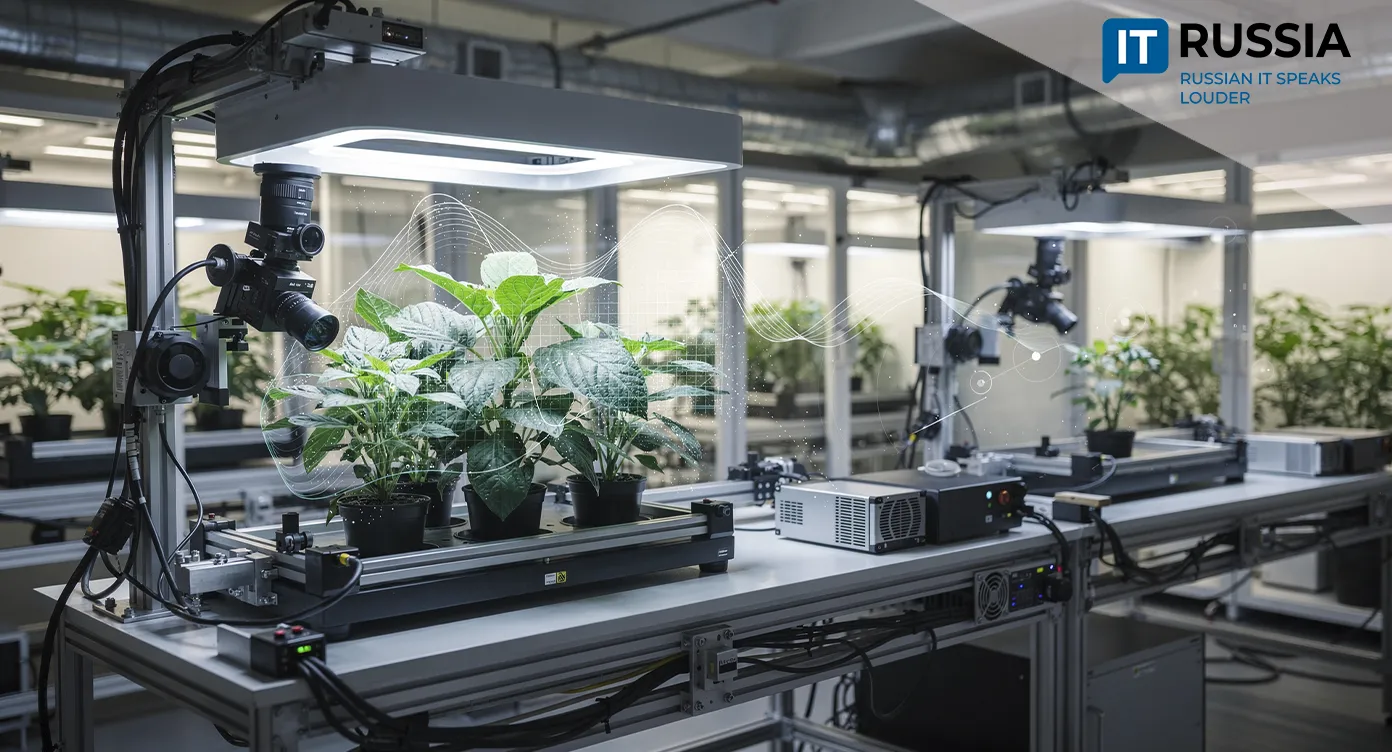
Machine vision also makes it possible to diagnose diseases by detecting subtle characteristics that people may overlook or notice only after significant delays. Plant diseases often leave faint yet distinctive "fingerprints" on leaves, including altered textures, unusual spots, characteristic pigment distribution, and deformation of leaf structures. In some cases, physiological changes also alter the way leaves reflect light or affect their temperature. Moreover, machine vision is not limited to the visible spectrum. Its cameras capture reflected light across dozens of narrow spectral bands, allowing physiological changes to be detected at the earliest stages. Finally, machine vision does not become fatigued. It follows predefined algorithms consistently and identifies the diseases it has been trained to recognize.
The Potential of Machine Vision in Agriculture
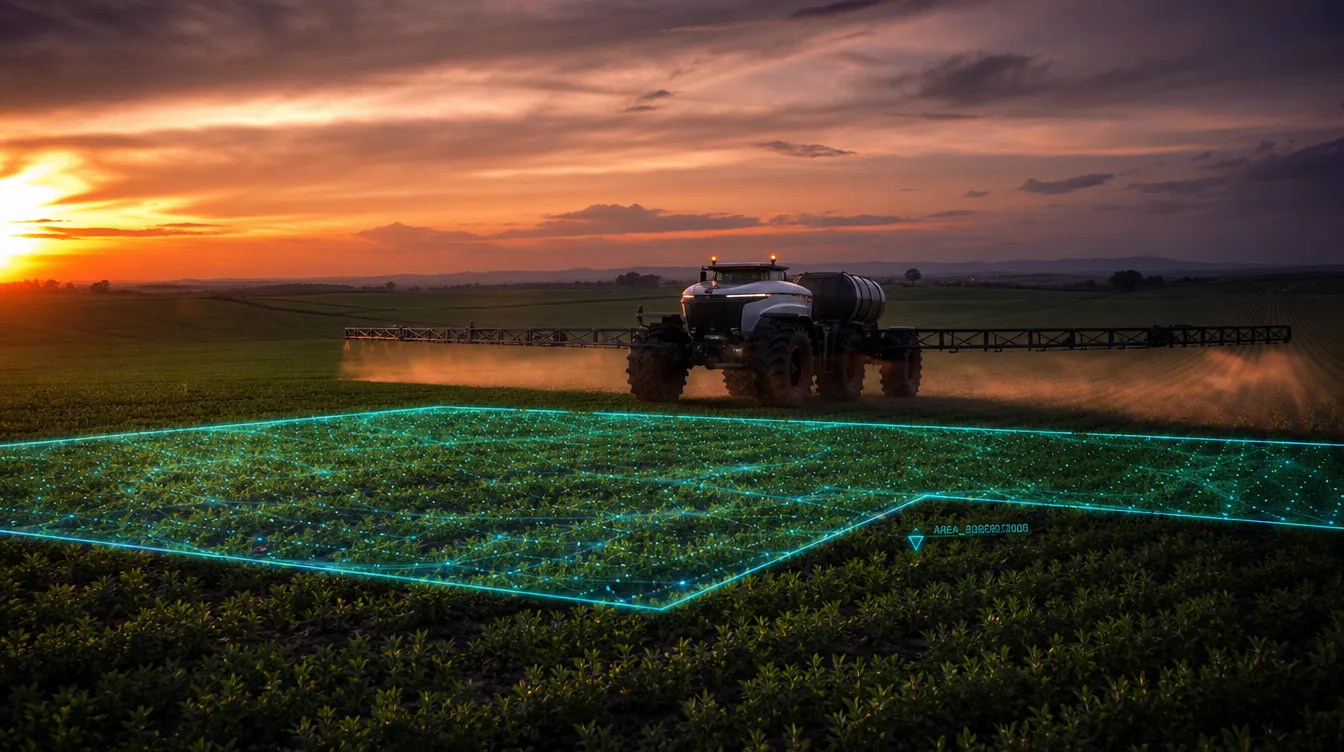
Machine vision systems have become an important milestone in automating crop production across Russia. Fast and accurate monitoring enables farmers to identify pests and diseases in time, reducing crop losses. Producers can increase output without increasing operating costs. Once machine vision systems are integrated into precision agriculture platforms, farmers will also reduce their consumption of energy, water, and fertilizers. Together, these gains improve profitability and create new opportunities for investment in business development. Consumers, meanwhile, benefit from higher-quality produce because diseased plants are far less likely to go unnoticed.
Russia has been using precision technologies and computer vision to reduce agricultural costs for many years. For example, the approach is already being used to improve the efficiency of agricultural machinery.
"Using AI-powered driver assistance systems for agricultural machine-and-tractor units makes it possible to reduce crop production costs through more precise seeding, lower fuel consumption, and higher productivity," said Ilshat Nuriev, Rector of Kazan State Agrarian University.
The next stage is now underway: integrating machine vision with unmanned aerial vehicles, and development is progressing rapidly and successfully.
Helping Fight Global Hunger
Researchers at the Federal Research Center Institute of Cytology and Genetics of the Siberian Branch of the Russian Academy of Sciences and Novosibirsk National Research State University have developed another notable project. They created a platform for remotely monitoring crops using drones and computer vision systems, enabling the generation of field-density maps.
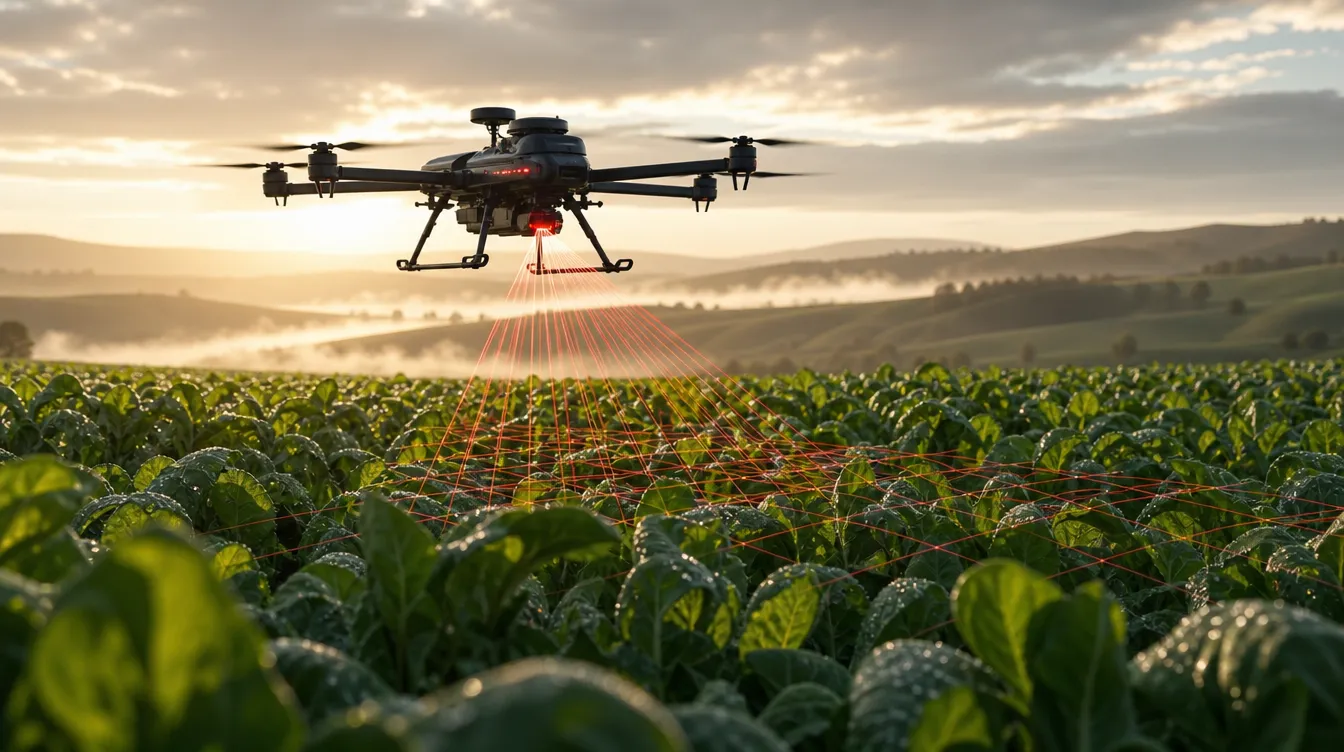
Engineers at the Artificial Intelligence Research Center of Novosibirsk State University are also testing a system that uses agricultural drones to detect Colorado potato beetle infestations in potato fields. The technology could replace broad-area chemical spraying with targeted treatment.
Over the next several years, similar Russian platforms are expected to become standard equipment at major agricultural enterprises across the country. They could also find strong demand in developing nations with rapidly growing populations, where improving food security remains a pressing priority. Those regions need affordable and effective systems capable of detecting plant diseases at the earliest possible stage.