Mayak Is to Dismantle Its First Uranium-Graphite Reactor
Mayak production complex has completed the first stage of a comprehensive engineering and radiological survey of the AI industrial uranium-graphite reactor.
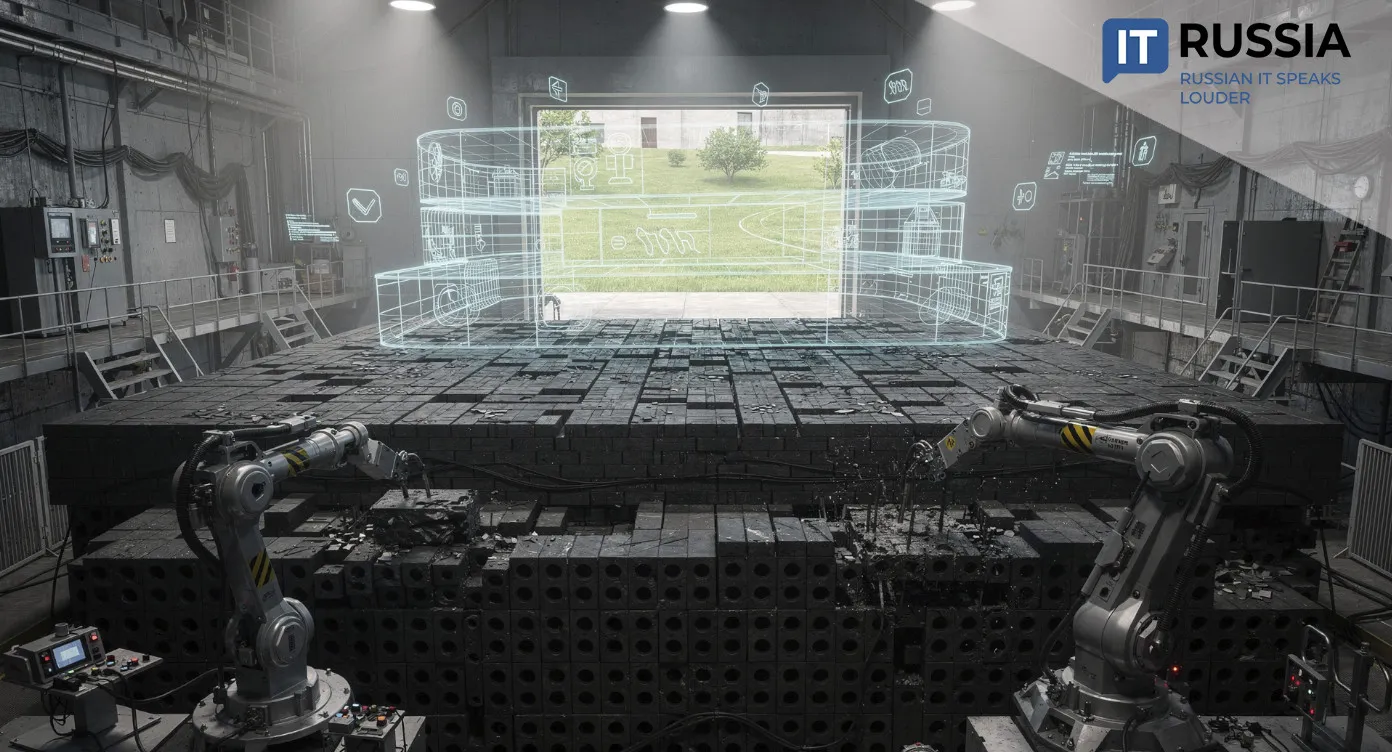
The completed work has produced a digital model of the facility and a technology for the sequential dismantling of its graphite stack. The survey results and modeling data have been transferred to the organization responsible for preparing the engineering documentation for the reactor's phased dismantling.
A Comprehensive Assessment of Soviet Nuclear Legacy
The AI reactor is a Soviet industrial uranium-graphite nuclear reactor. Commissioned in Ozersk in 1951, it was later modified to produce tritium, with the "I" in the AI designation referring to izotopny ("isotope"), making it Mayak's first industrial uranium-graphite reactor. The unit operated for nearly 36 years before being permanently shut down on May 25, 1987. It has since remained in long-term safe storage and is now being prepared for full dismantlement.
During the first stage of the engineering and radiological survey, specialists examined the reactor buildings and associated structures, carried out more than 10,000 radiation measurements, and drilled eight boreholes to determine the depth profile of soil contamination. More than 590 samples were collected from structural materials, process media, surface soils around the site, and groundwater obtained from the boreholes.
This extensive body of baseline data is essential for building an accurate picture of the facility's current condition. Without a detailed understanding of contamination levels and distribution, it would be impossible to design a safe dismantling sequence or accurately determine the radiation protection measures required for personnel.
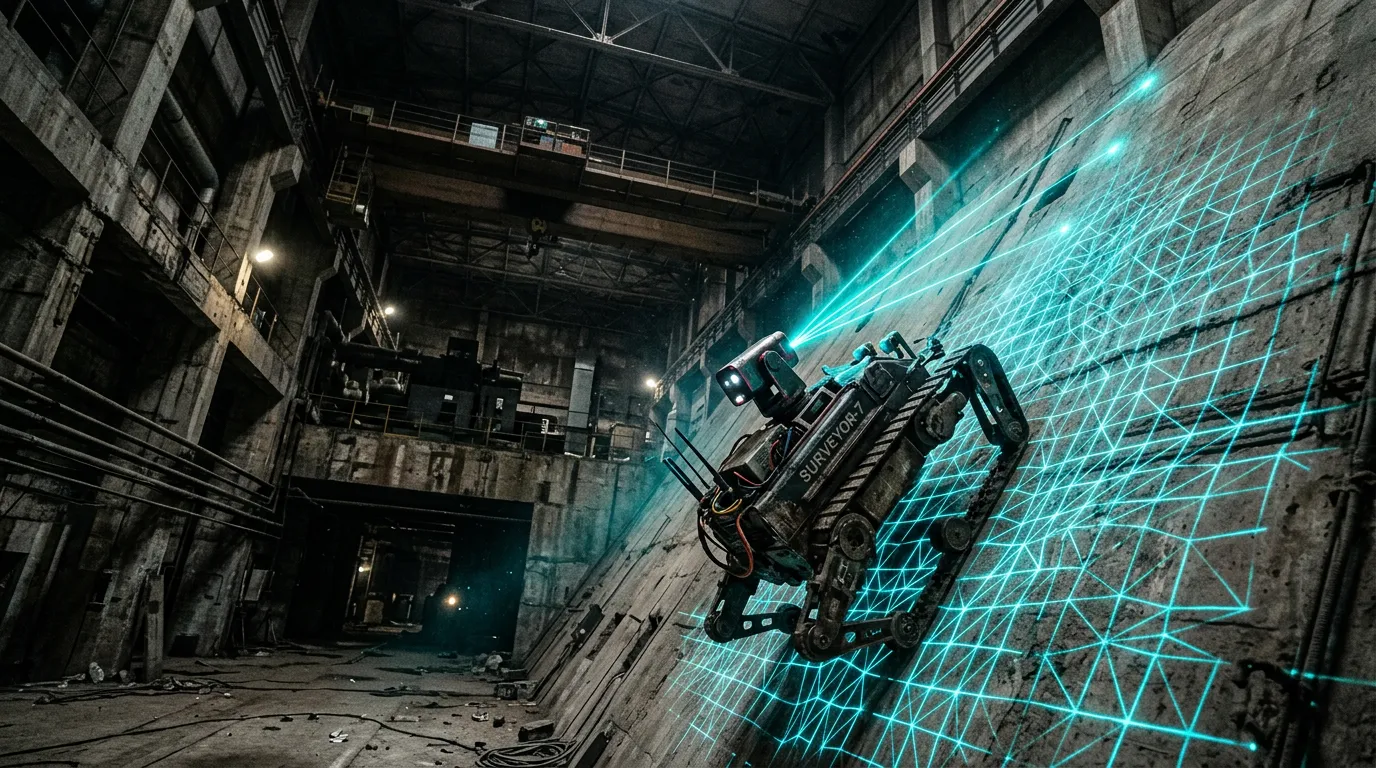
A Digital Model as the Foundation of the Project
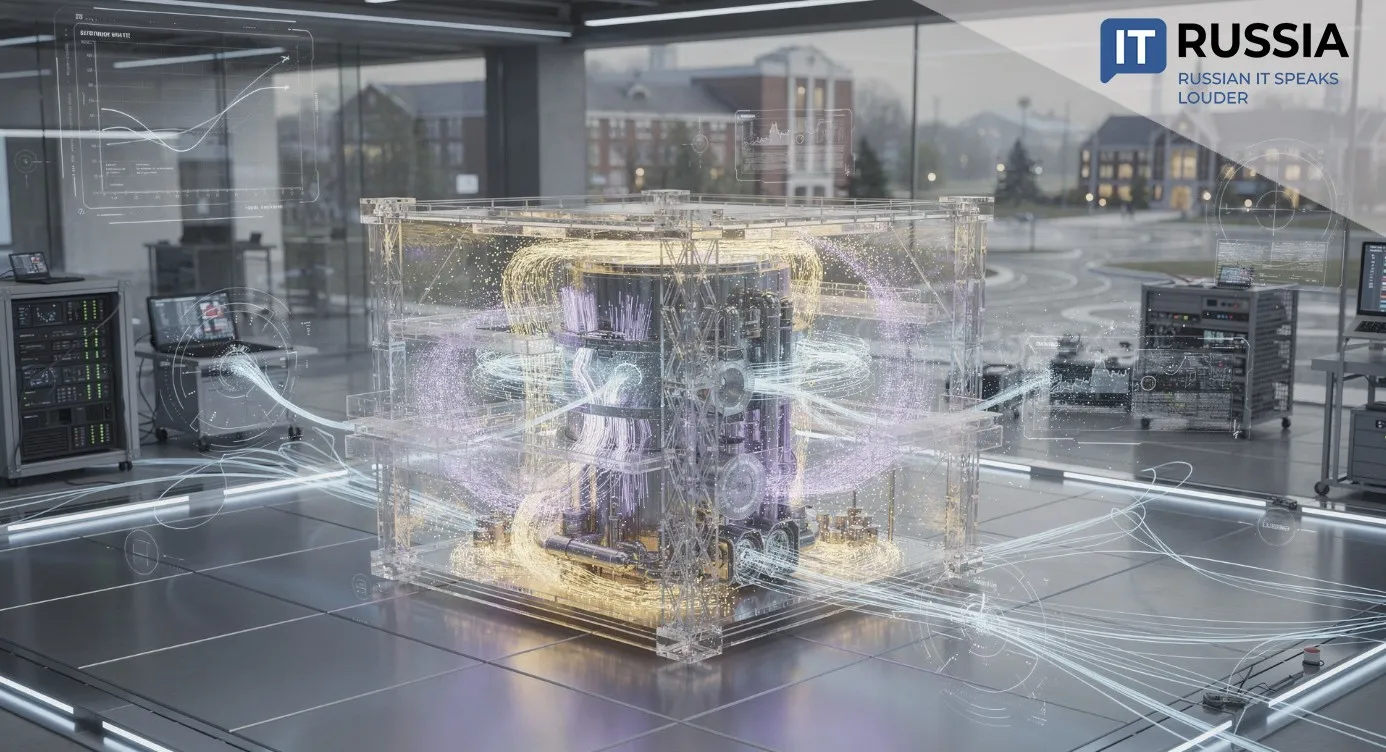
The survey produced a digital model of this uranium-graphite reactor together with a technology for the sequential dismantling of its graphite stack. These materials will serve as the foundation for the project's engineering documentation.
Digital modeling makes it possible to evaluate multiple dismantling scenarios in advance, assess structural loads throughout dismantling operations, and optimize radioactive waste handling logistics. Simulating each stage of decommissioning before field work begins reduces the risks associated with facilities that have operated for several decades.
The comprehensive survey program will continue through April 2027. The work involves specialists from multiple Mayak divisions together with external organizations possessing expertise in nuclear facility management and decommissioning.
The Challenge of Uranium-Graphite Reactors
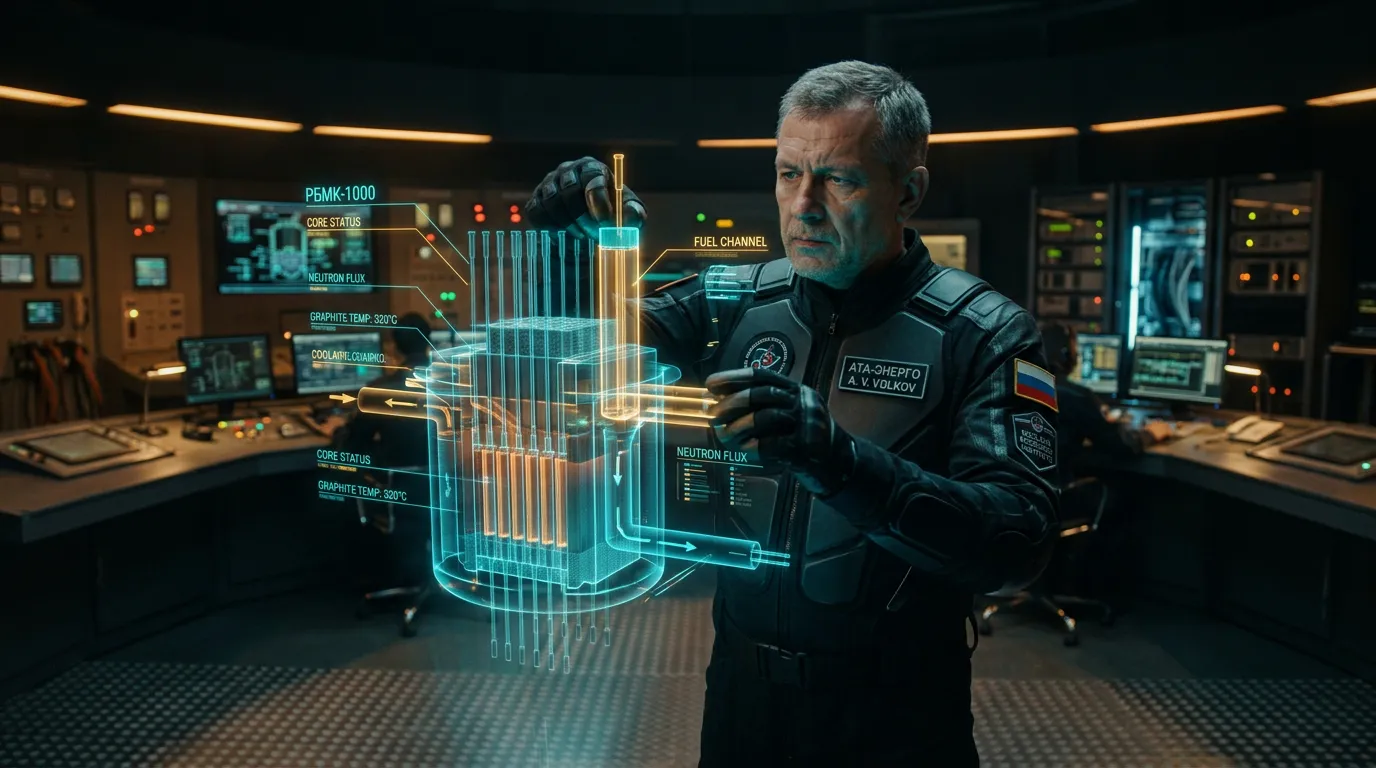
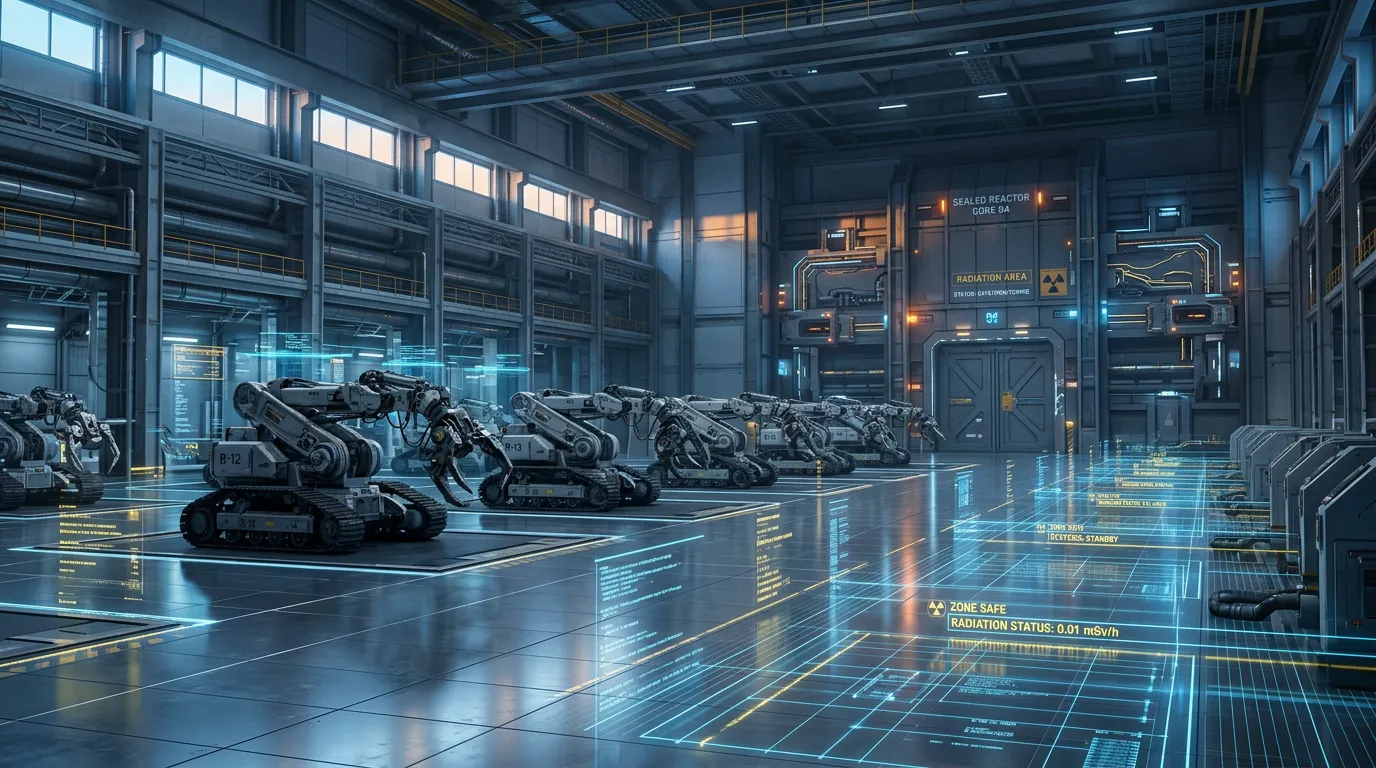
Decommissioning industrial uranium-graphite reactors ranks among the most technically demanding tasks in the global nuclear industry. The defining challenge is the massive graphite stack, which accumulates substantial radiation exposure during decades of reactor operation.
The AI reactor will be dismantled using the "in situ dismantlement" option. This approach involves complete removal of the graphite stack, management of the resulting radioactive waste, restoration of the site to a safe condition, and subsequent demolition of the remaining structures. The strategy is fully aligned with the objectives of the federal target program Obespecheniye yadernoy i radiatsionnoy bezopasnosti na 2016–2025 gody i na period do 2035 goda (Ensuring Nuclear and Radiation Safety for 2016–2025 and Through 2035).
The graphite stack requires specialized technologies and exceptional care during dismantling. It cannot be decontaminated using conventional methods. Instead, the material must be carefully removed, segmented, packaged, and prepared for subsequent storage or processing.
Strategic Context
Work on the AI reactor marks only the beginning of a much broader program. Mayak production complex plans to decommission virtually all remaining obsolete facilities from the Soviet nuclear legacy, including five industrial uranium-graphite reactors currently in long-term safe storage.
The program reflects a broader shift away from maintaining permanently shut-down facilities in a conserved state toward systematic, controlled decommissioning. Similar work has already begun at the Leningrad and Kursk nuclear power plants, where RBMK-1000 reactor units are being decommissioned.