Paperless Monitoring: Construction Company Automates Tax Reporting
Construction company ESKM has switched to a new way of working with the tax service. Data is now transmitted online, without excessive paperwork or unnecessary checks. The system generates documents and sends them to the tax service automatically.
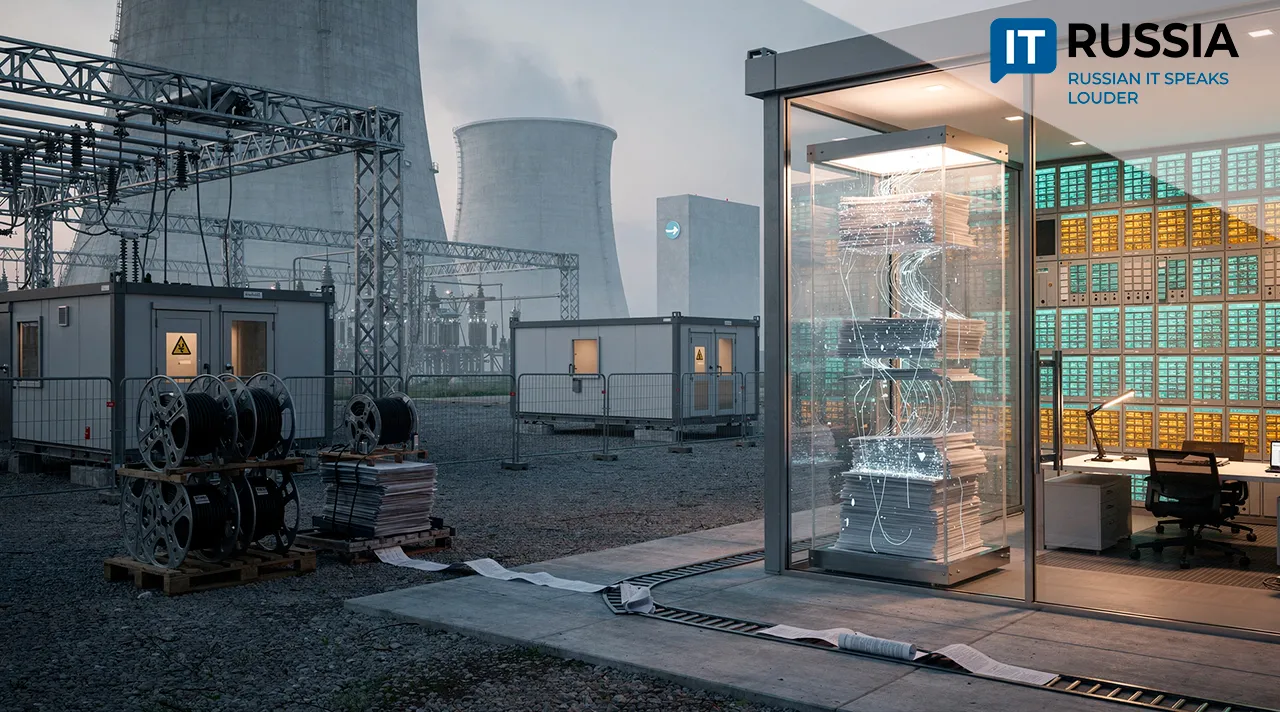
Russia’s largest construction corporation, ESKM, which works on strategic facilities, has moved to tax monitoring. Together with Russian IT company Axioma-Soft, it has automated the preparation and transmission of data to the Federal Tax Service (FTS).
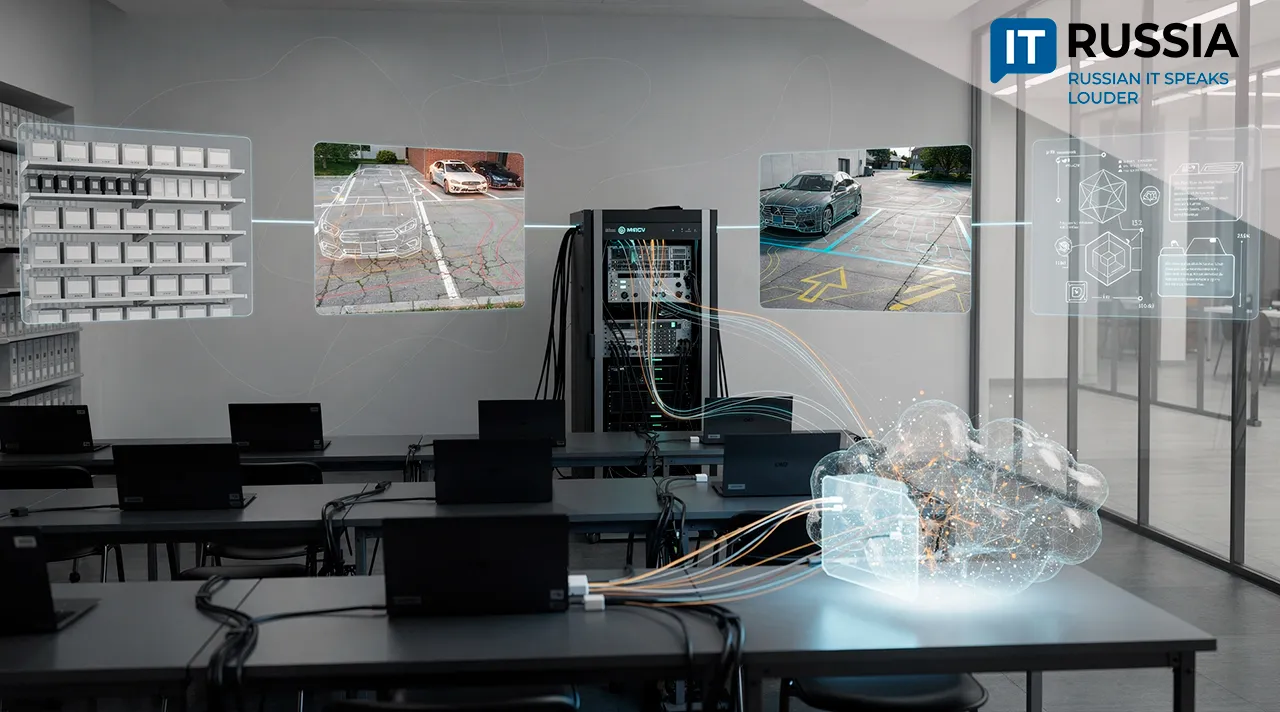
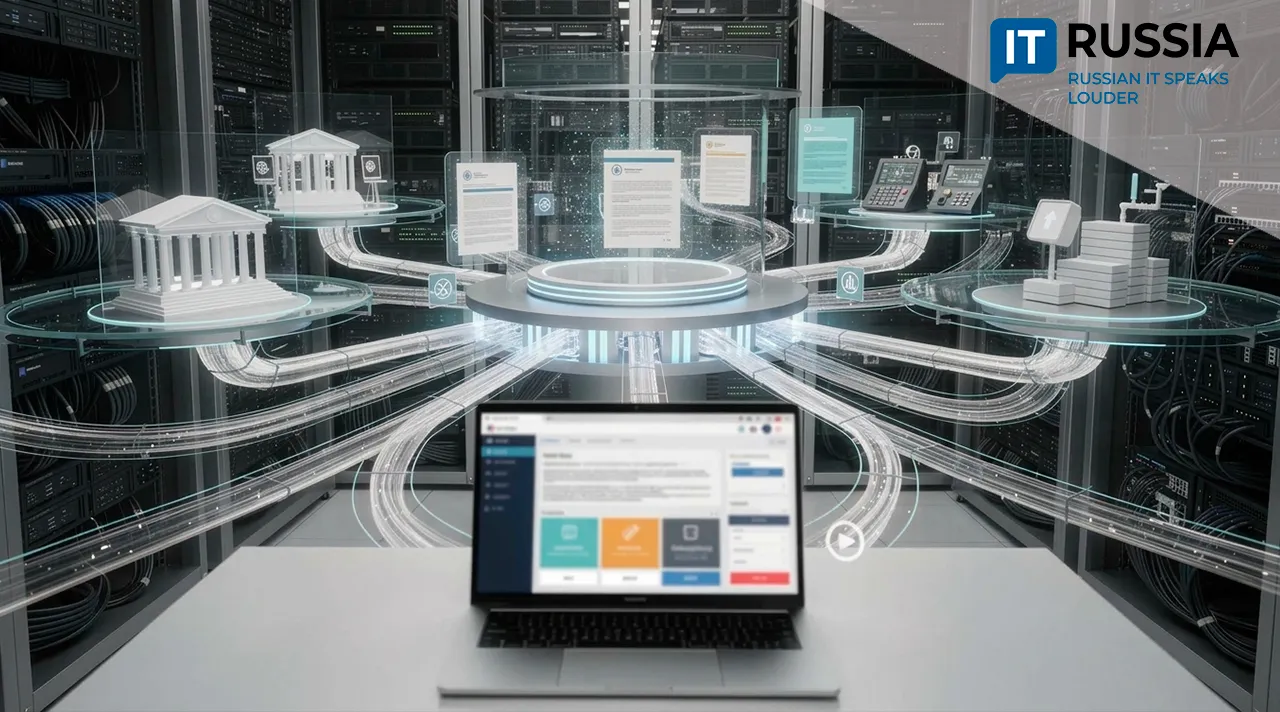
The technical side of the project is built around two solutions: the 1C:ERP accounting system and a dedicated tax-monitoring module. The company’s data was consolidated into a single data mart, which was linked to an electronic document archive. A direct data-exchange channel with the tax service’s information system was then configured. The result is an automated flow of information that no longer requires manual work or paper documents.
How It Worked Before
ESKM is a diversified company headquartered in Krasnodar, with offices in Russia and other countries. It performs installation, repair and commissioning work on electrical equipment at thermal and nuclear power plants, substations and industrial facilities.
Before switching to tax monitoring, ESKM worked with the Federal Tax Service under the traditional tax administration model. Reports were submitted through an electronic document exchange operator, while responses to requests from the tax authority were provided electronically or on paper. Oversight took the form of desk audits and, when necessary, on-site audits.
Tax monitoring is a different model. The tax service gets secure, real-time access to a company’s data. That reduces the need for audits and makes it possible to resolve disputed issues more quickly.
How Does the Automation Work?
IT specialists based the system on the classic 1C platform. Company employees were already familiar with it, so the transition was relatively straightforward and did not require retraining them from scratch. The central accounting database runs on 1C:ERP and serves as the foundation for the data mart. In practice, the data mart is a separate repository where the tax service can retrieve the information it needs.
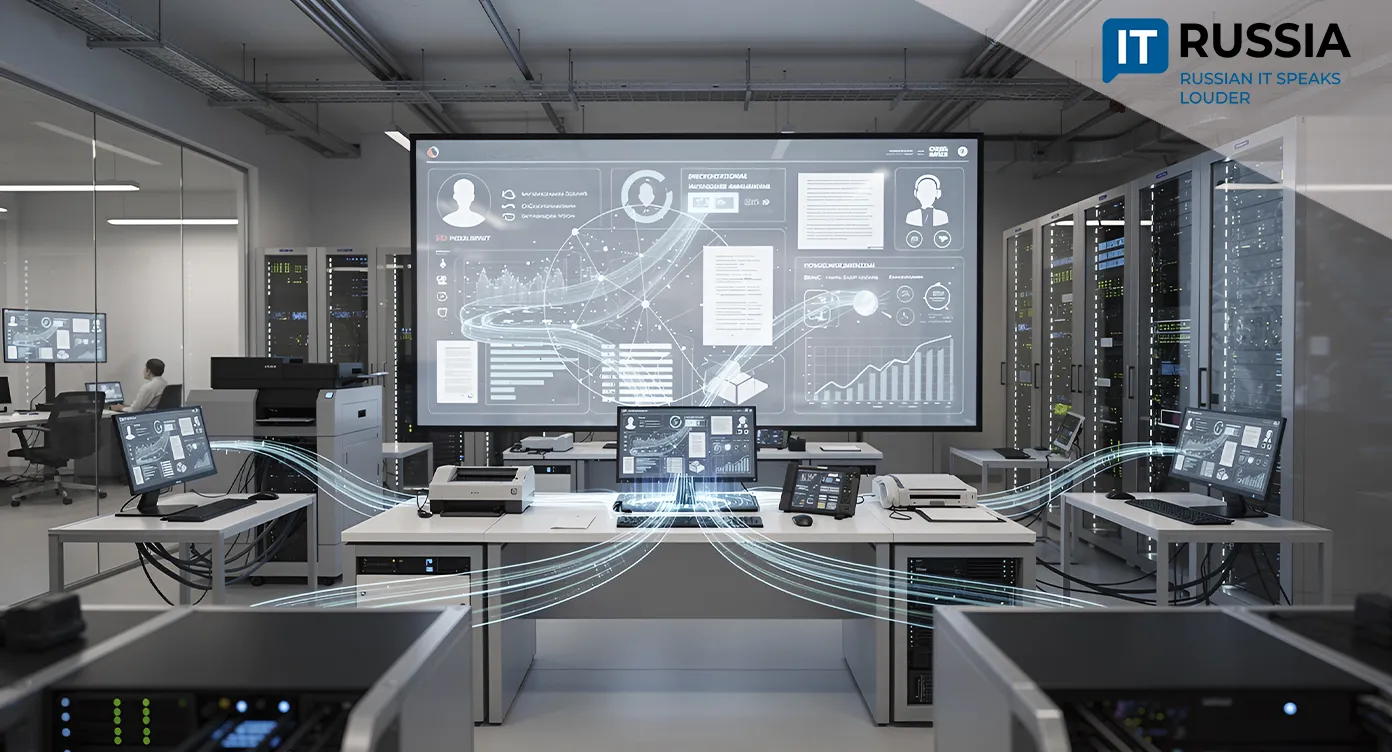
The team then set up automated data exchange among three systems: the accounting database, the data mart and the electronic document archive. Web services connect the systems, allowing the software to exchange data without human involvement. A separate channel was also set up to send documents to the tax service’s information system.
Key processes were automated as well. Data is transmitted with format checks, so the system itself verifies that the information is complete and correct. The list of primary accounting documents is generated automatically from accounting data.
The electronic archive is synchronized with the accounting system: documents are attached to records in the database, while links to scanned copies are sent to the data mart. To make sure nothing is missed, the company introduced scheduled checks and interactive reports that show exactly where information is missing.

What Does the Business Get?
The automation cut employee workload and administrative costs by 25%. Labor costs across individual departments fell by 40%, while the time required to produce statutory reports dropped by 15%.
The automation also shortened the time needed to prepare information and respond to requests, improved data quality and completeness, and simplified the preparation of documents for working with the FTS. For ESKM, the system created a more transparent and manageable process for handling tax data. Much of the routine work is now automated, allowing employees to focus on checking the data and other tasks.
For a large company, this kind of automation is particularly important. An error or missing document caused by human error, for example, can require additional time to locate and correct. Automated checks can identify such gaps much earlier.

What About Exporting It?
This kind of interaction with the tax service is clearly convenient and economically beneficial. Could other countries be interested in it? The specific way ESKM works with the FTS cannot simply be transferred to another country. Tax systems, laws and reporting requirements differ from one jurisdiction to another. That does not mean, however, that the project’s experience cannot be applied outside Russia.
The underlying technologies could be of interest to overseas markets. They include ERP systems, financial oversight tools, electronic document management, corporate data management and integration services. For Russian developers, that creates an opportunity to export technologies they have accumulated for automating corporate processes.