

Russian Neural Network Uncovers the Secrets of 3D DNA Packaging Across 22 Species
Russian bioinformatics researchers have developed a neural network called Chimaera that can predict the three-dimensional structure of a genome using only a DNA sequence. The system was trained on organisms ranging from yeast and algae to humans.
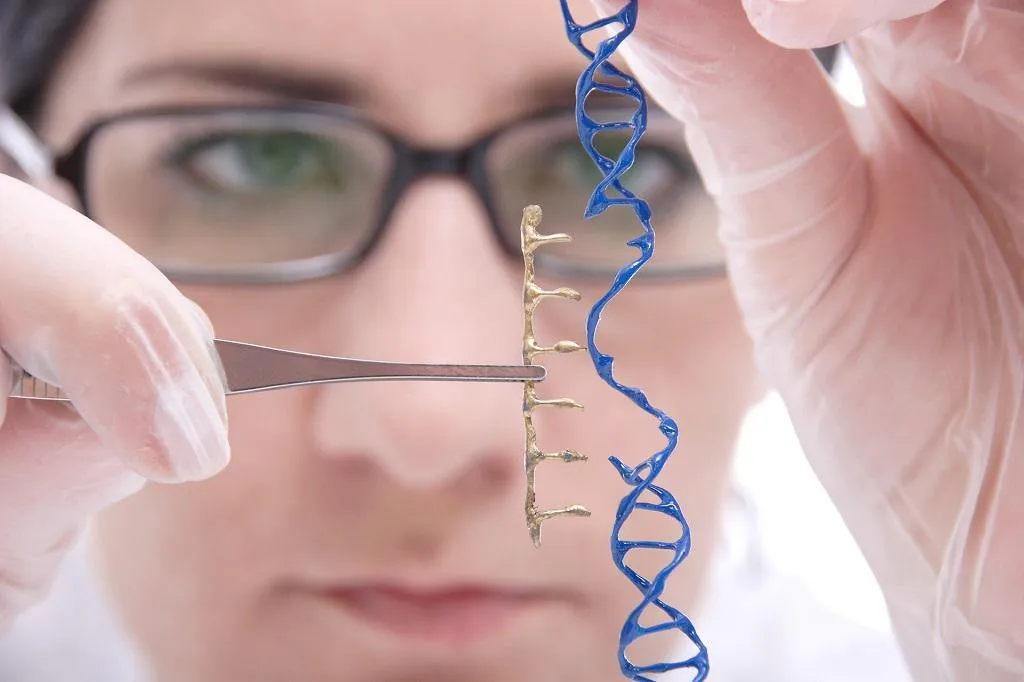
DNA inside a cell is not stored randomly. Instead, it folds into a complex three-dimensional architecture that directly affects how genes function. Scientists have long known about the existence of loops, stripes, and insulated regions inside the genome, but it remained unclear whether the mechanisms behind those structures were the same across species. To investigate the question, the Russian research team analyzed data from 22 organisms, including humans, mice, frogs, zebrafish, bees, ants, fruit flies, nematodes, and yeast.
The findings surprised the researchers: similar genomic structures in different organisms can emerge for entirely different biological reasons. The neural network also found that DNA packaging depends not only on the location of genes, but also on the direction in which they are read. Using those results, the scientists built an evolutionary tree describing the three-dimensional organization of genomes, from plants to mammals.
One of Chimaera’s key advantages is its transparency. The model does not simply generate predictions – it can also explain why it arrived at a particular result. That capability is becoming increasingly important as neural networks gain a larger role in biology research.