

Sber Offers a Digital Response to Global Challenges
At the St. Petersburg International Economic Forum 2026, Alexander Vedyakhin, First Deputy Chairman of the Executive Board of Sberbank, announced that Sber is expanding its portfolio of artificial intelligence products.
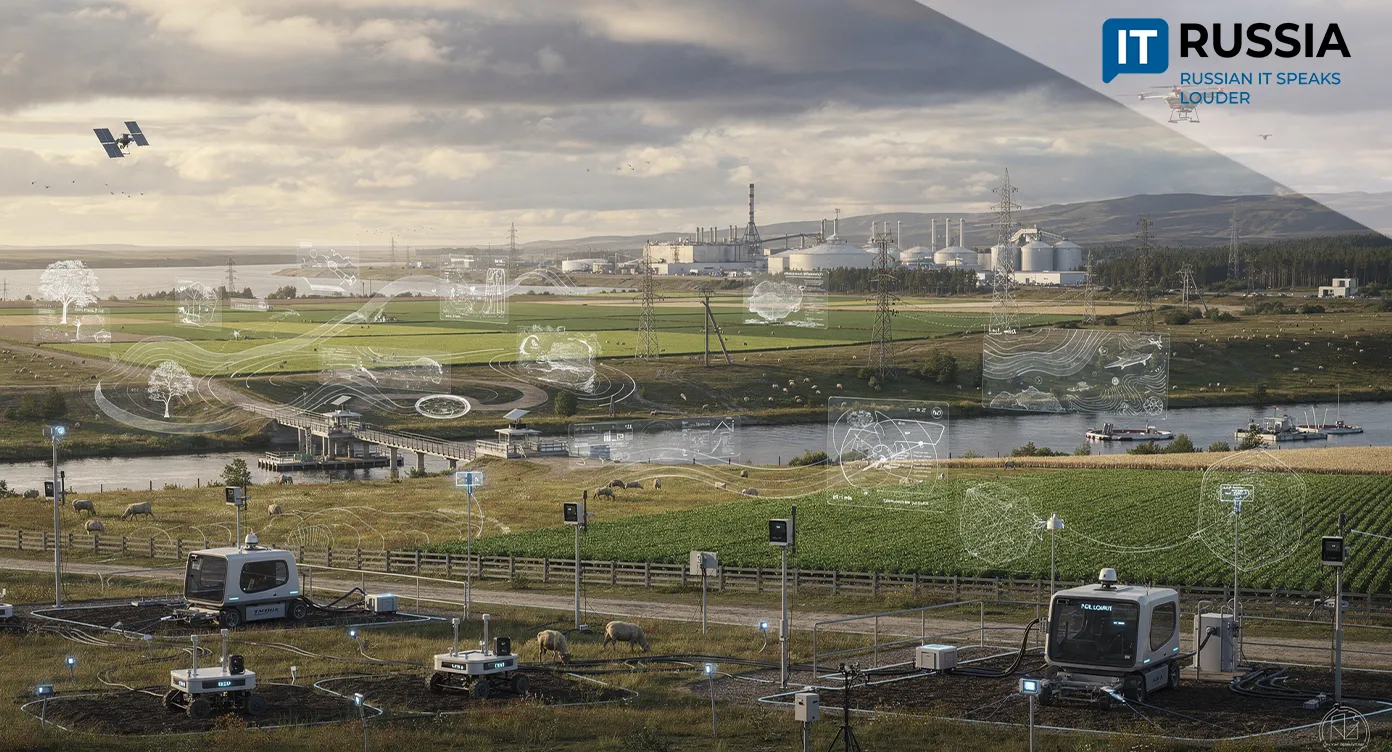
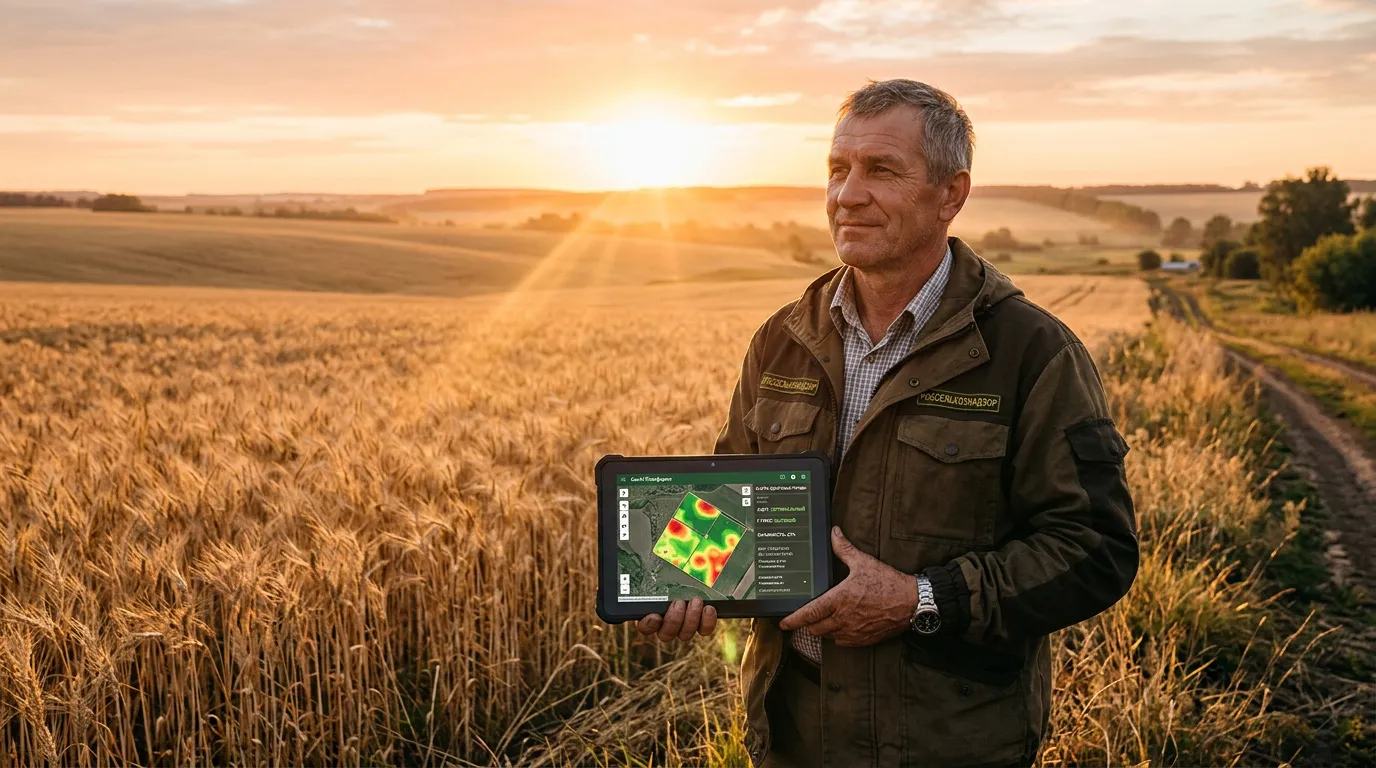
The bank continues to move AI beyond financial services and into territory management, agriculture, and environmental stewardship. Since February, Sber has launched 12 pilot projects across Russian regions. One of its flagship digital products is GeoAI, a modular platform designed to help regions adapt to natural and social challenges. The platform has already been tested in ten regions.
A Toolkit for a More Resilient Future
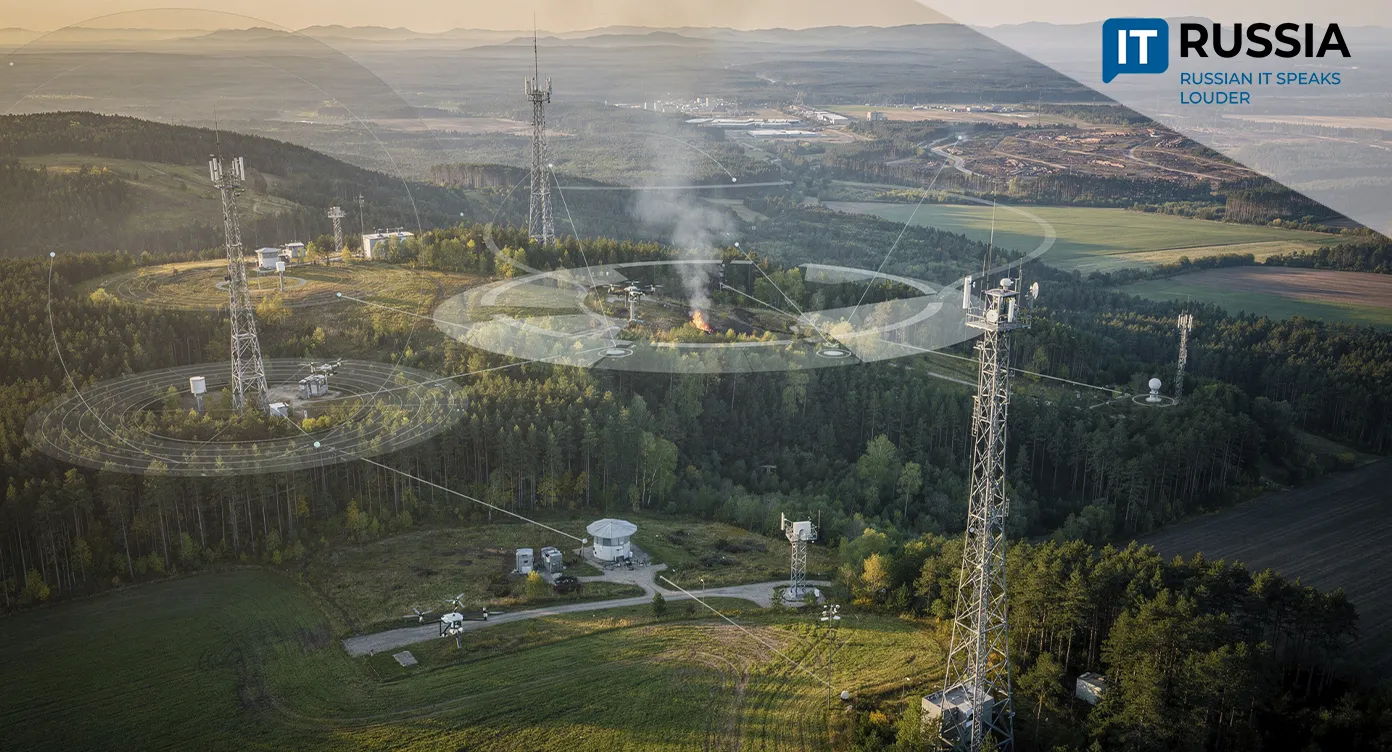
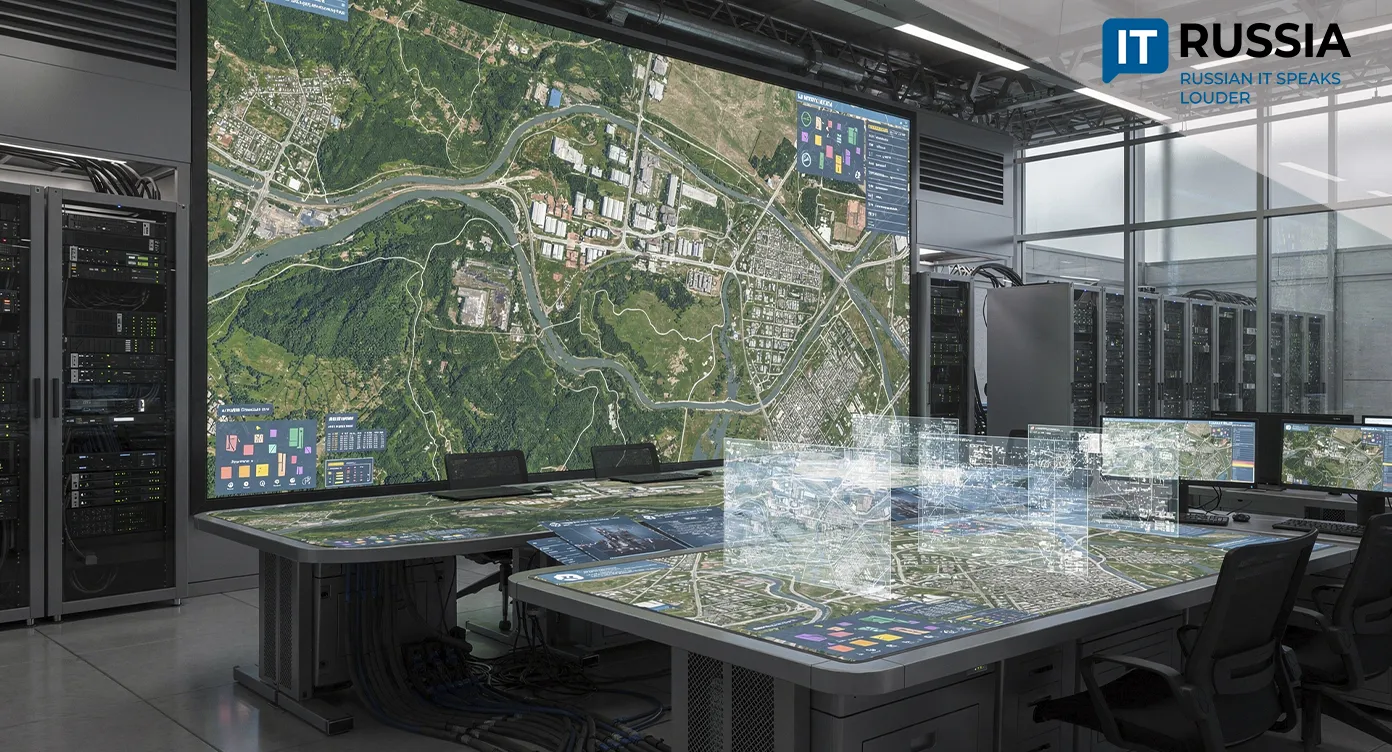
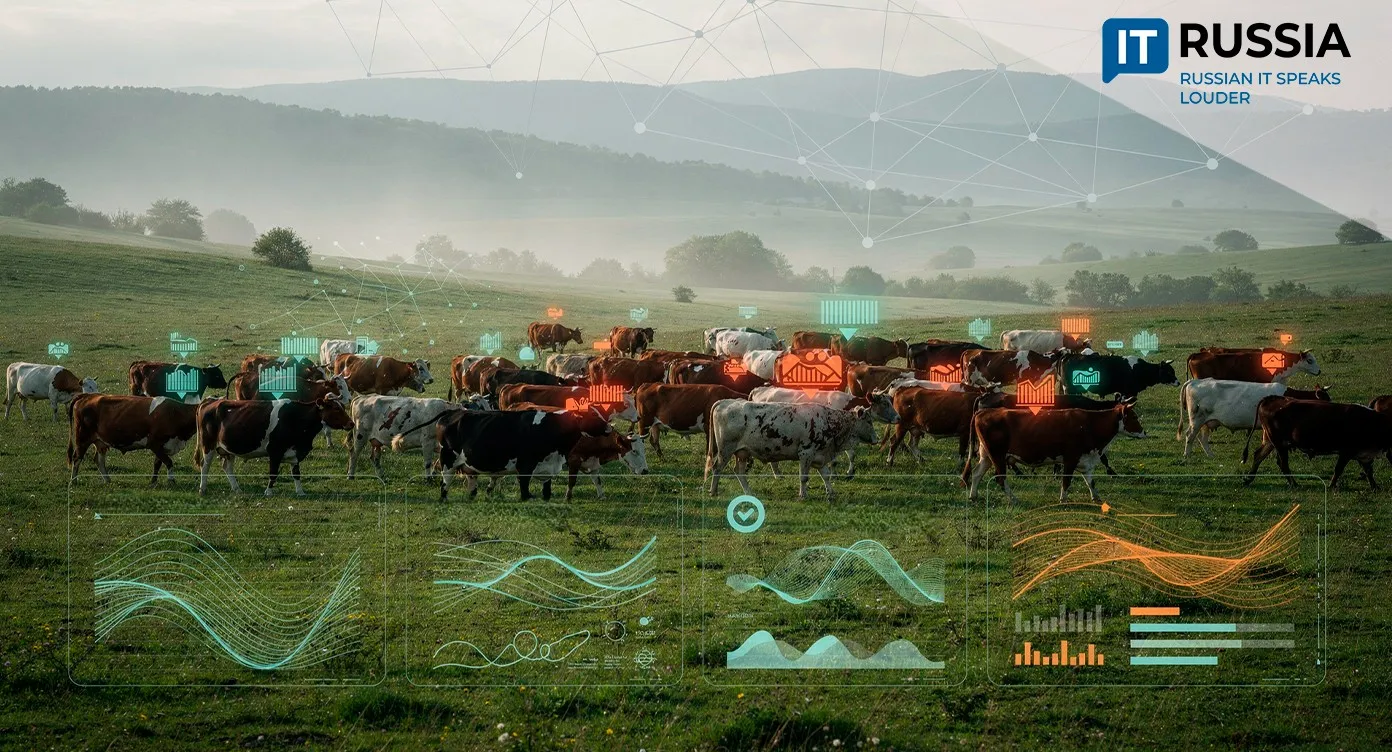
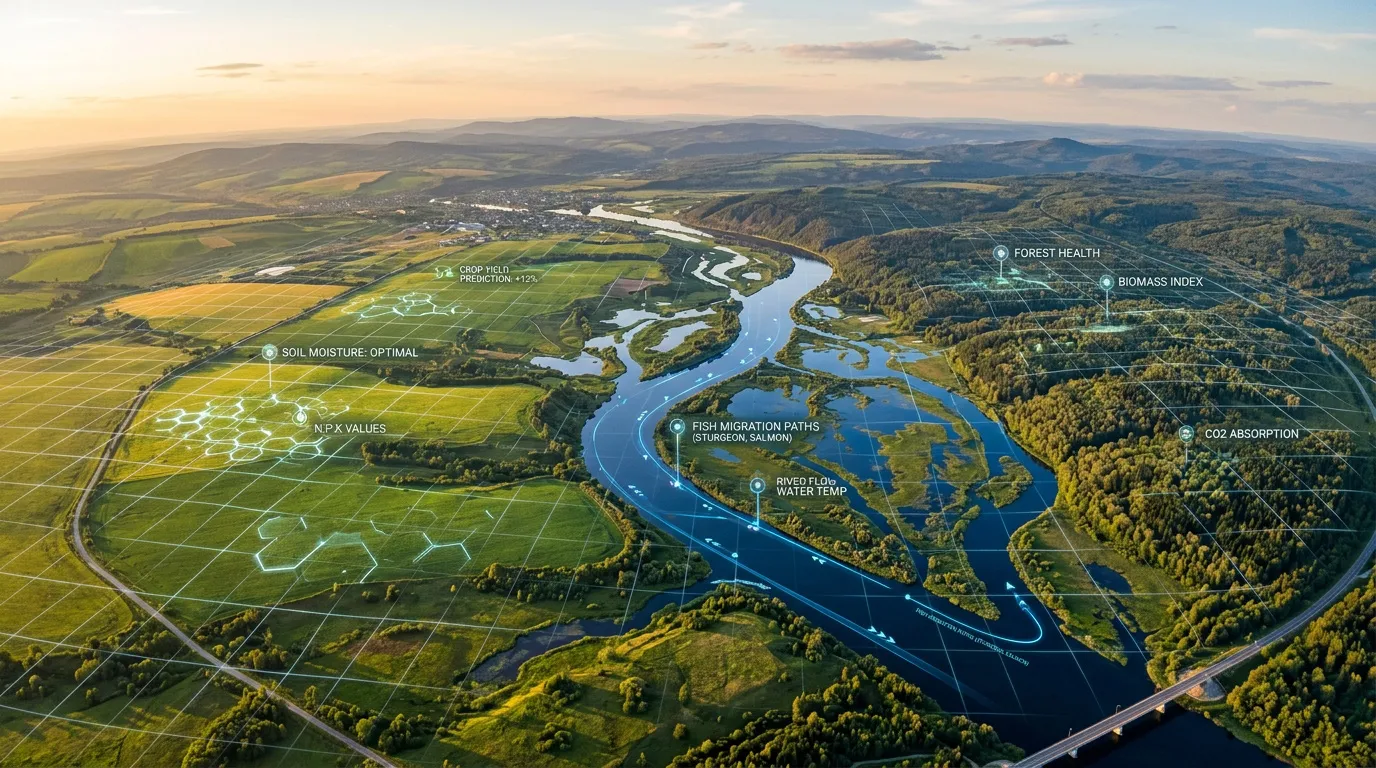
GeoAI functions as a modular toolkit that combines multiple capabilities. Using geospatial data analysis, its modules identify unused agricultural land, monitor soil degradation, and track the spread of invasive plant species. The platform can also model the movement of schooling fish for commercial fisheries and assess the forage base of northern territories to optimize livestock grazing routes.
According to Sber, citing data from Rosstat and the Ministry of Agriculture, between 20 million and 40 million hectares of potentially productive farmland in Russia currently remain unused. GeoAI is designed not merely to quantify those losses, but to bring that land back into economic use. Even returning 10% of those areas to production could increase agricultural GDP by tens of billions of rubles annually.
Space-Based Technology
In 2021, Sber introduced Agro AI for agricultural enterprises, using satellite imagery to forecast crop yields. In 2024, Russia began preparing the FGIS Ekomonitoring (Environmental Monitoring State Information System) platform with AI capabilities covering 16 areas, from water resources to permafrost. Last year, Rosleskhoz took another significant step in the digitalization of land management by expanding remote forest monitoring.
This year, the Russian government updated its digital transformation strategy for the agricultural and fisheries sectors through 2030. Among the priorities are achieving greater digital maturity and establishing centralized performance analysis. By 2030, at least 80% of Russian agricultural enterprises and agribusiness companies are expected to transition to domestic software. GeoAI arrives at the intersection of agtech, geospatial analytics, and environmental monitoring, positioning itself as a valuable platform for regional governments, agricultural holdings, fishing companies, and public agencies.
From the Cloud to the Ground
GeoAI is expected to return millions of hectares to productive use, improve agricultural productivity, and strengthen the digital maturity of industries that depend on land, water, and biological resources.
The platform transforms fragmented collections of satellite imagery, maps, and sector-specific statistics into actionable management decisions. Following successful pilots, it is likely to be integrated with government information systems. Additional modules focused on forestry, climate risks, and pasture management are also expected to emerge.
GeoAI may attract interest beyond Russia as well. In 2025, discussions were already underway about using agricultural land-monitoring technologies developed by Terra Tekh as a foundation for BRICS countries, which account for more than 30% of the world's agricultural land. Together, those nations help feed roughly half of the global population. Given their vast territories, soil degradation challenges, and agricultural development goals, Russian technologies could find a market there. The opportunity is particularly significant as global arable-land losses are estimated at approximately 2% per year.
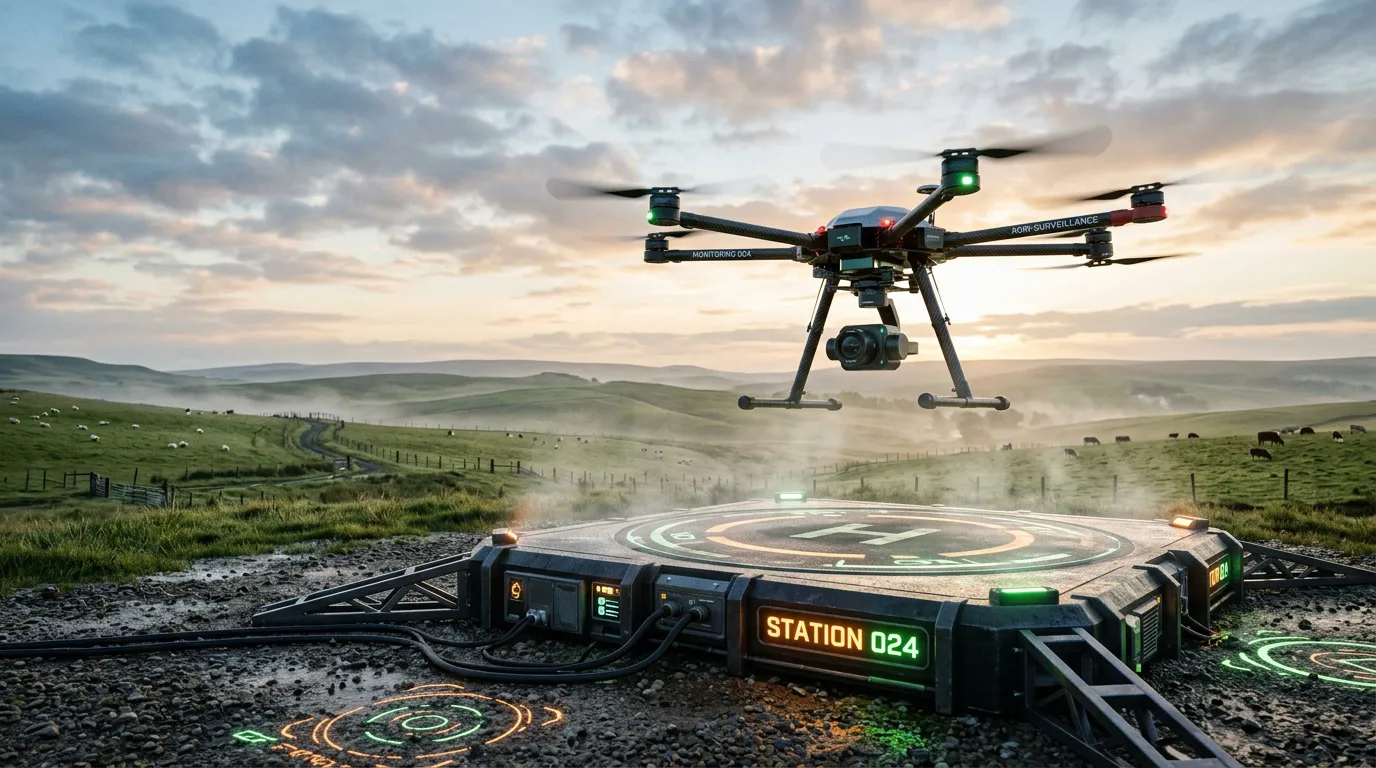
Sber's AI solutions are already being used in public services, healthcare, agriculture, education, and other sectors across 76 Russian regions. The bank is betting on intelligent territory management and monitoring. That approach is becoming increasingly important as climate pressures intensify and food-security objectives drive efforts to reduce dependence on imports. Artificial intelligence is no longer confined to the "cloud" of chatbots and virtual assistants - it is being applied directly to the physical landscape, helping restore and manage critical resources.