

Sber to Help Expand AI Adoption Across Samara Region
Working with the regional government, Sber plans to deploy new artificial intelligence technologies while helping residents build the skills needed to use them.
Sberbank and the government of Samara Region have signed a strategic cooperation agreement focused on artificial intelligence. Under the partnership, the two sides plan to jointly develop and deploy machine learning and AI technologies, establish working and expert groups, and organize hackathons, conferences, and educational programs. Sber will also help develop educational materials for schools and universities and support AI training initiatives for residents.
New Digital Services for Samara Residents
The partnership's primary objective is to create digital services that residents can use at work, in education, and in everyday life. Specific projects, implementation timelines, and additional details have not yet been announced, but the agreement establishes the organizational framework for future initiatives.
For Russia's technology sector, the partnership could create another pathway for deploying domestically developed AI platforms, cloud infrastructure, analytics systems, and technologies for working with government data. As a result, residents of Samara Region are expected to gain access to new digital government, education, and social services.

Promising Areas for AI Deployment
One of the most promising opportunities is the development of a regional AI workforce pipeline. Educational resources for schools and universities, together with hackathons and training programs, could help create an environment in which the region not only adopts existing technologies but also develops its own applied AI projects. AI could also be integrated into state and municipal services. Such initiatives, however, will require high-quality regional datasets, interoperable information systems, strong protection of personal data, and effective oversight of algorithm performance.
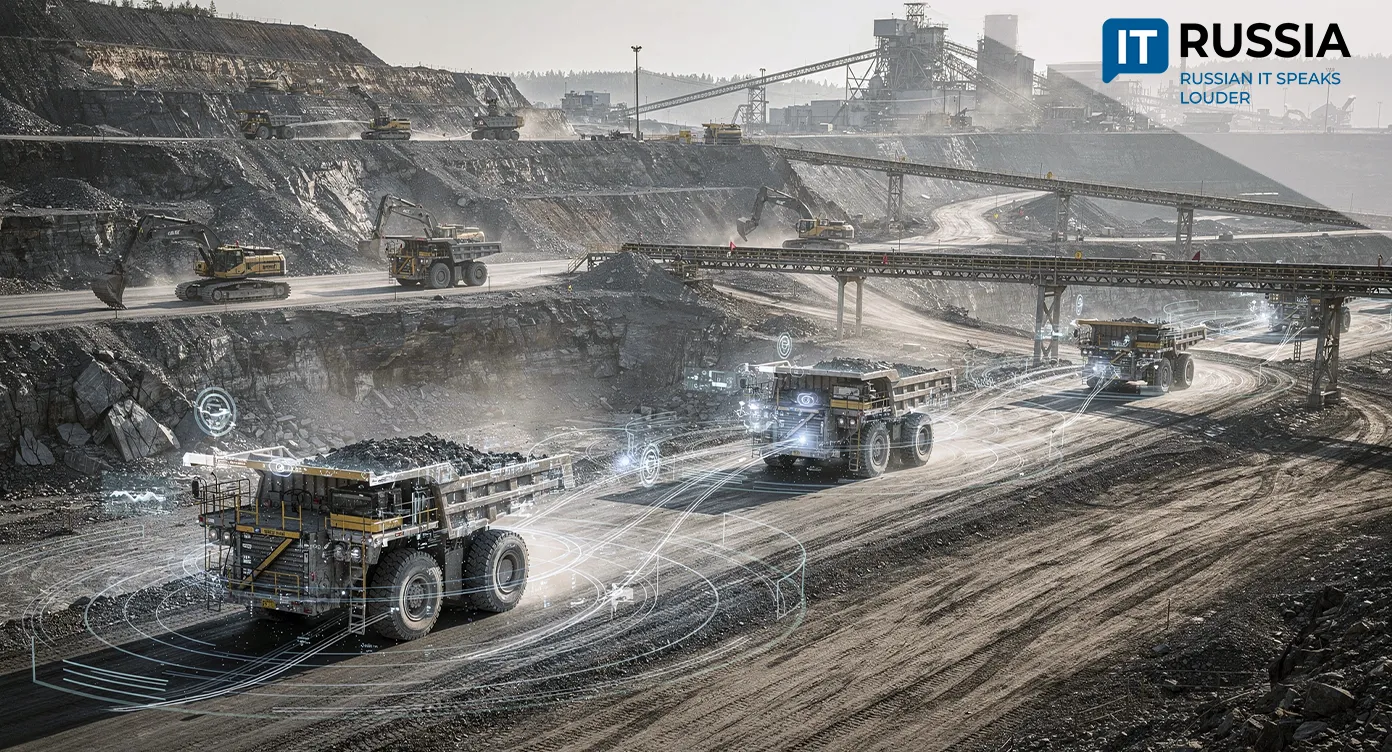
Samara Region is one of Russia's major industrial centers. As a result, the partnership could eventually expand into manufacturing, automotive production, petrochemicals, and aerospace. Potential applications include computer vision, predictive maintenance, quality assurance, and production process optimization.

From Moscow to Chukotka
Artificial intelligence has supported public service modernization in Samara Region for several years. The region signed its first AI-related agreement with Sber in 2023. At that time, healthcare, transportation, construction, environmental management, industrial infrastructure, and public utilities were identified as priority areas. Similar agreements have since become a standard part of Sber's regional AI strategy.
Sber has operated its regional AI transformation program since 2023 to accelerate adoption of neural network technologies across the economy and public administration. Today, 90% of Russia's federal subjects use AI solutions developed by Sber.
"Today, 90% of Russia's regions use Sber's artificial intelligence solutions. Regional projects are underway in healthcare, agriculture, education, public services, and many other sectors. We see regional governments strengthening their AI transformation capabilities through our cooperation, which in turn improves the quality of projects built around generative AI. Ultimately, this makes interactions between citizens and government agencies faster, more convenient, and more personalized," said Alexander Vedyakhin, First Deputy Chairman of Sber's Executive Board.
Moscow and Moscow Region remain among the most active adopters of AI technologies. In 2025, more than 400 schools in Moscow Region joined a digital teaching assistant platform. Sber and the regional government also agreed to develop and test digital assistants, remote patient monitoring technologies, and services for interpreting medical laboratory results. AI expansion is not limited to central Russia. Last autumn, Sber also reached a digital cooperation agreement with the Chukotka Autonomous Okrug.

Safety and Quality Come First
Education, digital literacy, AI assistants, and automation of selected government workflows are likely to become the first areas of cooperation between the Samara regional government and Sber.
If the partnership successfully addresses key challenges – including data quality, protection of personal information, dependence on a single technology provider, and the gap that can emerge between strategic commitments and real-world implementation – AI applications could later expand into industry, transportation, healthcare, and municipal services.