

SberCity Builds Out Digital Infrastructure
SberCity is among the largest projects of its kind globally and the first in Russia designed around green and smart standards, with advanced technologies integrated across the project, including safety.
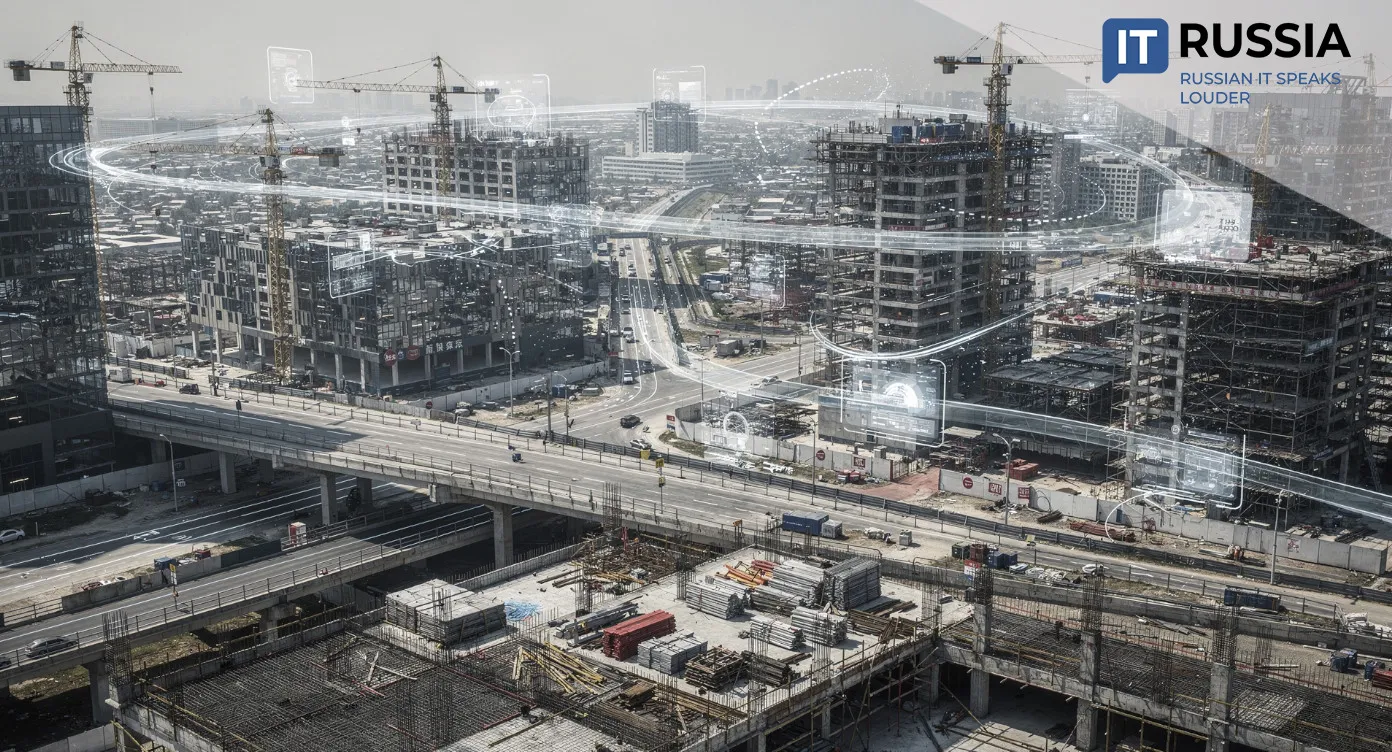
Five years ago, about three kilometers from the Moscow Ring Road, Sberbank began building what it describes as a next-generation district. The 461-hectare site includes residential buildings for 65,000 residents, along with offices, schools, kindergartens, and clinics. A dedicated metro line is also planned. At the same time, planners are also accounting for not only daily life but also leisure and long-term livability.
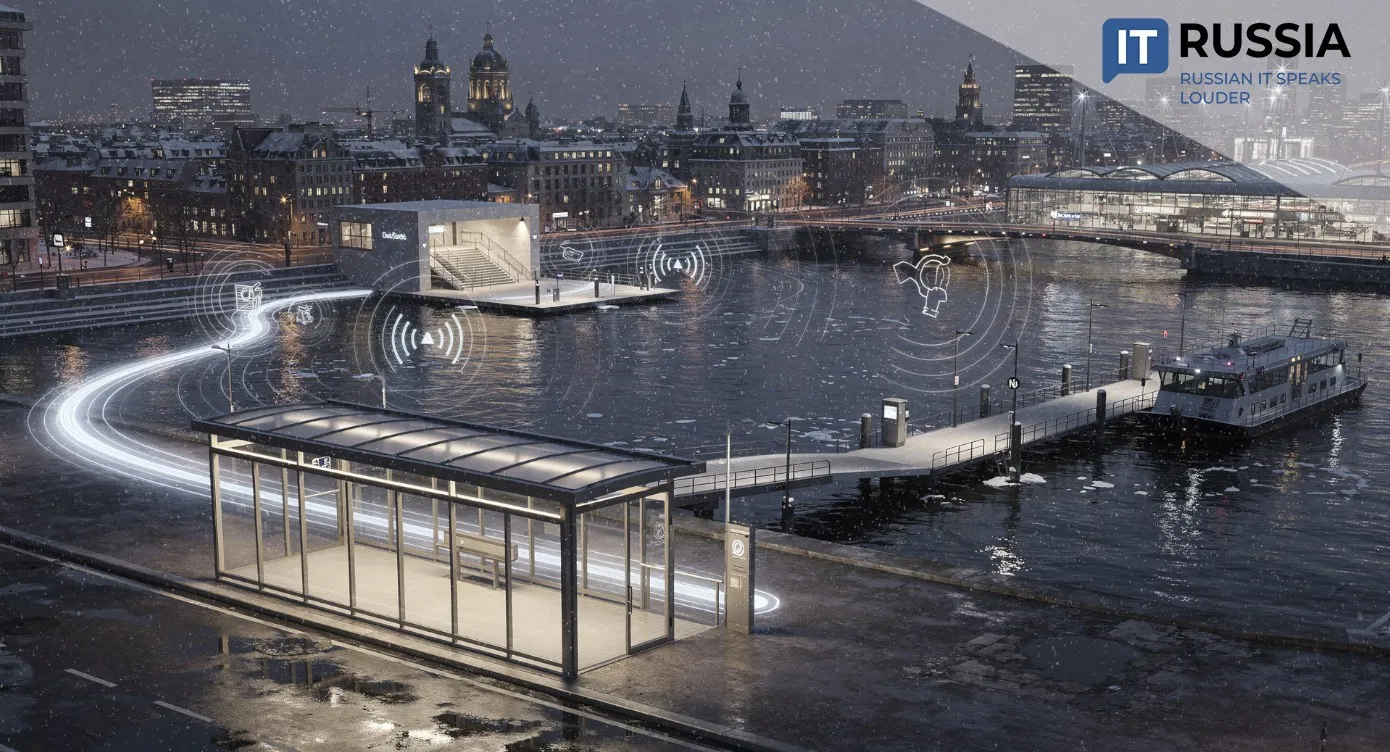
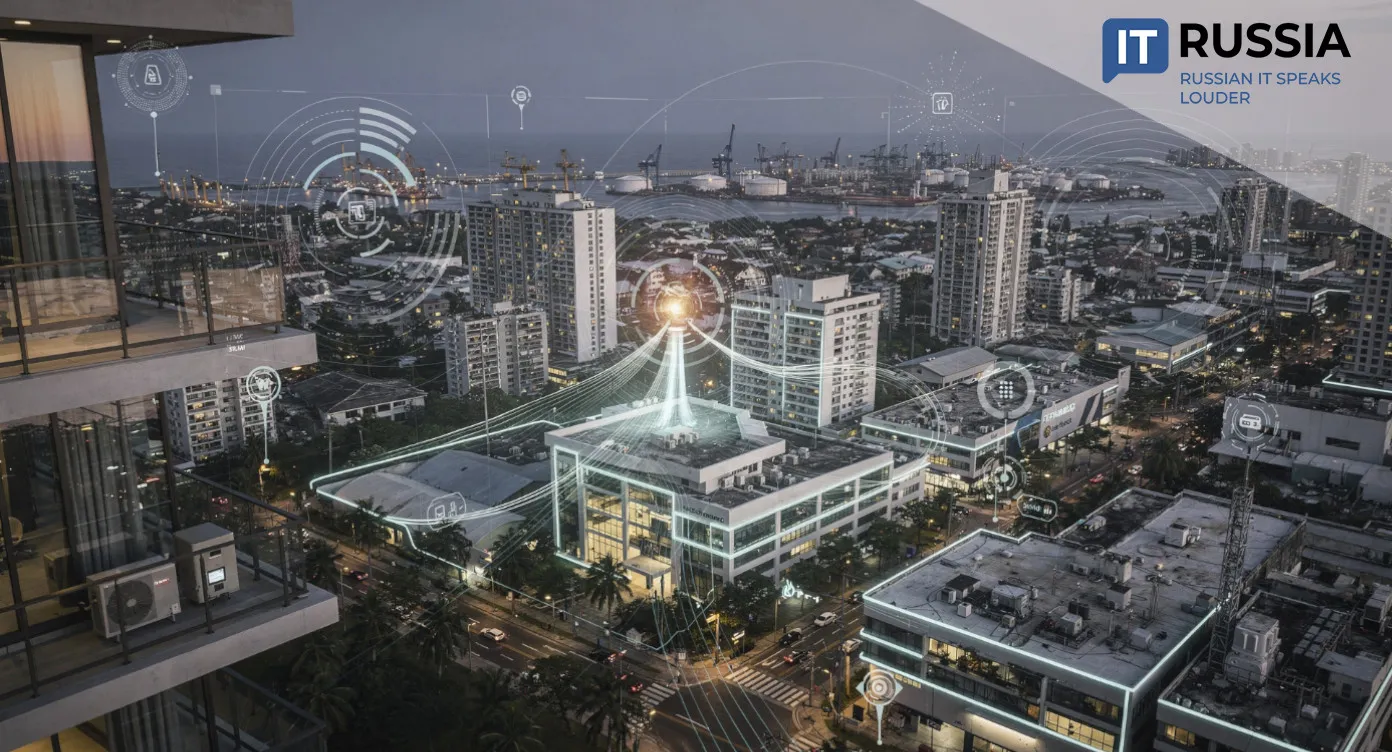
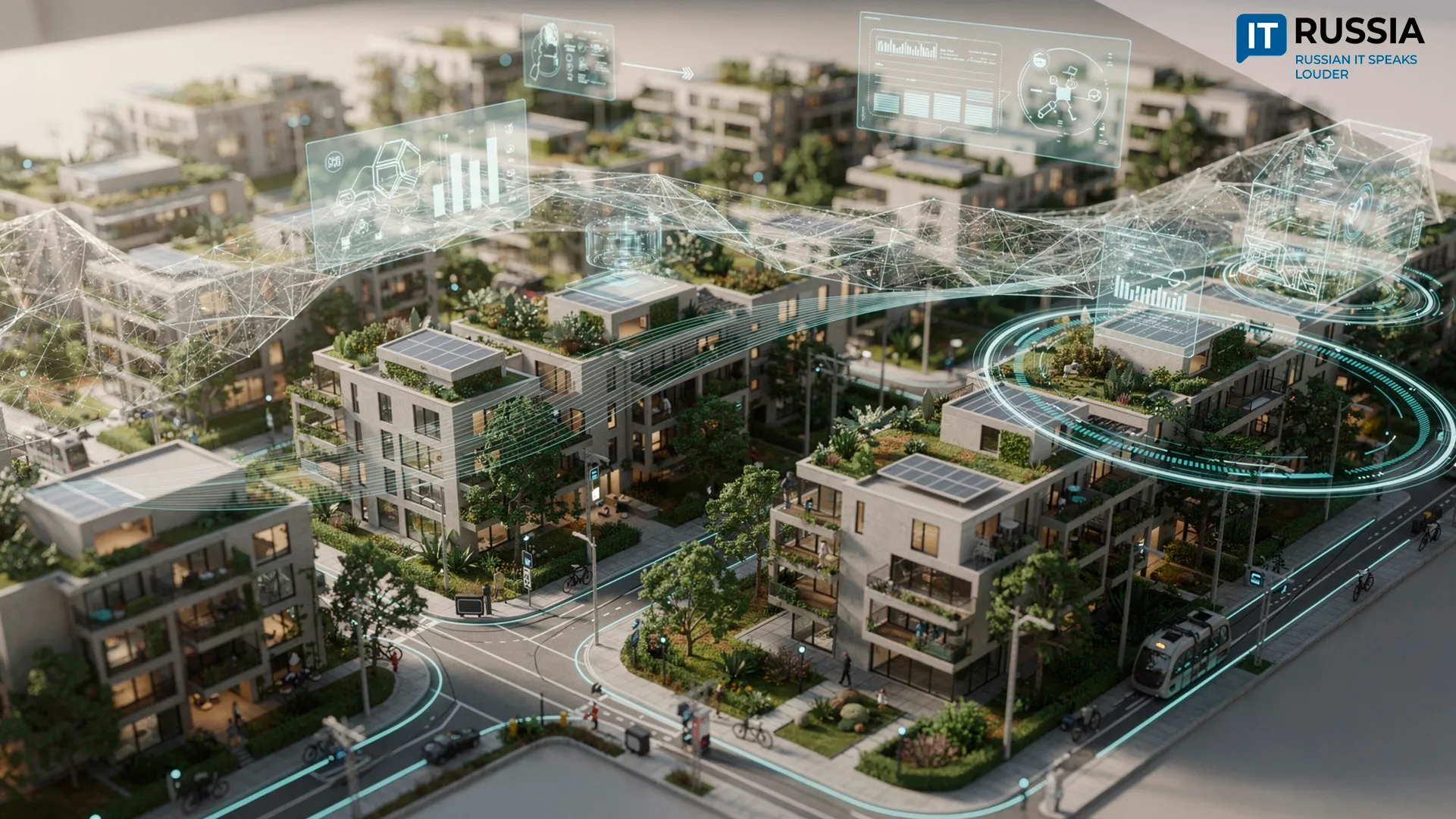
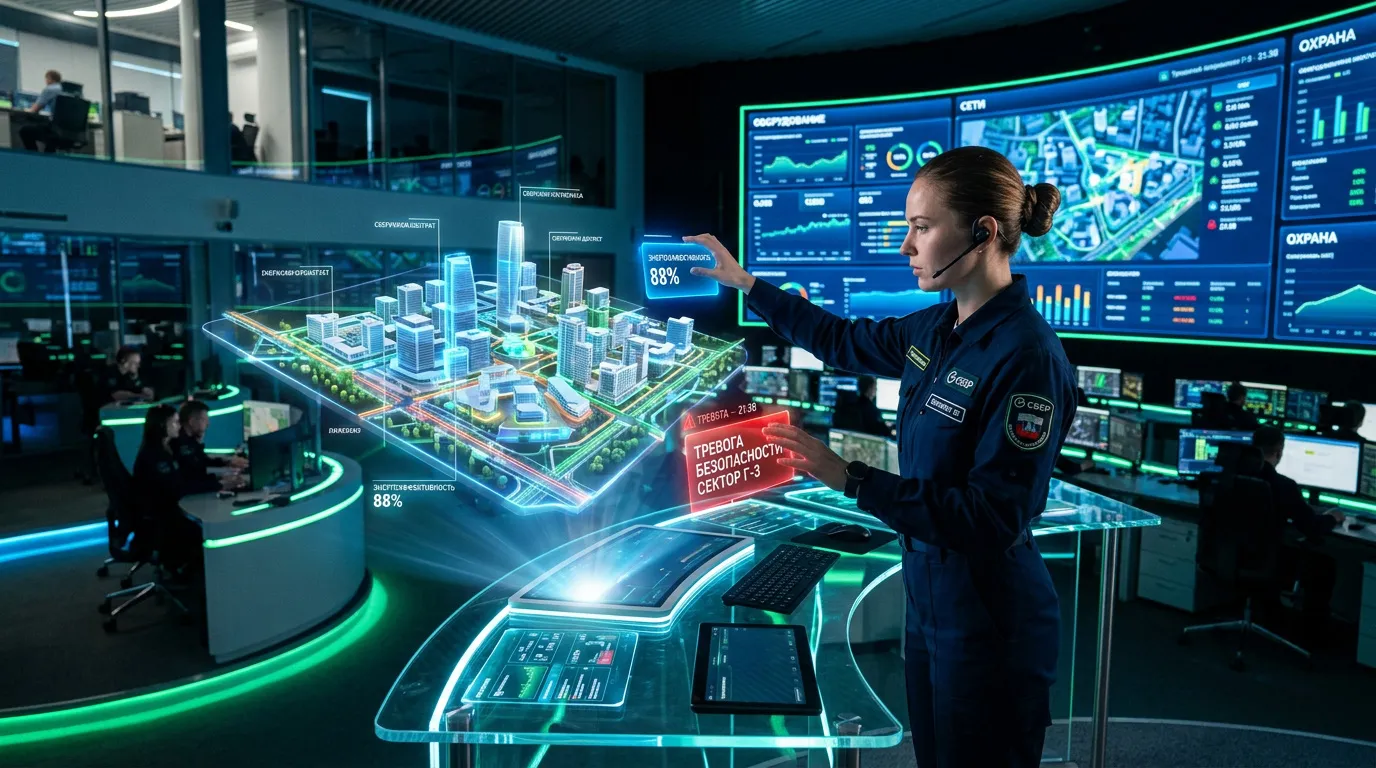
Beyond its location along the Moscow River, the district is being developed with green spaces, including parks and public squares. Despite being a new development, SberCity already matches – and in some cases surpasses – many cities in terms of digital systems. Smart technologies are deployed across the area. Rather than operating as isolated systems, they are linked into a single platform. Digital systems monitor infrastructure around the clock and can predict failures before they happen.
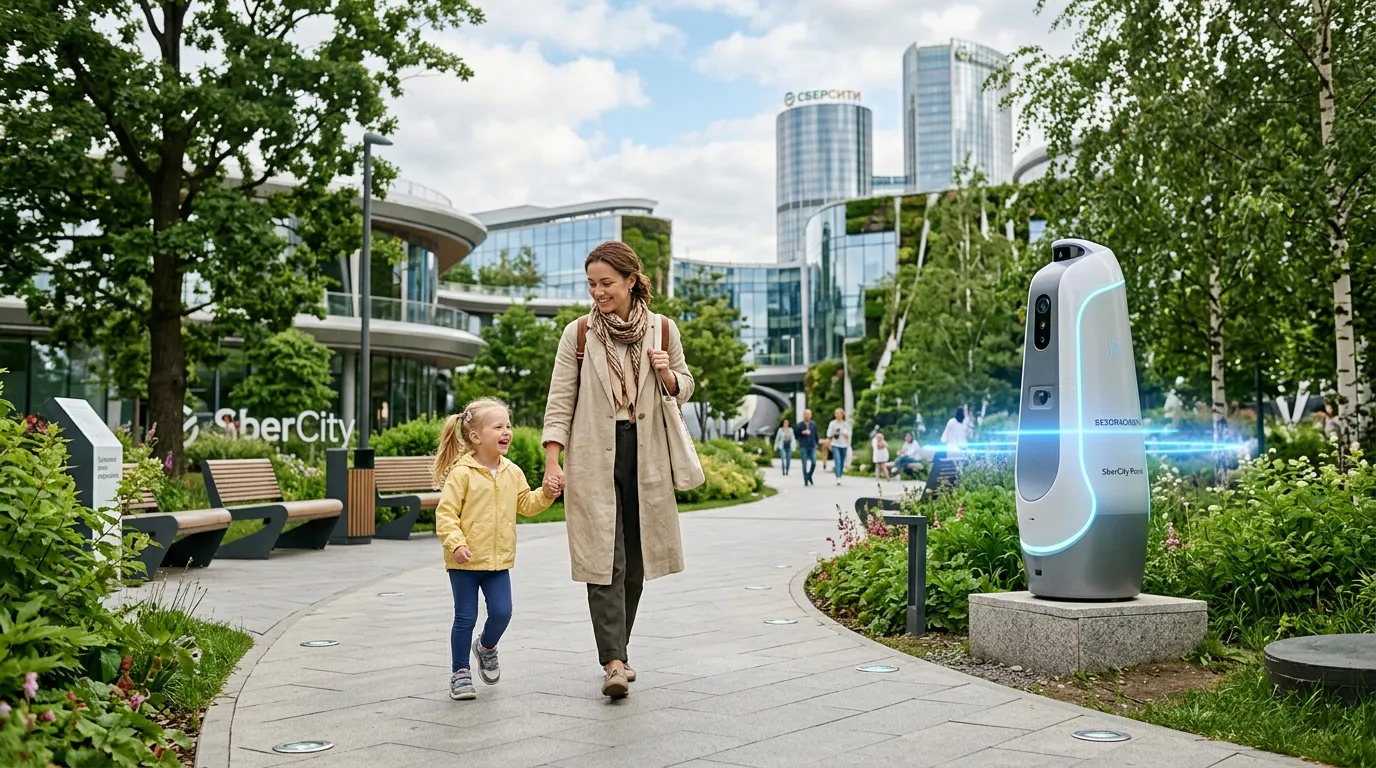
Security is also managed through artificial intelligence. AI systems process video streams and sensor data in real time, running more than 50 incident scenarios, from a pedestrian falling to unauthorized fire activity in a park. The system flags incidents and suggests response actions to operators. Once confirmed, the platform passes the alert to relevant services.
Scaling Smart Systems Across Cities
Since 2018, Russia’s urban digital maturity index, known as the “IQ of cities,” has increased by 50%. Smart technologies are being rolled out across regions. For example, Sber is deploying AI solutions in Vladivostok, where authorities plan to move infrastructure management to digital systems, as well as climate-related projects. In Crimea, a new apartment complex will deploy Sber’s smart dispatch system, similar to the one implemented in SberCity, to manage building systems across multiple structures.
A unified remote monitoring platform based on the Andromeda hardware and software system is now operating across more than 8,000 real estate sites. Inside apartments, smart home features are also becoming standard. Residents can adjust floor temperatures or open curtains using voice commands. What once seemed futuristic is increasingly routine.
“Smart homes once felt like science fiction, but today they are becoming as common as electricity or internet access. Expectations are shifting: people want more than just square footage. They want a space that supports how they live, relax, and raise families. The Smart Home solutions from Sber and SberCity are a step in that direction,” said German Gref, Chairman of Sberbank’s Moscow Bank.
Future Cities Already Taking Shape
Russian companies are deploying integrated urban technology solutions that aim to compete with global alternatives. These systems handle tasks that would otherwise require significant time or may be difficult for humans to manage at scale. As a result, digital infrastructure is making everyday life simpler, more comfortable, and safer. AI is taking on a growing range of roles. It can detect a leaking pipe or identify a fight in a park, and in many cases help prevent such incidents. Predictive analytics and integrated dispatch systems are already shaping how new districts and cities are built. Smart technologies are becoming as common as heating or water supply.
“In 2025, the ‘IQ of cities’ index expanded from 235 municipalities to 1,885 settlements across Russia. It has become a benchmark for evaluating the effectiveness of digital solutions, from smart transport to housing and utilities. Its growth shows that digital transformation in Russia is not just a concept, but a set of changes that residents can feel in everyday life,” said Anatoly Kurmanov, Chairman of the Expert Council at the Smart City Competence Center.