

Investor Scoring: Moscow Exchange Launches a Digital Service
New clients will no longer be a blind spot for Russian brokers – their investment experience and status can now be assessed instantly when they sign up. That capability comes from Skoring (Scoring), a service launched last week by Moscow Exchange.

The digitalization of the market is making investing easier, and retail participation has doubled over the past four years. Yet 87% of investors are still classified as non-qualified, according to the Central Bank of Russia as of January 1, 2026. Regulators limit their access to high-risk instruments. So brokers need to understand a client’s experience and status from the outset to match products to client needs more precisely.
Assessing Experience in Seconds
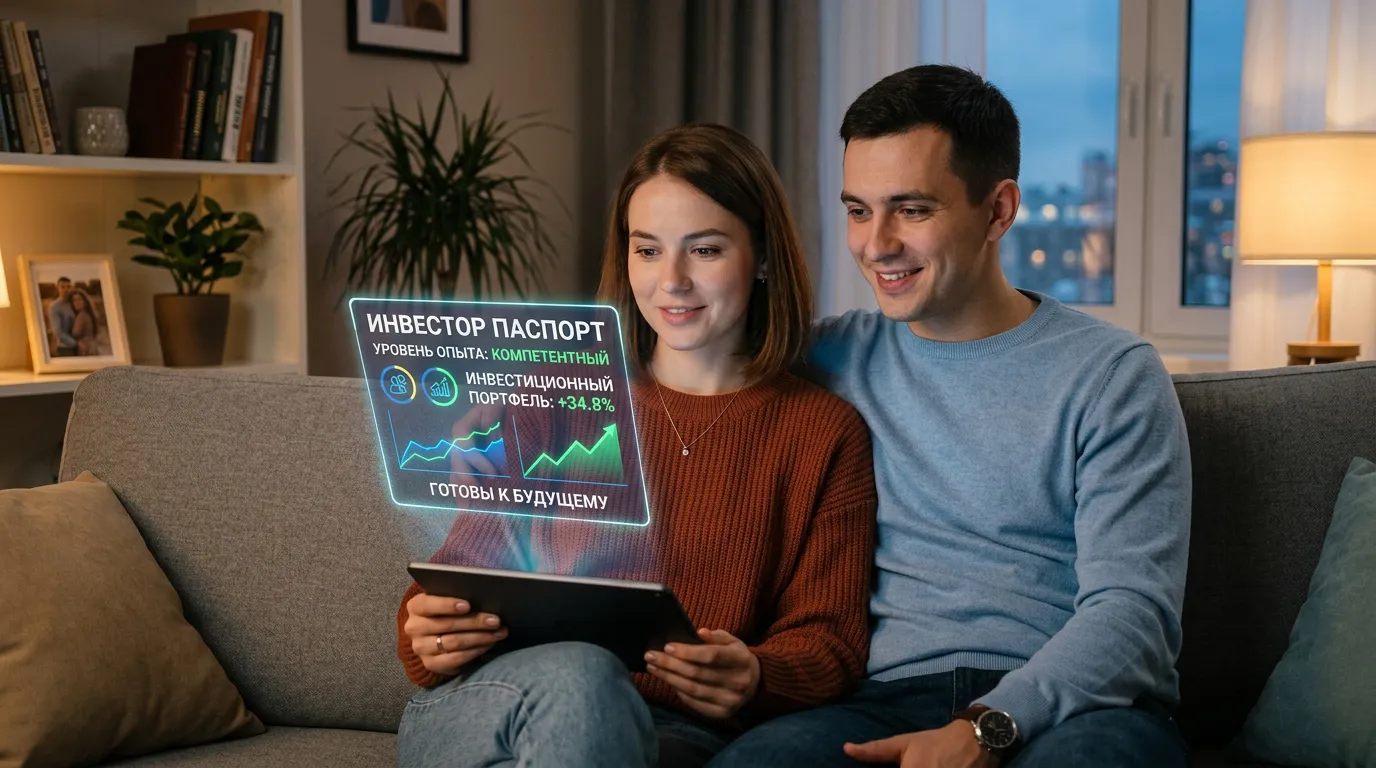
The Skoring (Scoring) service provides brokers with a consolidated view of a new client’s trading experience, activity, and assets, along with qualified investor status or the potential to obtain it.
Instead of raw questionnaires, brokers receive a pre-built client profile. In practice, that brings evaluation time down to seconds, simplifies personalization, and reduces operational costs. Last year alone, 5 million new retail investors opened brokerage accounts on the Moscow Exchange, bringing the total number of new accounts to 11.7 million. At that scale, manual reviews had become a bottleneck.

Protecting Retail Investors
The exchange says Skoring will expand to existing clients. That would shift it from an onboarding tool into an ongoing client analytics tool. As a result, brokers can segment users more precisely and better predict how investors behave, making targeting more precise while lowering costs.
For retail investors, the service means investors get recommendations that better match their experience and risk profile. Regulators are tightening requirements to protect them. “A protected retail investor supports stable demand for IPOs and SPOs, increases free float, and reduces corporate governance discounts,” says Alexey Ponomarev, head of regulatory initiatives at the Association of Bondholders, as cited by RBC.
Regulation Shapes the Market
The Central Bank introduced testing for non-qualified investors in 2021 to reduce exposure to complex instruments whose risks investors may not fully understand. Since 2023, it has also changed how brokerage accounts are managed: investors now decide which operations to execute and whether to use leverage, rather than brokers making those decisions.
In 2024, Russian President Vladimir Putin set a target to double the capitalization of the domestic stock market by 2030, with a target of reaching 66% of GDP. That sent a positive signal to investors. By 2025, the Moscow Exchange reported rising retail activity, with trading volumes on the derivatives market up 31% to 78.4 trillion rubles (about $870 billion).

Fintech Standards for B2B
The launch of Skoring reflects the growing scale and complexity of the retail segment. The Moscow Exchange is turning its data into a practical B2B service. This type of tool, embedded within the financial ecosystem and affecting compliance, sales, risk, and user experience at once, shows how system-level fintech is evolving in Russia’s tech sector.
Similar solutions could become standard across the market. Brokers will push for faster, fully digital onboarding, while infrastructure providers will look to monetize data. Clear rules for investors, stronger protections, and digital tools that streamline interactions across the market are driving further growth.