

DVFU Student Uses Iris Scans to Strengthen Security for Banks and Government Systems
A student at Far Eastern Federal University has developed a neural-network algorithm that turns iris patterns into unique digital keys, making biometric protection fundamentally more secure than passwords.
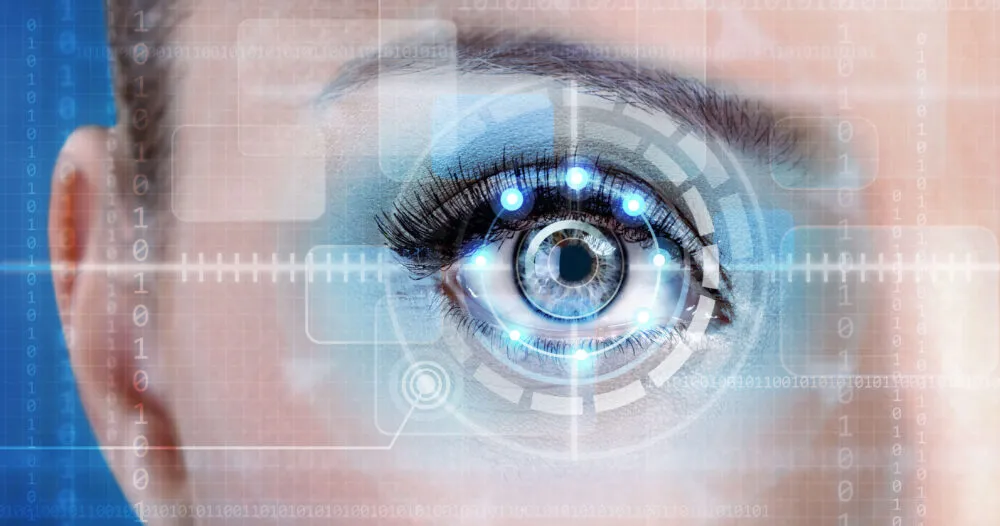
Stanislav Shtuka from the Institute of Mathematics and Computer Technologies at Far Eastern Federal University created a system that converts iris images into 512-bit cryptographic keys. Unlike existing biometric systems, the technology does not rely on approximate matches: the key must either match bit-for-bit or access is denied. The team solved the main reliability challenge in two ways. A specialized “controller” forces the neural network to generate clearly different keys for different people, while a combined formula simultaneously brings one person’s keys closer together and pushes different users’ keys further apart.
Testing showed a zero false-acceptance rate. The system is designed for banks, secure terminals and government information systems. The project won first place nationwide at the SIBINFO-2026 conference competition.