

Supercomputer Built to Power the Next Generation of AI
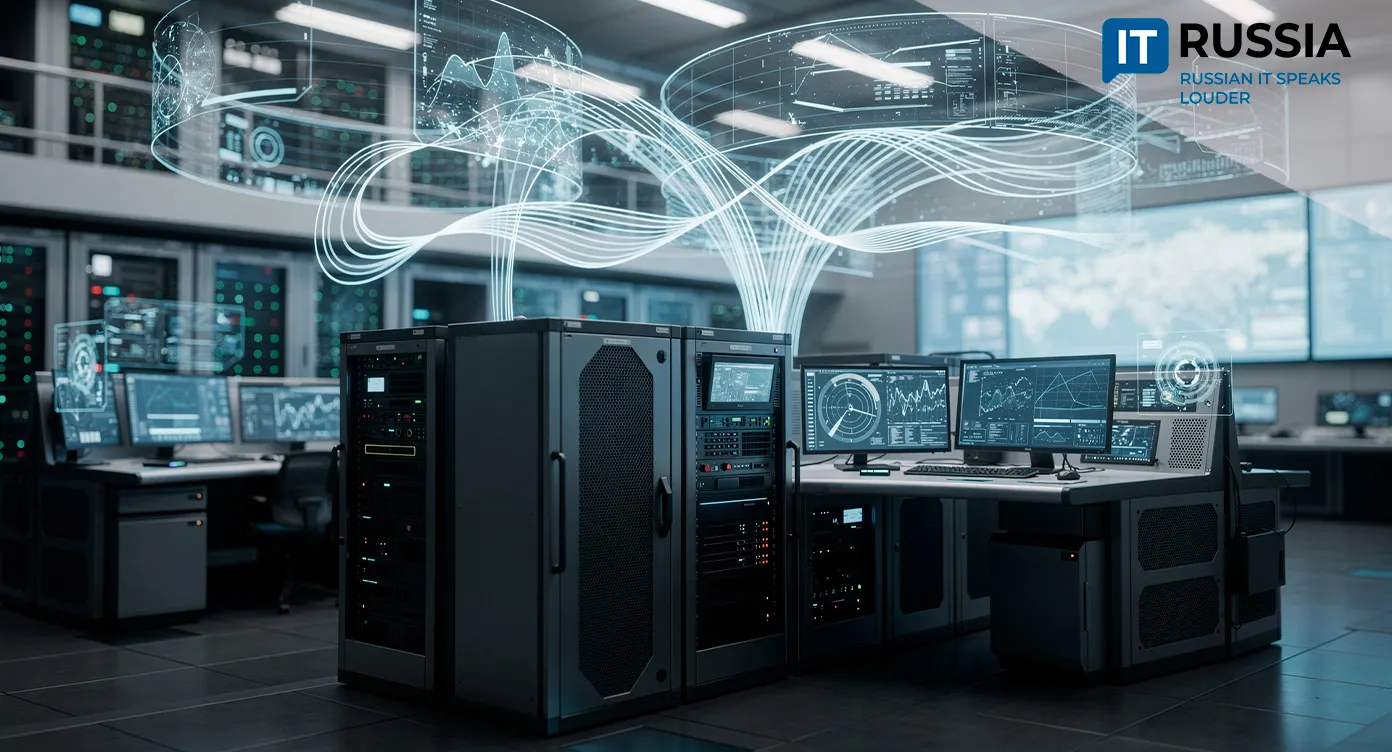
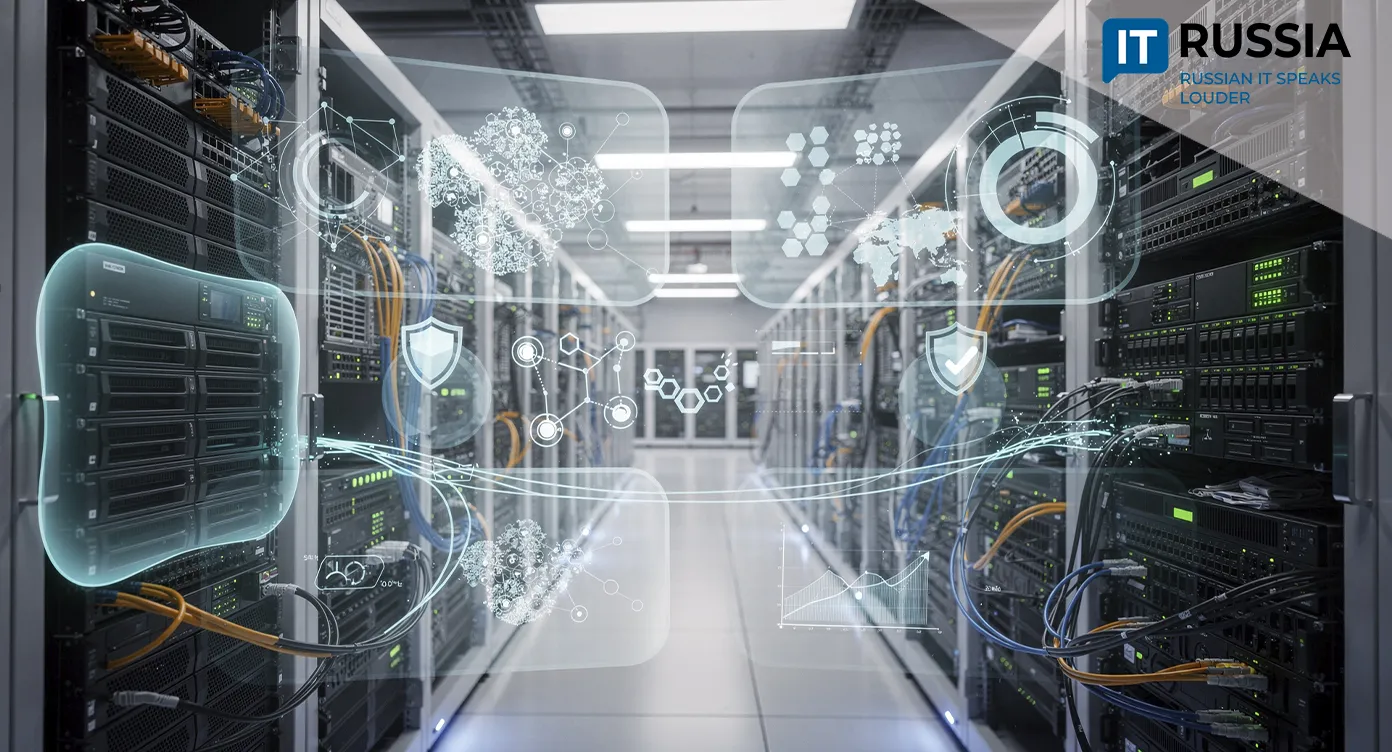
Russian companies E-Flops and AMDtekhnologii have developed a high-performance computing system capable of executing complex workloads in parallel.
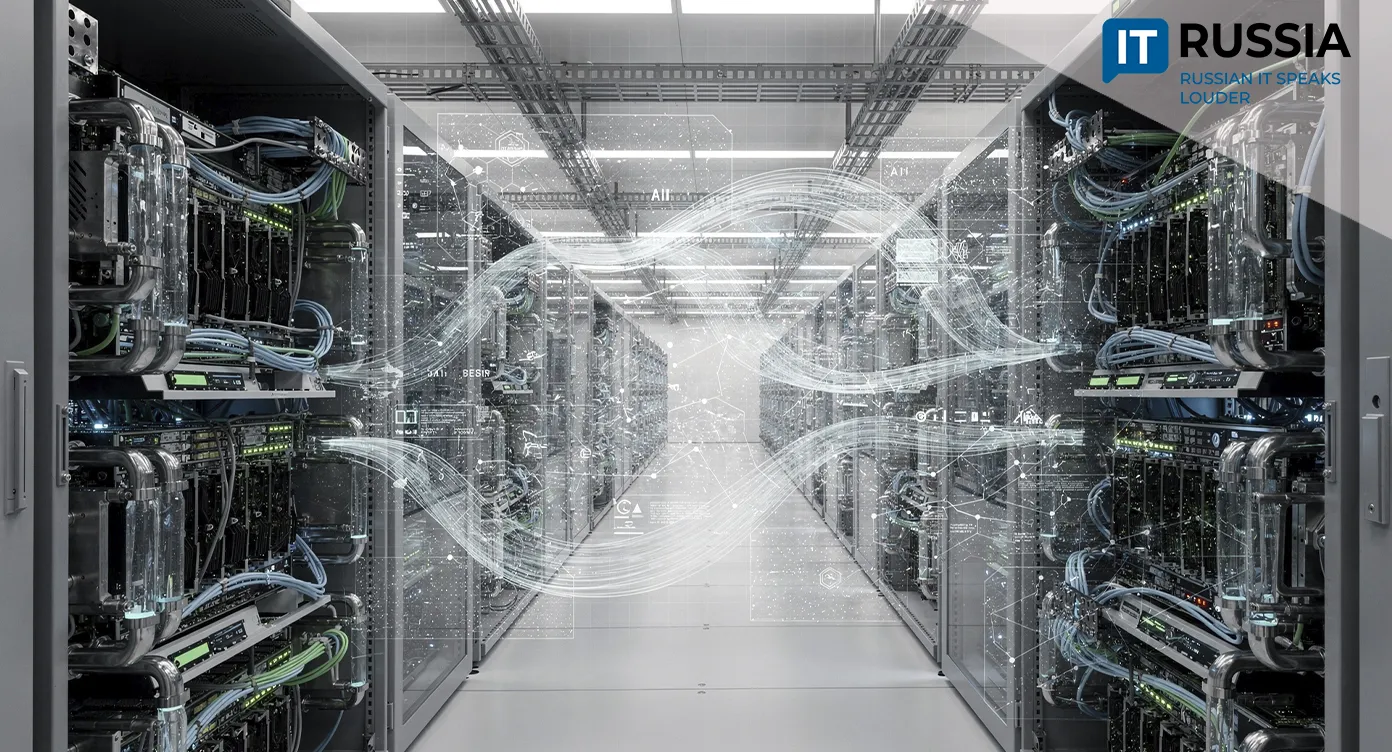
Developing domestic supercomputers has become one of the key priorities for Russia's IT sector. These systems make it possible to model processes that would be too computationally intensive or time-consuming for conventional computing methods.
Parallel Computing at Scale
E-Flops and AMDtekhnologii have developed a high-performance computing platform designed to dramatically reduce the time required to solve computationally demanding problems involving massive datasets or the training of advanced AI models. Solving such workloads sequentially can take weeks, months, or even years. Parallel computing divides them into smaller tasks and distributes those tasks across multiple compute nodes.
The new computing platform is designed for resource-intensive enterprise workloads, including training large language models (LLMs) within MLOps pipelines, deploying and maintaining internal LLM services, and providing users with access to LLMs and vibe coding tools.
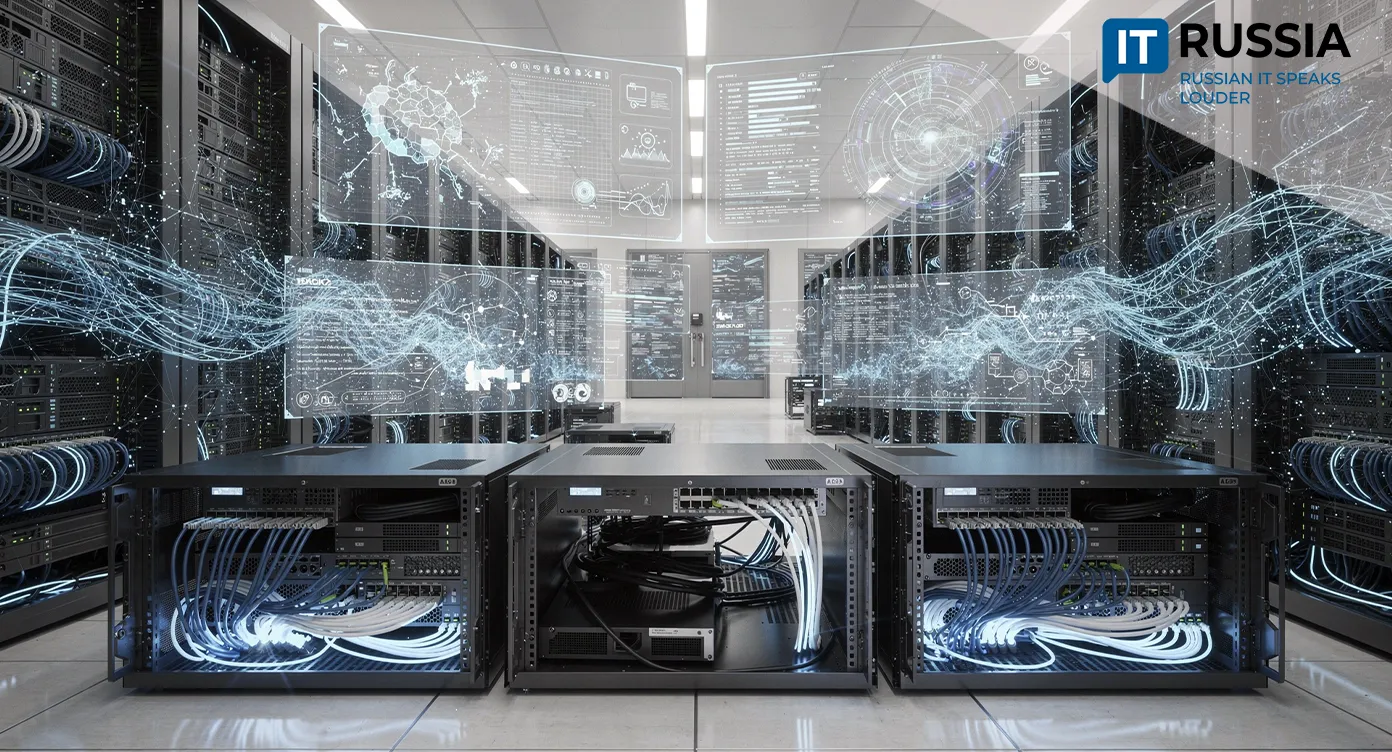
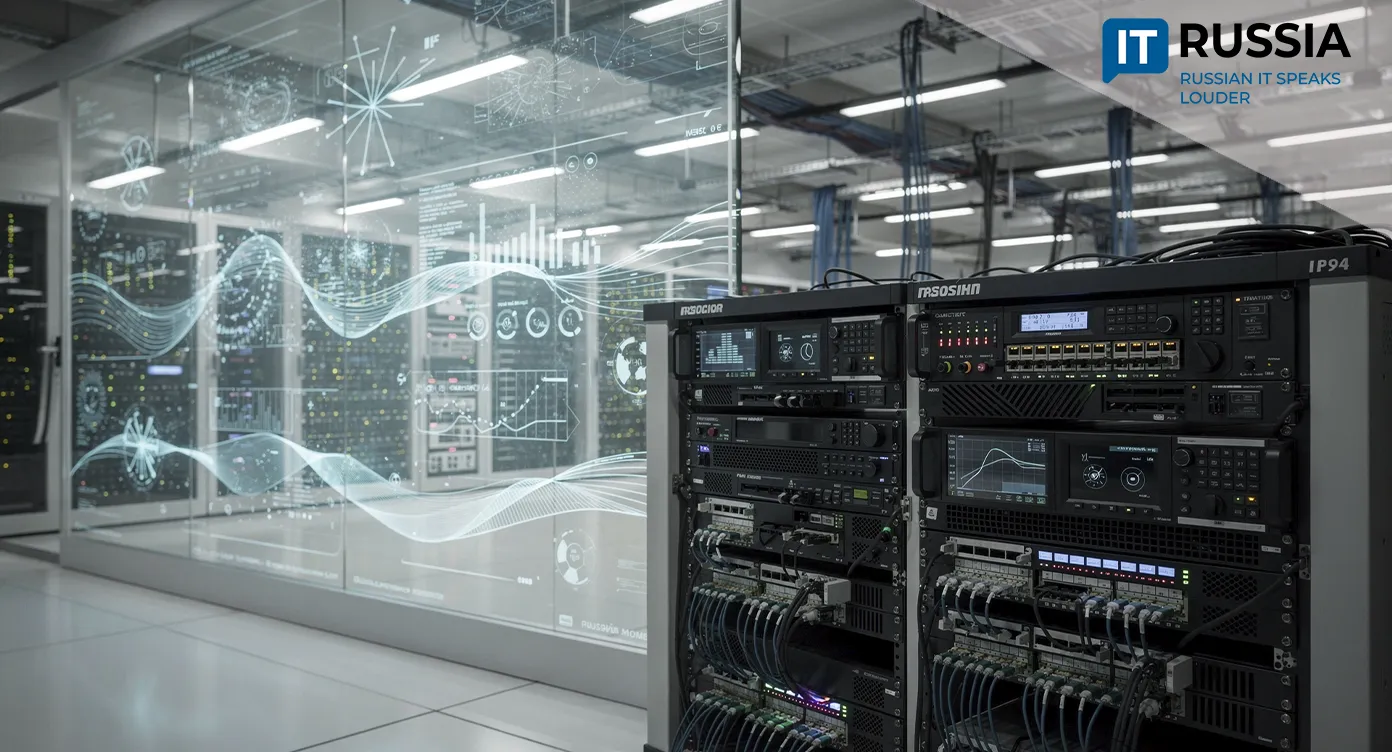
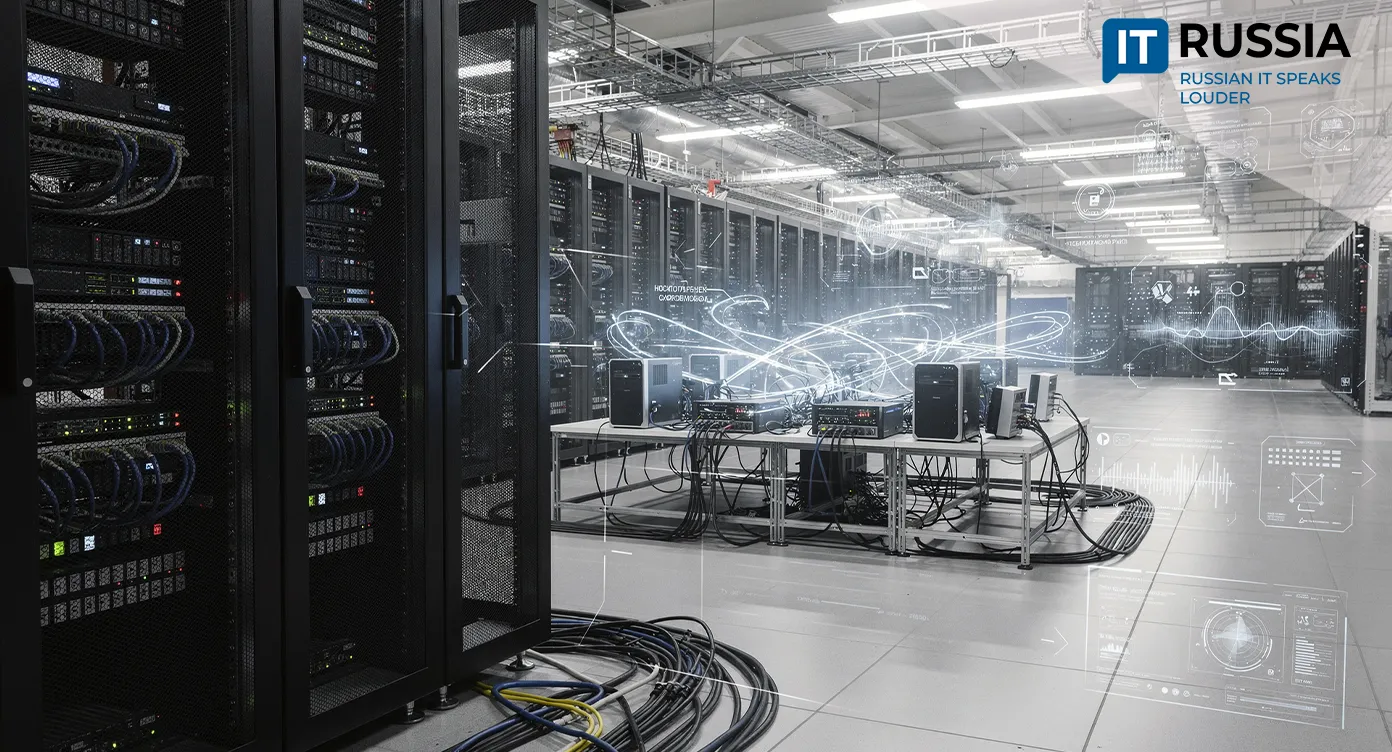
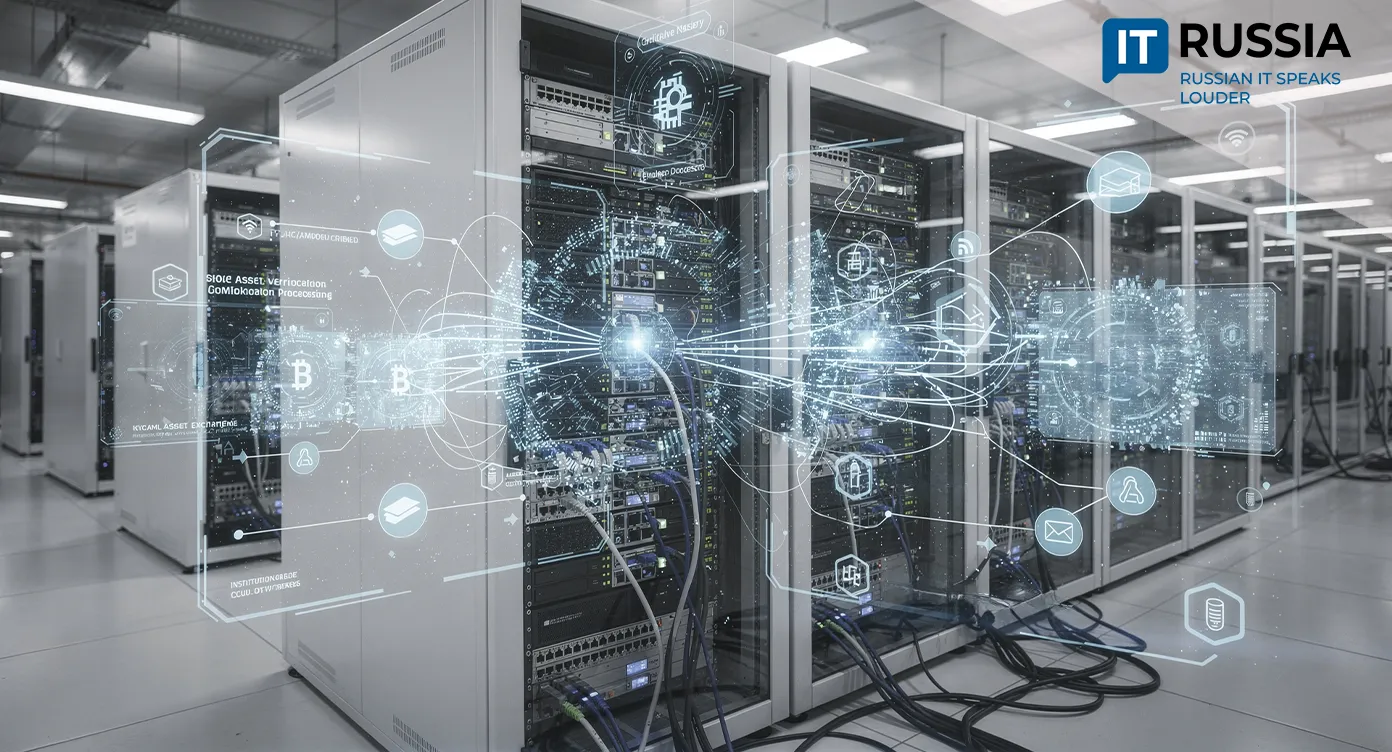
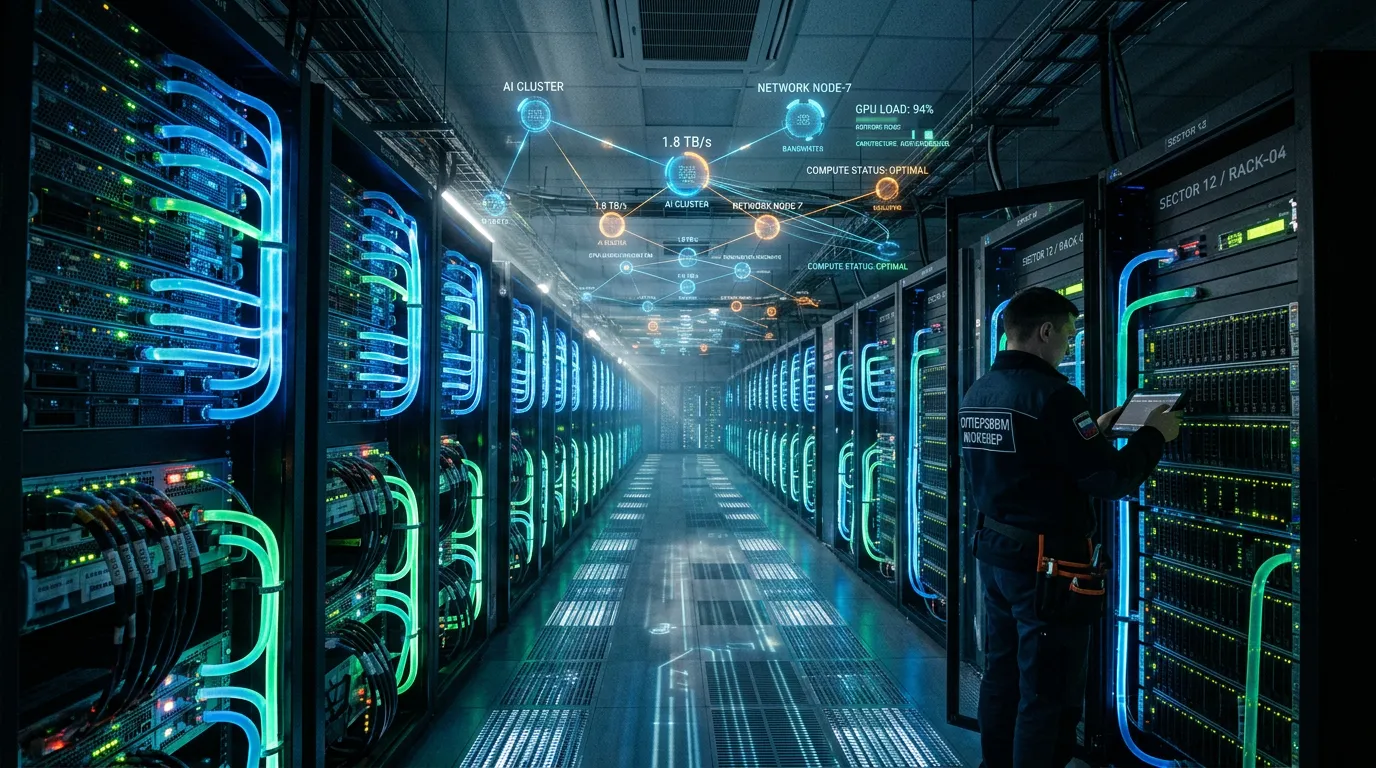
The supercomputer features more than 4,200 CPU cores, nearly 34 TB of RAM across its compute nodes, and about 14 TB of GPU memory. It also includes almost 3 million CUDA cores and more than 92,000 Tensor Cores. Its architecture was designed with future expansion in mind, allowing both compute nodes and networking infrastructure to scale as demand grows.
AI Infrastructure for the Financial Sector
The project strengthens Russia's capabilities in designing and integrating infrastructure for generative AI while enabling large enterprises to deploy language models entirely within their own secure environments.
The supercomputer is already operating at one of Russia's largest banks, where it supports the full range of AI workloads required by a modern financial institution serving both corporate and retail customers. Its software stack includes monitoring and management tools, an open-source platform for data visualization and analytics, and a Kubernetes orchestration environment with Multus and Cilium modules. The external segment also runs the Slurm workload scheduler, while the management servers operate in a Proxmox virtualized environment.
The project also incorporates comprehensive cybersecurity protections. Every segment of the computing platform meets enterprise requirements for data security, and the hardware is housed in a certified data center with controlled physical access.

Building a Domestic Computing Foundation
Reducing dependence on foreign hardware and software suppliers has become strategically important for addressing mission-critical computing tasks in Russia. A country capable of building its own supercomputers gains control over core technologies, including system architecture, hardware components such as specialized processors, and software optimized for highly specialized workloads. Those capabilities directly affect technological independence in nuclear energy, the defense industry, advanced materials research, drug discovery, quantum computing, and artificial intelligence.
The project developed by E-Flops and AMDtekhnologii demonstrates that Russian technology companies are moving beyond isolated experiments with generative AI toward building dedicated enterprise-scale infrastructure.
The number of high-performance computing systems in Russia continues to grow. Sber's Kristofari supercomputer, for example, was built to train AI models for voice assistants, natural language processing, computer vision, credit scoring, and fraud detection. Meanwhile, Lomonosov Moscow State University's MSU 270 supercomputer supports fundamental AI research, medical image analysis, the development of new machine learning methods, and interdisciplinary scientific projects.
As AI becomes more deeply embedded in business operations, organizations across the Russian economy are expected to improve efficiency while gaining a competitive advantage. In practice, most large enterprises are likely either to build dedicated computing centers of their own or rely on existing domestic high-performance computing infrastructure.