Komsomolsk-on-Amur Gives Residents Direct Access to Environmental Monitoring Data
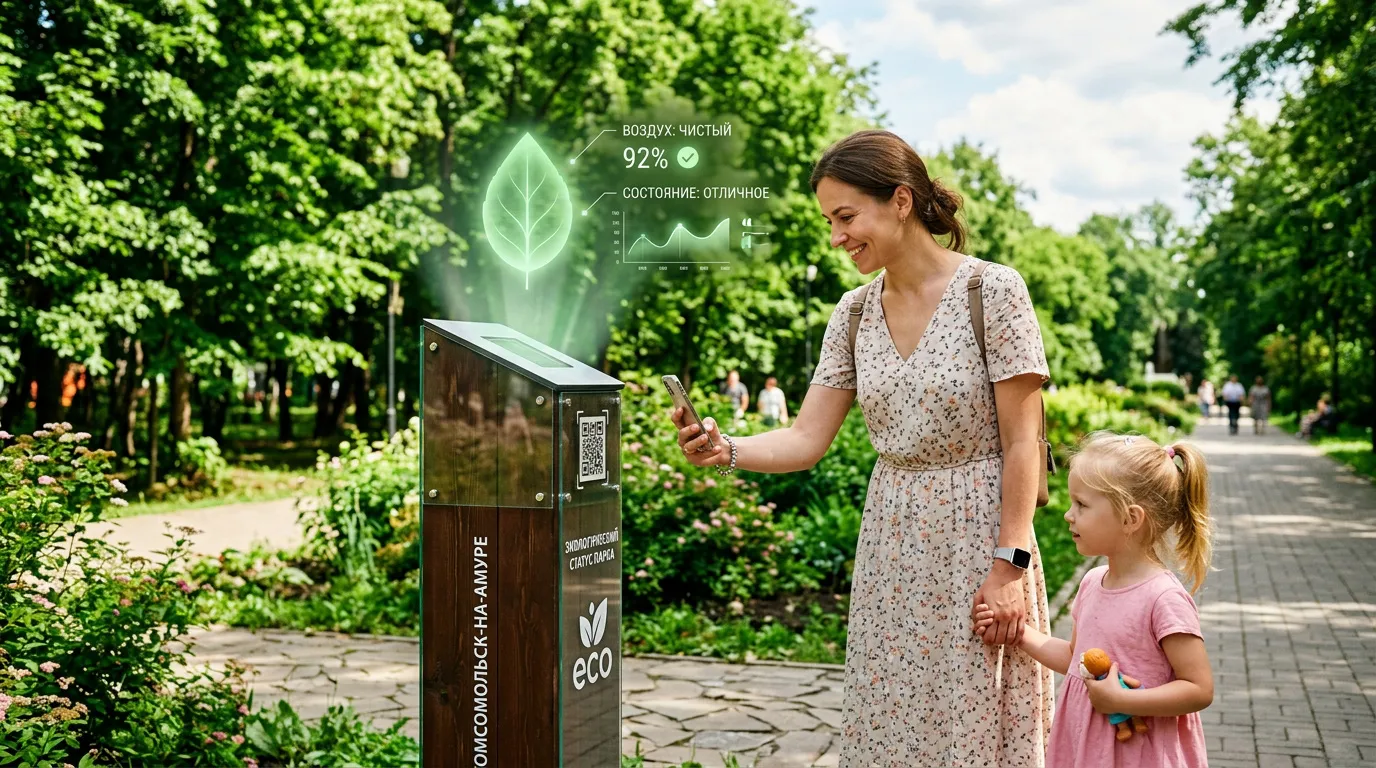
Residents of Komsomolsk-on-Amur now have fast digital access to official atmospheric air quality monitoring data. The access tool is one almost everyone already understands – the QR code.
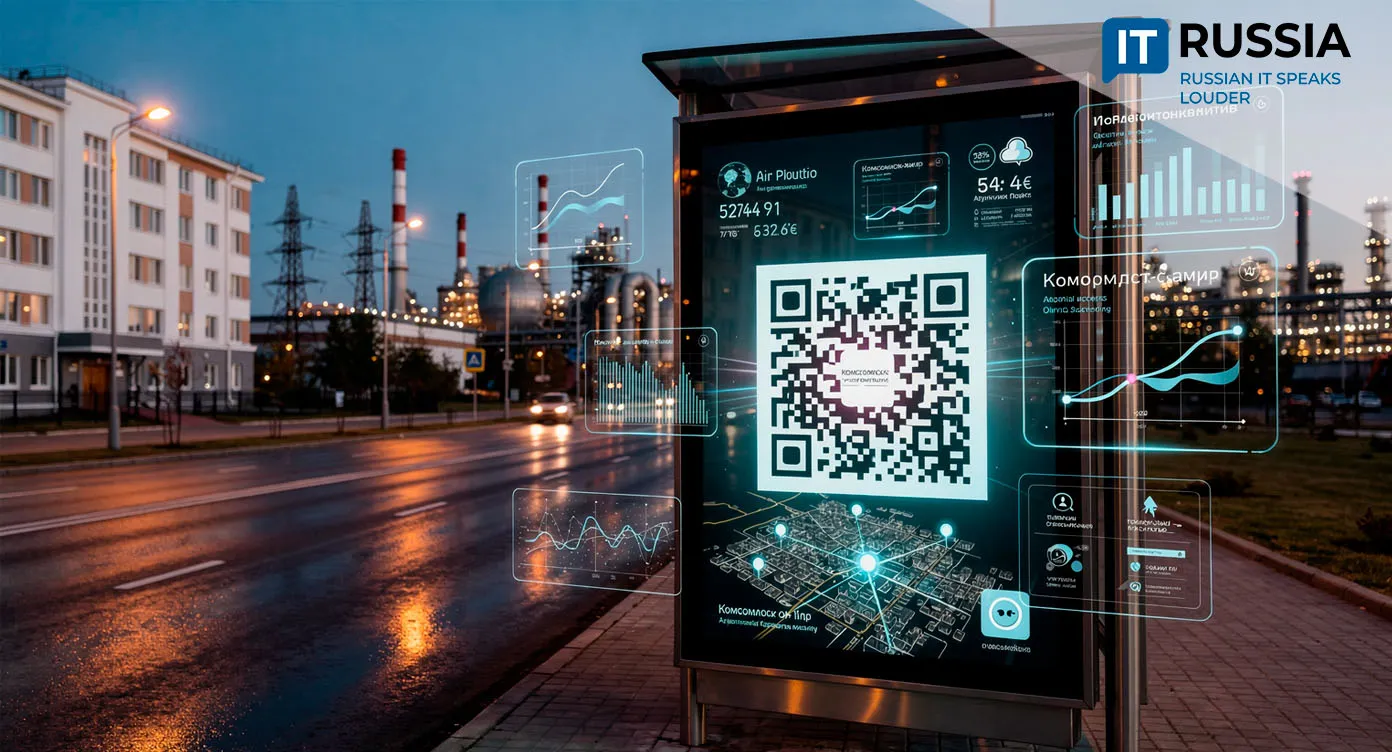
QR-code flyers will appear in clinics, schools, libraries, daycare centers and even on public transportation. They will provide access to the latest measurements from Rosgidromet’s Far Eastern division. The data will be updated monthly.
Air Is Cleaner – and the Data Is Transparent
Komsomolsk-on-Amur is one of the largest industrial centers in Russia’s Far East. The city builds ships and aircraft while also developing oil refining and metallurgy. Yet around 40% of total emissions – 4,500 tons annually – come from private households that still use coal and wood heating. Even transportation accounts for a smaller share at 34%.
Komsomolsk-on-Amur and the workers’ settlement of Chegdomyn have participated in the Clean Air federal project since 2023. By 2036, they are expected to cut pollutant emissions exactly in half. To achieve that goal, authorities developed a comprehensive plan ranging from deep industrial modernization to converting private households to natural gas. The QR-code initiative represents a form of “small-scale digitalization” in environmental policy, helping eliminate the information vacuum around emissions data. The more transparent the information becomes, the harder it is to ignore violations. Last year alone, emissions in Komsomolsk-on-Amur fell by 241.73 tons after 173 private homes switched from coal and wood heating to gas.
A Measure of Public Demand
Over the past several years, Russia has accumulated extensive experience in digital environmental monitoring. In 2023, Vladimir Putin signed legislation introducing automated emissions monitoring at enterprises participating in the federal experiment. That same year, MegaFon launched an environmental monitoring platform in Akhangaran, Uzbekistan, demonstrating the export potential of combined “sensor plus cloud” solutions. By 2025, Nornickel had deployed automated monitoring systems in Monchegorsk and Norilsk that record environmental data every 20 minutes. More recently, Novokuznetsk, Norilsk, Chelyabinsk and Cherepovets became the first cities to achieve the targets set under the federal Clean Air project.
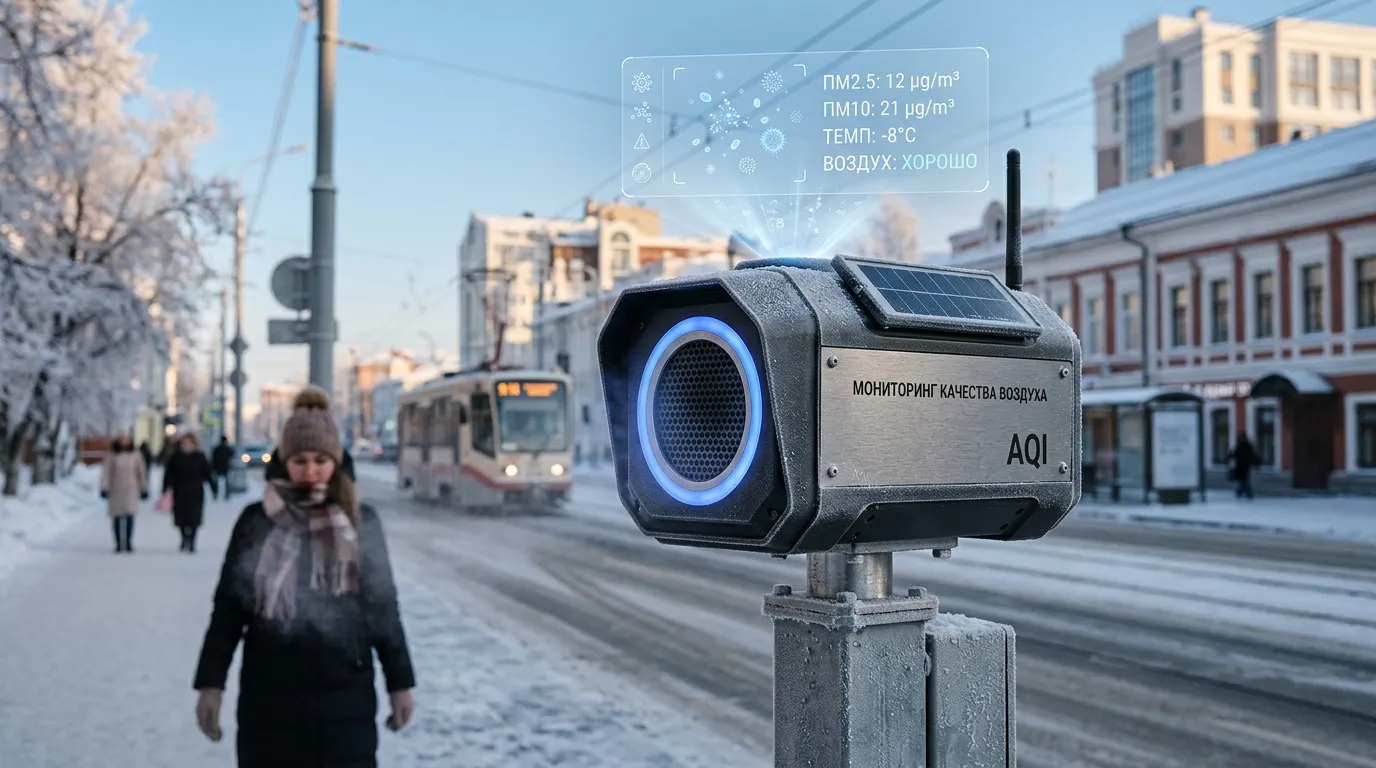
Russia also already has public air-quality tracking platforms such as AIRCMS.online and Dyshi.Moskva, along with environmental messenger bots including Vozdukh 42. In Ryazan, residents are moving away from judging air quality “by smell and personal impressions” and toward measurable public data through the Ecomonitor62 platform. The service receives live readings from GANK-4M gas analyzers. Residents of Kemerovo, meanwhile, receive objective and near real-time air quality information through the independent monitoring platform airkemerovo.ru.
Toward a Shared Goal
The core goal of the Clean Air project is to reduce total emissions by 20% by the end of 2026 compared with 2017 levels. That year, stationary sources emitted 17.5 million tons of pollutants into the atmosphere. Four out of the original 12 participating cities have already reached the project’s target indicators. In 2025, nearly 190,000 atmospheric air studies were conducted across the 12 cities. Maximum permissible concentration exceedances were identified in 1,900 samples – less than 1% of the total observations. The project now includes 41 cities.
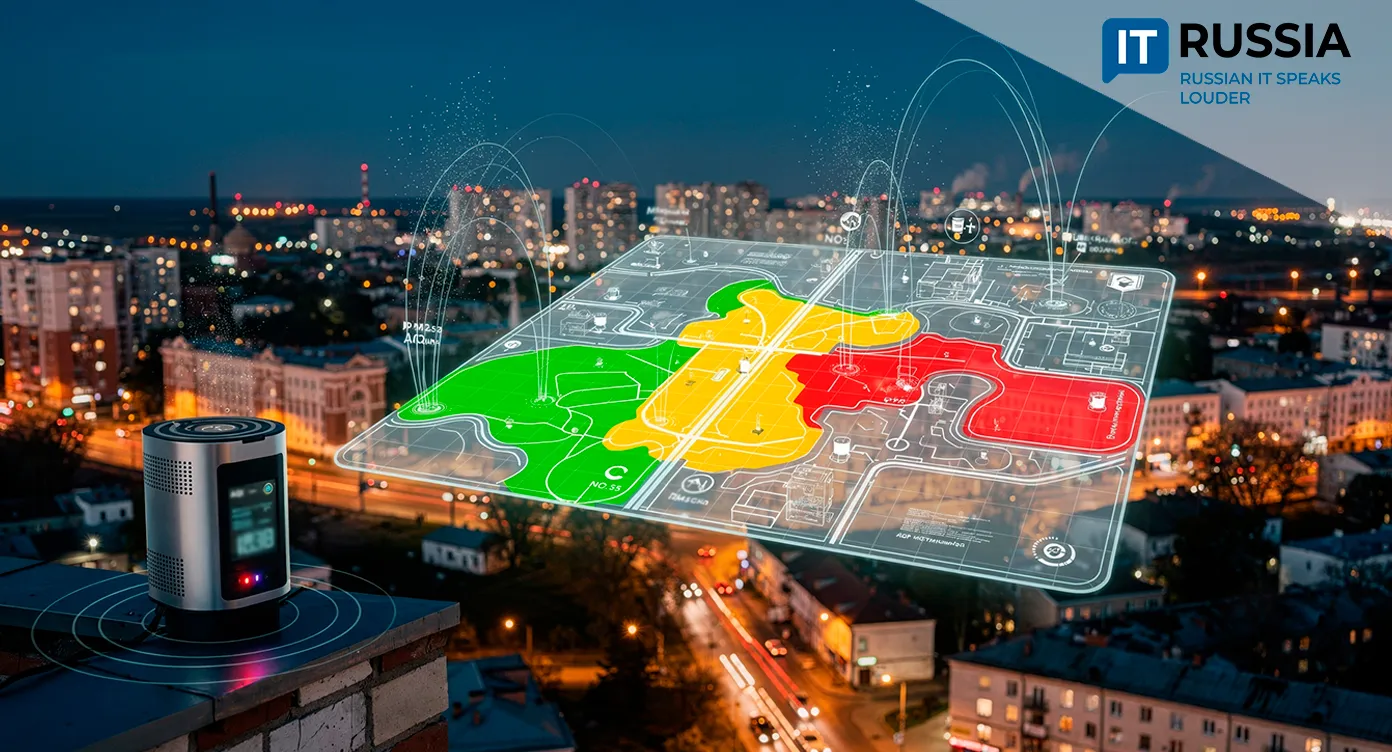
The long-term vision for Komsomolsk-on-Amur’s “digital environmental watchdog” is the creation of a full digital dashboard featuring monitoring-station maps, pollution archives and alerts about exceedances. Such a service could become a standard municipal template for all cities participating in the updated Clean Air initiative. Environmental transparency begins with a simple action – residents checking air-quality data on their smartphones through a QR code printed on a public flyer.