Yandex Uses Satellites to Track an Invasive Weed Across Vast Landscapes
Sosnowsky’s hogweed has taken over millions of hectares across Russia, Europe and North America. This invasive plant, hazardous to both people and ecosystems, is notoriously difficult to detect across vast territories. Yandex has launched a free AI-powered service capable of automatically identifying hogweed hotspots in satellite images.
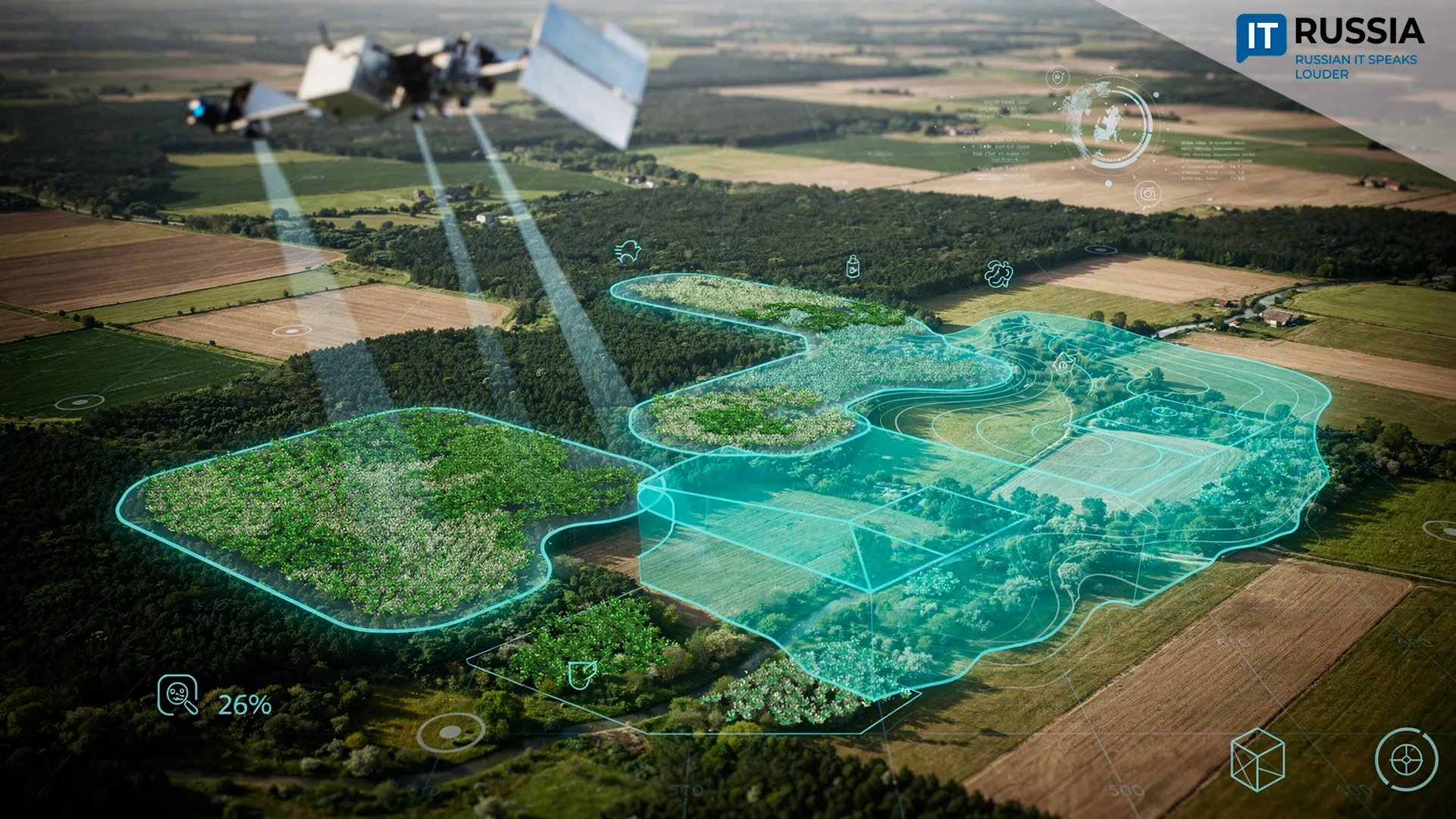
The company’s School of Data Analysis and Center for Social Technologies have developed an algorithm that maps affected areas 50 times faster than manual methods. Volunteers from the StopBorshchevik movement have already tested the system in 17 regions of European Russia, identifying 421 hectares of overgrown land. The service processes GeoTIFF images and produces ready-to-use maps for targeted eradication efforts.
On March 1, 2026, Russia introduced an official list of invasive species considered dangerous for federally protected natural areas. Hogweed tops that list. A 2025 federal law requires landowners to control the toxic plant, and the new AI tool effectively acts as a digital assistant in that effort.
Rethinking an Old Problem
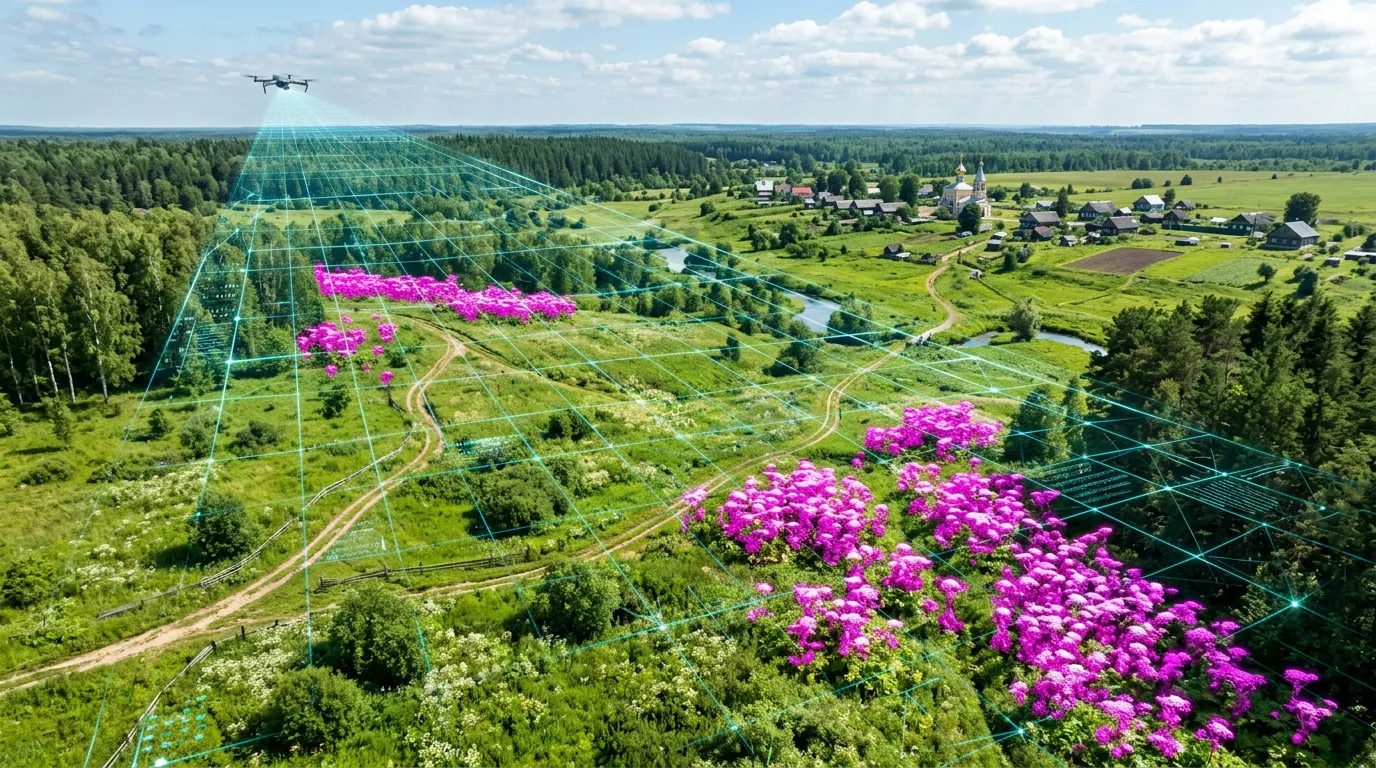
Back in 2021, researchers at Skoltech deployed a drone-based system to detect hogweed, processing aerial imagery onboard unmanned aircraft in real time. By 2022, climate modeling at Skoltech suggested that the plant’s range was rapidly expanding, potentially reaching northern regions. Today, controlling hogweed has become a national priority. Manual spraying is no longer viable at this scale, especially in hard-to-reach areas.
In the Yaroslavl region, drones equipped with GPS, cameras and spraying systems have been used to apply herbicides with precision. These UAVs can reach remote locations, speed up operations and reduce human exposure to the toxic plant while improving treatment accuracy. Since 2022, the region has increased its treatment coverage by a factor of 8.5.

Room for Technology
A single hogweed plant can produce up to 20,000 seeds per season. The species is highly resilient, rapidly displacing crops and forming dense, impenetrable thickets. In 2024 alone, 17,000 hectares of agricultural land were identified as overrun by the weed. Nationwide, Sosnowsky’s hogweed now covers approximately 296,000 hectares.
Yandex plans to scale the technology further. By summer 2026, monitoring is expected to cover 100,000 square kilometers in the Tver and Yaroslavl regions. The AI will also be trained to detect other invasive species, including echinocystis and goldenrod. Countries facing similar ecological challenges may find value in this adaptable geospatial analytics platform.