A “Smart” Pipe Cutting Machine Developed in the Southern Urals
Import substitution in action – Russian machine tool building moves onto a growth trajectory.
A Machine That Makes Its Own Decisions
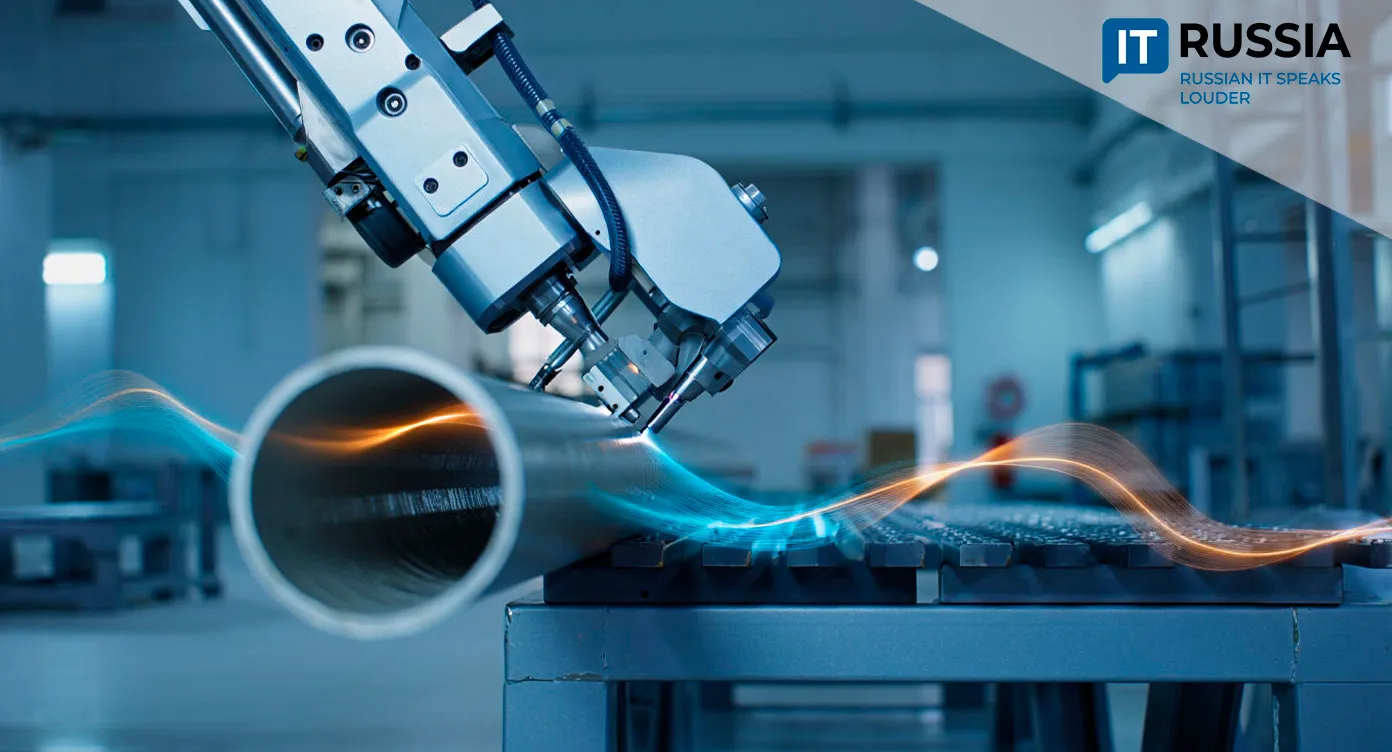
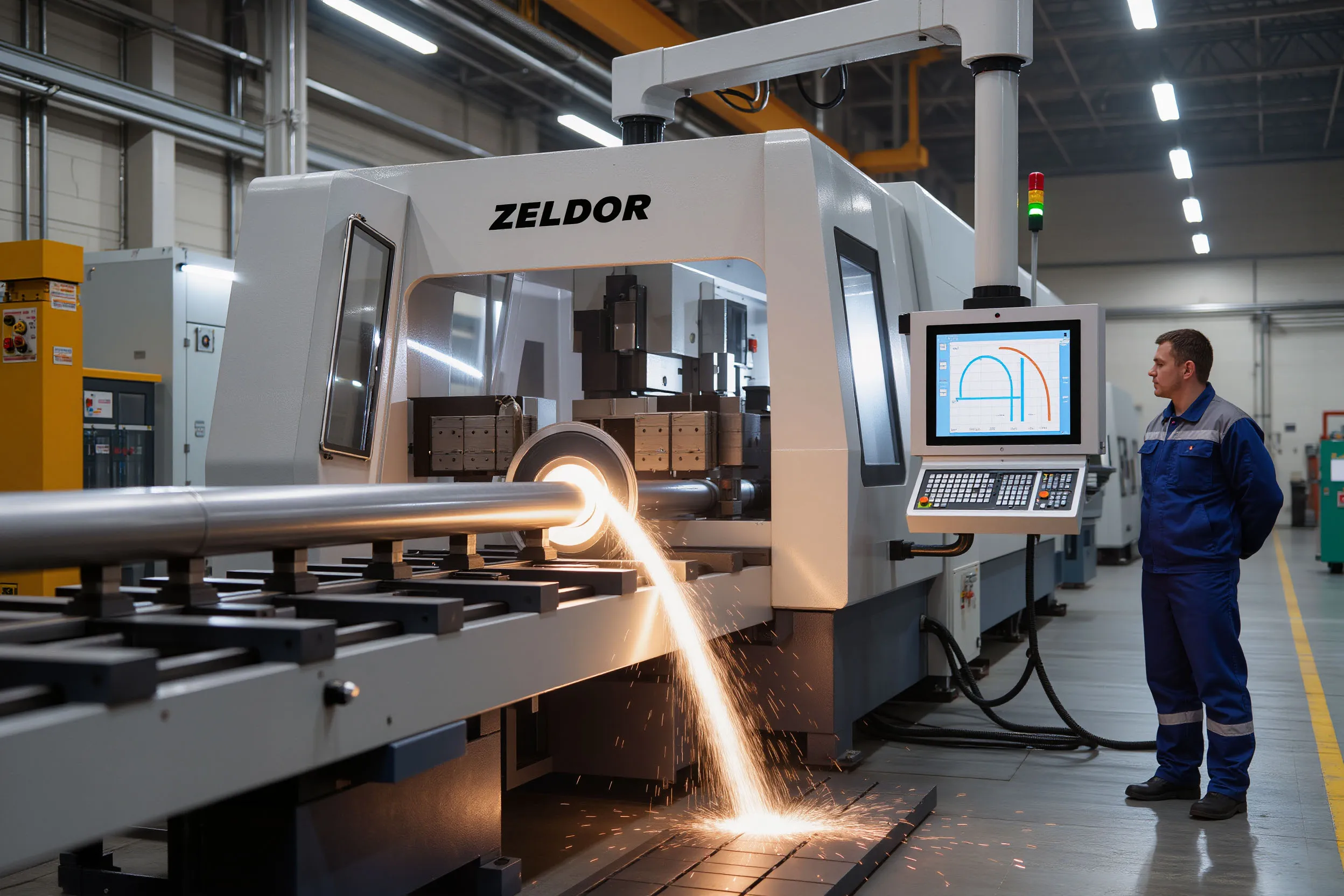
Engineers at the Chelyabinsk-based company Solid have unveiled a fully automated pipe cutting machine designed for pipes with diameters ranging from 16 to 90 millimeters and wall thicknesses of up to 5 millimeters. Unlike existing Russian counterparts, which require an operator’s involvement at various stages, the new system operates autonomously. Once initial parameters are entered, the machine independently calculates cutting modes, controls mechanical components, and completes the operation without human intervention. This level of automation significantly boosts productivity, eliminates risks associated with the human factor, and ensures consistently high product quality.
A key advantage of the new equipment is its versatility. The machine can process not only metal pipes, but also plastic products and paper cores. Importantly, metal cutting does not require the use of cutting fluids, simplifying operation, reducing maintenance costs, and making the production process more environmentally friendly. Thanks to new software and a simplified changeover system, machine downtime has been cut in half – a critical improvement for manufacturers focused on flexible, rhythm-based production.
The development received support from the Chelyabinsk Region Industrial Development Fund. The company will be reimbursed more than 1.2 million rubles (approximately $15,000) for research and development expenses. This backing underscores the region’s interest in fostering high-tech manufacturing and stimulating innovation among industrial enterprises.
Robotic Systems Are Reshaping Manufacturing
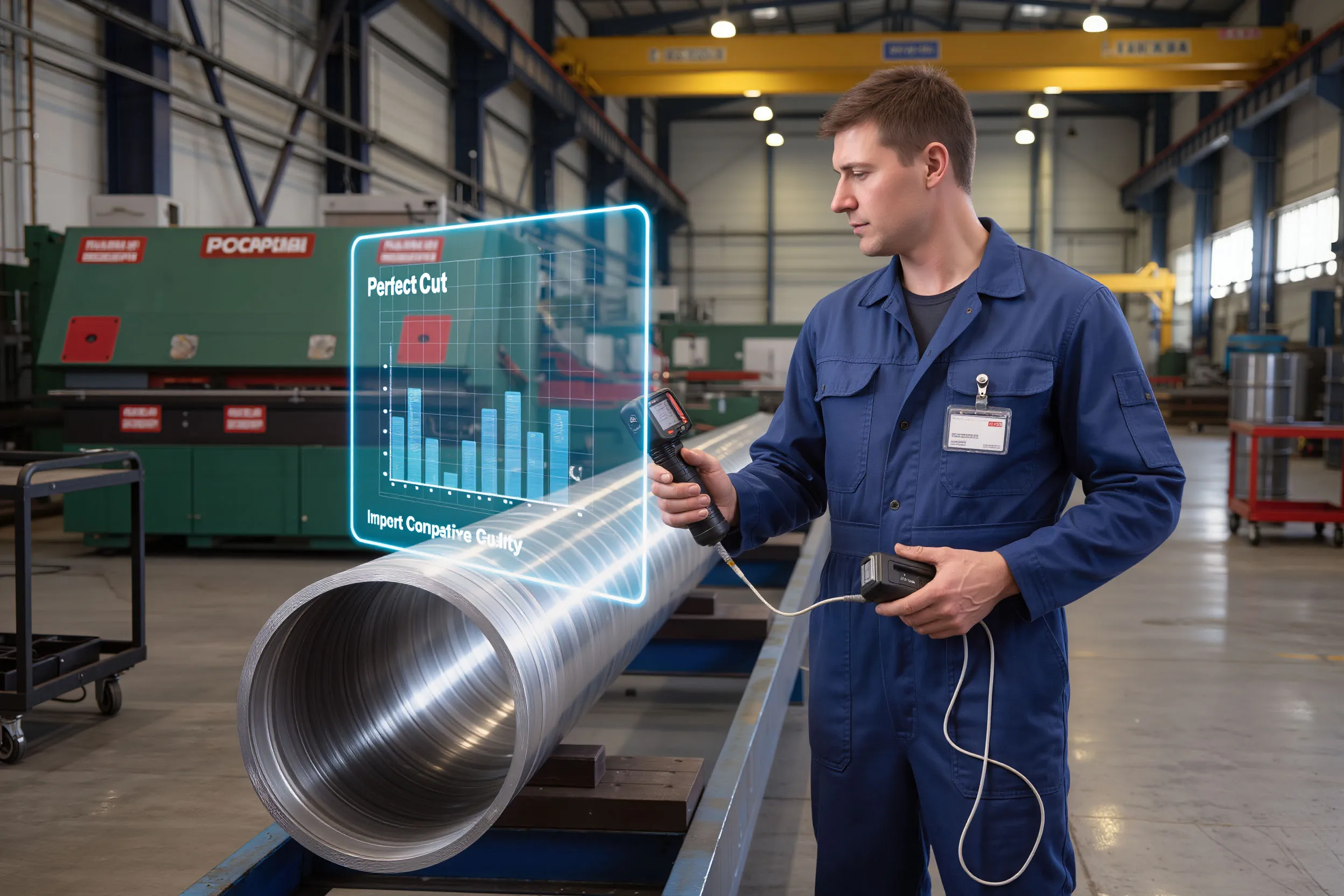
Solid has long established itself as a supplier of integrated industrial automation solutions. Its portfolio includes robotic welding systems and robotic loading for CNC machines. The company’s in-house design bureau develops robotic complexes that have no direct equivalents in Russia. Solid’s equipment is in demand across machine building, metalworking, steel structure manufacturing, and even the food industry.


The company collaborates with leading Russian robot manufacturers, including Rosatom’s system integrator, highlighting Solid’s technological maturity and its ability to deliver complex, end-to-end integration projects. For industrial customers, this means access to domestically developed automation solutions that reduce reliance on imported equipment while maintaining performance and reliability.
A Technological Response to Today’s Challenges
The new machine is competitive with foreign analogues in both quality and price – a crucial factor amid sanctions and the growing push for import substitution. For Russian industry, this is more than just another piece of equipment. It represents a tangible step toward technological independence in metalworking. For the Chelyabinsk region, the project could become a catalyst for forming a local machine tool cluster, driving job creation, attracting engineering talent, and strengthening the regional industrial ecosystem.
Commercial prospects appear promising. The equipment is already well suited for companies across Russia and in CIS countries, particularly those seeking reliable alternatives to Western machinery. The absence of cutting fluids lowers operating costs, improving the machine’s economic appeal. If successfully scaled, the project could set a precedent for the development of other automated systems, deepening import substitution and increasing the autonomy of Russian manufacturing.
Machine Tool Building 2.0 – Russia Bets on Its Own
The success of the Southern Urals company is no accident. It reflects systemic changes in the industry that began after 2022, when the breakdown of technological ties with the West forced Russian machine tool building to choose between stagnation and a decisive leap forward. The Russian government responded by adopting the Machine Tool Industry Development Strategy Through 2030, which set ambitious goals – achieving a 50 percent share of domestically produced equipment on the internal market, creating at least seven industrial clusters, and investing 120 billion rubles (around $1.4 billion) in R&D by 2025.
By 2025, tangible results were already visible. In 2023, Russia produced 9,269 metal-cutting machines, a 20 percent increase year over year. In 2024, output grew by another 40 percent in value terms. Russian companies are actively rolling out proprietary solutions. Stankoprom manufactures machines based on the Locman CAD system. Rosnano Group and the Kaluga Track Machine Plant have developed hybrid centers for the aerospace sector. Rosatom is implementing digital twins in industrial production.
Meanwhile, the Stankotekh plant in Tatarstan, after losing access to German components, developed an alternative in just eight months using Arduino-based hardware and Russian software. Today, its machines are being exported, including to India. These examples illustrate how pressure has accelerated innovation and localization across the sector.
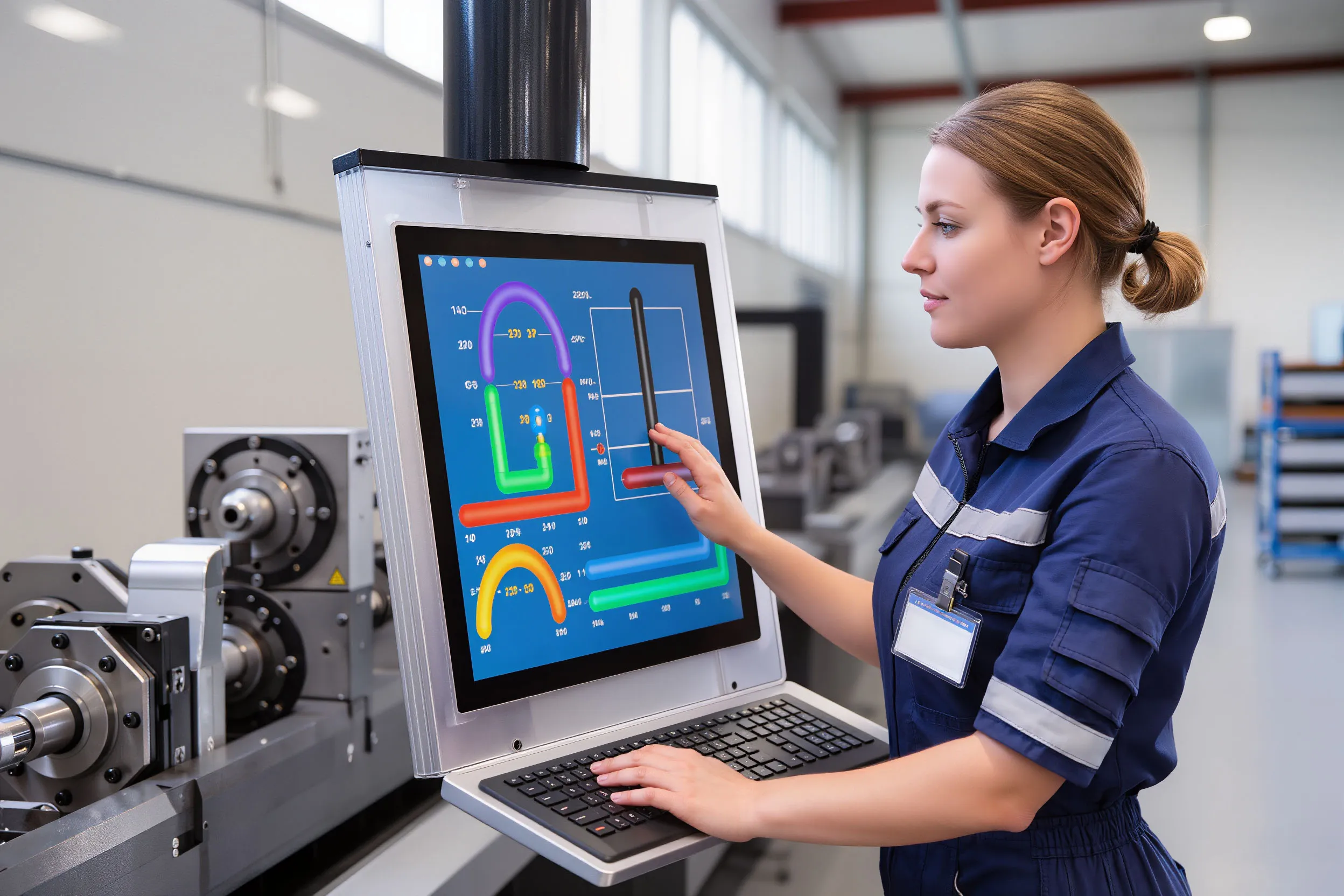
Achieving full technological independence still requires addressing systemic challenges – developing domestic microelectronics for CNC systems, building closed supply chains, and strengthening ties between industry, science, and education. Successfully tackling these tasks would allow Russian machine tool building not only to meet domestic demand, but also to secure a competitive position in global markets. Recent success stories from Russian manufacturers provide compelling evidence that this trajectory is achievable.