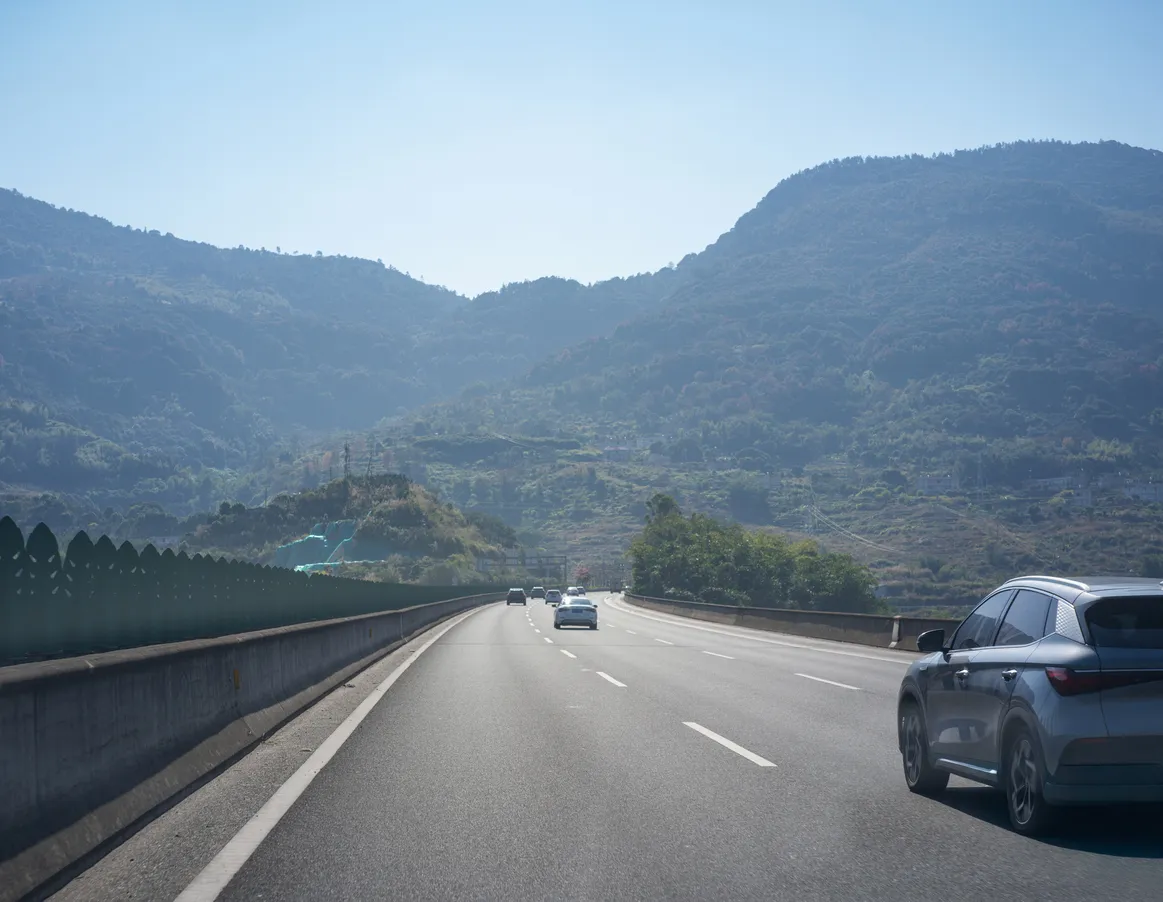
Cars on Russian Roads Are Riding a “Green Wave”
Intelligent systems are being rolled out nationwide across the country’s transport network.
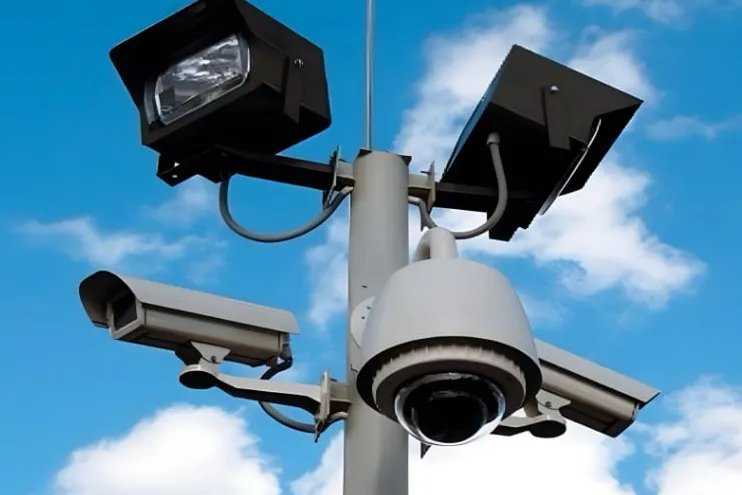
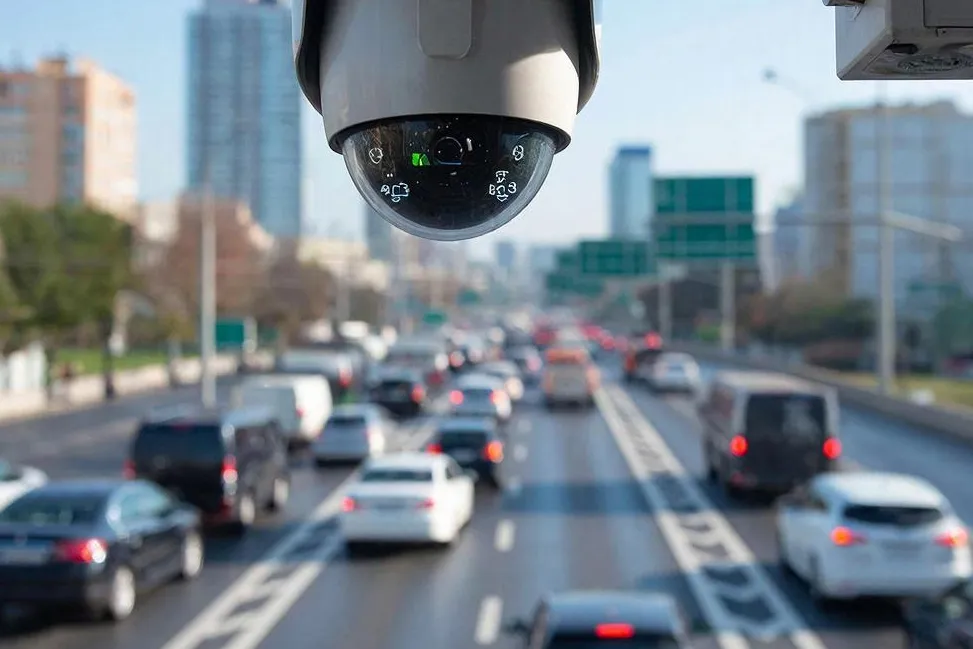
Russian cities are actively introducing intelligent systems into their transport networks as part of the national Infrastructure for Life program. These include AI-powered cameras, adaptive traffic lights, and a wide range of sensors. Together, the technologies help optimize public transport movement, reduce congestion, and make road traffic safer overall.
Over the past five years, the number of cities participating in the project has grown from 28 to 65, according to Russia’s Transport Ministry.
Rush Hour Without a Slowdown
Penza offers a clear example. There, 45 traffic lights along eight major streets operate under a coordinated “green wave” system. The lights are synchronized, indicating where and when vehicles should be allowed to proceed to prevent bottlenecks and traffic jams.
Another 13 of the city’s busiest intersections are equipped with smart traffic lights that analyze traffic conditions and adjust to the flow. These systems do not stop vehicles unnecessarily and, conversely, can hold traffic when required. As a result, average speeds do not drop even during rush hour, and drivers are violating traffic rules far less often.
In Kirov, a single digital platform connects 163 traffic-light units, including 36 pedestrian crossings. The system allows signals to be controlled automatically or manually when needed. Green-wave corridors are also expected to appear on the city’s main streets in the near future.
Smart Cameras Know Everything About a Car
In Ulan-Ude, 92 traffic lights have been upgraded, 164 panoramic cameras with 360-degree rotation installed, and 250 vehicle detectors deployed. The detectors collect data on speed, vehicle type, and other parameters. As a result, average traffic speed during peak hours has increased from 15.5 to 22.8 kilometers per hour.
In 2026, the Republic of Crimea is set to join the project, with smart systems scheduled to be installed across the Simferopol urban agglomeration.
Earlier, we reported that Saint Petersburg had begun a large-scale rollout of smart traffic lights with adaptive audio alerts. These devices analyze street noise levels in real time and automatically adjust signal volume for pedestrians, making crossings safer and more comfortable.