Russia’s Public Procurement Portal Is Becoming More User-Friendly Than Typical Marketplaces
The Zakupki.Mos.ru public procurement catalog was upgraded last year, adding new features that significantly simplify low-value purchasing for businesses and government buyers.

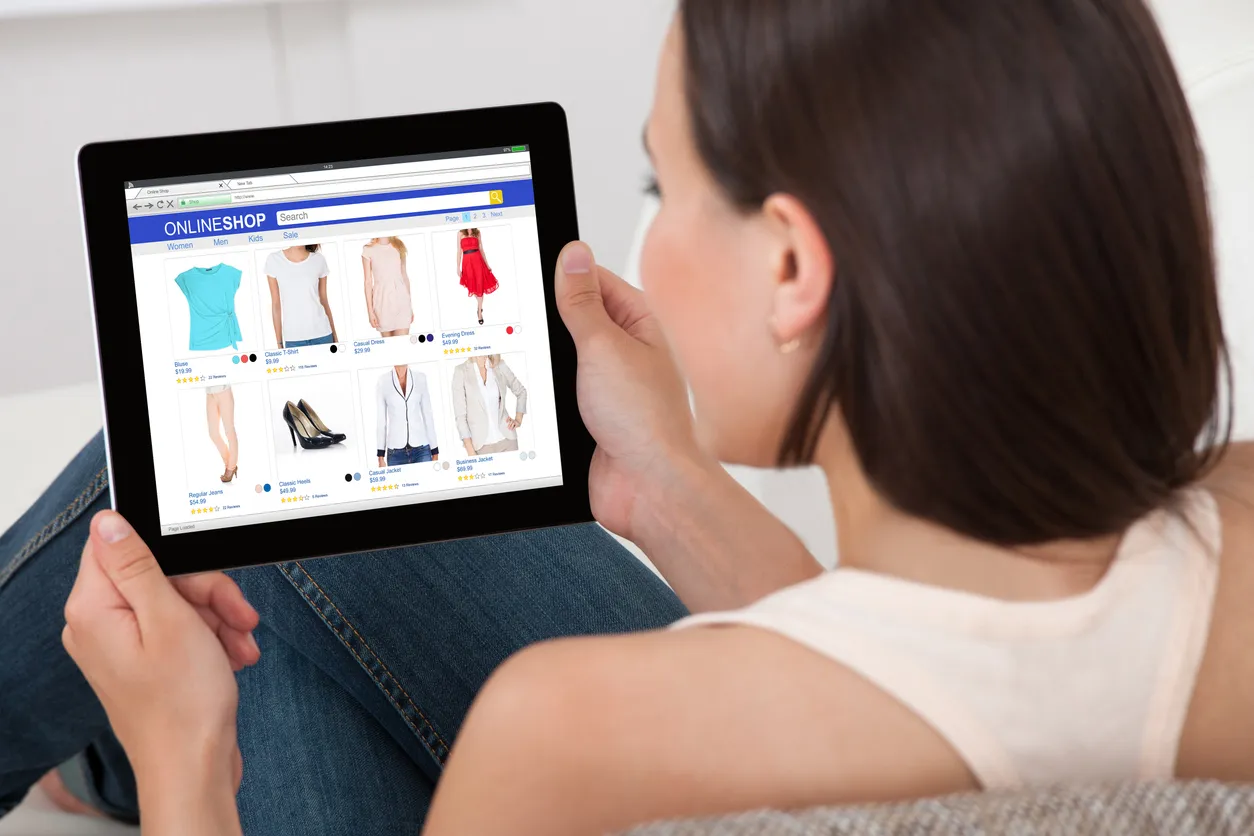
All supplier listings in the catalog are now published with detailed descriptions, specifications, and images. Searching for and analyzing information about goods, services, and works has become more intuitive and convenient.
One of the most notable updates is the ability to create templates for similar products. Suppliers can now group comparable items into a single product card, assigning shared specifications and images. That has simplified both moderation of new offers and the creation of new product listings.
Price History
The update also redesigned the interface for product and service cards. The catalog now includes a price-history feature showing the average price of an item over the past three years, as well as the validity period of the most recent offer. If the information is outdated, buyers can invite suppliers to update their terms and repost an offer.
The new interaction model between suppliers and buyers is designed to help contracts close faster by making current, competitive pricing easier to find.
Goods and Services Catalog
To take part in procurement, entrepreneurs need to add their own standard product unit or submit a price offer for an existing item. A new product card becomes available after moderator review, which can take up to five business days.
To improve usability, the portal continues to expand its digital capabilities. Artificial intelligence is used throughout the catalog: a neural network identifies a product category based on an image and finds similar listings. Smart search recognizes typos and transliteration, while a built-in API allows data to be exported for analytics and bid preparation.
The supplier portal has been operating since 2013 and today brings together more than 390,000 entrepreneurs and over 60,000 state and municipal customers across 43 regions of Russia.