In Russia, AI Platform to Design People-Adaptive Elevators Is to Launch
The system models human behavior to optimize elevator configurations in residential and commercial buildings
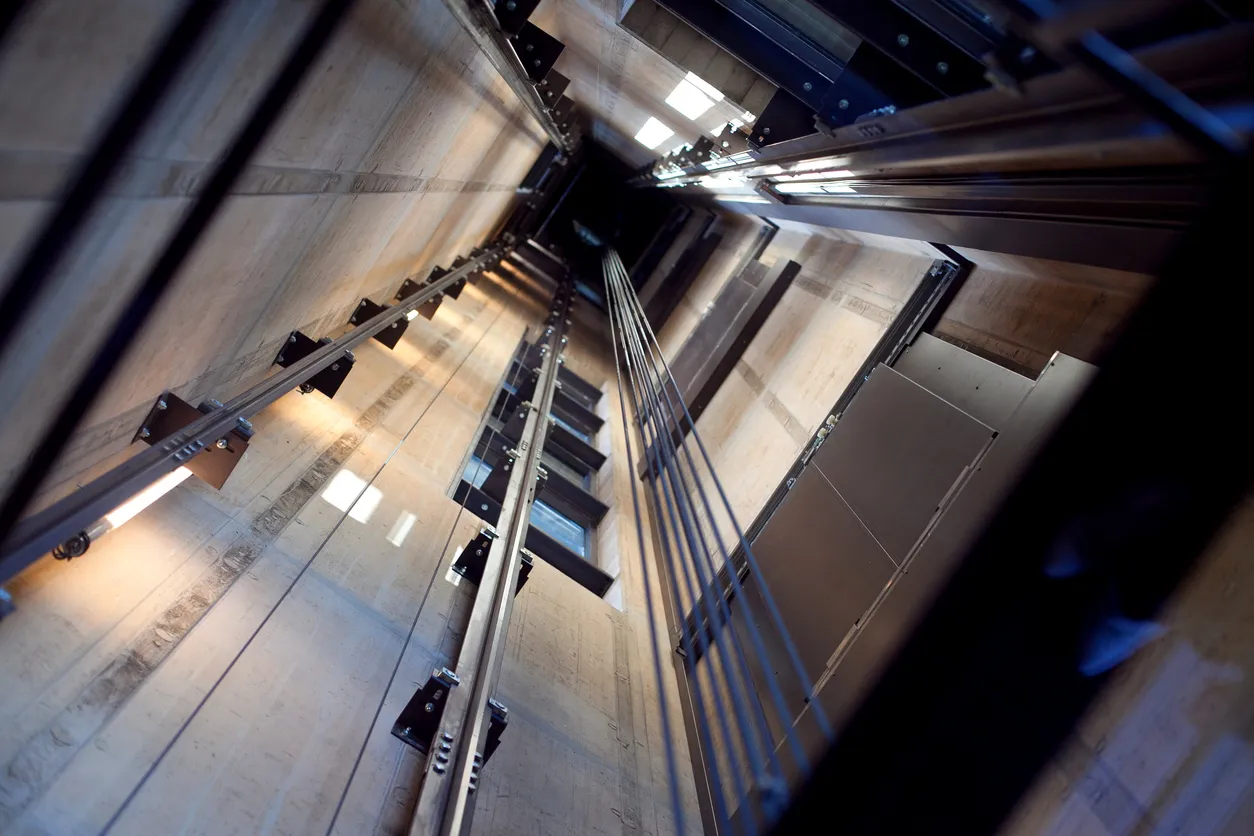
Researchers at MIPT’s Institute of Artificial Intelligence have developed a digital platform that selects optimal elevator configurations for residential complexes and office buildings. The system identifies algorithms that reduce waiting times under constraints such as space, speed, and number of cabins. It supports complex scenarios and non-obvious solutions, and has already been tested on a live project by developer Mangazeya, the university’s press service told IT RUSSIA.
A New Approach
Traditional design of stairwell and elevator systems relies on standardized building codes, which often fail to reflect real resident behavior and fluctuating passenger flows throughout the day. The MIPT platform takes a different approach. It creates a digital twin of a building, populates it with thousands of simulated passengers with diverse behavioral patterns, models their movement over a 24-hour period, and generates the top 10 optimal configurations based on target waiting times (for example, no more than 40 seconds).
In one high-rise residential project exceeding 40 floors, the system recommended four elevators instead of five, maintaining waiting times below 39 seconds. In a planned Class A business center with 28 floors, waiting times were reduced from 48 to 37 seconds. These improvements were achieved by optimizing elevator grouping and selecting appropriate cabin capacities.
Designed Around People, Not Standards
The platform enables developers to simulate building operations at the design stage, capturing factors that influence movement dynamics. Testing confirmed its accuracy, with less than 10% deviation in elevator drive operation time.
Earlier reports noted that Russian researchers have developed a self-tuning algorithm for motors.