Kaluga Region to Deploy Fleet of Agricultural Drones to the Fields
Agrodrones will spray crops, apply fertilizers, and help create digital twins of farmland.
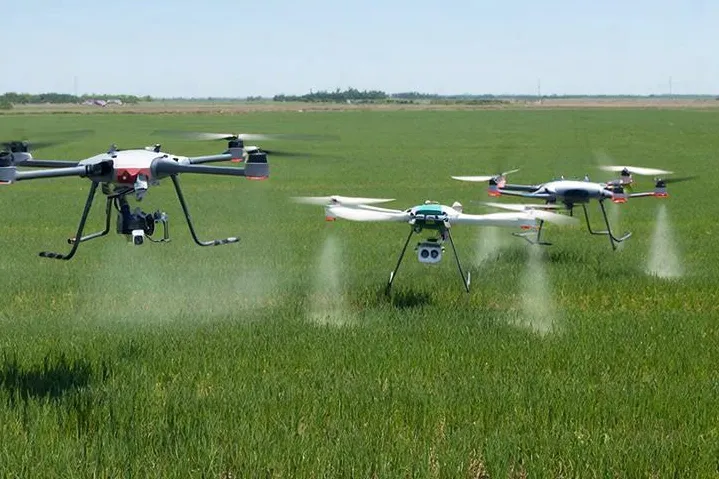
In 2026, the Kaluga region will allocate additional funding from its regional budget to accelerate the rollout of new agricultural technologies. Planned purchases include autonomous control systems, agricultural drones, and mobile mixing units, a move officials say could significantly improve farm productivity.
Deputy Regional Agriculture Minister Gennady Lutsenko outlined the initiative in an interview with local broadcaster Nika TV.
No Future Without Innovation
According to Lutsenko, lowering production costs and increasing efficiency in modern agriculture is no longer possible without adopting advanced technologies, with unmanned aviation emerging as one of the most promising areas.
First a Quadcopter, Then a Drone
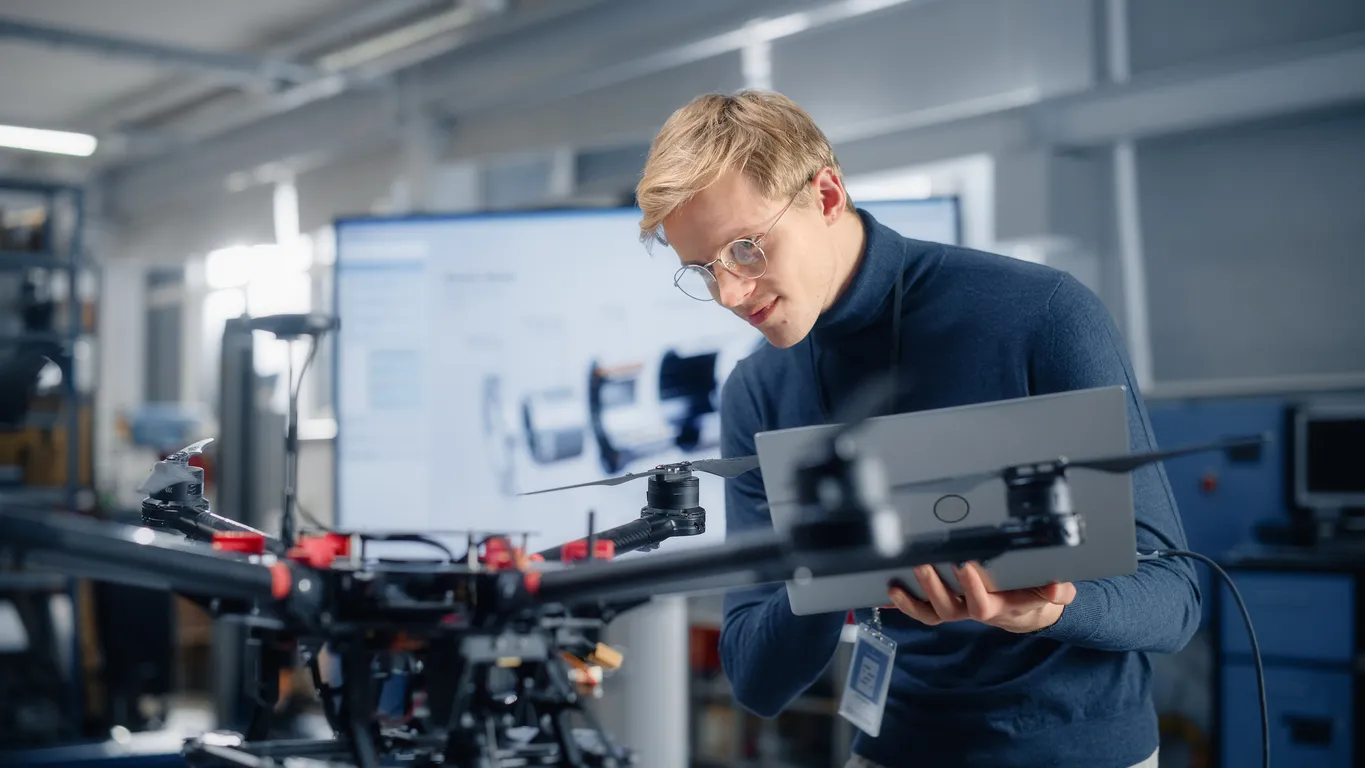
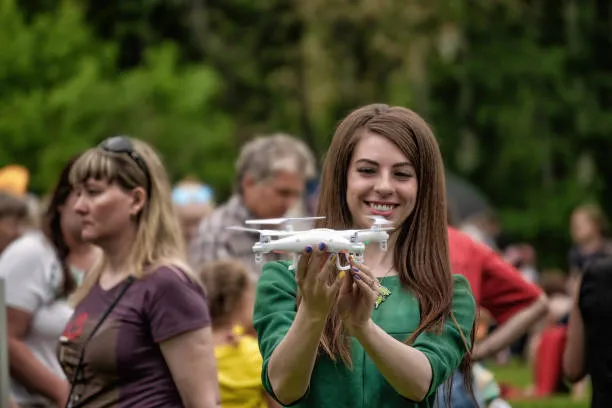
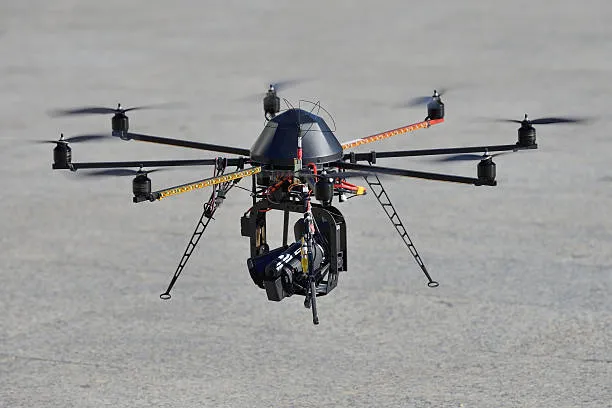
Before launching an agricultural drone, farmland must first be surveyed using quadcopters. These devices scan fields and help create a digital twin of each plot. Only then are larger agrodrones deployed. The digital twin is updated throughout the year and reflects changes at every stage of the farming cycle.
In addition, the Kaluga region is assembling what officials describe as a dedicated “agrodron squad.” The initiative was launched by Governor Vladislav Shapsha and is now nearing completion. Alongside quadcopters and agrodrones, the unit will include a specialized mixing station to prepare treatment solutions, as well as a support vehicle to transport the entire unmanned “brigade” to the fields.
The full agrodron unit is expected to begin field operations in May. Last year, more than 6,000 hectares were treated using unmanned aviation in the region. This year, officials aim to at least double that figure. Preliminary estimates suggest that using agrodrones could reduce agricultural production costs by about 20%.
Earlier, we reported that Russia is experimenting with drone-deployed “beetle paratroopers” to combat invasive hogweed.