

Moscow Trains Electric Vessel Captains Using a Virtual Simulator
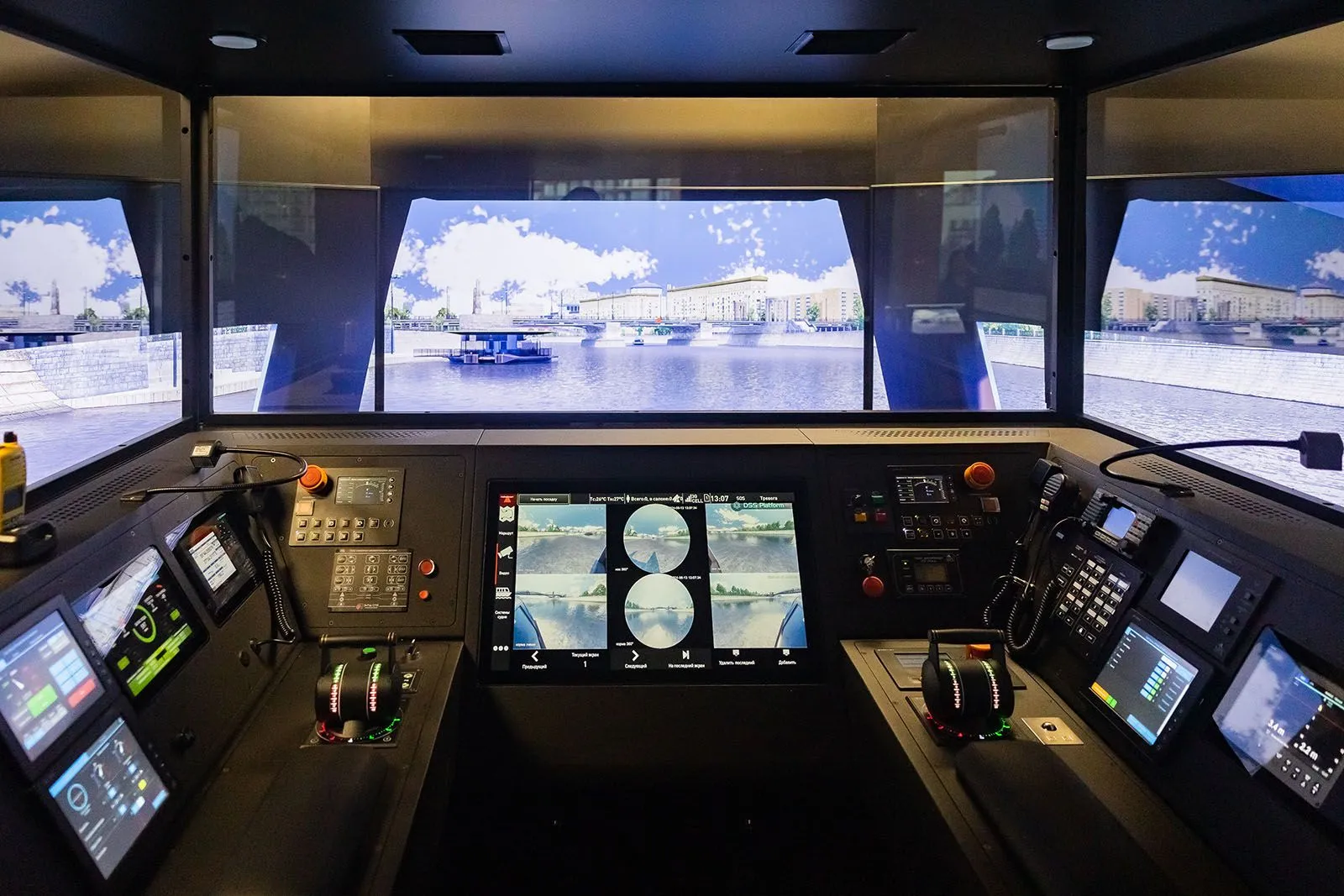
Virtual reality technologies accurately recreate the control cabin of a real vessel.
A modern Moscow Shipyard recently opened in the Nagatinsky Zaton district. The facility has become a symbol of a new, digital stage in the development of the capital’s river transport. The shipyard produces innovative electric vessels using robotic manufacturing equipment.
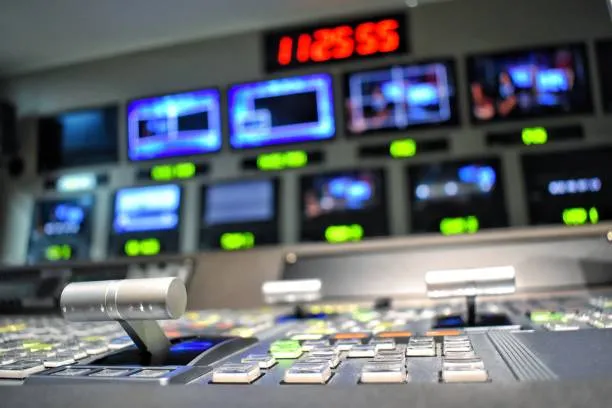
One of its key features is a unique crew training system. Specialists are trained on a virtual reality simulator that precisely reproduces the control cabin of a real vessel.
Using virtual reality technologies, three large screens recreate a regular river route from the Kievsky pier to Fili Park. Inside the control cabin, all the instruments found on an actual vessel are installed – radios, climate control systems, speed sensors, echo sounders, and more. To make training more challenging, operators can also change weather conditions by adding rain, snow, or ice.
A Full Replica of the Control Cabin
By 2030, seven regular electric river transport routes and 11 sightseeing routes are set to be launched on the Moscow River. These routes will be served by electric vessels built at the Moscow shipyard. The number of trips is expected to grow to seven million per year, with passenger services covering the entire stretch of the river within the city.
The introduction of advanced solutions, including virtual simulators, is bringing Russia’s shipbuilding industry to a new qualitative level and helping strengthen the country’s technological sovereignty.