

Russia Adopts New Data Storage Approach to Improve System Resilience
An asynchronous replication model is helping services remain stable despite unreliable network connections.

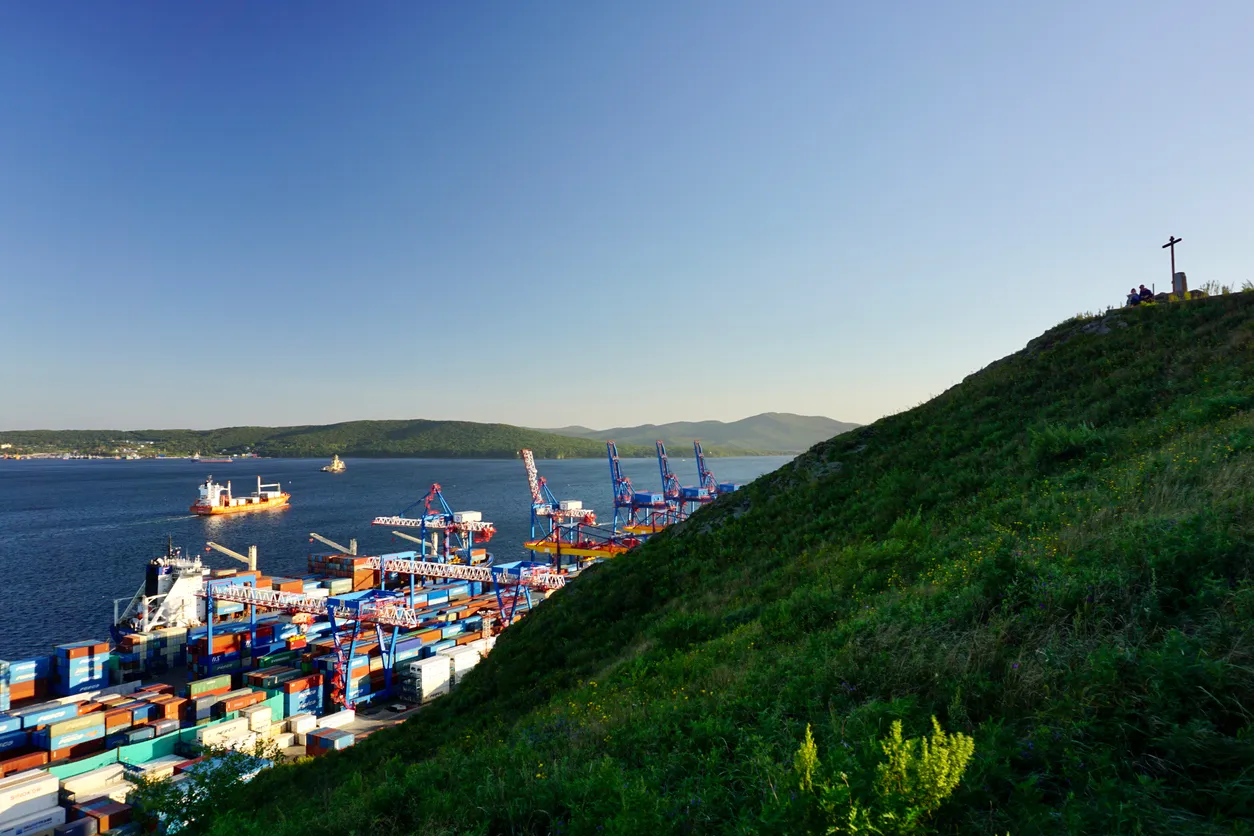
ARGO.TECH has deployed new data storage systems at a key infrastructure site in Sevastopol, a region known for its challenging IT conditions. The city’s rugged terrain, mountainous landscape, and unstable communication channels increase the risk of data loss.
Under such conditions, traditional synchronous replication models caused latency and placed excessive strain on networks. Engineers were forced to adopt a more resilient architecture.
Asynchronous Replication
The project uses asynchronous replication between storage arrays. Data is copied with a delay, without being tightly tied to the moment of writing. This allows the primary system to continue operating without interruption, even when network performance degrades.
As a result, network load has been reduced, and services are no longer dependent on connection quality. In the event of disruptions, data is preserved in backup arrays, while users experience no noticeable impact.
Built for Load Growth
The new storage systems have been integrated into the region’s existing IT infrastructure. They are compatible with application software and ready to support analytics and AI-driven services. Improved data access has accelerated application response times, while load balancing has enabled more stable request processing even as traffic increases.
The Cost of Resilience
Asynchronous replication requires more complex management. It demands continuous monitoring of data synchronization, configuration of recovery scenarios, and ongoing system oversight. However, real-world testing has shown that domestic technologies can handle heavy workloads even in demanding environments.