Phygital Breakthrough: Russia Builds a New Sports Ecosystem
Russia is turning phygital sport from a niche experiment into a pillar of national sports policy. Hundreds of dedicated centers, international tournaments, and even rehabilitation programs are already embedded in development plans through 2030.
From Concept to a Nationwide Network
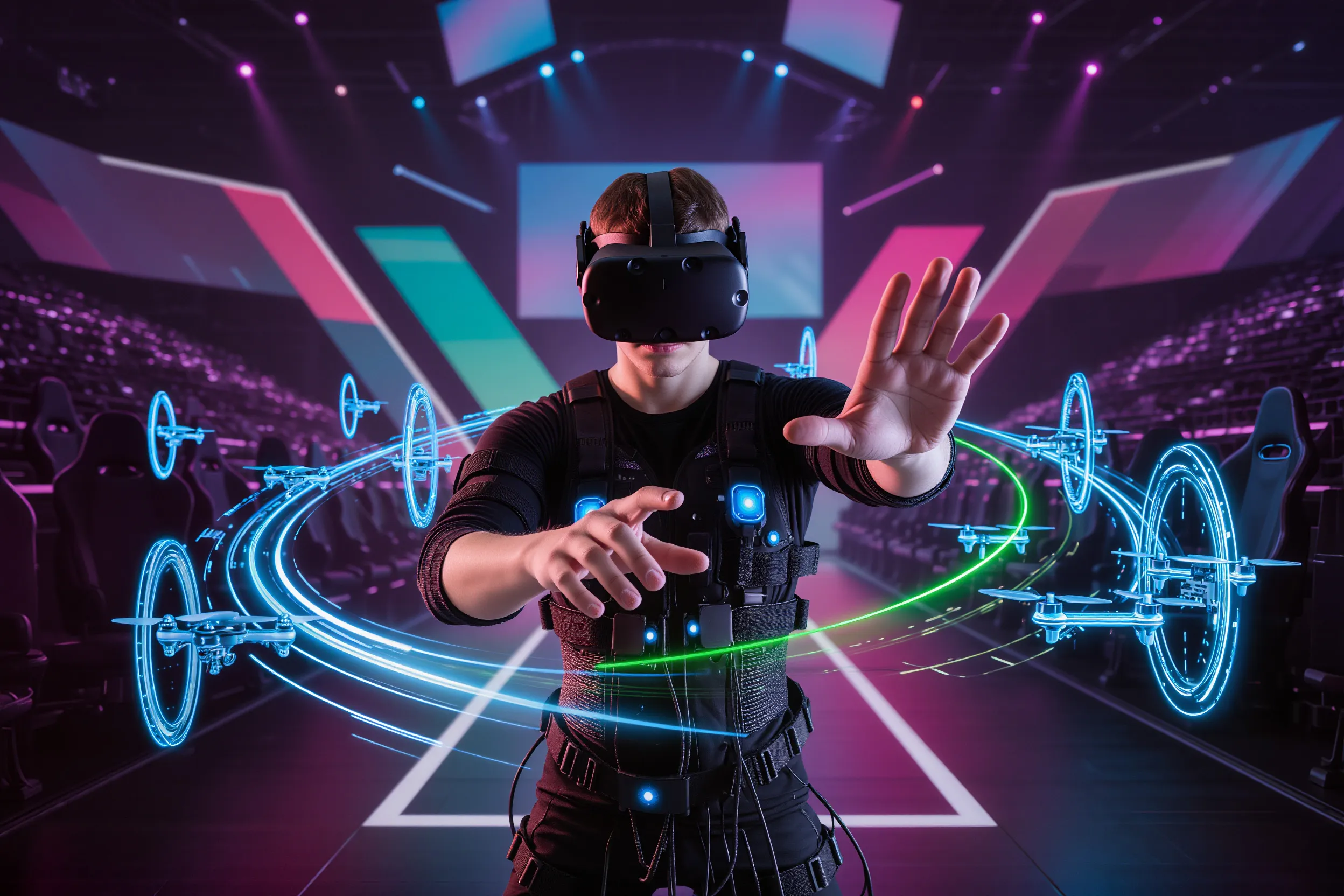
Phygital sport blends virtual and physical competition into a single format. Athletes first compete in a video game and then switch to its real-world counterpart, combining scores from both stages. The structure demands esports-level reflexes alongside traditional physical conditioning.
The government has formalized phygital sport as a standalone direction that merges technology and physical activity. Disciplines range from drone racing and sports programming to VR simulators, phygital football, and phygital boxing. So far, 36 phygital centers have already opened across different regions of the country.
In 2026, under the state program Sport Rossii (Sport of Russia), another 38 centers will be built, funded through federal and regional budgets with private investment participation. By 2030, more than 300 phygital centers are planned nationwide, a target enshrined in the government-approved Kontseptsiya razvitiya phygital-dvizheniya (Concept for the Development of the Phygital Movement). In scale, the new infrastructure is expected to rival federal programs supporting traditional sports.
What Phygital Centers Look Like
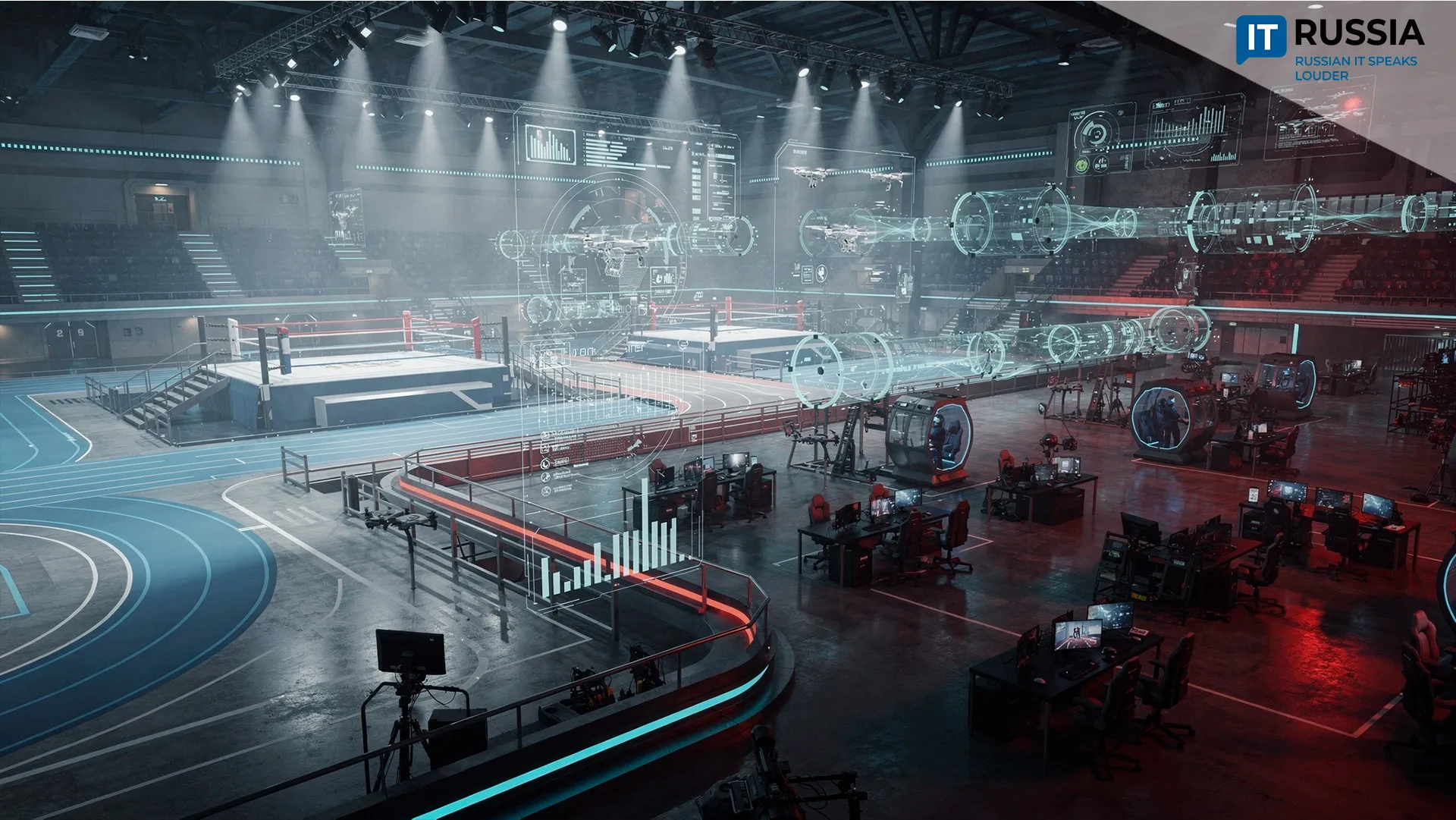
Phygital centers are designed as multifunctional hubs that combine gaming and athletic environments in a single venue. They are equipped with high-performance computers, consoles, drone assembly and piloting kits, VR systems, laser tag arenas, racing simulators, and conventional sports facilities for basketball, football, hockey, and other disciplines.
This hybrid setup allows a school student, for example, to compete in the esports segment of a tournament and then step onto a court or field to complete the physical phase in the same session.

Youth Engagement and Rehabilitation
Deputy Prime Minister Dmitry Chernyshenko has stated that phygital sport already engages more than 20,000 participants. As the network expands, hundreds of thousands of Russians, particularly teenagers and young adults, are expected to gain regular access to sports through these centers.
A distinct focus is placed on rehabilitation for participants of the special military operation. Phygital disciplines are incorporated into recovery programs that combine elements of virtual and game-based environments with controlled physical activity. At specialized tournaments such as Kubok Pobedy (Victory Cup), veterans compete in phygital squash, phygital boxing, and phygital racing. The model is already functioning as part of structured rehabilitation efforts.
“Games of the Future” as a Global Showcase
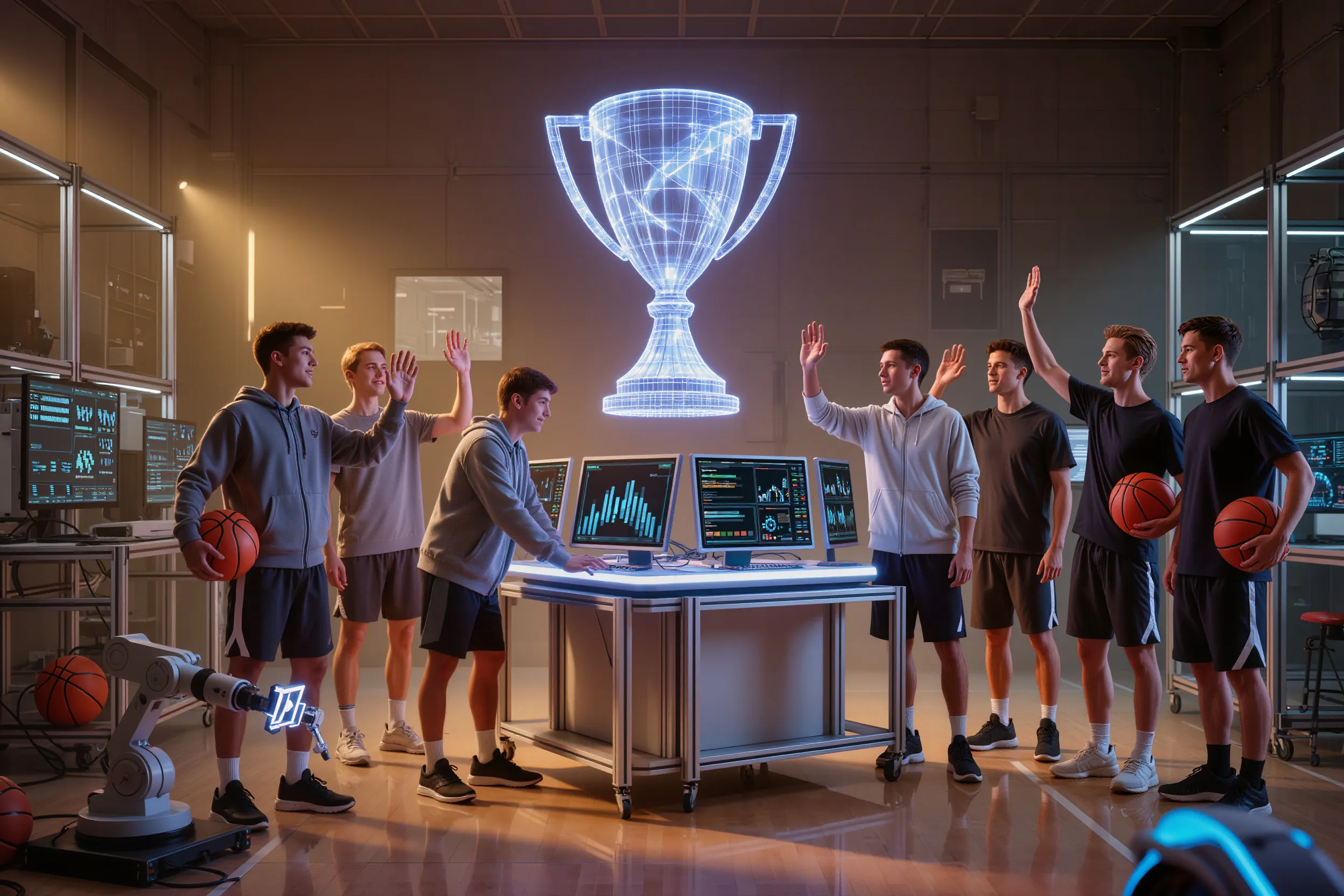
The phygital model has also entered the international arena. The multisport tournament Igry budushchego (Games of the Future) debuted in Russia, then took place in the United Arab Emirates, and is scheduled for Kazakhstan in 2026. Athletes from more than 100 countries participate, and the Russian-developed phygital format is effectively setting the standard for the event.
Russia is promoting a structured model that combines a defined conceptual framework, federally backed infrastructure, and a calendar of international competitions. In the coming years, the format is expected to be adapted to meet international federation requirements, expanding the influence of Russian approaches within global sport.
How Phygital Sport Fits Into State Policy
The phygital center initiative is integrated into existing national programs, including the national project Demografiya (Demography), the federal project Sport – norma zhizni (Sport Is the Norm of Life), and digital transformation strategies for education and social services. The government links construction of phygital centers with broader regional goals of expanding sports infrastructure and increasing public participation.

By 2030, phygital sport is expected to become embedded in school and university curricula, as well as recognized as a standalone direction in youth sports schools and supplementary education centers. Regional authorities are already transitioning the project from experimental status to mandatory infrastructure.