AI Tracks Every Grain in the Field
Students and graduate researchers at Don State Technical University are developing an intelligent grain-accounting system designed to monitor harvest operations in real time. The hardware-software platform can operate with virtually any type of agricultural machinery.
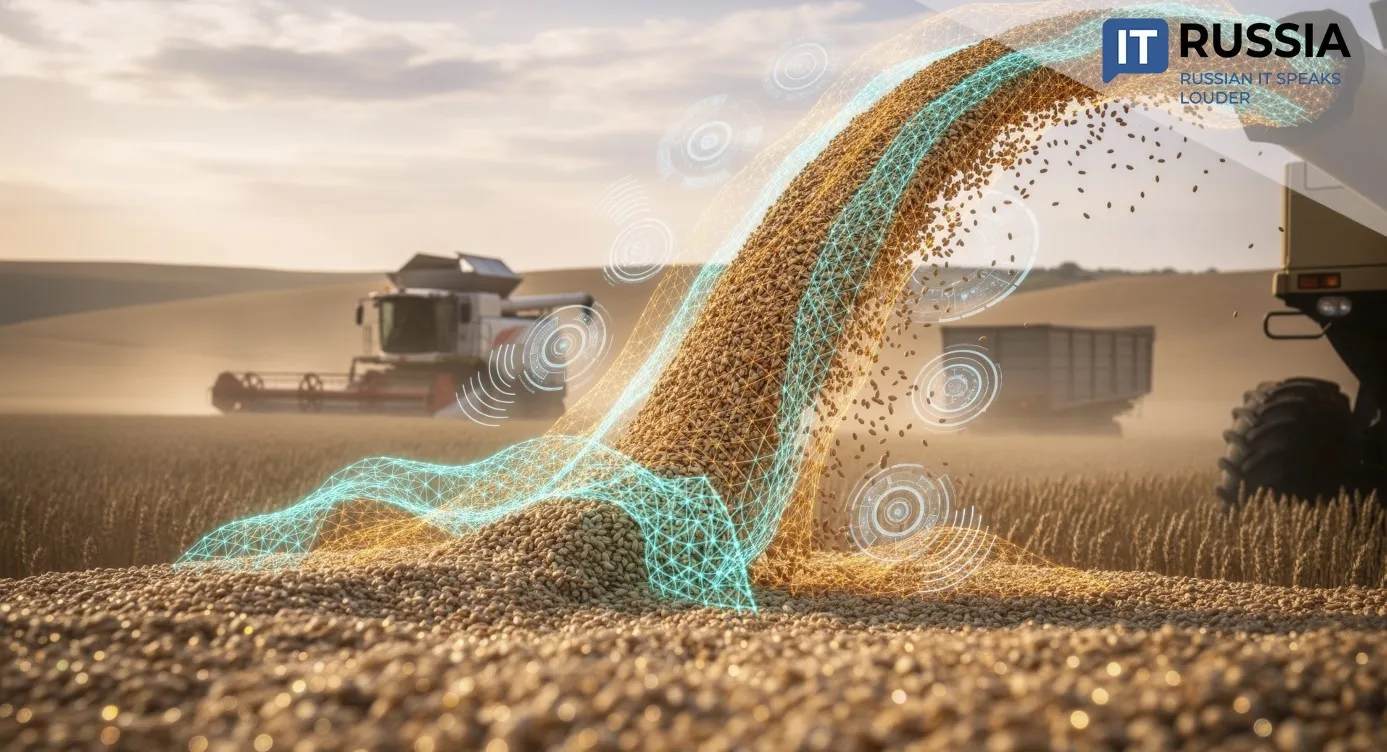
Growing grain is only part of the challenge – harvesting it efficiently is just as important. Losses during harvesting and transport to grain elevators remain one of the most underestimated problems in agriculture. According to industry estimates, farms lose up to 10% of their harvest on average. Poorly calibrated harvesting equipment, inefficient loading operations, and transport delays are among the main causes. That is why improving harvest quality has become just as critical as increasing crop yields. Harvest operations increasingly require digital modernization and accurate tracking systems.
Digital Monitoring and Grain Accounting
The project is being developed at Don State Technical University, known as DSTU, by fourth-year computer engineering student Anton Chernyayev and first-year graduate student Daniil Chebotarev from the university’s instrumentation and medical engineering department. Their project is called Ekosistema agrotekhniki v pole dlya ucheta i monitoringa zerna (Field Agricultural Machinery Ecosystem for Grain Accounting and Monitoring).
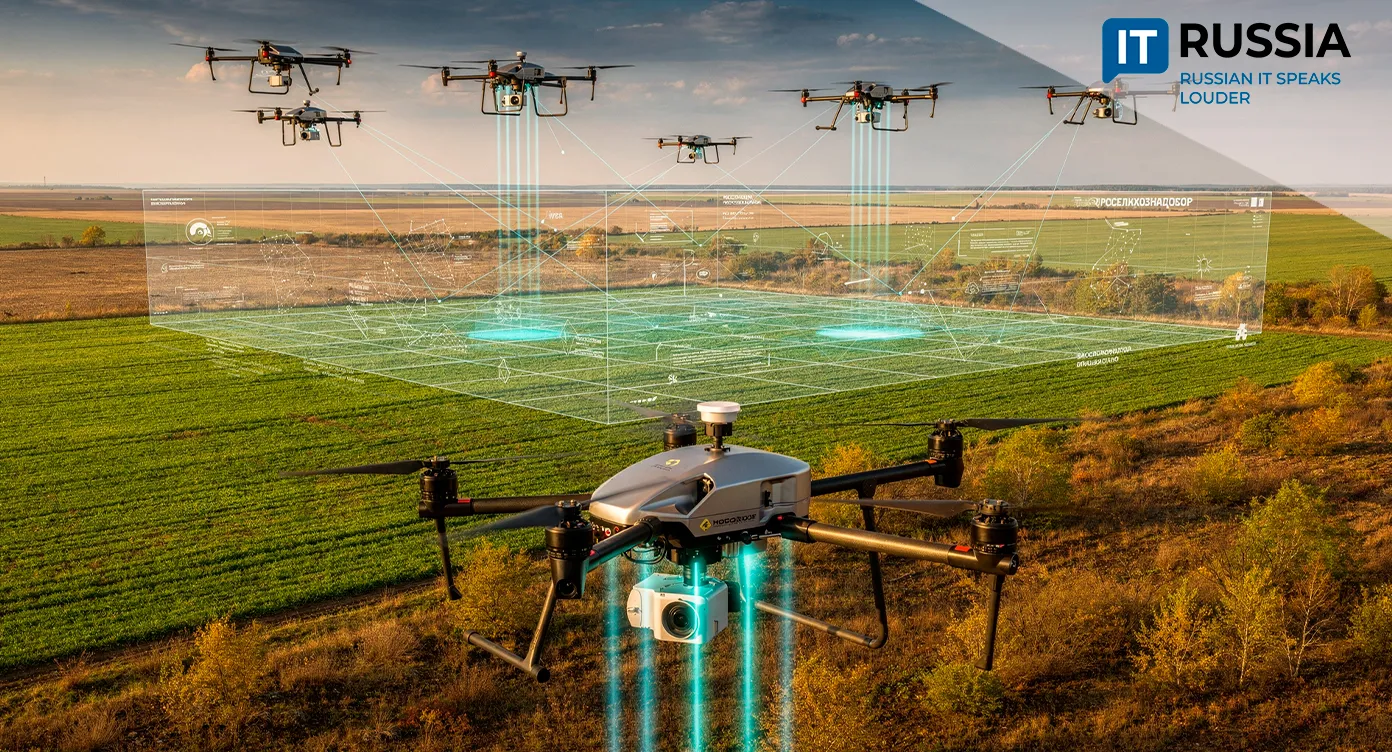
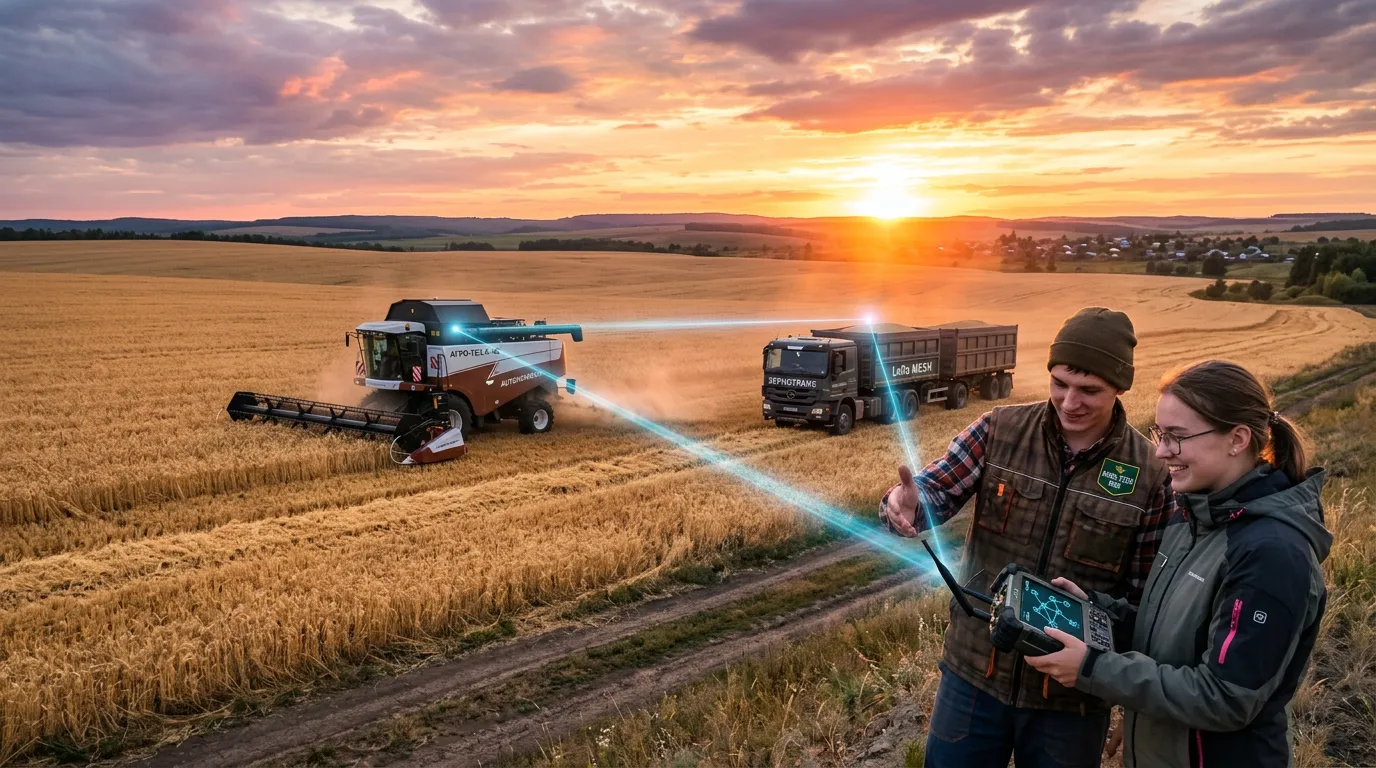
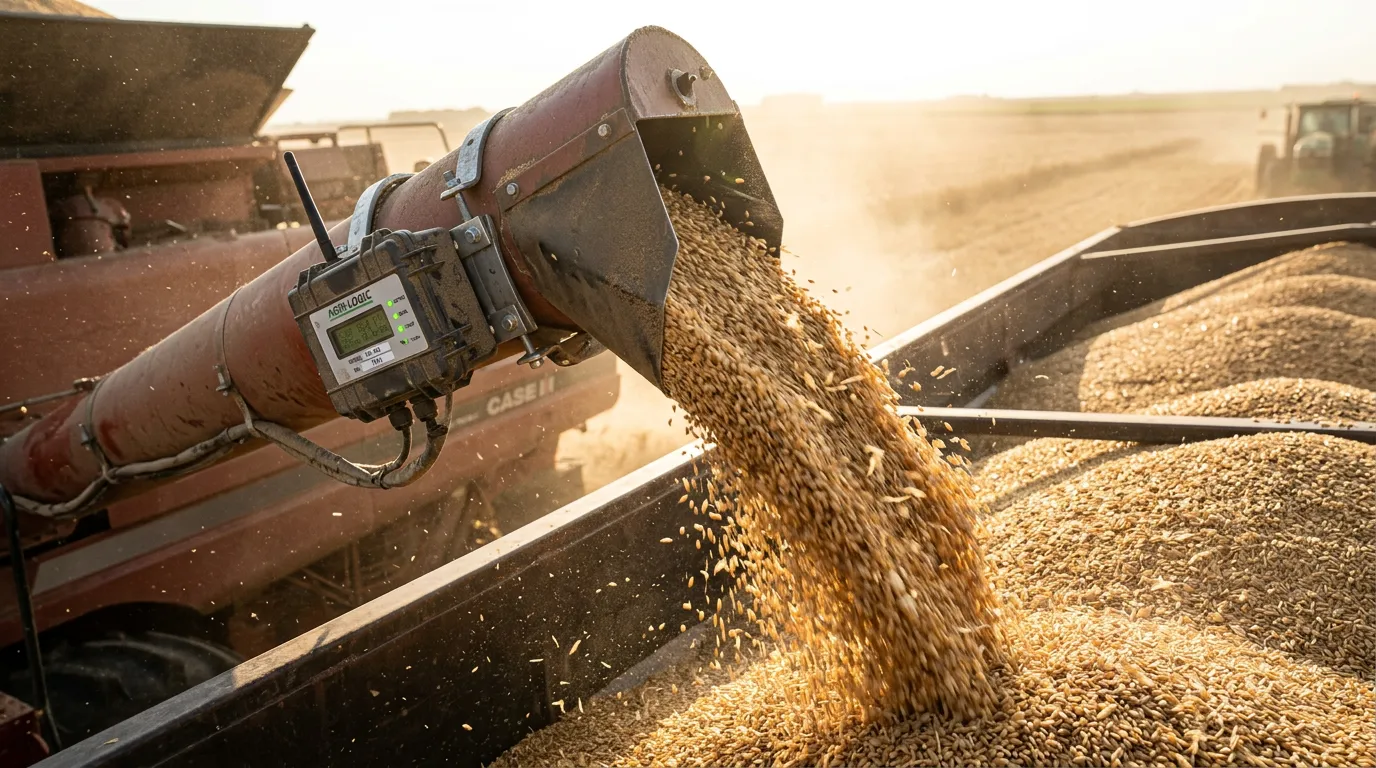
The team is developing a modular hardware-software system intended to reduce grain losses during harvesting operations that use a three-stage logistics scheme. Using AI, the platform automates coordination between harvester-threshers, grain transfer carts, and grain trucks while tracking grain transfers between vehicles, monitoring weight, and measuring bunker fill levels during field operations.
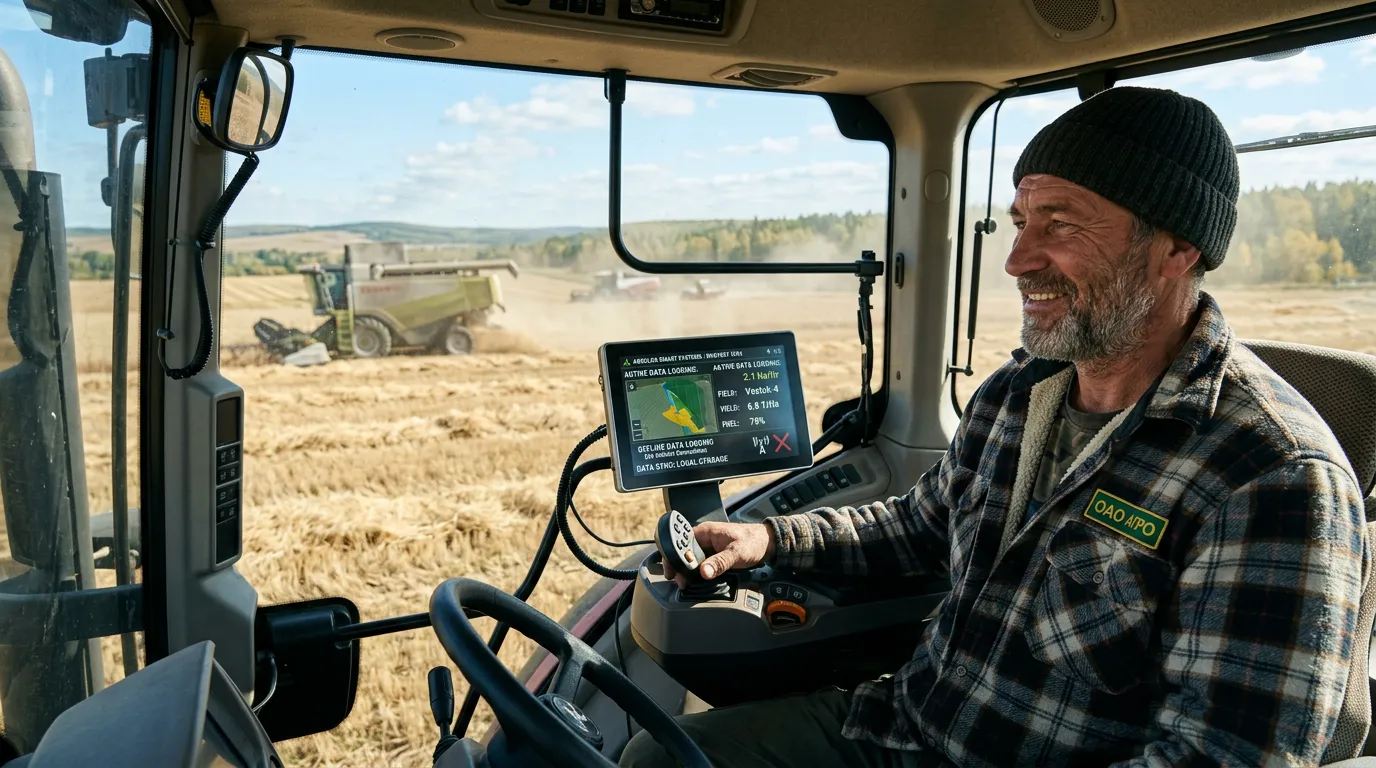
The technology was designed with the scale of Russian farmland in mind. The monitoring system can operate without GPS or cellular connectivity by relying on a local mesh network that covers the entire field. Different machines can be connected into a shared network where each unit functions as an equal node. The network stores, transfers, and exchanges data without internet access at distances of up to 10 kilometers. Farmers can flexibly adjust harvesting workflows and configure grain-measurement and geolocation accuracy without requiring GPS equipment on every vehicle. Once one of the network devices reconnects to the internet, all field data is uploaded automatically, allowing agricultural operators to receive web-based reports on harvest quality and grain movement.
A Platform Built for Expansion
Another advantage of the technology is that its capabilities can be continuously upgraded, effectively allowing farmers to assemble the system like a modular toolkit. During the initial rollout stage, producers do not need to overpay for maximum precision. Instead, they can gradually add modules and sensors over time, improving measurement quality and expanding functionality. The system is also universal in design – it can be integrated with both Russian and foreign agricultural machinery, making it practical for modern mixed-equipment farming operations.
“What inspires me is the opportunity to bring structure and transparency to such an important process as grain harvesting. Grain is the starting point for both the baking industry and livestock production. This technology could genuinely make the work of machine operators and agronomists easier,” student Anton Chernyayev said.
Manufacturing companies have already taken notice of the project, particularly because the system was designed around real operating conditions common across Russian agriculture, including unstable internet access, the need to function without GPS on every machine, mixed fleets of agricultural equipment, and tight farm budgets.
“A LoRa mesh network connecting harvester-threshers, grain transfer carts, and grain trucks without relying on internet access or GPS is a technically sound approach. The combination of modularity and alignment with Federal Law 499-FZ reflects an unusual mix of regulatory awareness and engineering logic for a student project. The team has chosen the right direction, but developing a commercially competitive serial product will eventually require integration with larger industry players and broader cooperation with engineers experienced in agricultural machinery and industrial electronics,” said Vladislav Pighenko, Director of the Rostselmash Institute of Advanced Engineering, an advanced engineering school at DSTU.
Grain Exports and Agricultural Technology
The DSTU project could help accelerate the integration of crop farming into the Unified Digital Platform for Russia’s agricultural and fisheries sectors, which is intended to connect multiple federal government information systems, including the FGIS Zerno grain platform. The student-developed system could become a field-level data source for FGIS Zerno while supporting end-to-end digital traceability for agricultural products. Access to real harvest-volume data during harvesting campaigns could help producers make faster sales decisions, while also giving government agencies a clearer understanding of market conditions, taxable production volumes, and broader grain-market dynamics.
The DSTU hardware-software platform is an example of how Russian universities are helping build the technological foundation for the country’s emerging digital agriculture sector. Reducing harvest losses increases grain output while also improving farm profitability.
Given that Russia has long remained self-sufficient in grain production and has become one of the world’s largest food exporters, the technology could also support higher export volumes. Once the system proves its effectiveness in large-scale field conditions, it could itself become an export product. The platform may attract interest from partner countries with large agricultural areas, unstable mobile connectivity, and mixed fleets of farming equipment.