Intelligent Waterway: Ulan-Ude Pushes Utility Infrastructure Into the Digital Era
Ulan-Ude, the capital of Russia’s Republic of Buryatia, plans to adopt some of the country’s most advanced digital water-management practices. City officials announced the initiative following the 10th All-Russian Congress and Exhibition VODEXPO-2026.

At the event, representatives from Russian regions reviewed the latest domestic technologies aimed at import substitution and the digitization of water-resource management, ranging from metering systems to predictive analytics for utility infrastructure. Importantly, the showcased technologies have already been tested in real-world deployments, allowing municipalities to move quickly from planning to implementation.
According to Valery Nagibnev, head of the municipal utility MUP Vodokanal, Ulan-Ude is already developing a situational control center that will oversee all utility assets operated by the enterprise. As a result, many of the practices presented at VODEXPO-2026 are expected to be incorporated into that project.
In addition, following the event, the administration of the Buryatia capital plans to establish a working group responsible for drafting a roadmap for adapting digital best practices across the city’s utility sector - not only water supply and wastewater systems, but also district heating, street lighting and other municipal services. Officials expect the document to be completed within three months.
City officials stress that the primary goal is to create a safer and more comfortable urban environment for residents.

From Water Utility to Smart City
In practice, Ulan-Ude is moving beyond the automation of isolated utility functions toward the creation of a unified municipal-management platform. That approach closely aligns with the objectives of Russia’s federal Umny gorod (Smart City) project.
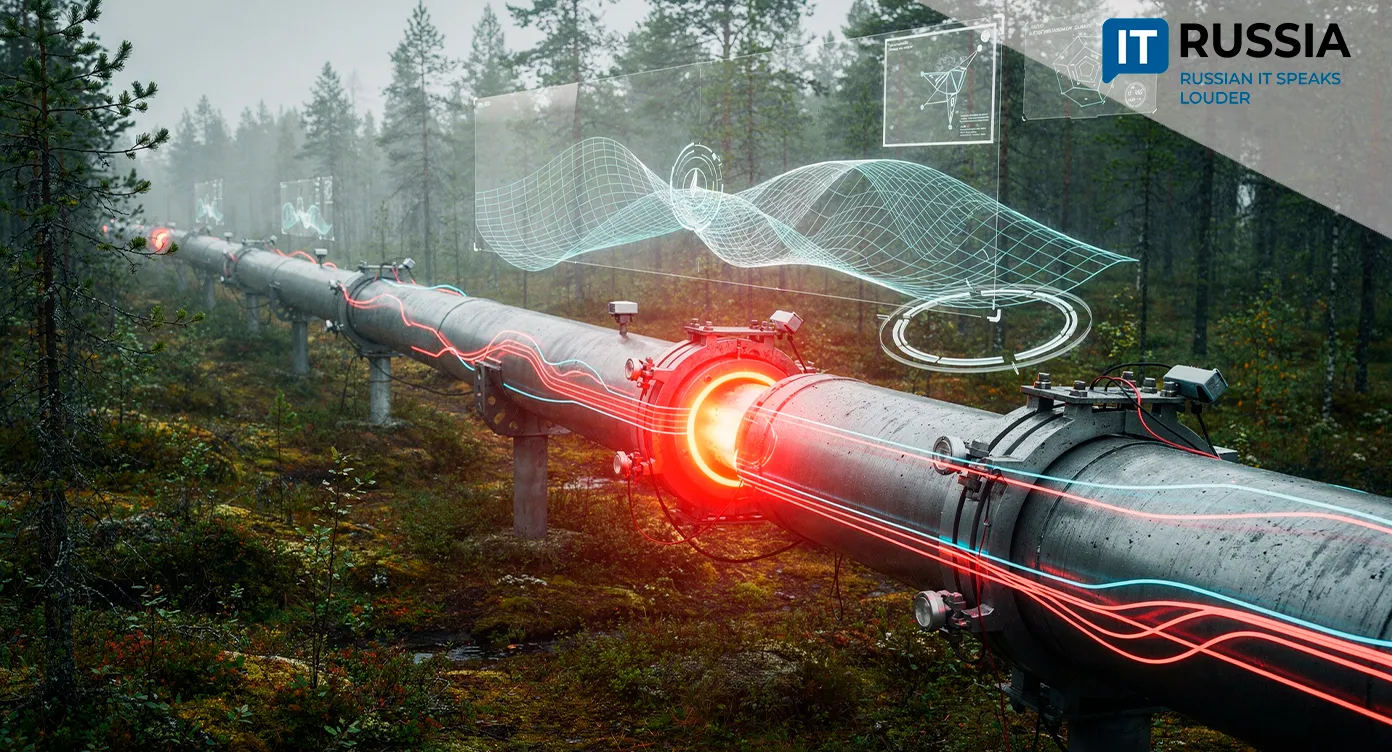
Within the water and wastewater sector, one logical next step is the development of a “digital water utility.” The foundation for that system would include sensors monitoring water flow, pressure and equipment condition. The next stage would involve creating a digital twin of the entire network, training neural-network models on the resulting data sets and deploying predictive analytics to identify high-risk pipeline sections, optimize scheduled maintenance and improve pipe-replacement planning. Similar systems already introduced in Saratov and the Leningrad region have reportedly reduced water losses by as much as 40%.
Over time, separate municipal utility systems are expected to be integrated into a single digital urban-management environment.
Utility Digitalization in Buryatia
Buryatia and its capital have been gradually digitizing the utility sector for several years.
In 2020, regional authorities together with MegaFon launched an NB-IoT network that enables remote meter readings and management of smart devices. At the time, the rollout focused on smart electricity meters, although the network can support virtually any type of metering equipment.
In 2024, participants at the Tsifrovaya prokachka (Digital Boost) strategic session held in Ulan-Ude proposed creating a digital platform for monitoring critical utility-system parameters and deploying it across Buryatia. In 2025, the head of Buryatia signed an agreement with ER-Telecom on expanding telecommunications infrastructure and accelerating utility-sector digitalization throughout the republic.
The decisions made during VODEXPO-2026 confirmed that Ulan-Ude is steadily integrating intelligent technologies into the management of municipal utility infrastructure.

Implications for the Russian Far East and the Project’s Future
The Ulan-Ude project illustrates how Russia’s broader digitalization agenda is beginning to translate into practical regional infrastructure initiatives. For the city itself, the key challenge now is moving from strategic declarations to the deployment of working digital water-management systems across municipal infrastructure. That means not only approving a roadmap, but also securing financing, completing engineering work, purchasing hardware and software and integrating those systems into the operational infrastructure of MUP Vodokanal.
If the initiative succeeds at scale, the model could later be adopted by other cities across Russia’s Far Eastern Federal District. For residents, that could mean fewer infrastructure failures, fewer unplanned outages and greater transparency in the operation of municipal utility services.