Wellbore Pressure Control From Surface to Bottomhole
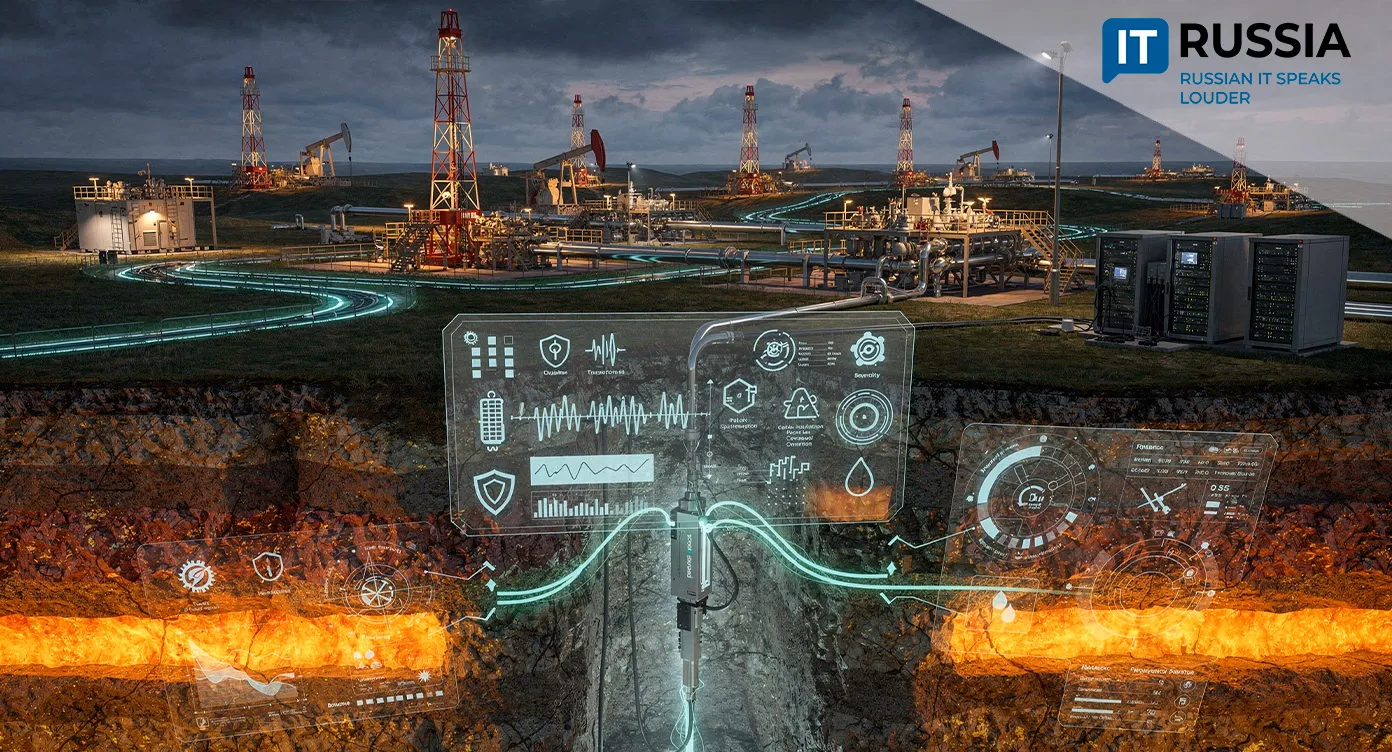
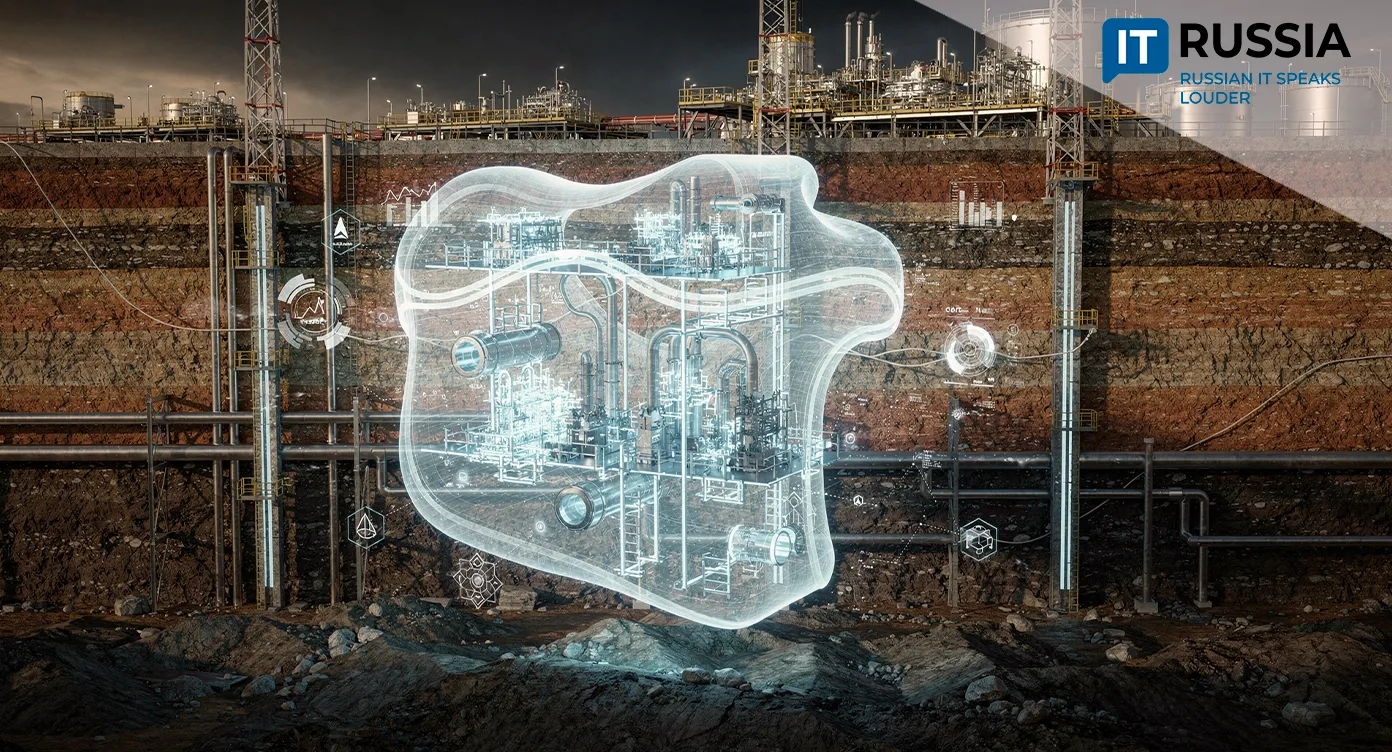
Researchers at Almetyevsk State Technological University – Higher School of Petroleum have developed software that models pressure distribution throughout an oil wellbore, giving production engineers a new tool to optimize artificial lift and well performance.
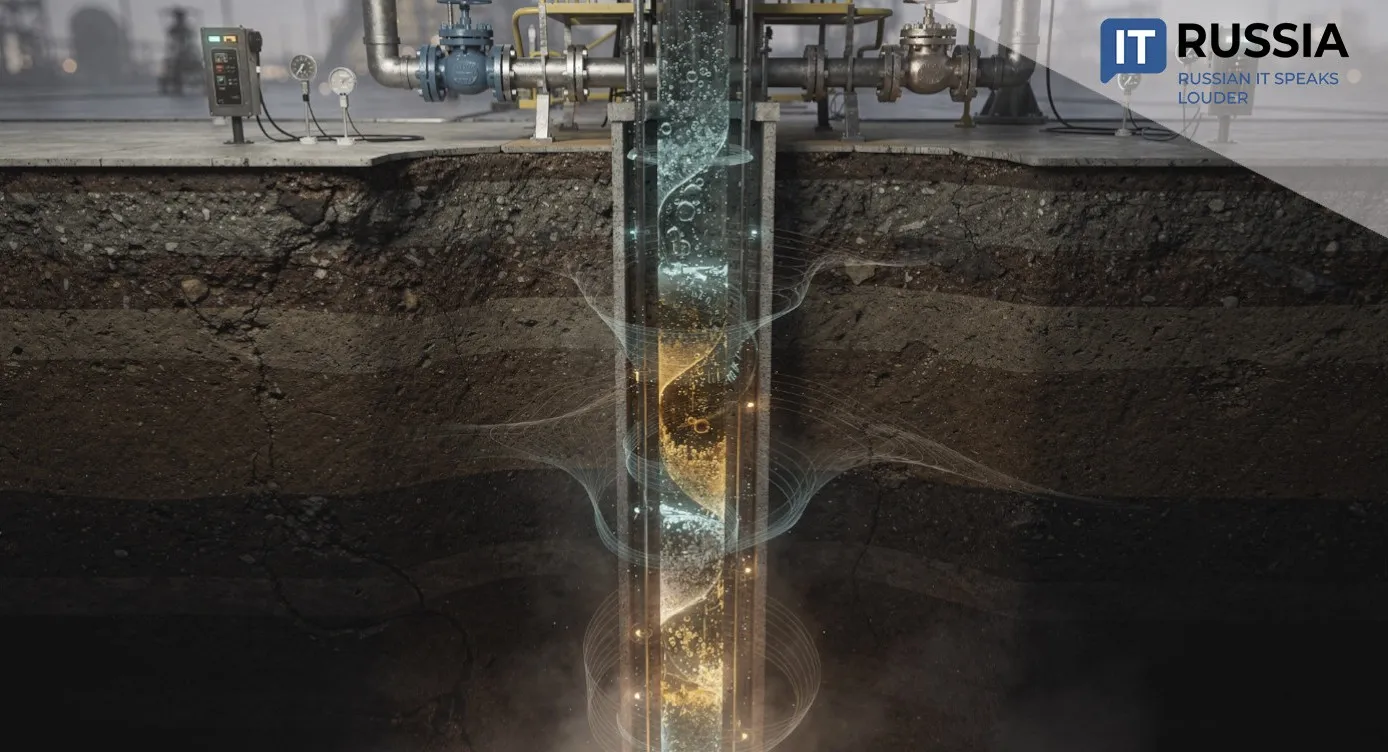
The software is based on the Poettmann-Carpenter method, a widely used approach for modeling gas-liquid flow in vertical tubing. It calculates the pressure profile from the wellhead to the bottomhole while identifying the operating parameters that have the greatest influence on pressure behavior. Together, these outputs provide the foundation for making production and field development decisions.
The calculated pressure profiles allow engineers to more accurately select operating parameters for artificial lift systems. That helps reduce the risk of gas and liquid interference, prevent operational upsets and increase well production rates. The software requires no specialized hardware beyond a standard computer, making deployment straightforward.
The full name of the application is Opredeleniye raspredeleniya davleniya po stvolu skvazhiny nizhe glubiny podveski nasosa (Pressure Distribution Along the Wellbore Below Pump Setting Depth). The software was jointly developed by researchers from the Advanced Engineering Petroleum School and the Department of Oil and Gas Field Development and Operation at the Higher School of Petroleum.
An Additional Benefit: Workforce Development
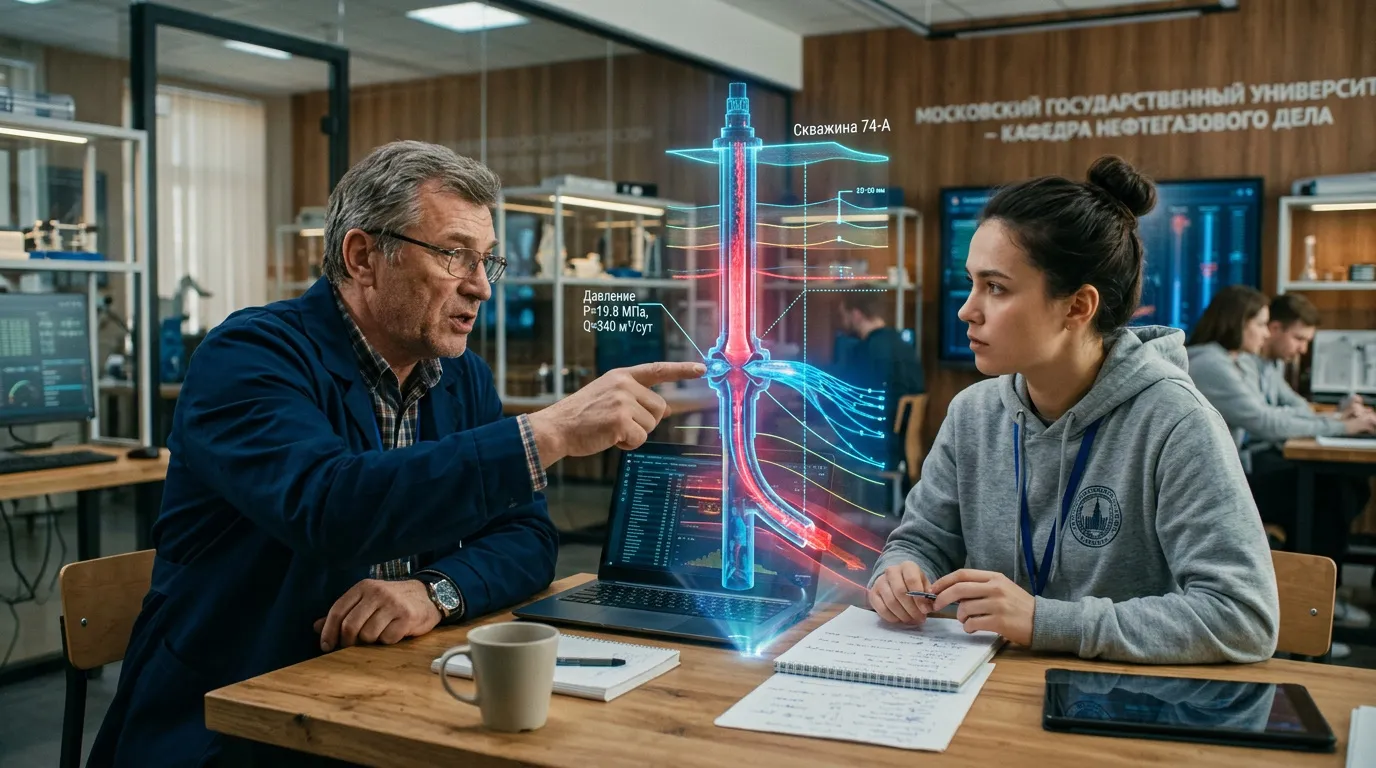
The software offers another important capability: it can also be used to train future petroleum engineers and production technologists. The university is currently preparing to incorporate the application into its petroleum engineering curriculum.
From a practical standpoint, pressure distribution data within a wellbore are as important to a production engineer as pulse, blood pressure and breathing rate are to a physician treating a patient. The software rapidly converts complex engineering calculations into a clear, practical workflow.
Future Prospects and Industry Applications
According to industry experts, the software could eventually become a standalone module within broader well and reservoir simulation platforms.
Bottomhole and wellbore pressure management directly affects equipment selection, production strategy, well performance and the prevention of operational failures. That positions the new software to support Russia's broader effort to replace imported engineering applications while building a domestic digital ecosystem for oil and gas production. So, it is well positioned for adoption within the industry's portfolio of digital solutions.
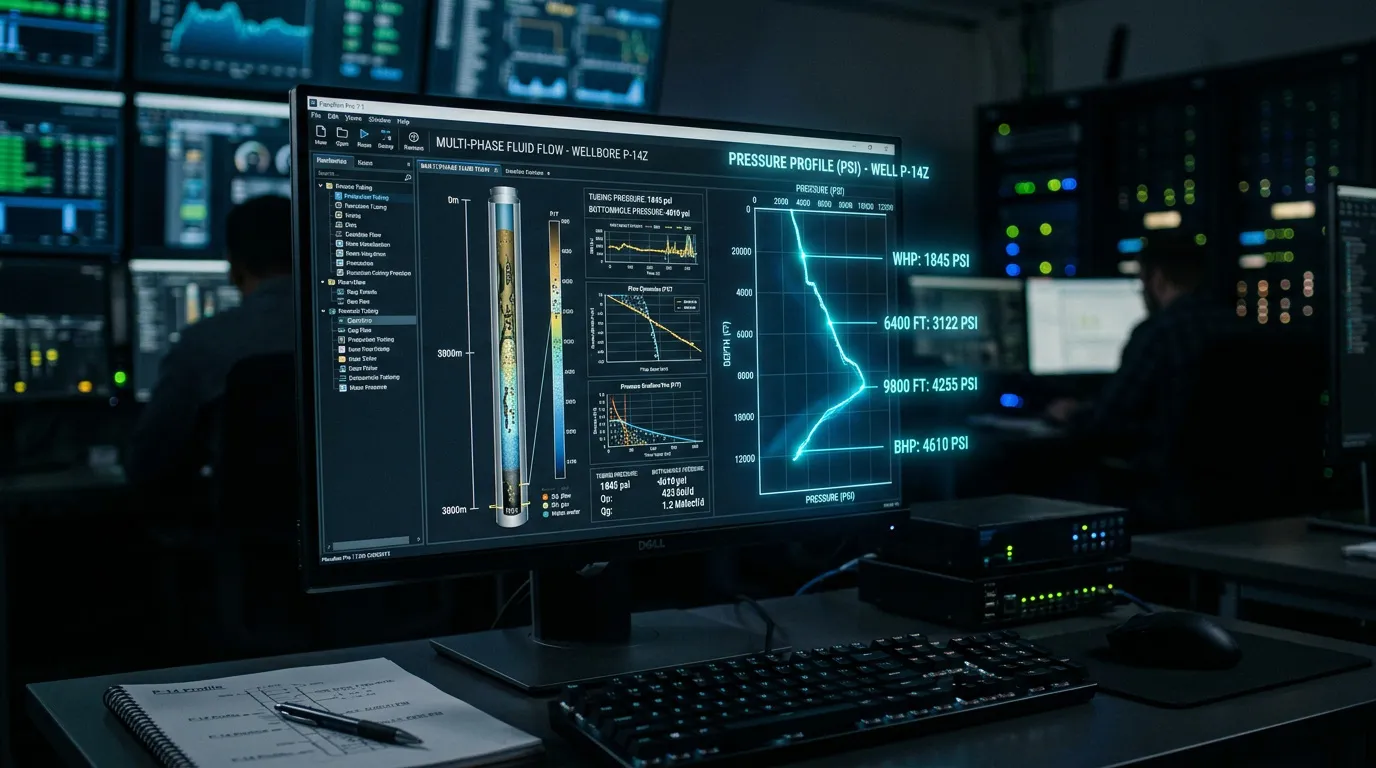
Comparable challenges are already being addressed through enterprise digital platforms developed by Russia's largest oil companies, underscoring the technology's practical value. One example is EchoTools, software developed by Rosneft that calculates bottomhole pressure and helps engineers determine optimal well operating conditions. The application was created and patented by engineers at Rosneft's Ufa research institute. It is the first Russian-developed software to use artificial intelligence to determine fluid level and the speed of sound within a well's annular space. Those measurements are then used to calculate bottomhole pressure and optimize operating conditions for maximum production. EchoTools interprets more than 10,000 well parameters in just two minutes, compared with more than three days using conventional manual methods. Deployment of the software also delivers an average production gain of one additional metric ton of oil per well per day.
The Almetyevsk-developed software is now awaiting field validation on operating wells owned by Tatneft and other Russian oil and gas companies. Because the Higher School of Petroleum is part of Tatneft's scientific and educational ecosystem, the development team has access to industry expertise and field sites for validating its computational models. The software's principal strengths include its focused engineering purpose, the ability to run on a standard computer, a transparent calculation workflow and its dual role in both industrial operations and engineering education. The application is expected to become part of the Higher School of Petroleum's educational program and, following successful industrial validation, could be incorporated into larger Russian software suites for well simulation, artificial lift design and production management.