Young Russian Scientists Develop Technology to Unlock Africa’s Offshore Potential
Researchers at Almetyevsk State Technological University “Higher School of Oil” have developed a digital technology for predicting geological facies.
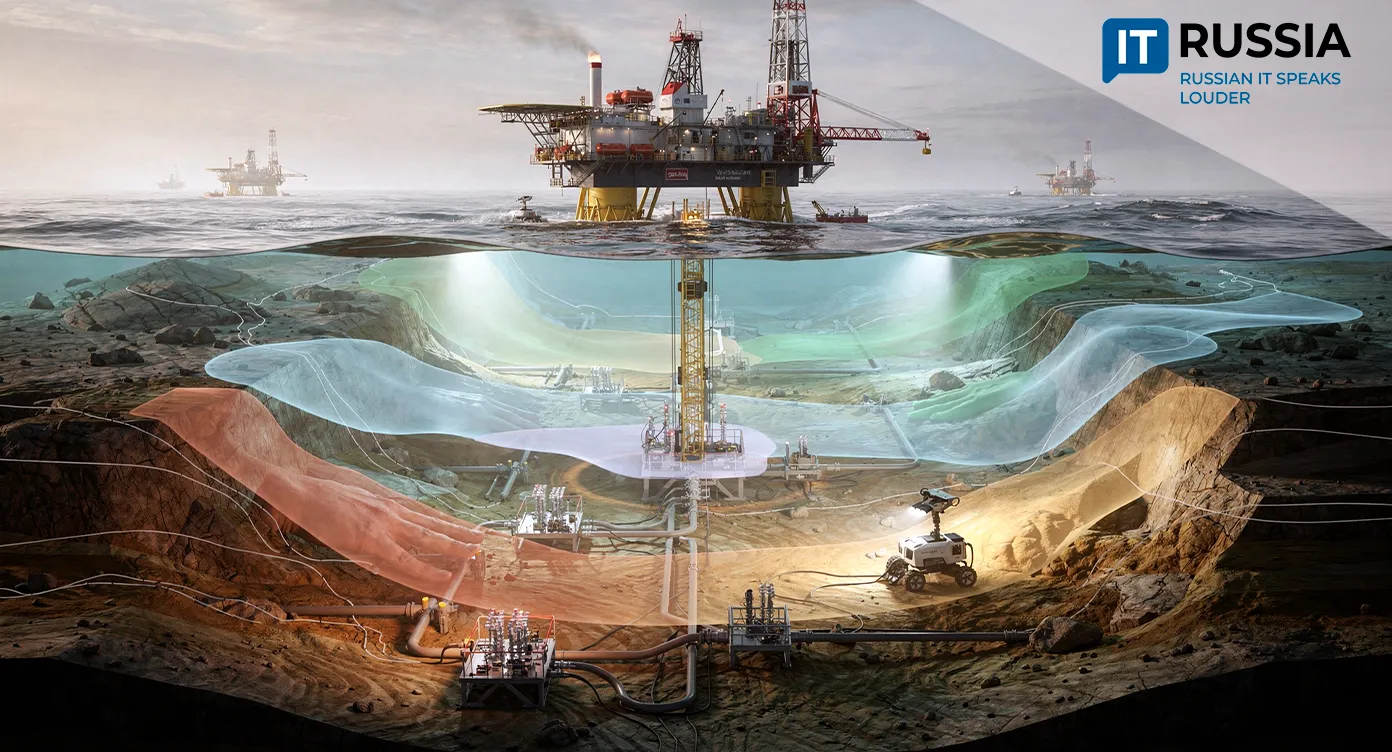
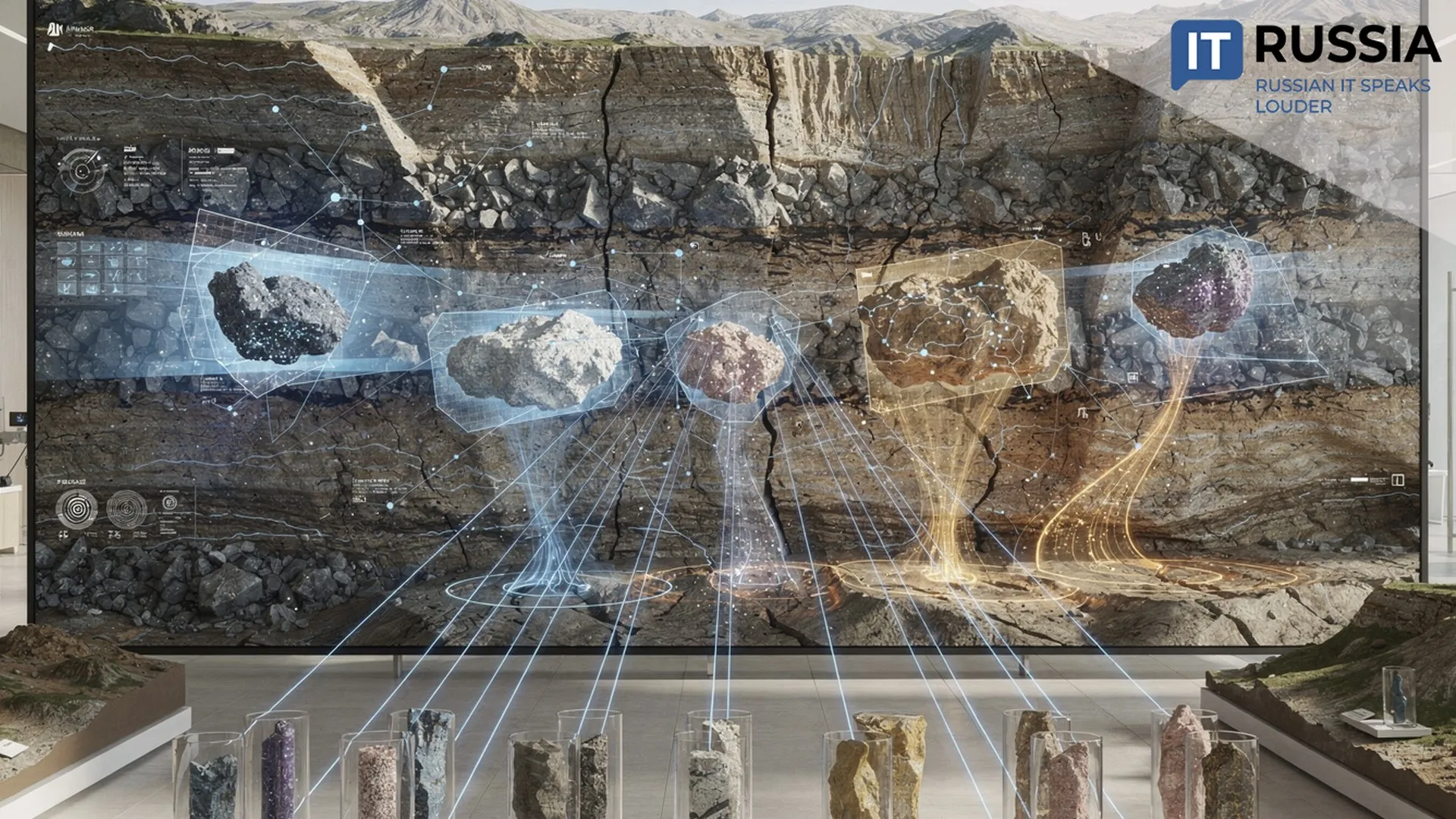
The approach is built around a three-tier probabilistic algorithm combining machine learning, source geological data and facies modeling. It is designed for poorly explored oil and gas basins where available input data is limited. One potential application is offshore development in West Africa. Drilling a single deepwater exploration well in the region can cost tens of millions of dollars, making technology capable of identifying facies with the highest possible confidence particularly valuable.
Presented at the Russian-African Forum of Young Scientists, the project improves the accuracy of subsurface characterization and reduces the risk of nonproductive drilling during offshore field development. The approach does not require expensive specialized software because it runs on an open-source software stack.
From Tatarstan to Senegal
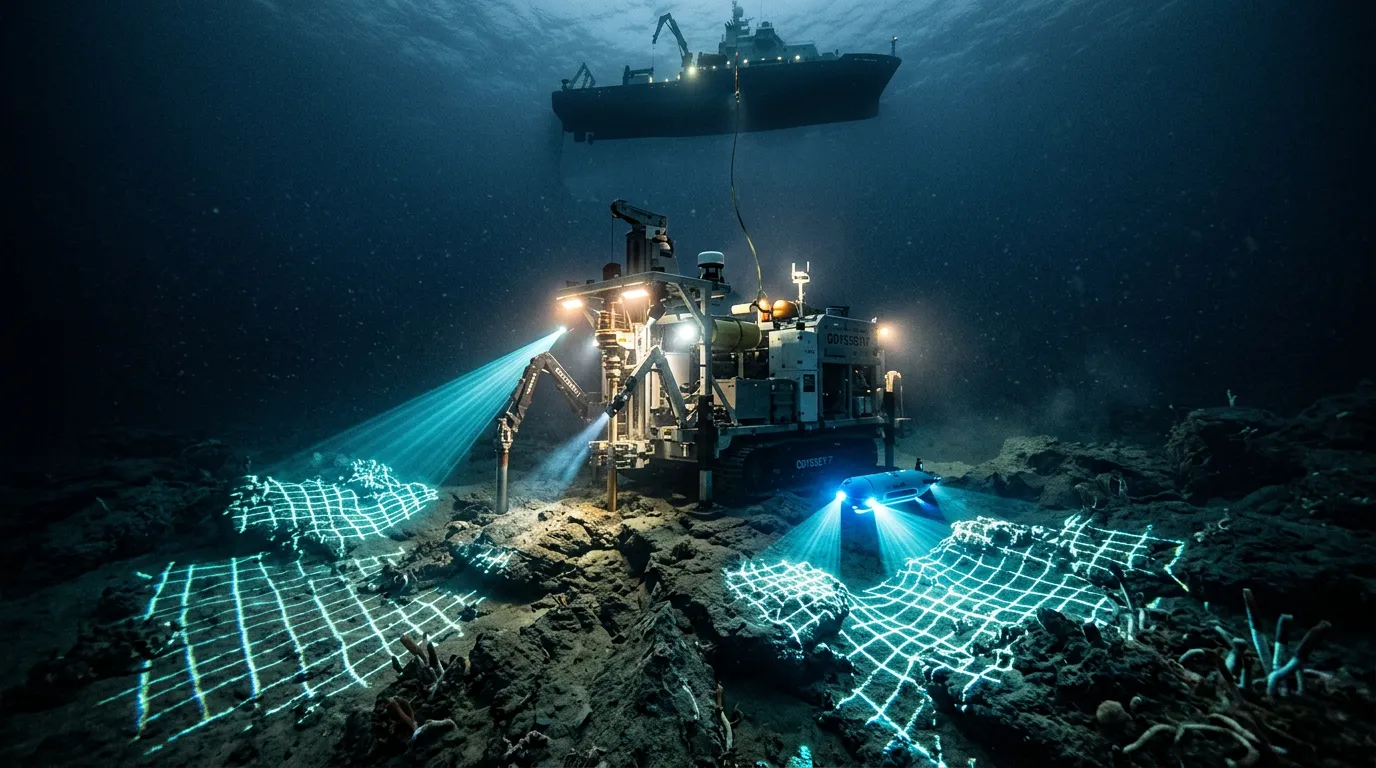
Testing under real-world conditions in the North Sea, at fields that are comparable in many respects to deposits in the Senegal-Mauritania Basin, demonstrated the technology’s high efficiency and practical value.
The large Senegal-Mauritania Basin extends across Senegal and Mauritania and partly into Western Sahara, The Gambia, Guinea-Bissau and Guinea, making it one of Africa’s most promising regions.
Importantly, the Almetyevsk technology was developed under Russia’s federal Advanced Engineering Schools project. Its primary objective is to train enough highly qualified engineers to support the country’s technological sovereignty. The program places a strong emphasis on hands-on experience. Students work in modern laboratories and at industrial facilities, participating in real projects alongside industry partners. Universities and businesses often jointly develop curricula and organize internships, while company employees teach courses at educational institutions.
One of the project’s key goals is to establish a nationwide network of 100 Advanced Engineering Schools by 2030, adding another 50 to those already operating.
Russian Expertise
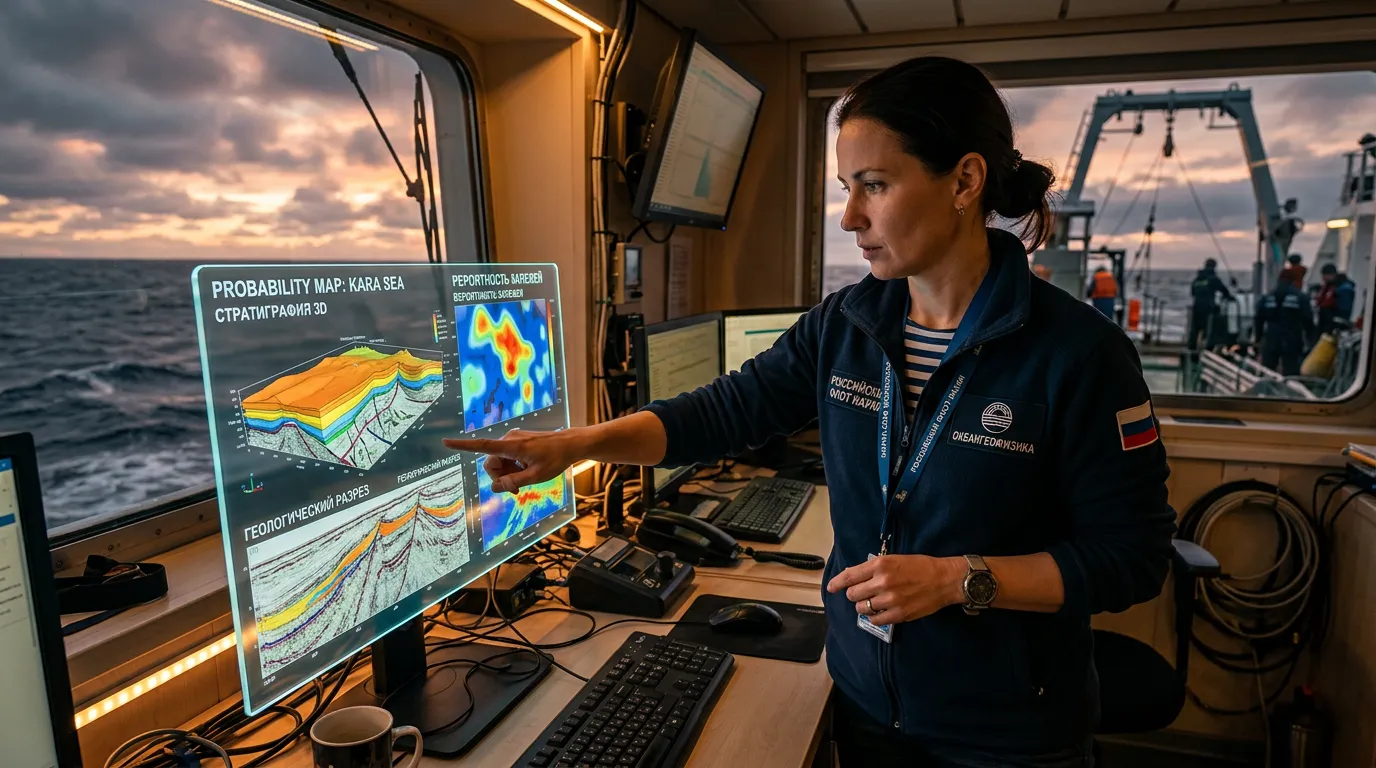
The project provides a clear example of how Russian expertise in geoinformation analysis and machine learning can serve not only as a domestic import-substitution tool but also as an exportable technology. Its implementation reflects the high level of engineering research being developed within Russian universities.
The Higher School of Oil already has experience working internationally. Last year, the university reached an agreement with a Vietnamese company to develop an integrated model of an offshore oil field designed to improve production efficiency.
At the same time, establishing a stronger Russian presence in Africa’s oil and gas technology market is particularly important for the country. A British company is currently operating in the Senegal-Mauritania Basin: in 2025, production of liquefied natural gas began at the deepwater Greater Tortue Ahmeyim project.
However, Russia and Mauritania have already held official discussions this year on cooperation in the oil and gas sector, geological exploration and mineral-reserve auditing, creating an institutional foundation for promoting Russian scientific and engineering technologies.

Bringing AI Into the Subsurface
Rosneft has long used digital technologies to forecast field potential. In 2025, the company upgraded its Russian RN-GEOSIM geological modeling suite. The software automatically builds and updates geological models and performs rapid reserve analysis. The system is used at 22 Rosneft enterprises.
Rosneft also developed a new version of its RN-KIM reservoir simulator in 2024. The company, which has been systematically developing its own software portfolio, used proprietary technologies to build 95% of its reservoir simulation models. Savings from the use of the suite exceeded 500 million rubles (about $6 million) in 2023.
Rosneft not only uses its own specialized oil and gas software internally but has also brought it to the commercial market. Its product portfolio includes the RN-KIM reservoir simulator and the RN-KIN field development analysis system.
Experts say Russia’s IT sector is now moving beyond import substitution toward the potential export of technologies and expertise. For Russia, an important opportunity lies in exporting an integrated package of services that combines geological and geophysical data analysis, machine learning, modeling and engineering consulting.