St. Petersburg Archaeologists Are Teaching African Colleagues to Build 3D Models of Cultural Heritage
Archaeologists from St. Petersburg are training colleagues from Namibia in the tools of digital archaeology. The first hands-on sessions have already taken place in the Russian city as part of the large-scale Sozdanie Tsifrovogo Arkhiva Pamyatnikov Afriki i Stran Islamskogo Mira (Creation of a Digital Archive of Heritage Sites in Africa and the Islamic World) initiative.

Researchers from the Rescue Archaeology Center at the Institute for the History of Material Culture of the Russian Academy of Sciences (IHMC RAS) have launched an international project to digitally document historic heritage sites located across the globe.
The first location selected for 3D mapping and geospatial documentation is Mahé Island in the Seychelles. Researchers are documenting the remains of Venn's Town, a settlement established in 1876. According to Natalya Solovyova, Director of the Rescue Archaeology Center at IHMC RAS, the work forms part of a broader initiative to build a digital archive of heritage sites across Africa and the Islamic world. Agreements have already been signed with Ethiopia and Namibia, while memorandums of understanding have been concluded with Algeria and Palestine.
From Classroom to Fieldwork
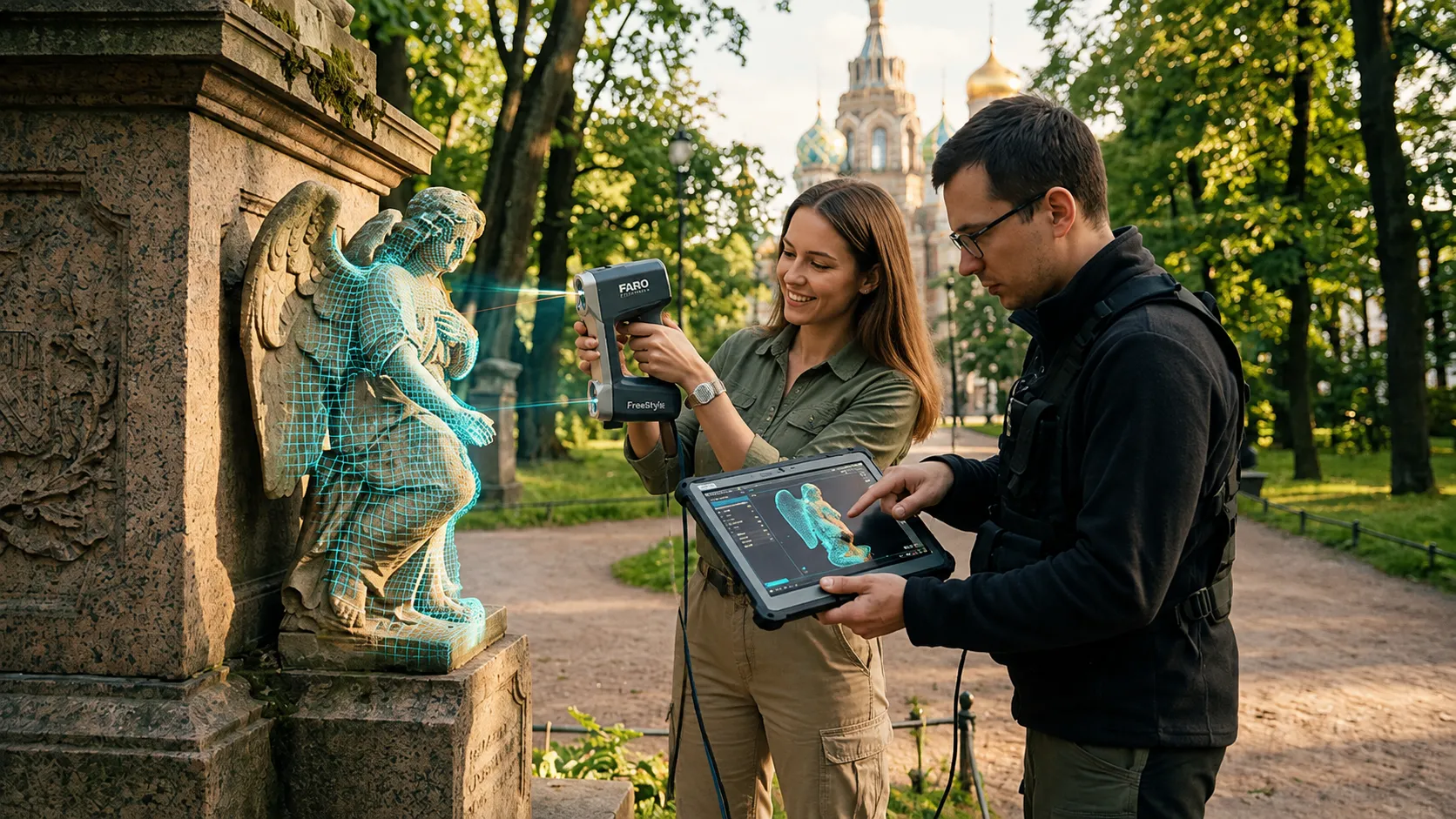
Before joining a joint archaeological expedition, Namibian specialists completed photogrammetry training in St. Petersburg. During the workshop, participants learned field imaging techniques and the creation of three-dimensional models. The Monument to the Armenian composer Komitas, located in Kamsky Garden, served as the training site. Using photogrammetry, mobile SLAM laser scanning, and drone-based aerial imaging, the team produced an accurate 3D model of the monument. The Namibian archaeologists will put those skills into practice almost immediately during a joint expedition to Namibia scheduled for August 23 through September 2, 2026. The team is expected to digitize Twyfelfontein Gorge, document the Hoba meteorite, and conduct research at Lake Otjikoto.
"A digital record can be used for restoration, education, and tourism. It cannot be damaged, burned, rewritten, or thrown away because once it is published online, it remains there permanently," Solovyova said, emphasizing the importance of digitally preserving cultural heritage.
Racing Against Time
Many heritage sites across Africa remain vulnerable to natural disasters, armed conflict, terrorism, and other threats. As of early 2025, more than 211,000 heritage sites in the Middle East and North Africa alone were considered at risk of destruction. Many have never been digitally documented, meaning they could be lost forever.
Solovyova stressed that transferring technology to local experts is the only way to achieve a lasting impact. There are simply too many heritage sites and too few professionals, making it essential to train additional personnel who can continue the work on a permanent basis.
"The project is designed to run for three years. During that time, we will be able to digitize three or four heritage sites in each participating country, but there are far too many, and we receive new requests almost every day. That is why we are beginning to train local professionals from the countries we work with, so that once the project is completed, the archive will continue to grow," she said.
Today, Russian researchers possess both the expertise and the technological toolkit needed to preserve cultural heritage. Digitizing historical sites is a technically demanding process that requires specialized skills, and scientists from St. Petersburg are prepared to share that expertise internationally.
Exporting Expertise and Training Methodologies
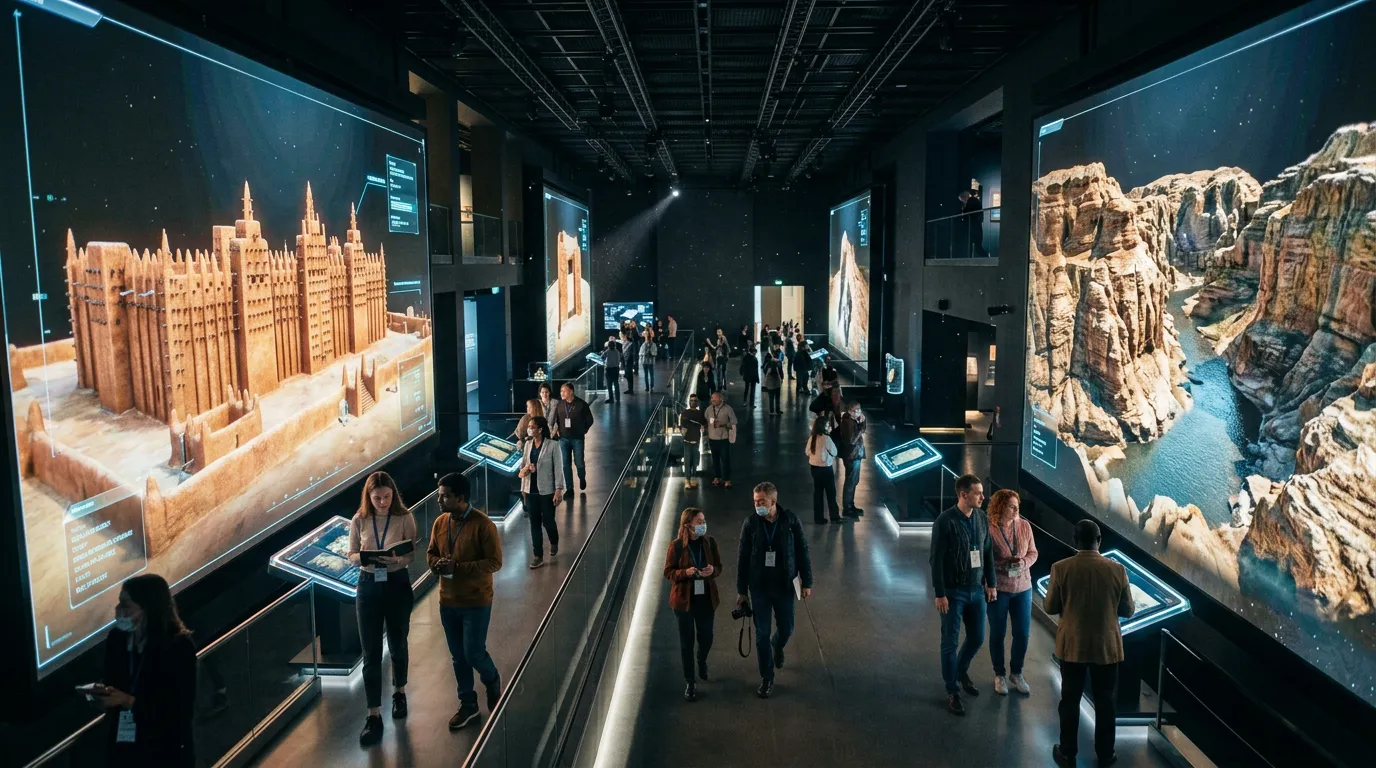
The St. Petersburg archaeological school's initiative demonstrates how Russian expertise in photogrammetry, 3D modeling, geographic information systems (GIS), and digital archives can be shared internationally. Over time, these technologies could support the creation of new virtual museums, educational resources, and digital tourism services.
The project also strengthens international scientific collaboration while reinforcing the reputation of the St. Petersburg archaeological school as a leader in heritage preservation. For partner countries, it offers a practical way to document the current condition of heritage sites and use digital models for research, restoration, and tourism development.
Training archaeologists from Namibia also shows that Russian organizations are increasingly valued not only as technical contractors but as developers of teaching methodologies and educational programs in digital archaeology.
The initiative also points toward a broader future. Cooperation could expand through interoperable national databases, common standards for 3D documentation, and international online platforms. The greatest demand is likely to be for integrated solutions that combine photogrammetry, laser scanning, drone surveying, GIS technologies, and cloud-based data storage. If developed systematically, the project could become a distinct area of Russian scientific and technological cooperation with African countries while expanding exports of Russian digital solutions for culture, science, education, and tourism.