Robot Helps Detect Crop Diseases Early
Russia’s Minister of Agriculture Oksana Lut reviewed a robotic system designed to detect diseases and pests in greenhouse crops.
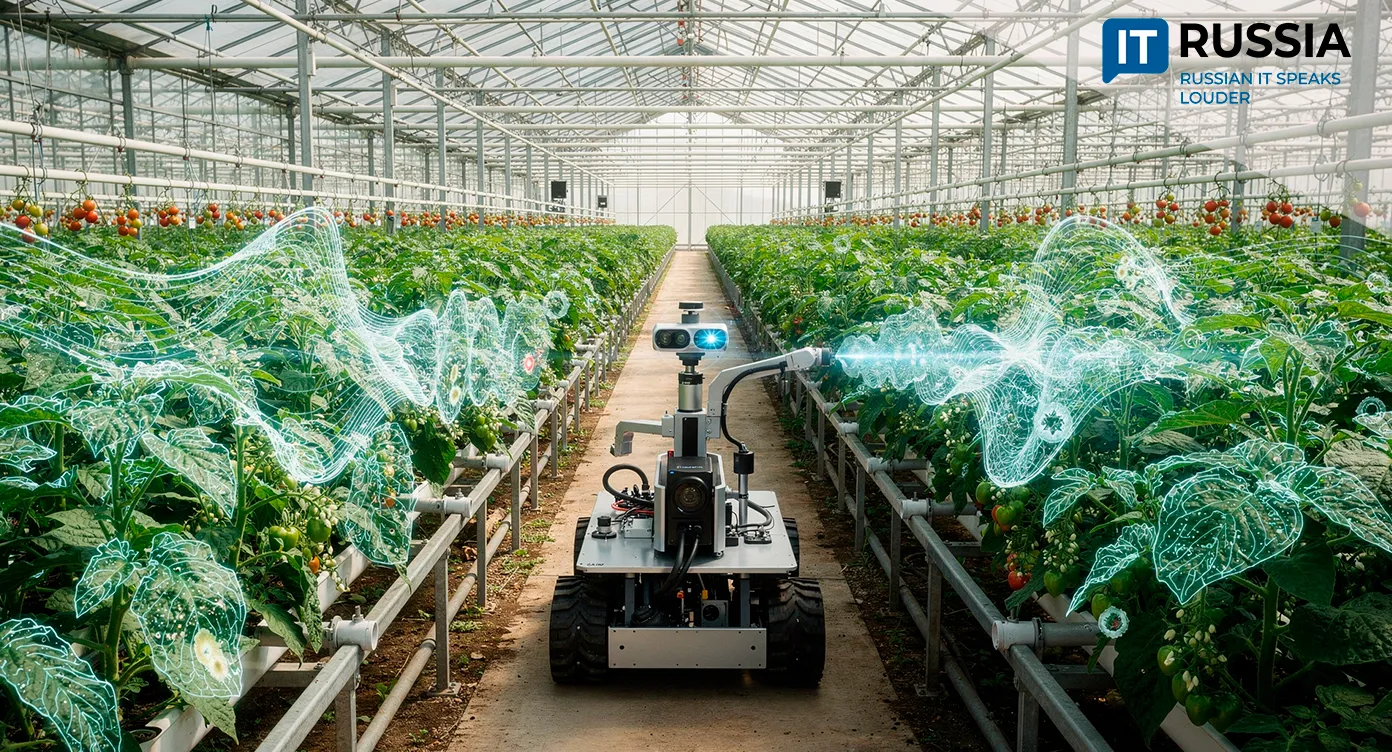
A core challenge in greenhouse farming is disease control. Given the higher production costs associated with protected cultivation, growers need to preserve as many plants as possible.
That requires early detection of plant diseases, which is difficult to achieve at scale. Large greenhouse operations and a shortage of skilled personnel reduce both the frequency and accuracy of crop monitoring. If a farm lacks an integrated information system, response times for treatment also slow down.
Early Diagnosis
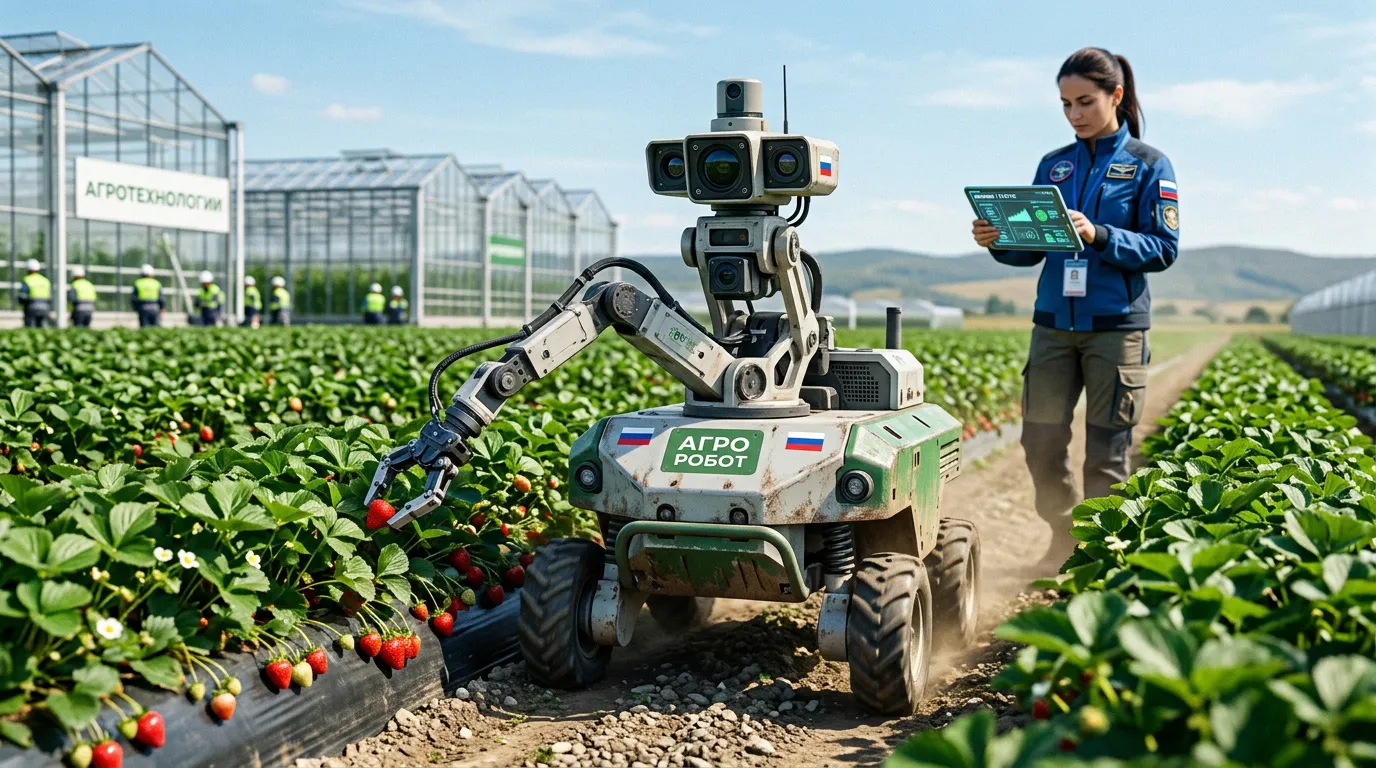
During a visit to the Ulyanovsk region, Russia’s Minister of Agriculture Oksana Lut reviewed a robotic system for early detection of plant diseases and pests developed by Stavropol State Agrarian University (StGAU). The system is being tested at the facilities of its partner, Teplichnoye JSC, the region’s largest producer of greenhouse vegetables and one of the top ten greenhouse operations in Russia.
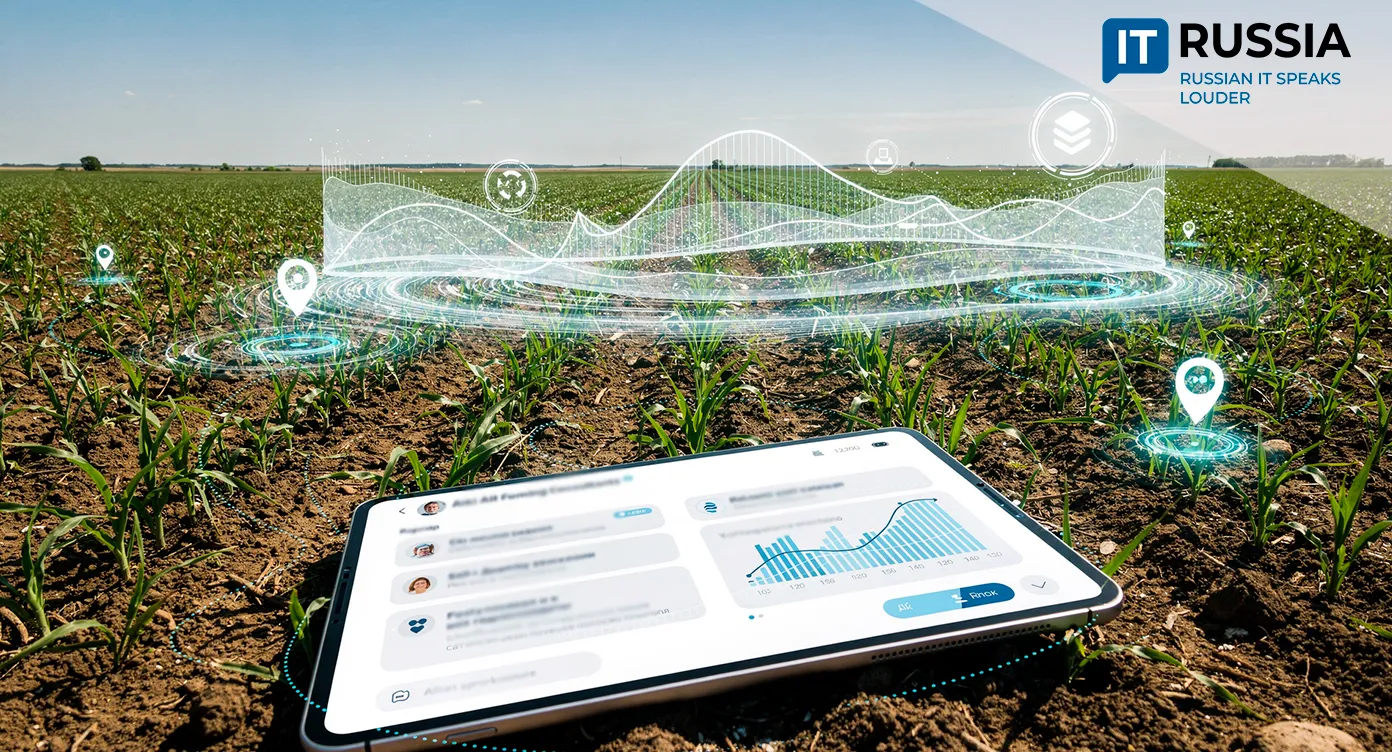
The robot detects diseases and pests at the earliest stages. The system enables automated diagnosis of deviations in crop development. A robotic platform captures images of plants to detect signs of disease. These images are then uploaded to a digital platform, where a built-in neural network analyzes the data, performs diagnostics, and generates conclusions.
The system uses AI developed by StGAU in partnership with Agropromtsifra JSC, using Russian data processing and analytics tools. Developers and growers working together improve diagnostic accuracy, while the platform remains technologically independent from foreign solutions.
Detecting Disease Before Visible Symptoms
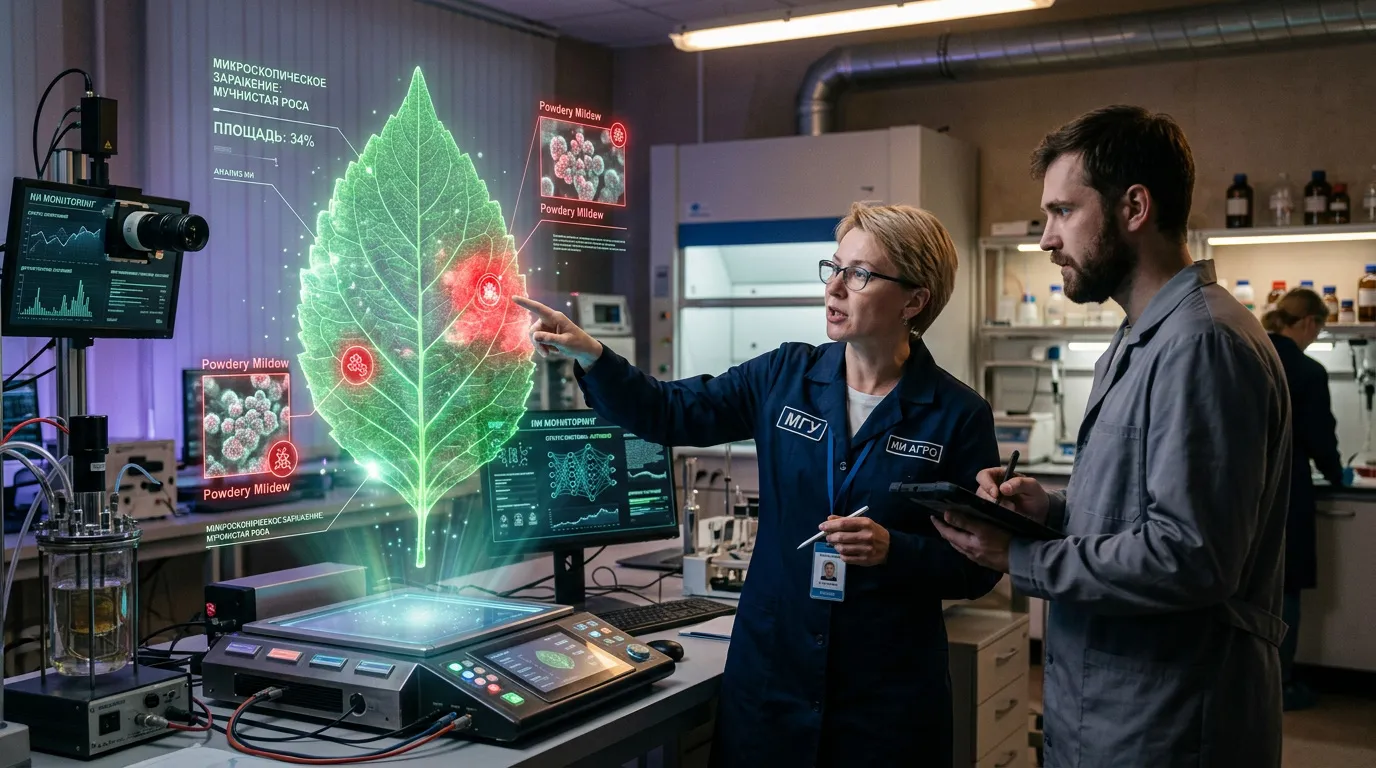
All algorithms are tailored to the characteristics of Russian crop varieties. The platform is already showing measurable results: its AI can detect powdery mildew five to seven days before visible symptoms appear, before humans can detect any external signs. It also successfully identifies spider mites, a pest known to be difficult to detect.
The project continues to evolve. In the near term, the platform is expected to operate fully autonomously, moving between greenhouse rows, performing analysis, and delivering insights directly to agronomists. Neural network algorithms are also being further refined.
The project is part of the Agroinzheneriya budushchego (Future Agroengineering) world-class research center program, based at StGAU in collaboration with the Central Research and Development Automobile and Engine Institute NAMI and Don State Technical University. The program runs through 2030.
One of the center’s objectives is to develop equipment and software for greenhouse operations, to improve diagnostic accuracy of plant nutrition, diseases, supplemental lighting control, and other critical production processes. The new robotic platform is part of this initiative.
Thus, Russia is developing a project that uses intelligent machine vision systems in the real sector of the economy – agriculture. Next, the system will move toward full autonomy and expand from detecting a limited set of threats to multi-class agri-diagnostics, including diseases, pests, nutrient deficiencies, microclimate anomalies, and targeted treatment recommendations.
AI for the Real Economy
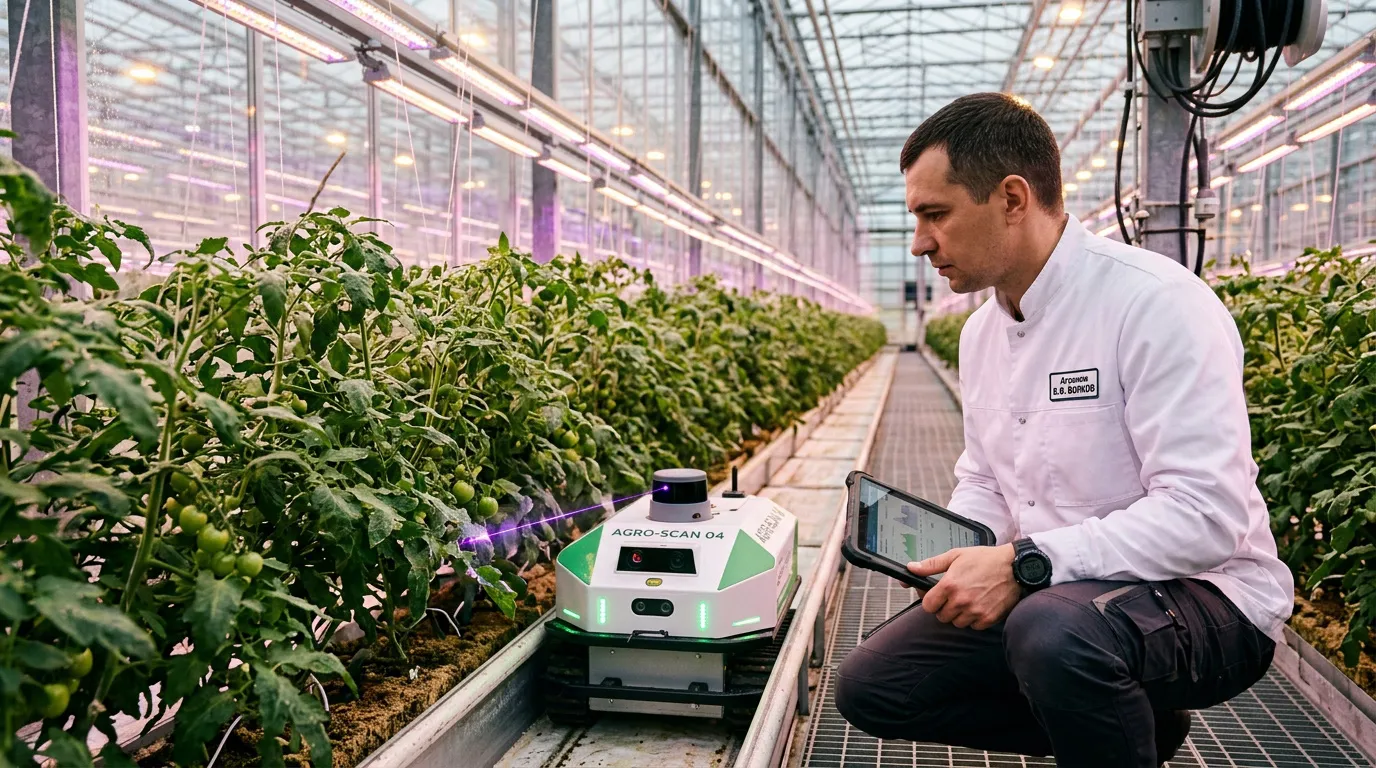
The new robotic platform is being integrated into production workflows and is a core component of smart greenhouse systems, integrating route planning, diagnostics, alerts to agronomists, and operational decision-making.
This system enables early detection of disease outbreaks and pest activity, improving production efficiency through higher yields, better crop quality, and reduced costs driven by targeted application of plant protection products.
Indoor growing solutions are especially important given the cold climate across much of Russia. In many regions, access to fresh vegetables depends either on imports or greenhouse production.
Projects like this are driving demand for Russian agricultural software, robotics, and sensor technologies. Industry analysts consider AI and robotics to be among the key drivers of productivity growth in agriculture. The Russian market for AI systems in agriculture is projected to reach about 86 billion rubles (approximately $1.1 billion) by 2030.
After deployment and validation in Russia, similar crop loss reduction solutions integrated into smart greenhouse platforms could become standalone export products. These systems are likely to see demand in regions expanding greenhouse vegetable production, including CIS countries, the Middle East, North Africa, and Asia.