

Prescriptions and Tax Deductions for Russians to Be Available Online
Patients no longer need to travel to a clinic for certificates and prescriptions – these documents can now be obtained online. This has been made possible by a medical information system developed in Russia and integrated with government services.
The FriMIS medical information system, developed by the Tsypkin Clinic of Innovative Traumatology in Sarov, has received approval from the Russian Ministry of Health. The developers have completed the final stage of integration with the Unified State Health Information System (EGISZ). The clinic is now synchronized with the Social Fund of Russia, the Gosuslugi (Government Services) portal and the Federal Tax Service.
For patients, this means a new level of convenience. People now have access not only to online appointment scheduling, but also to electronic prescriptions, automatic uploading of documents needed to claim medical tax deductions to Gosuslugi, online consent signing and telemedicine.
FriMIS is a medical information system that automates clinic operations. It covers virtually every step, from scheduling patient appointments and maintaining electronic medical records to issuing prescriptions and exchanging data with government platforms. The system was developed by the clinic’s own specialists, with doctors and programmers working together to design a tool around real-world needs. The system has now received a registration certificate and has been incorporated into the federal digital infrastructure. It is a full-fledged digital product that can be rolled out at other medical organizations.
One System for Patients and Doctors
Previously, obtaining a certificate for a tax deduction on medical treatment and medications meant traveling to the clinic, waiting for the document to be prepared and requesting other paperwork as well. Now everything required is automatically uploaded to the patient’s personal account on Gosuslugi. Electronic prescriptions also arrive without the usual paper-based red tape. Consent for necessary medical procedures can be signed online, eliminating the need to spend time on an in-person visit. And telemedicine makes it possible to consult a doctor without leaving home.
For patients, that means substantial time savings. For the clinic, it means less pressure on staff, less paperwork and fewer phone calls. A unified digital environment also reduces the risk of errors caused by manually transferring information. When data is entered into the system once and then transmitted automatically, the chances of a typo or a lost document fall significantly.
Healthcare’s Digital Path
Russian healthcare has already come a long way digitally, and FriMIS did not emerge in a vacuum. The country’s digital healthcare infrastructure has expanded significantly in recent years.
In 2024, all departments of state and municipal outpatient clinics and hospitals began using medical information systems and interacting with EGISZ. More than 1 million automated workstations for medical professionals were connected to the federal infrastructure.
Digitalization is now gradually expanding into private healthcare as well. Russian integration platforms are broadening the ability of private clinics to transmit data to EGISZ and regional systems. The next step, therefore, is to make sure different medical systems can exchange information quickly and reliably. This is also a global challenge. The World Health Organization considers interoperability among electronic health systems and telemedicine important areas for the development of healthcare.
A Health Map
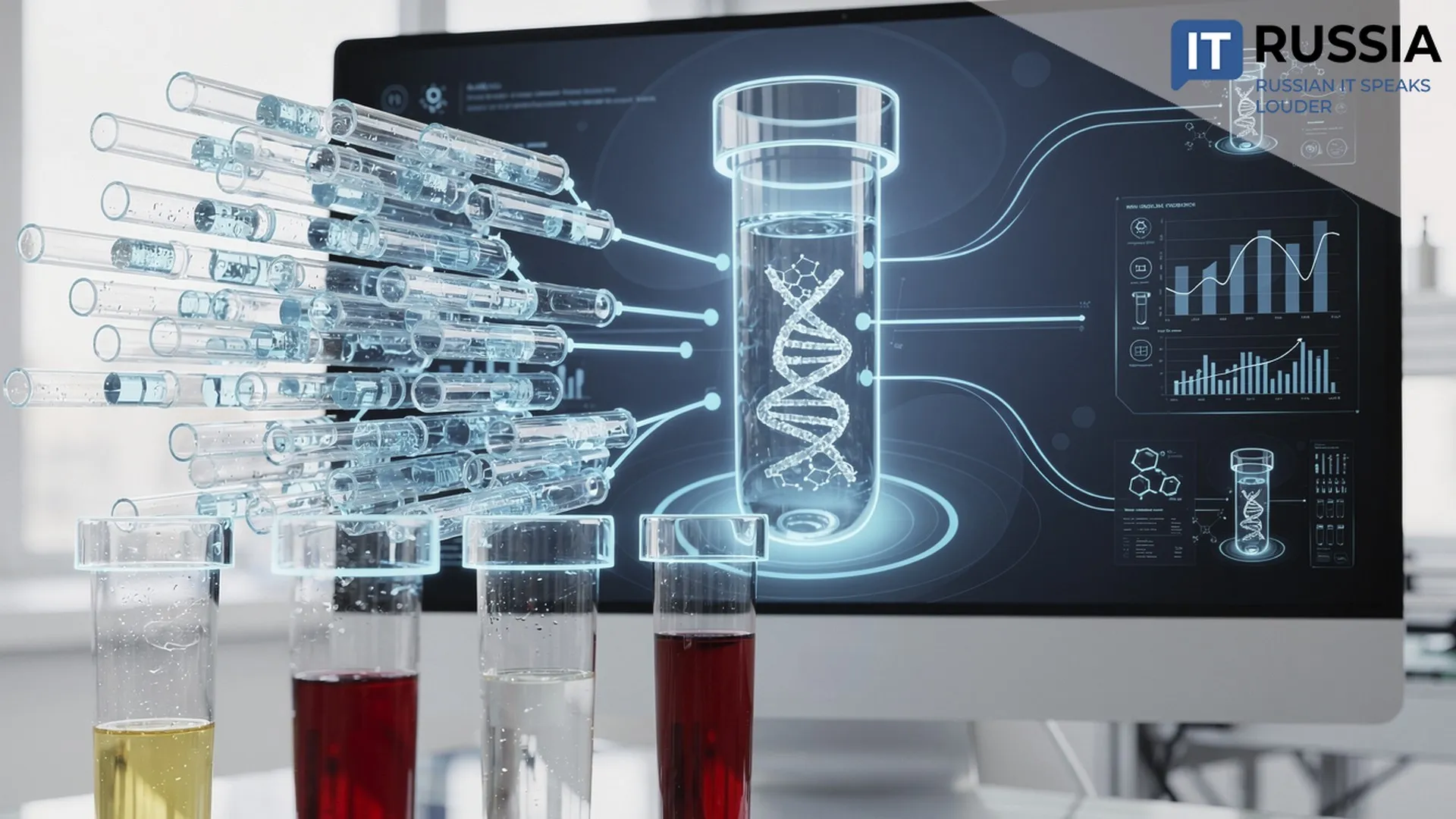
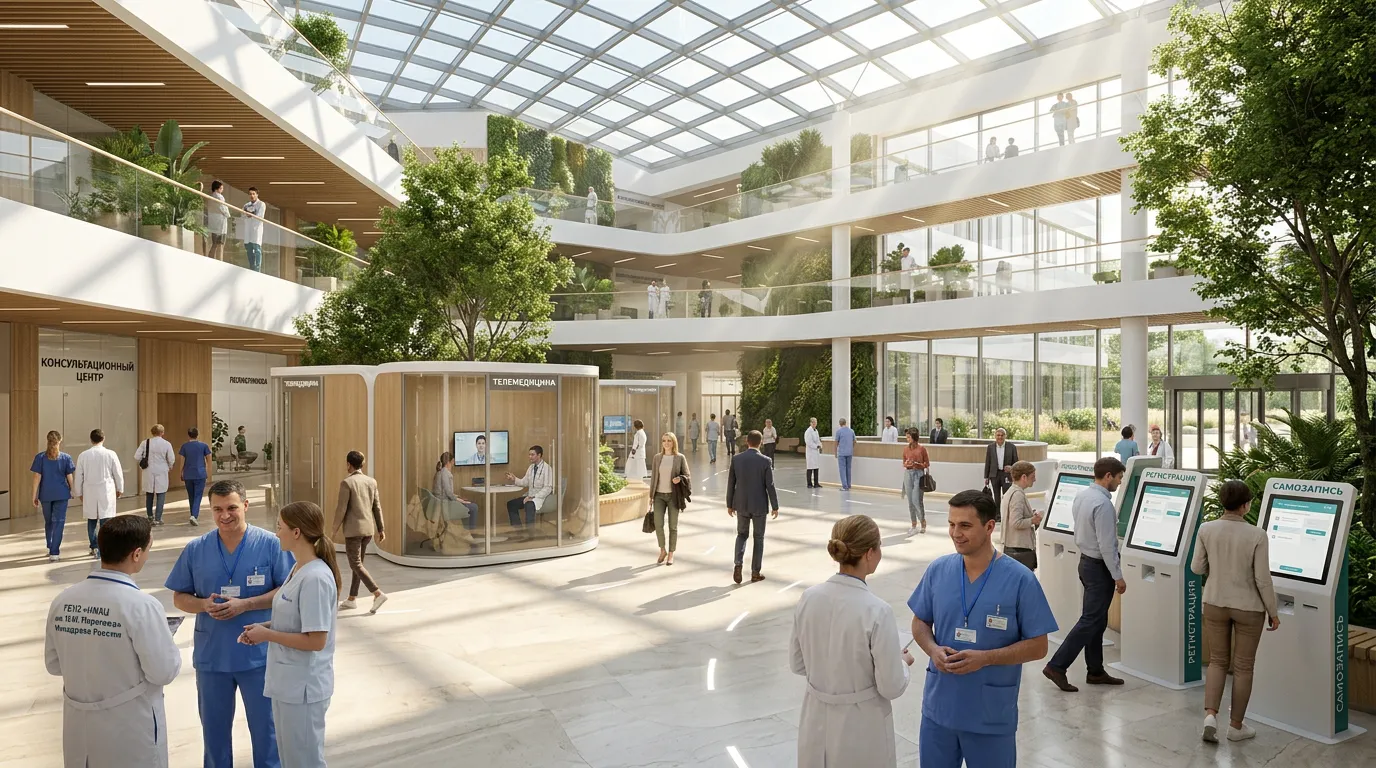
FriMIS has also expanded into another area – working with medical data. In July 2026, the clinic launched an Umnaya karta zdorovya (Smart Health Map), which analyzes patients’ laboratory indicators and tracks how they change over time. In the future, more sophisticated AI services could be built on top of this infrastructure. These could include tools for detecting abnormalities, analyzing trends in patient indicators or supporting clinical decision-making.
FriMIS has considerable prospects in Russia’s healthcare market. Other private clinics could gain access to this convenient, easy-to-use working tool. Both doctors and patients stand to benefit.
This is the kind of healthcare system Russia is actively moving toward. Technology is meant to free doctors from spending time on paperwork so they can devote more attention to patients, while patients can spend less time worrying, dealing with administrative hassles and traveling to a clinic simply to obtain a certificate.