Smart Climate Chambers to Accelerate Crop Breeding
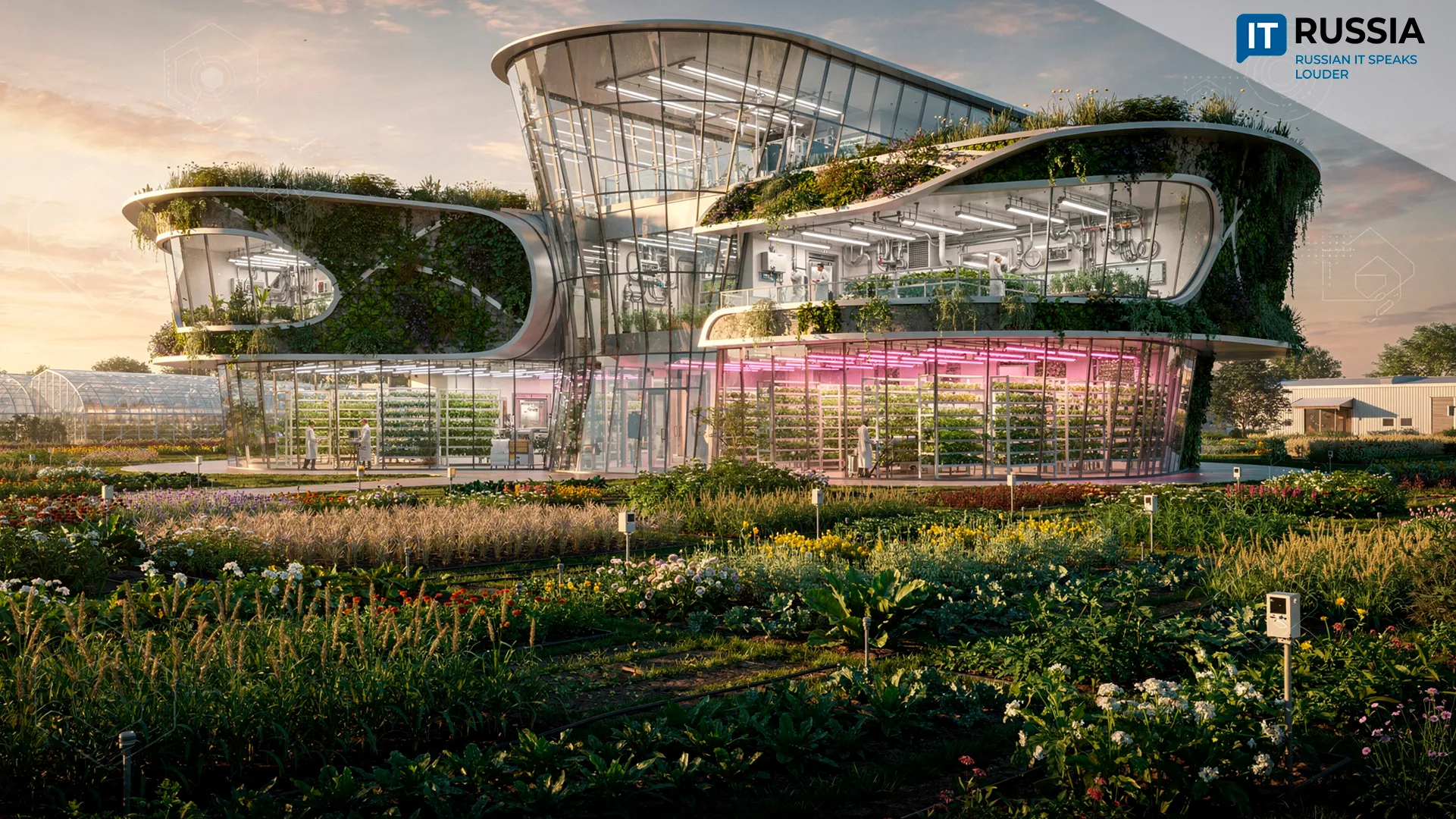
Shchelkovo Agrokhim has opened a new research complex in Russia's Oryol Region to develop new crop seeds under controlled artificial climate conditions.
One of the most pressing priorities for Russian plant breeders today is supplying farmers with new domestically developed crop seeds. These new varieties must not only deliver higher yields under changing climate conditions but also offer stronger resistance to disease. "Our primary task today is to accelerate the breeding process so that competitive innovations reach the market more quickly," said Russian Minister of Agriculture Oksana Lut.
Equally important, proprietary breeding technologies and a modern seed bank form the foundation of Russia's food security and the independence of its bioeconomy. Under the Food Security Doctrine and the national project Tekhnologicheskoye obespecheniye prodovolstvennoy bezopasnosti (Technological Support for Food Security), domestically bred varieties are expected to account for at least 75% of Russia's major agricultural crop seeds by 2030.
Accelerating Plant Development
On July 2, 2026, Shchelkovo Agrokhim opened a biotechnology and artificial climate laboratory complex in Russia's Oryol Region. The facility has become part of the Betagran Semena research and production association. Its mission is to accelerate the development of new Russian crop varieties.
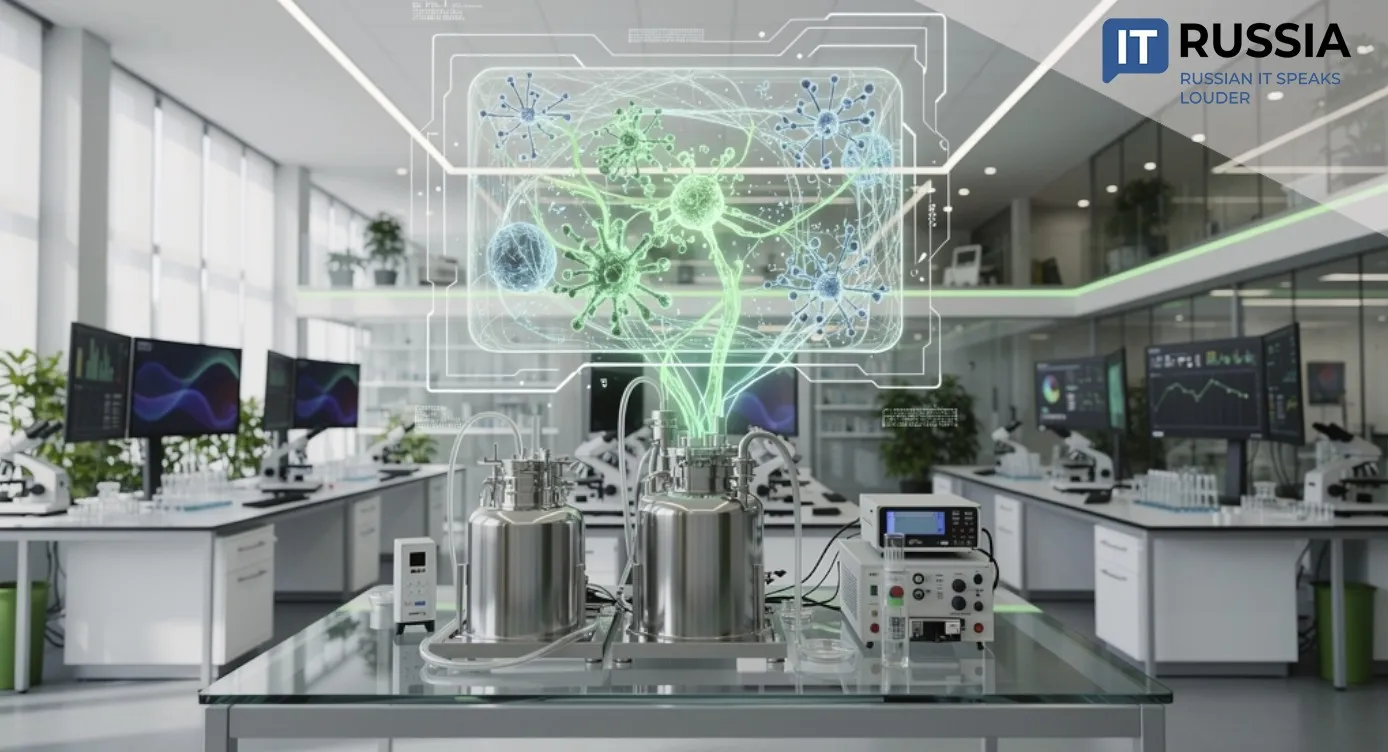
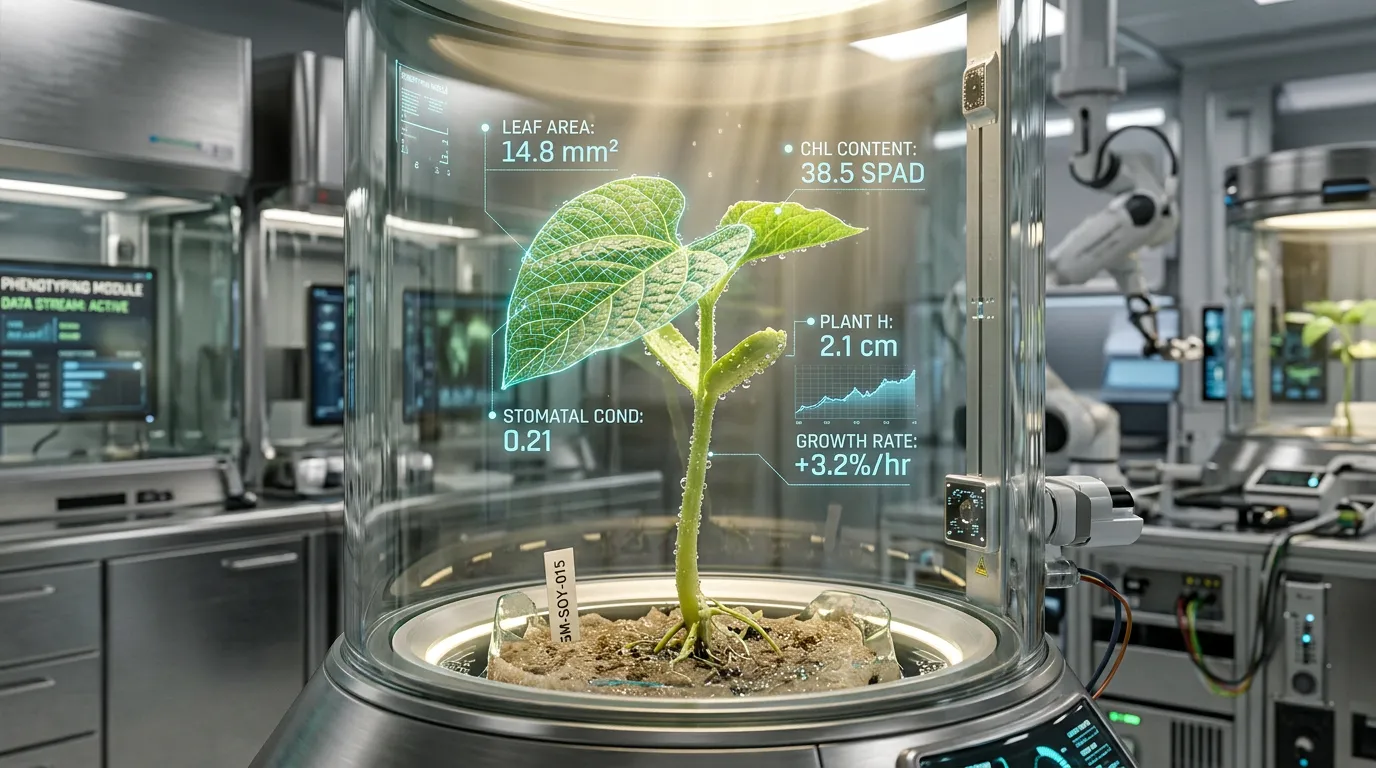
The complex is equipped with advanced Russian-developed technology designed to support rapid breeding methods, fast evaluation of new varieties, and their transfer to agricultural producers. These approaches are known as "accelerated generation" technologies. At the heart of the facility is a specialized climate chamber that enables plant experiments under precisely controlled artificial environmental conditions.
Achieving that requires precise control over multiple environmental parameters, including light intensity, spectral composition, temperature, humidity, carbon dioxide concentration, growing substrate, and mineral nutrient delivery. Given the large number of interacting variables that influence climate chamber performance, only AI-based control systems can manage these processes with the required level of precision.
The result is faster plant development and accelerated growth. The approach, known as speed breeding, enables rapid development of new crop varieties and hybrids. The technology is being developed and deployed by the All-Russian Research Institute of Agricultural Biotechnology, Shchelkovo Agrokhim, a Russian producer of seeds, crop protection products, and agricultural chemicals, and Klimbiotekh, a manufacturer of climate chambers.
Seven Harvests a Year and a Boost for IT
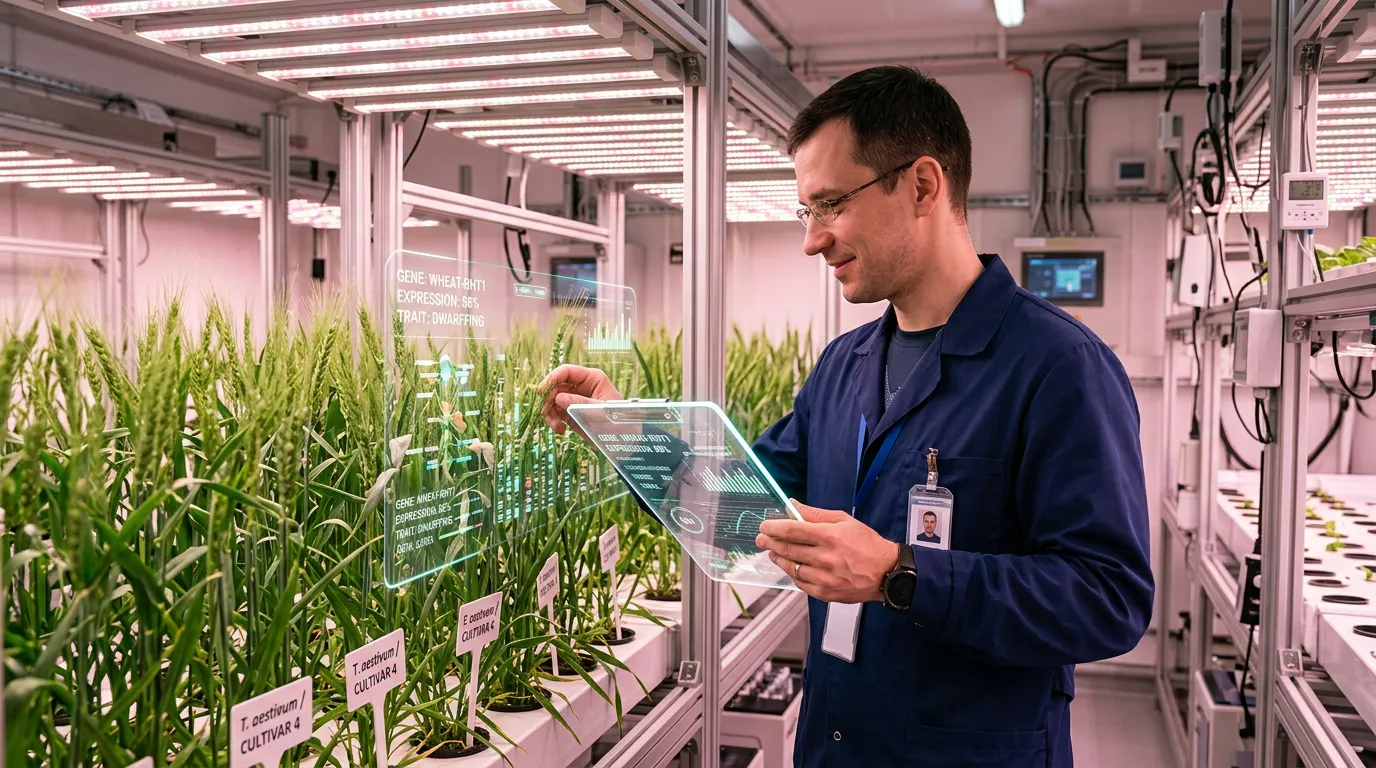
According to Klimbiotekh CEO Darya Freymans, crops grown under artificial climate conditions can produce up to seven generations each year. That dramatically increases the speed at which new plant varieties can be developed. Producing a stable breeding line after crossing two varieties typically requires growing approximately six generations. The new approach makes it possible to complete that process within a single year before moving on to trait evaluation, variety testing, and production-scale trials.
The Oryol complex is more than a research center developing new hybrids. It also includes a large-scale seed production facility. Its phytocapacity allows more than 100,000 plant samples to be grown simultaneously.
"A seed production facility with an annual capacity of 30,000 metric tons has opened. Today's launch marks another technological step, without which it would be difficult to imagine the rapid progress of plant breeding in the Oryol Region," said Oryol Region Governor Andrey Klychkov.
Beyond its significance for agriculture, the new complex is also becoming an important driver of Russia's IT sector. It is expected to substantially increase demand for continuous improvements in climate control hardware and software, sensors, computer vision systems, databases, and algorithms used to analyze plant characteristics. The project also creates demand for Russian software supporting laboratory automation, image processing, experiment management, and breeding data storage.
Smart Russian Plant Breeding
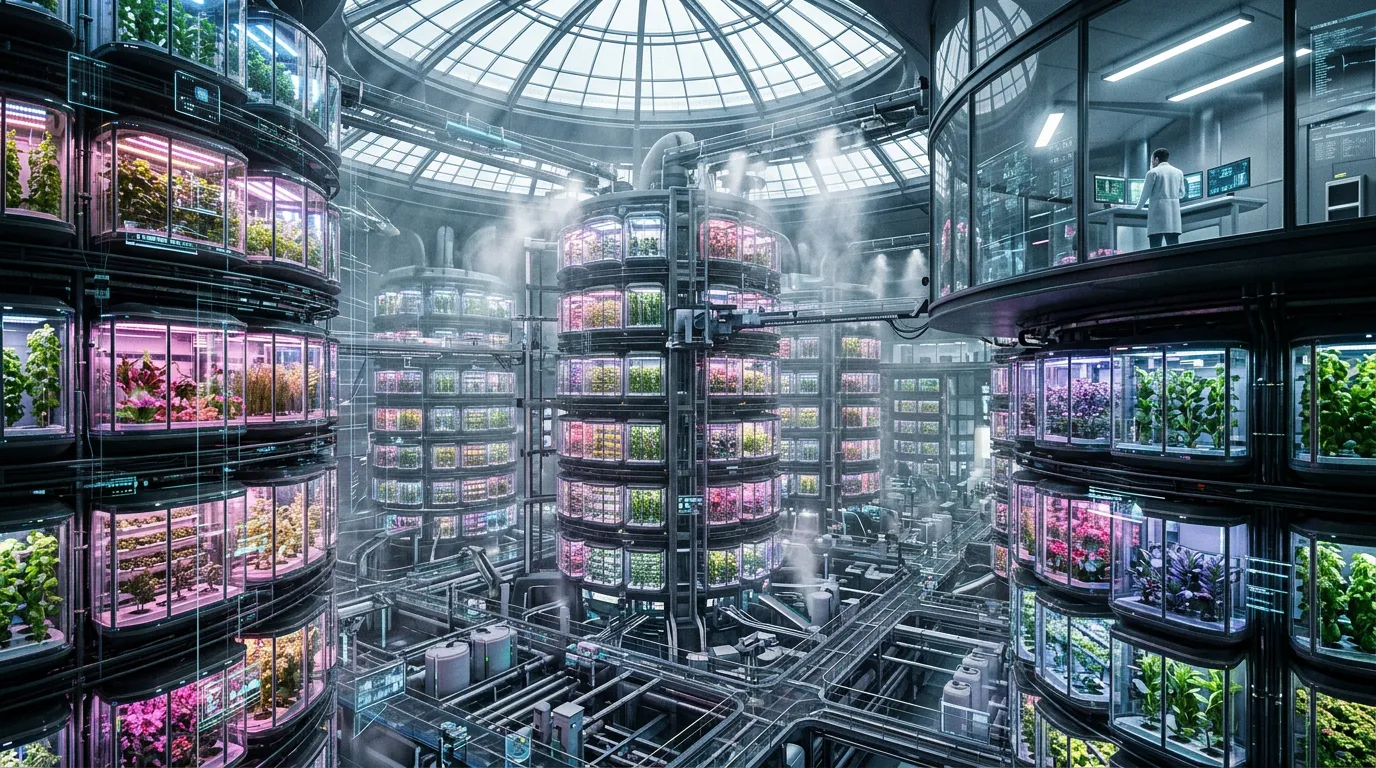
The project reflects Russia's ongoing transition from breeding programs centered primarily on field experiments to digitally managed research environments. These combine biotechnology, artificial climate systems, laboratory automation, and AI-powered data analysis within a single facility. The continued development of the new center is expected to support complete breeding platforms that use machine learning and large-scale data matrices to predict breeding performance.
As climate conditions continue to change rapidly, global demand for crops with new adaptive traits is expected to keep rising. Countries around the world are investing heavily in agricultural technologies, creating potential markets for Russian digital tools used in agricultural biotechnology research. After adapting their databases to local environmental conditions, Russian digital platforms that combine artificial climate technologies with accelerated breeding methods and climate adaptation could become export products for countries with growing populations and expanding agricultural sectors.