

omsk Researchers Use AI to Study Climate at a Carbon Research Site
Artificial intelligence is helping researchers model global environmental change by improving their understanding of gas exchange across forests, wetlands, and floodplain ecosystems in the Ob River basin.
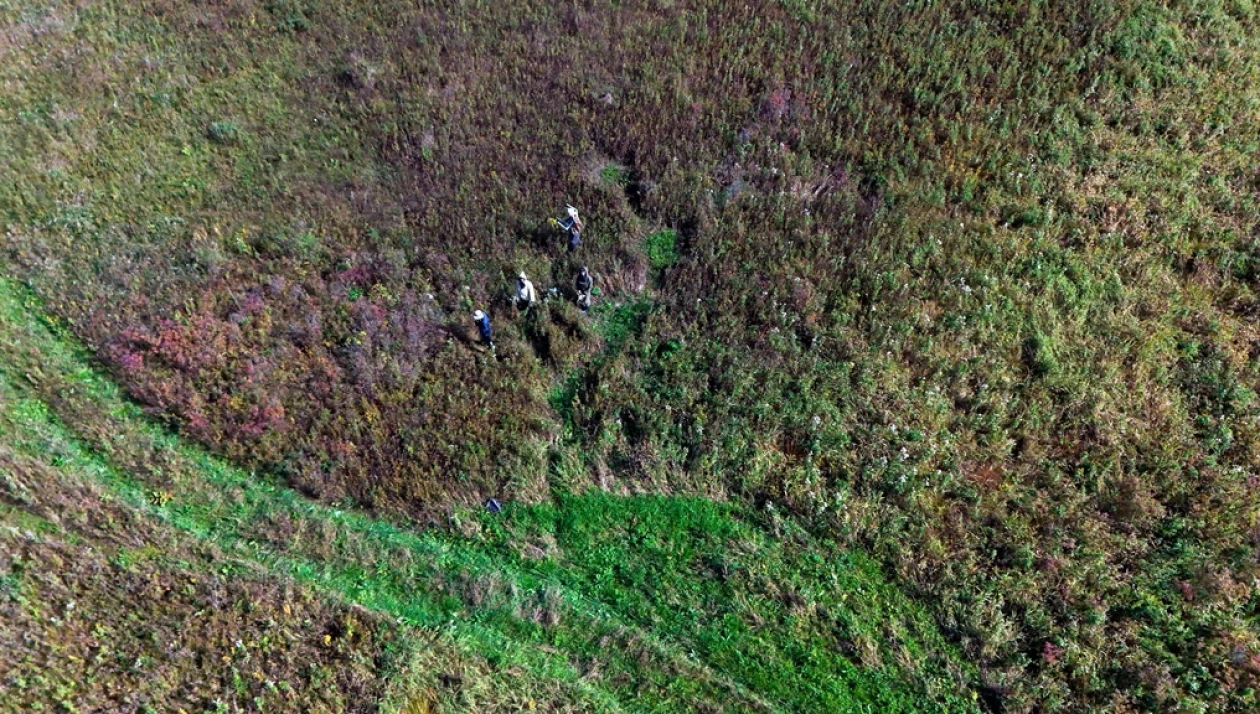
Researchers at Tomsk State University have begun using machine learning to produce high-precision assessments of the carbon cycle at a 460-square-kilometer carbon research site. The site was established under the Prioritet 2030 (Priority 2030) program and includes three ecosystems: forest, wetland, and river floodplain. AI is being used to study plant stomatal conductance—the rate at which carbon dioxide enters leaves through microscopic pores.
A better understanding of gas exchange across the research site is expected to improve estimates of greenhouse gas uptake and help identify more effective vegetation strategies for managing natural carbon dioxide and methane sinks.