

Digital Shield for the Amur Region: Smart Devices and Analytics Are Transforming Utility Management
Digitalization is proving particularly effective in regional utilities. In Russia’s Amur Region, authorities are actively deploying advanced monitoring and oversight tools, along with predictive analytics algorithms.
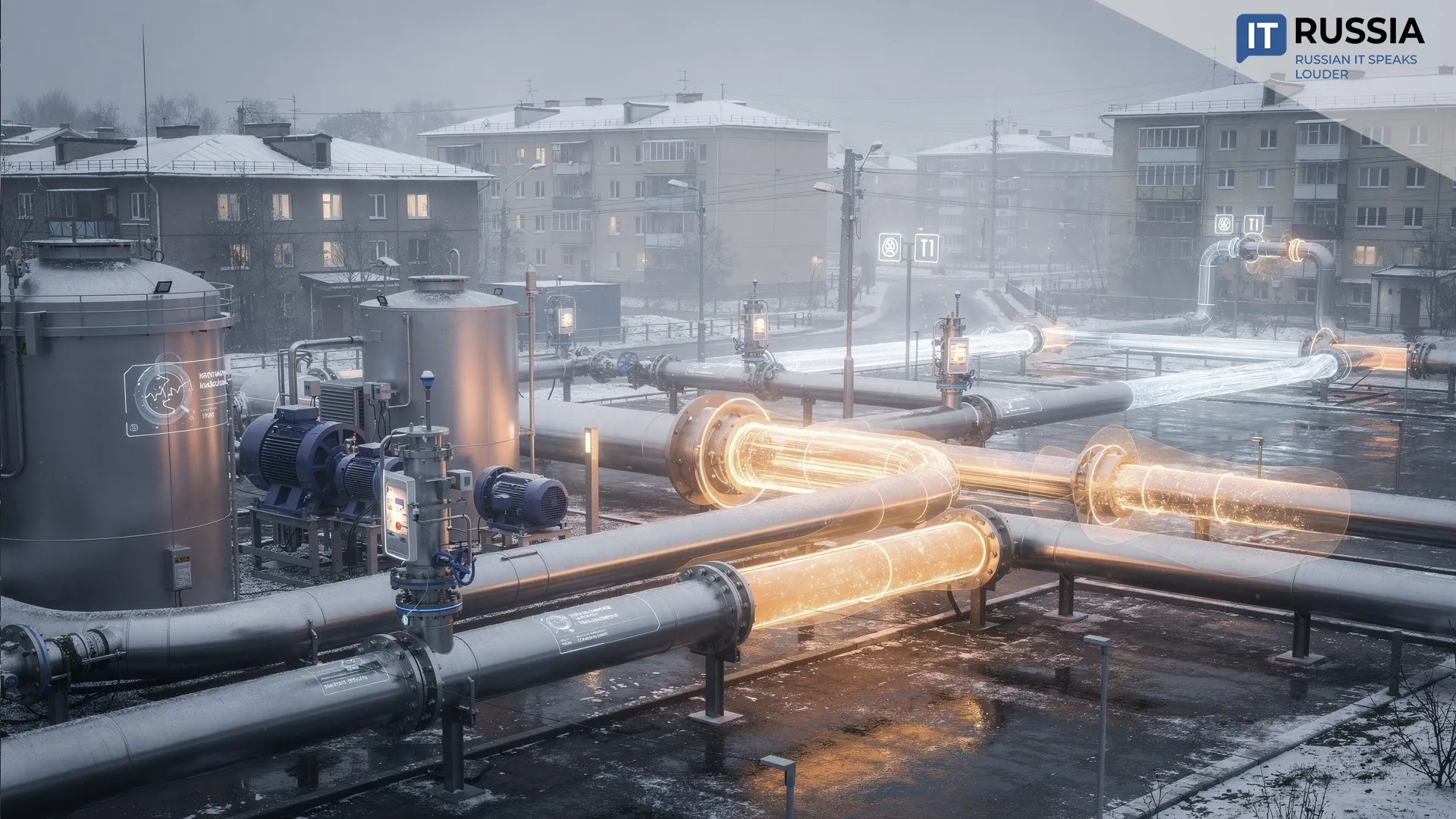
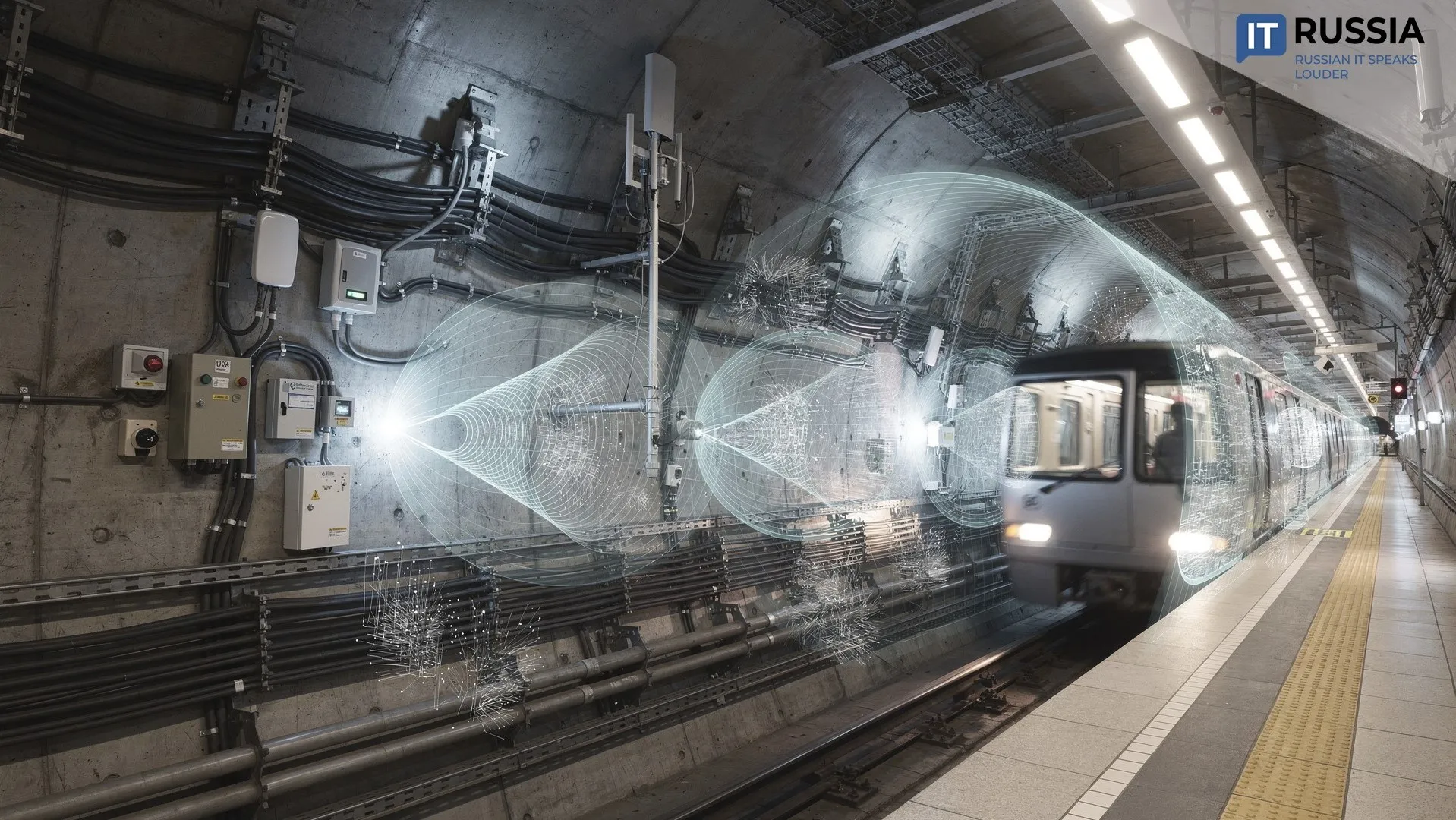
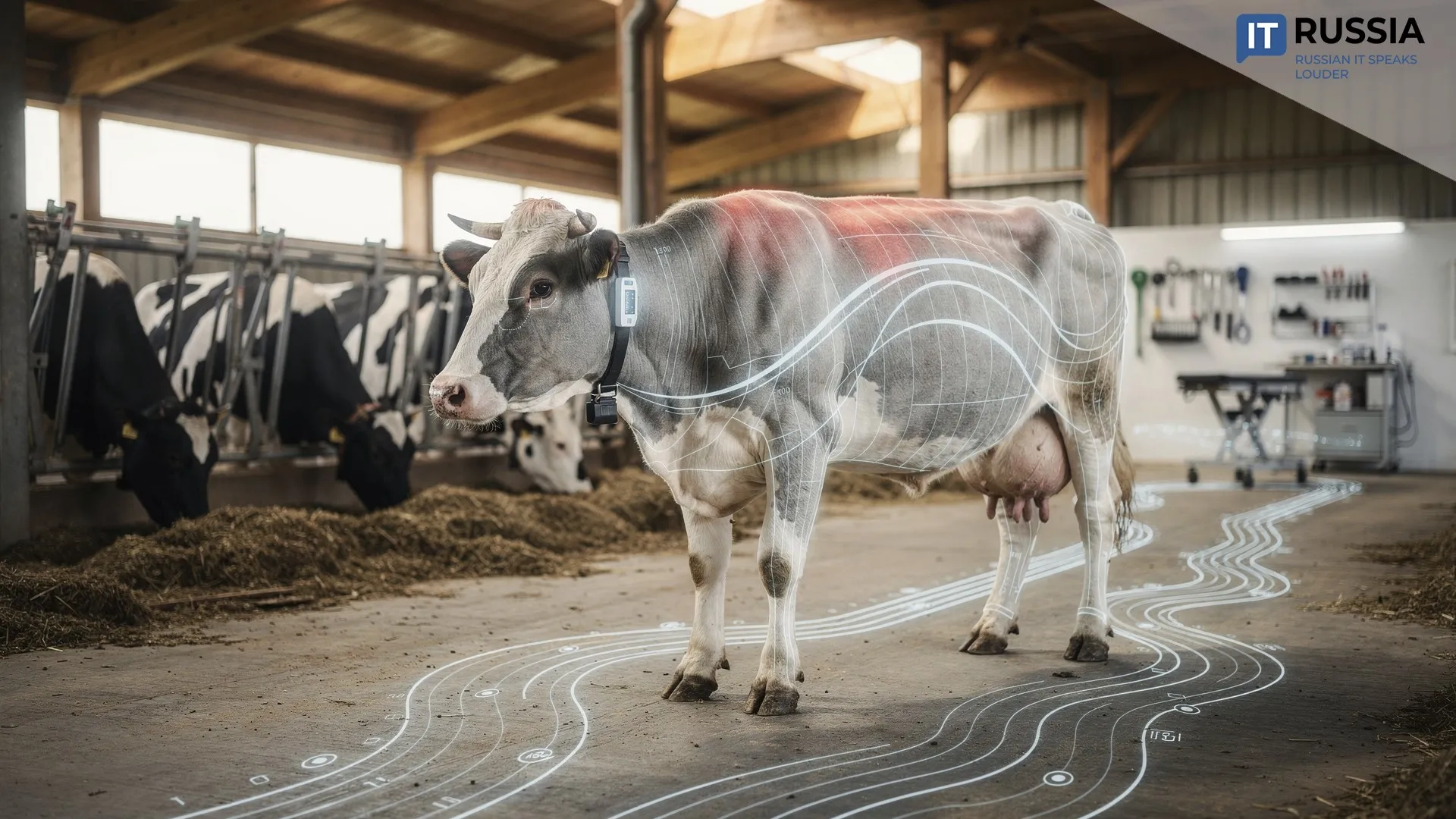
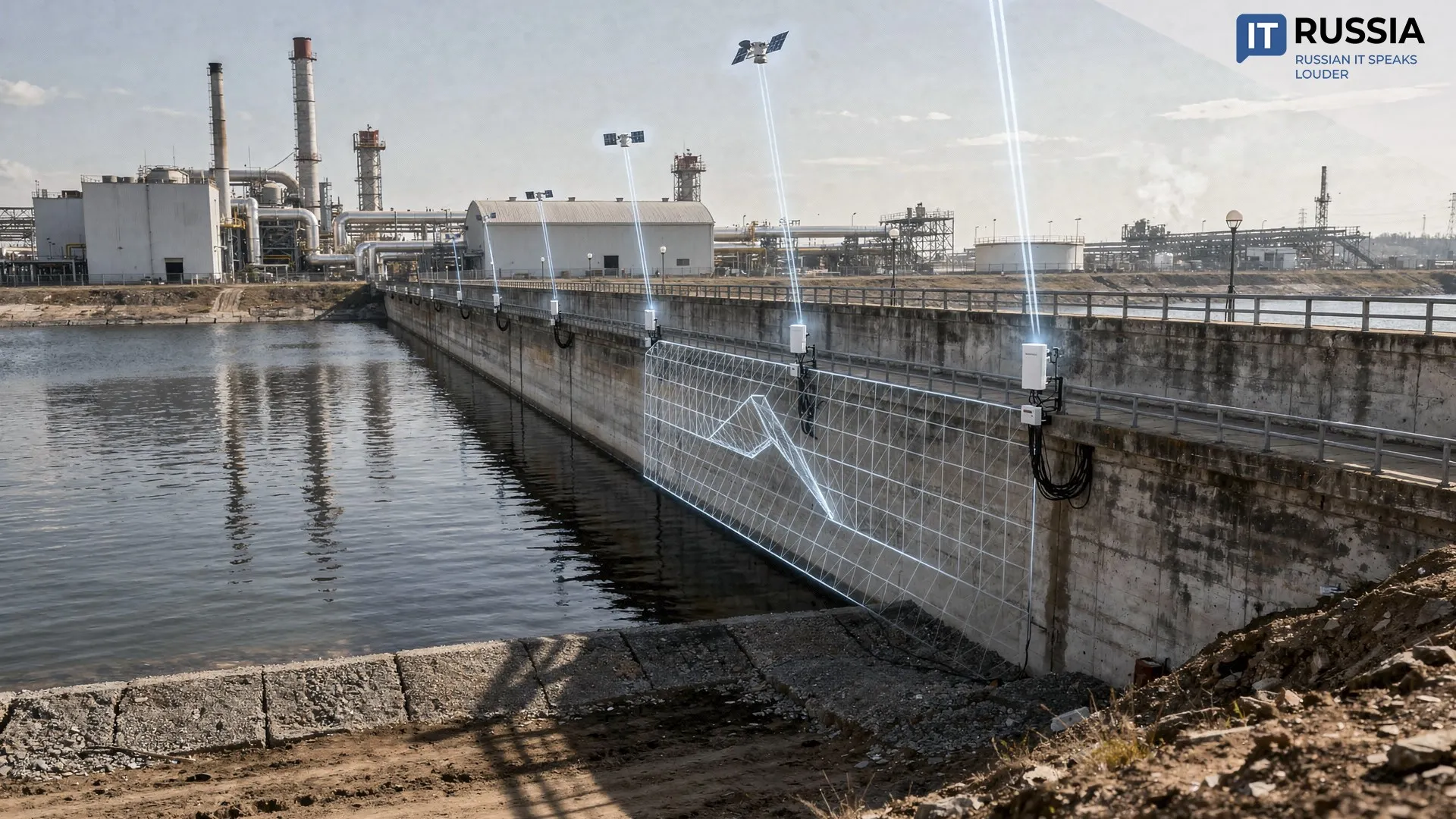
Digitalization of Russia’s utility infrastructure is moving beyond basic resource accounting toward predicting equipment failures. The Amur Region’s rollout of a regional monitoring and dispatch system, known as GIS RSMD, shows how sensor data can be turned into a tool for preventing service disruptions.
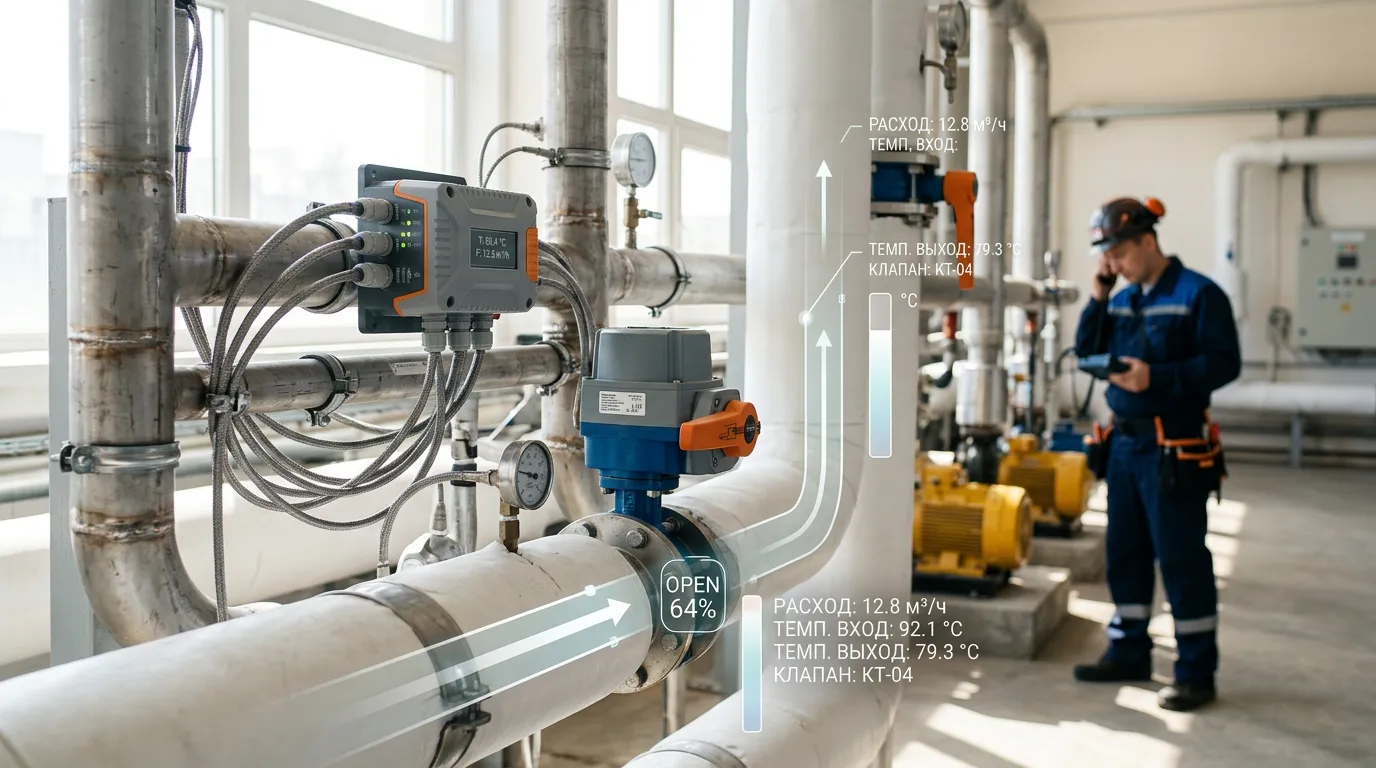
The system receives data from equipment installed at boiler plants, district heating substations, social facilities, and apartment buildings. So far, 458 boiler plants are connected, with new facilities being added on an ongoing basis.
GIS RSMD provides remote, real-time monitoring of heating service quality, utility networks, and equipment. When data shows that a system component has moved outside its specified operating parameters, the relevant utility teams receive an alert immediately.
At the same time, the Amur Region is developing “digital twins” of its heating, water supply, and wastewater systems. These models support predictive analytics that can identify inefficient resource allocation and problem areas across utility infrastructure. In practice, operating organizations can use the data to adjust plans for replacing utility lines and carrying out repairs, while identifying potential risks and reducing the number of failures.

The Next Phase of Digital Utilities
Over the next four years, the Amur Region plans to significantly expand GIS RSMD’s functionality. The system is expected to monitor water supply, wastewater, gas, and electricity services at the same time. At the regional level, authorities plan to create a unified digital environment for utility management.
The Amur Region’s experience could also be replicated in other parts of Russia. Utilities are being digitalized across the country, making it important to share solutions that have demonstrated practical results. The IT component of these projects also has export potential. Reliable monitoring and analytics platforms could be deployed in countries with similar utility infrastructure and close ties with Russia.
From Tracking Failures to Preventing Them
The push to build integrated digital utility systems began at the federal level. In September 2020, Russia’s Ministry of Construction launched a unified system for monitoring incidents and failures at utility facilities, known as MKA ZhKKH. It went into operation across all Russian regions. The system records comprehensive data on different incidents affecting utility infrastructure. It also helps utilities develop work plans and track their implementation. Artificial intelligence algorithms were added to support incident forecasting.
Major companies are also developing digital utility projects. In 2023, Rusatom Infrastructure Solutions, a Rosatom company, introduced the Digital Heating Supply platform, which combines monitoring systems with digital models of heating infrastructure and analytical tools.

The Future of Utility Infrastructure
Regional projects such as the one underway in the Amur Region are creating a track record for Russian technologies in utility digitalization, from monitoring and metering devices to software platforms.
The next phase is already underway following the deployment of individual sensors and digital twins. Municipalities and other administrative entities are building full-scale platforms for managing utility infrastructure. In the near term, these technologies are expected to go beyond monitoring by analyzing equipment operating parameters and routinely identifying potential failures before they occur.
The benefits extend across the utility system. Residents can gain a more reliable and comfortable urban environment with fewer service disruptions and failures, while utility companies can optimize infrastructure programs and reduce costs. At the same time, demand for utility monitoring platforms and AI-based solutions can create new opportunities for IT professionals.