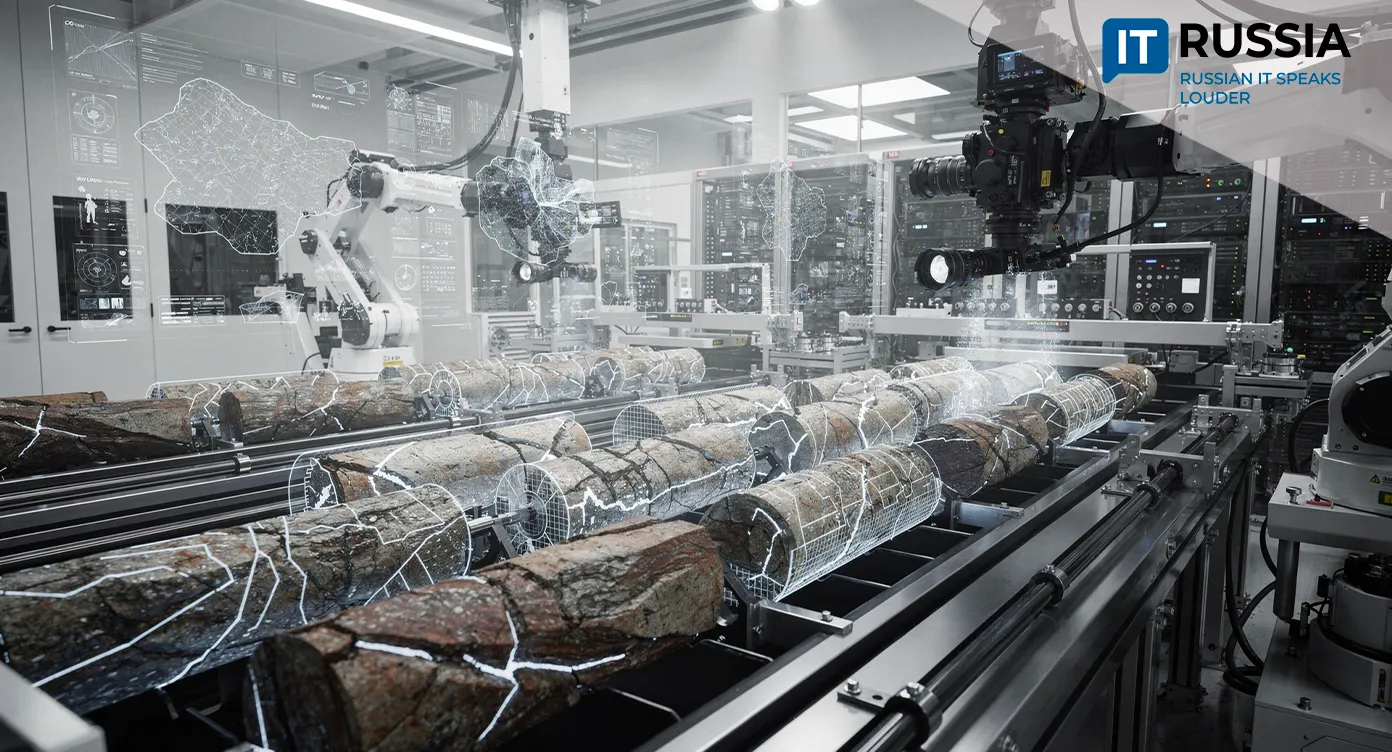


Digital Twins Transform Moscow Metro Construction
The Moscow Metro is now being built not only with tunnel-boring machines, but also with algorithms. City authorities are systematically using building information modeling technologies (BIM) to design new stations and tunnels, reshaping the way large-scale transport infrastructure is planned and delivered.

Building information modeling technologies are now widely used in Moscow metro construction projects. Over the past six years, engineers have created about 600 digital twins of future transport facilities, each containing detailed information about materials, dimensions, and construction specifications.
The significance of this approach extends well beyond the Russian capital. Moscow remains the country’s largest customer for complex transport infrastructure, and the solutions tested there could eventually become a model for other regions. BIM is not limited to 3D visualization – it creates a shared digital environment where designers, contractors, technical experts, and project owners work within the same integrated model.
For residents, that translates into more accurate design work, fewer construction errors, and faster approvals, which can accelerate the launch of new metro stations. The Rublyovo-Arkhangelskaya line, for example, will stretch more than 27 kilometers and include 12 stations connected to the Moscow Central Circle and other metro lines. Dozens of residential districts are expected to benefit from improved transport access.
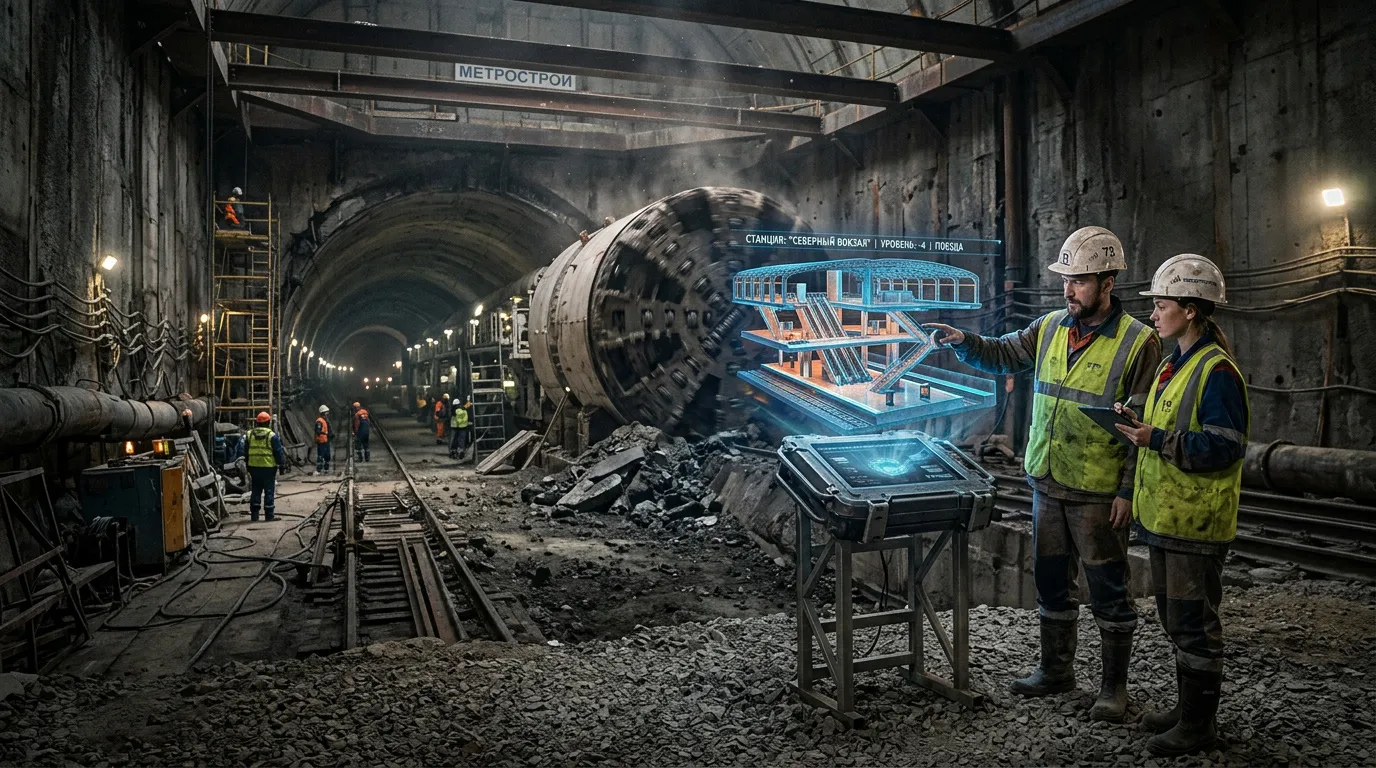
Keeping the Future Under Control
The next step involves moving beyond digital design toward full lifecycle management, from construction through maintenance and modernization. A metro station or tunnel is part of a complex engineering system where ventilation, power supply, drainage, and safety systems matter as much as the physical construction itself. Back in 2022, Mosinzhproyekt noted that working within a unified information model helped reduce design conflicts and accelerate project timelines.
Within Russia, metro construction practices based on BIM could later be scaled to highways, bridges, tram systems, Moscow Central Diameters rail lines, railway terminals, and multimodal transport hubs. The expansion of BIM is also increasing demand for domestic engineering software. According to Strategy Partners, the segment reached 50 billion rubles in 2024 (about $640 million) and is projected to grow by 16% annually through 2030. The transition is also expected to create demand for new specialists, including BIM managers, digital-model coordinators, and data engineers.
Export potential remains moderate. Russian expertise could attract interest from CIS countries, the Middle East, Asia, and Africa, where governments are expanding or modernizing transport infrastructure while also searching for more affordable alternatives to Western BIM ecosystems. At the same time, long-term success will depend on compatibility with international formats, certification standards, and confidence in Russian platforms.
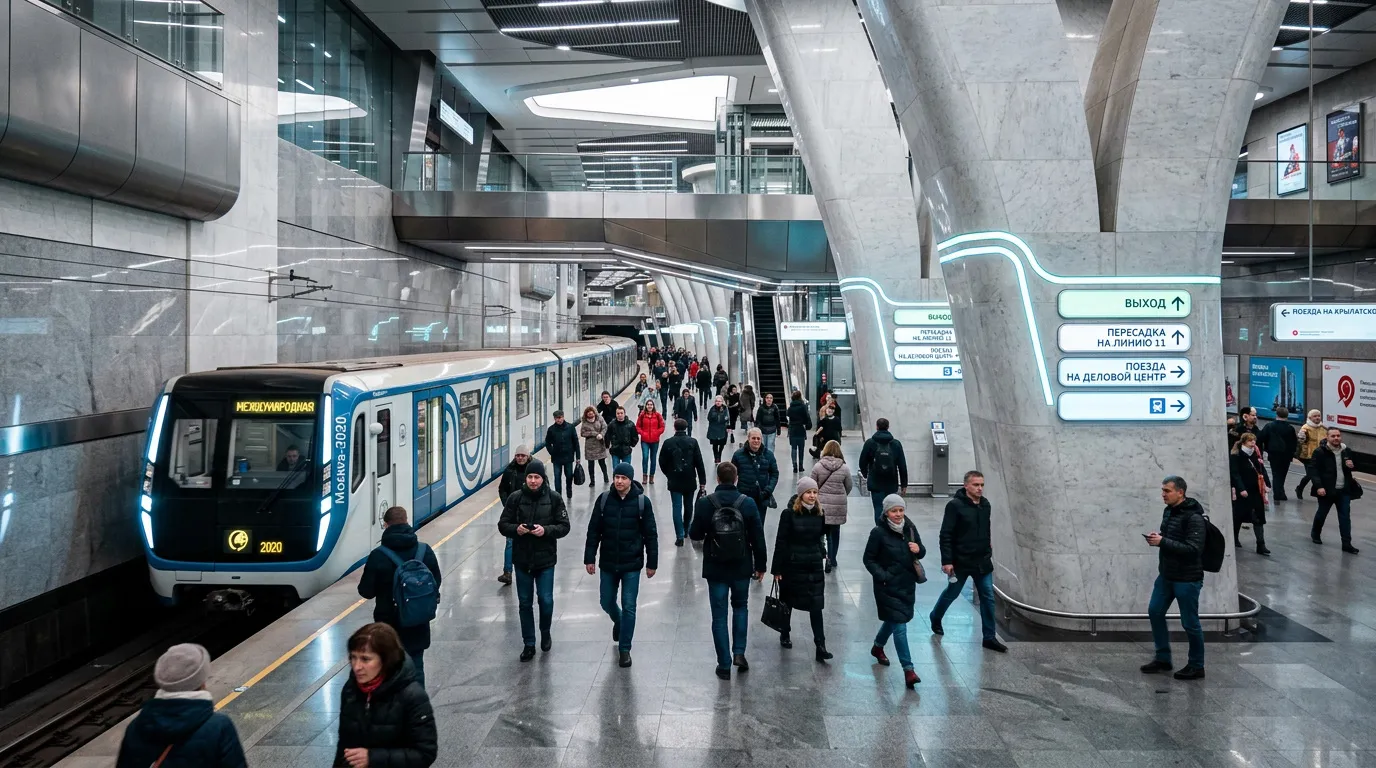
The Path to Digitalization
BIM development in Russia advanced in several stages. In 2021 and 2022, the technology became mandatory for publicly funded construction projects. Around the same time, Mosproyekt-3 presented its first digital model for the Sokolnicheskaya metro line, while the Troitskaya line became the country’s first metro project designed entirely within a BIM environment.
By 2023 and 2024, BIM had evolved into an industry standard. Starting July 1, 2024, its use became mandatory for developers operating in Moscow. At the same time, according to ComNews, only 20% of developers were using BIM by mid-2024, although those companies accounted for 41% of residential construction projects involving digital modeling. Large infrastructure programs such as the Moscow Metro helps set benchmarks for the sector and driving demand for specialized expertise.

Digitalization Becomes Infrastructure Policy
BIM in metro construction has moved beyond the experimental phase and is increasingly becoming a production standard. Moscow’s experience shows how construction digitalization can be integrated into broader transport policy. Digital models allow engineers to evaluate technical solutions in advance, coordinate the work of hundreds of specialists, and reduce the risk of costly mistakes.
Over the coming years, BIM is expected to become more deeply integrated with technical review systems, cost estimation, and construction scheduling. Moscow’s practices could eventually serve as a methodological framework for Russian regions, while export opportunities may emerge where Russia can offer not only software, but also integrated packages covering design, regulations, training, and operational support.
The main risks include a shortage of qualified personnel, fragmentation between software platforms, and the need to secure data tied to digital twins of critical infrastructure. Even so, if those challenges are addressed, BIM could become the foundation for a new generation of construction standards not only in Moscow, but across Russia.