

Digital Twins to Pave the Way for the First Lunar Nuclear Power Plant
Russian scientists are taking a major step toward lunar exploration by using advanced digital technologies to design and model a lunar base equipped with a nuclear power plant.
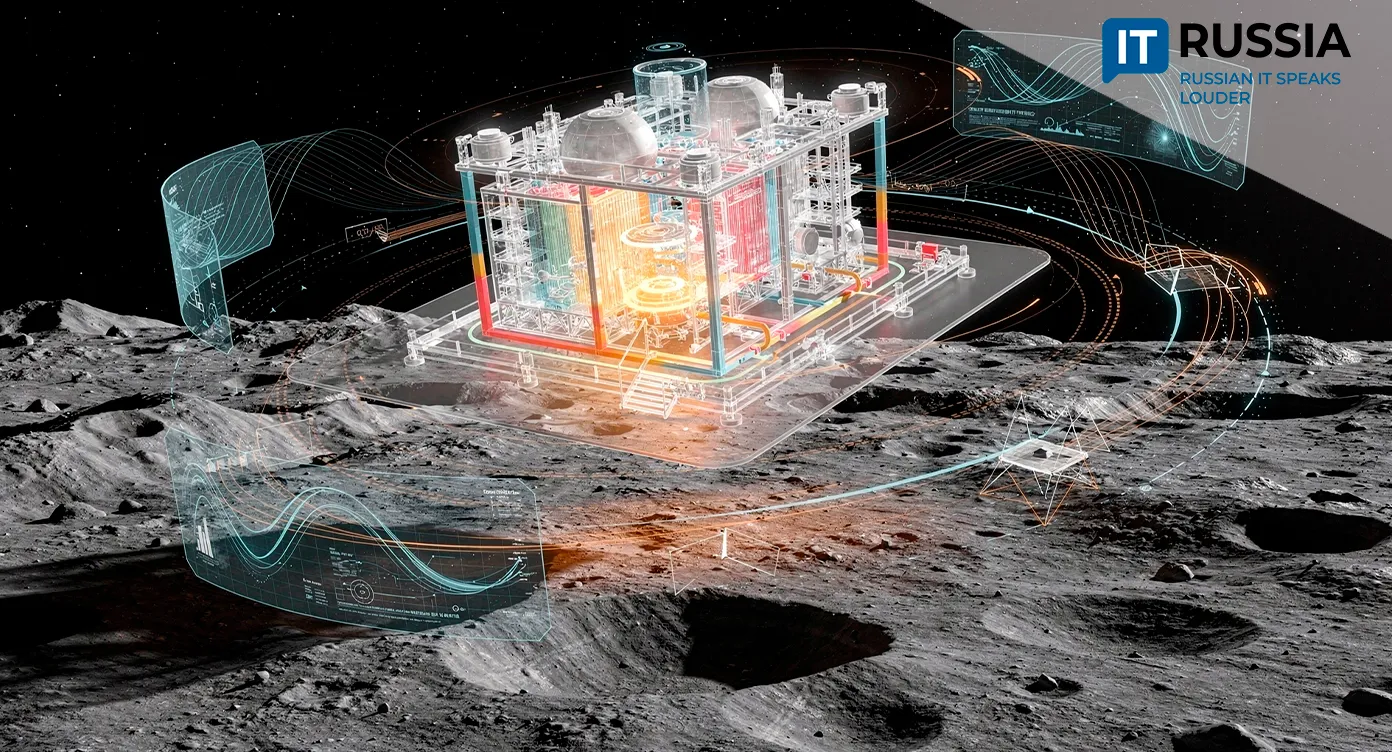
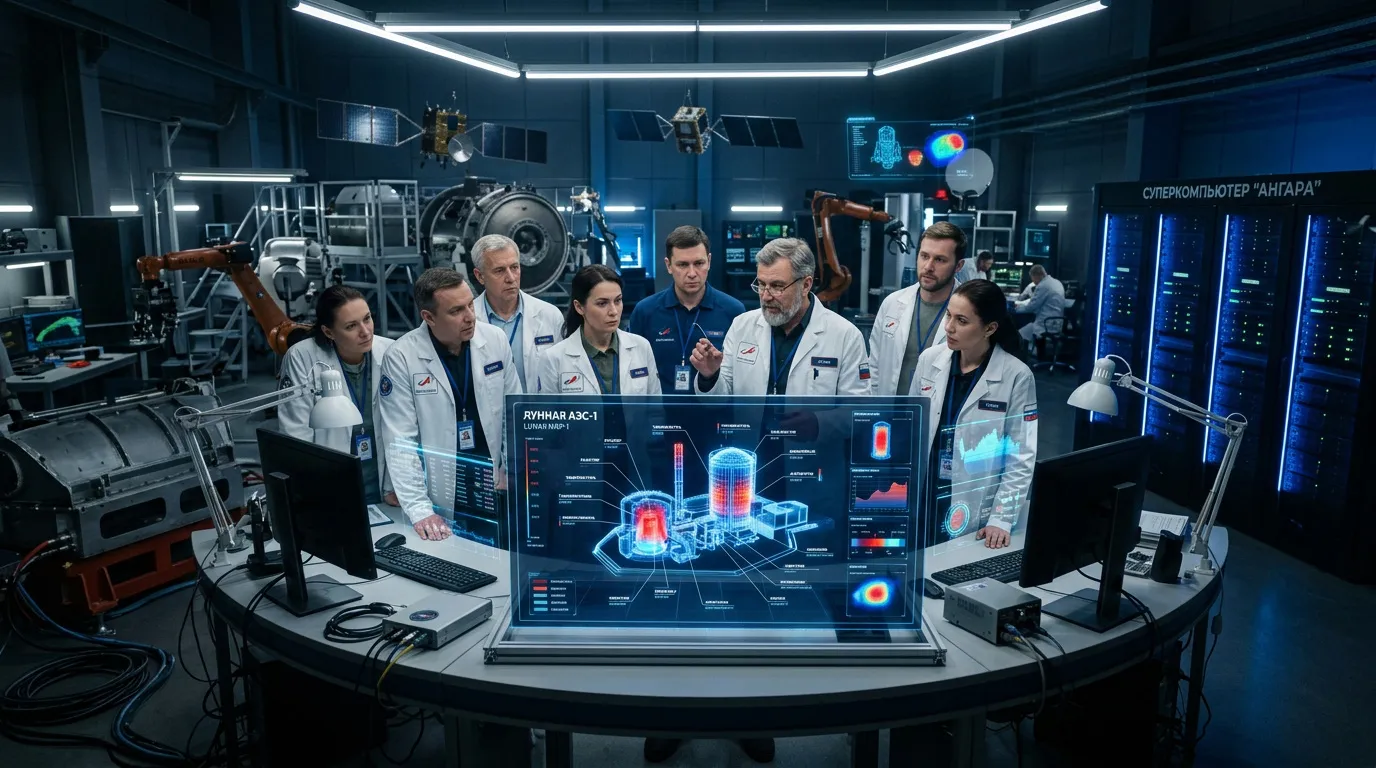
The project is being developed as part of Russia’s national Kosmos (Space) project and the federal Atom (Atom) project through close cooperation between two of the country’s leading research organizations: the Kurchatov Institute and the S.A. Lavochkin Research and Production Association. The primary objective is to ensure accurate and reliable modeling of all operational parameters for the future installation.
Optimization Before Construction Begins
Designing, building and operating a lunar base involves an exceptionally high level of technical complexity and uncertainty. The absence of an atmosphere, extreme temperature fluctuations, lunar dust and radiation exposure all impose stringent requirements on the durability and reliability of equipment.
Any mistake during the installation or operation of a nuclear power plant on the Moon could have serious consequences, including the potential loss of the entire facility. Specialists therefore stress that digital twins and computational models are indispensable for a project of this scale.
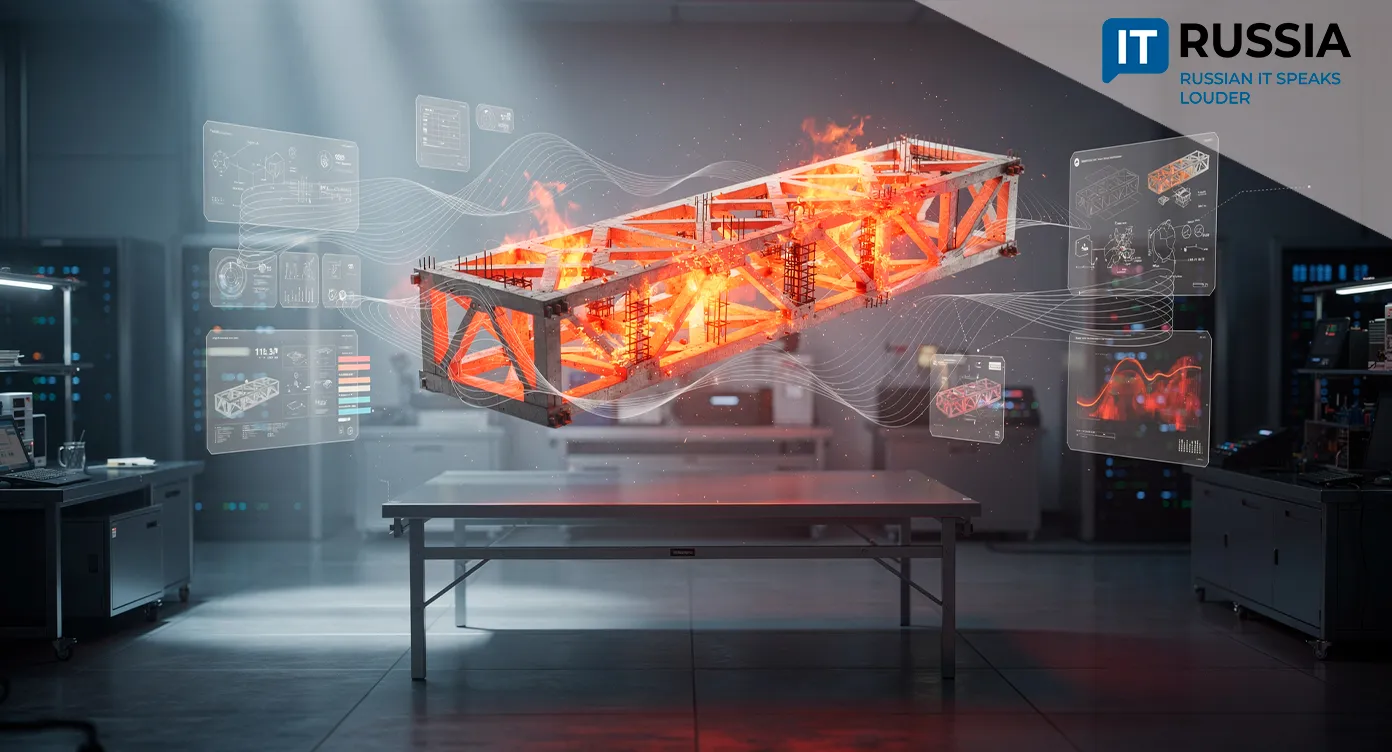
Digital twins are virtual replicas of physical systems that allow engineers to test and optimize designs before construction starts. Using supercomputers and advanced software platforms, engineers can simulate hundreds of thousands of operational scenarios under different conditions, identify vulnerabilities and eliminate them during the design phase rather than after deployment.
Cross-Industry Cooperation and Technological Sovereignty
The lunar nuclear power project is also viewed as a strategic step toward strengthening Russia’s technological sovereignty. Participation by the Kurchatov Institute and the S.A. Lavochkin Research and Production Association brings together leading specialists in nuclear physics, materials science, software engineering and aerospace technology.
Researchers note that digital twins and computational models have become an integral part of modern engineering, particularly for mission-critical infrastructure operating in extreme environments. In practice, these technologies improve reliability while also reducing costs by preventing expensive redesigns and late-stage engineering errors.

International Context and Technological Competition
Russia is not alone in pursuing this type of research. NASA and the US Department of Energy have also announced plans to deploy a nuclear power system on the Moon by 2030. Lunar nuclear power technologies are rapidly becoming an arena for technological competition, where success is likely to depend on which country develops the safest and most efficient solution.
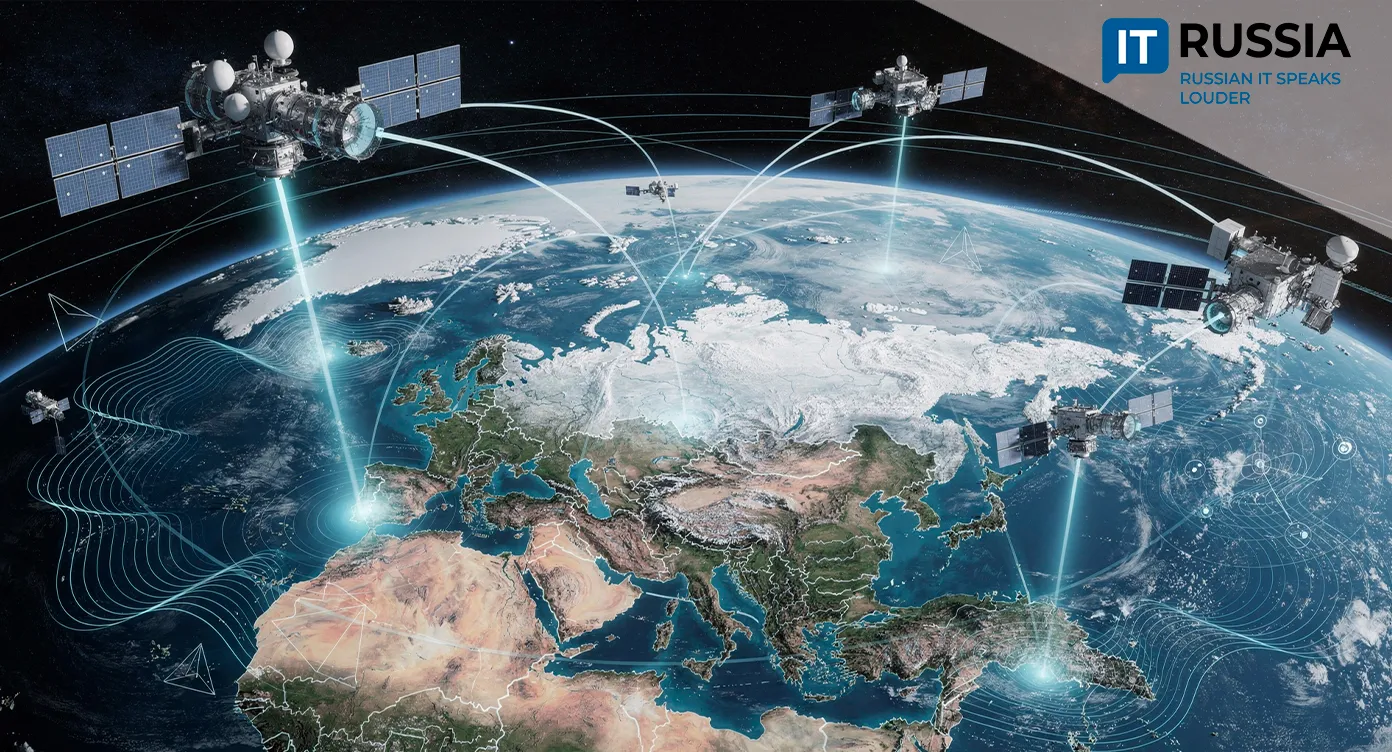
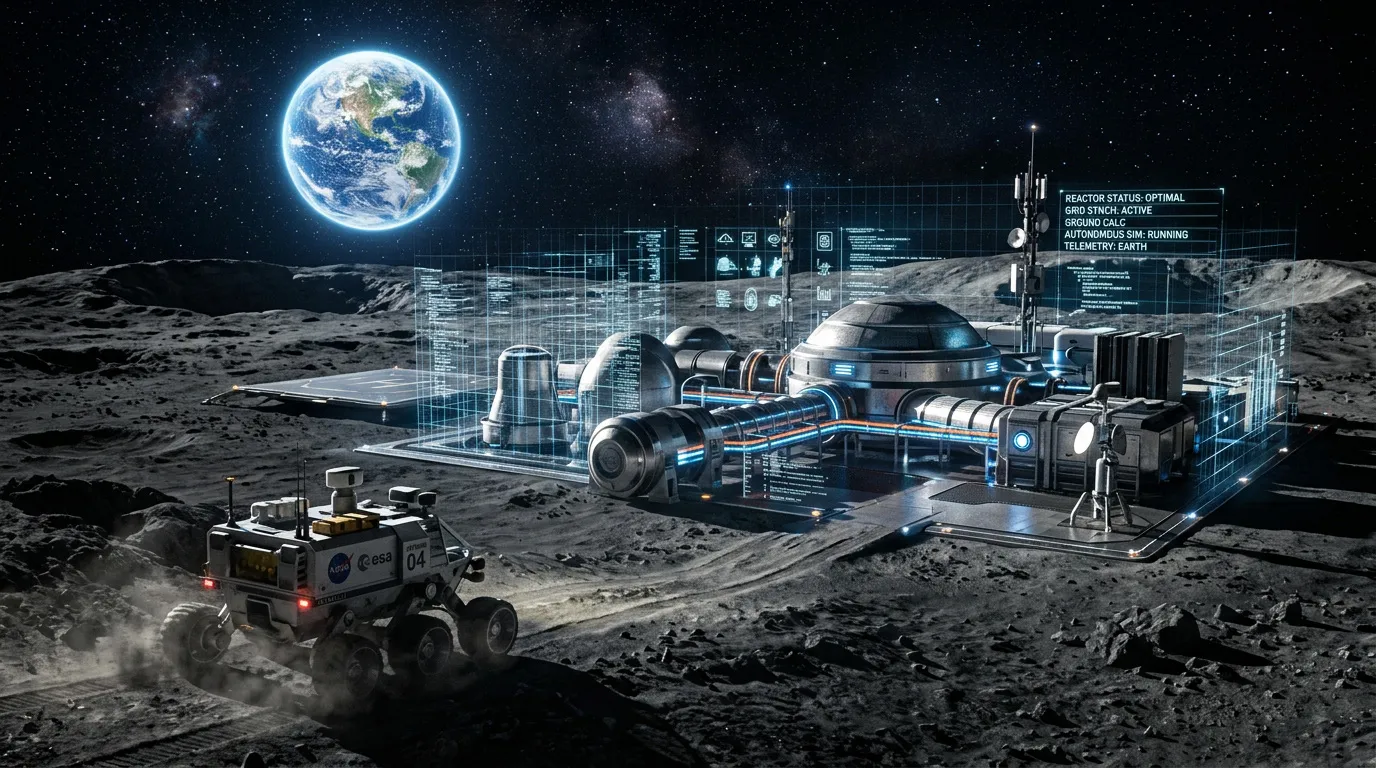
Russia’s lunar nuclear power project is closely linked to the International Lunar Research Station program being developed jointly with China. The station is designed as a multifunctional research complex open to international cooperation. Integrating a nuclear power plant into the station’s infrastructure would provide electricity for scientific instruments, communications systems, habitation modules and transport vehicles, helping make long-term human presence on the Moon both sustainable and safe.
Prospects and Significance for Science and Industry
The development of digital twins and computational models for a lunar nuclear power plant is expected to provide a significant boost to Russia’s domestic IT sector. The technologies created for the project could later be applied in a wide range of industries, from the design of terrestrial nuclear power plants to advanced industrial robotics and medical equipment.
Future Outlook
The creation of digital twins and computational models for a lunar base equipped with a nuclear power plant represents a landmark project reflecting Russia’s ambition to remain a leader in space exploration and advanced technologies.
The project demonstrates that the country is capable not only of setting ambitious goals, but also of achieving them through the use of advanced scientific and engineering methods. Successful implementation would mark an important step toward a sustainable human presence on the Moon and could support future exploration of the Solar System.